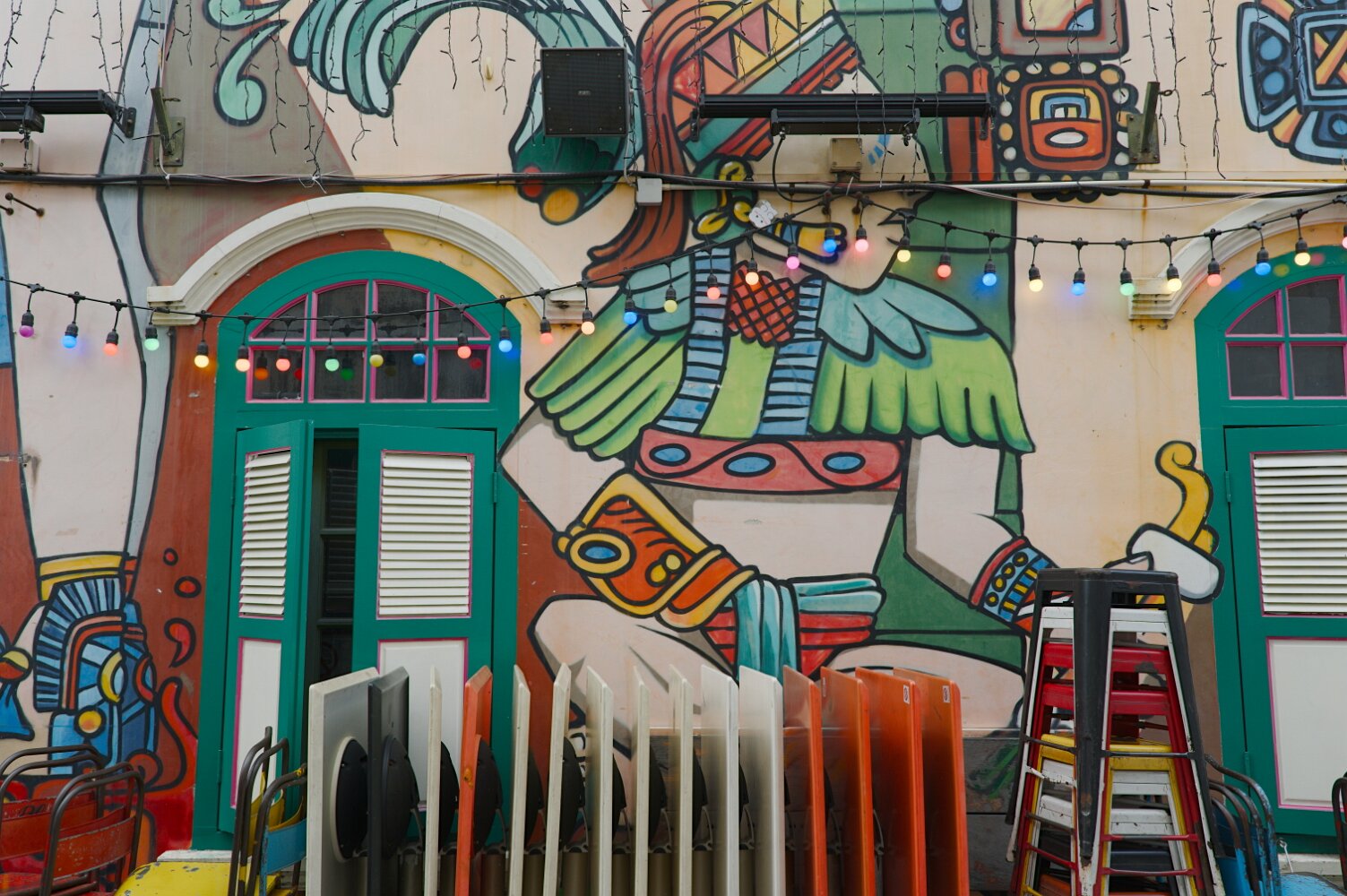
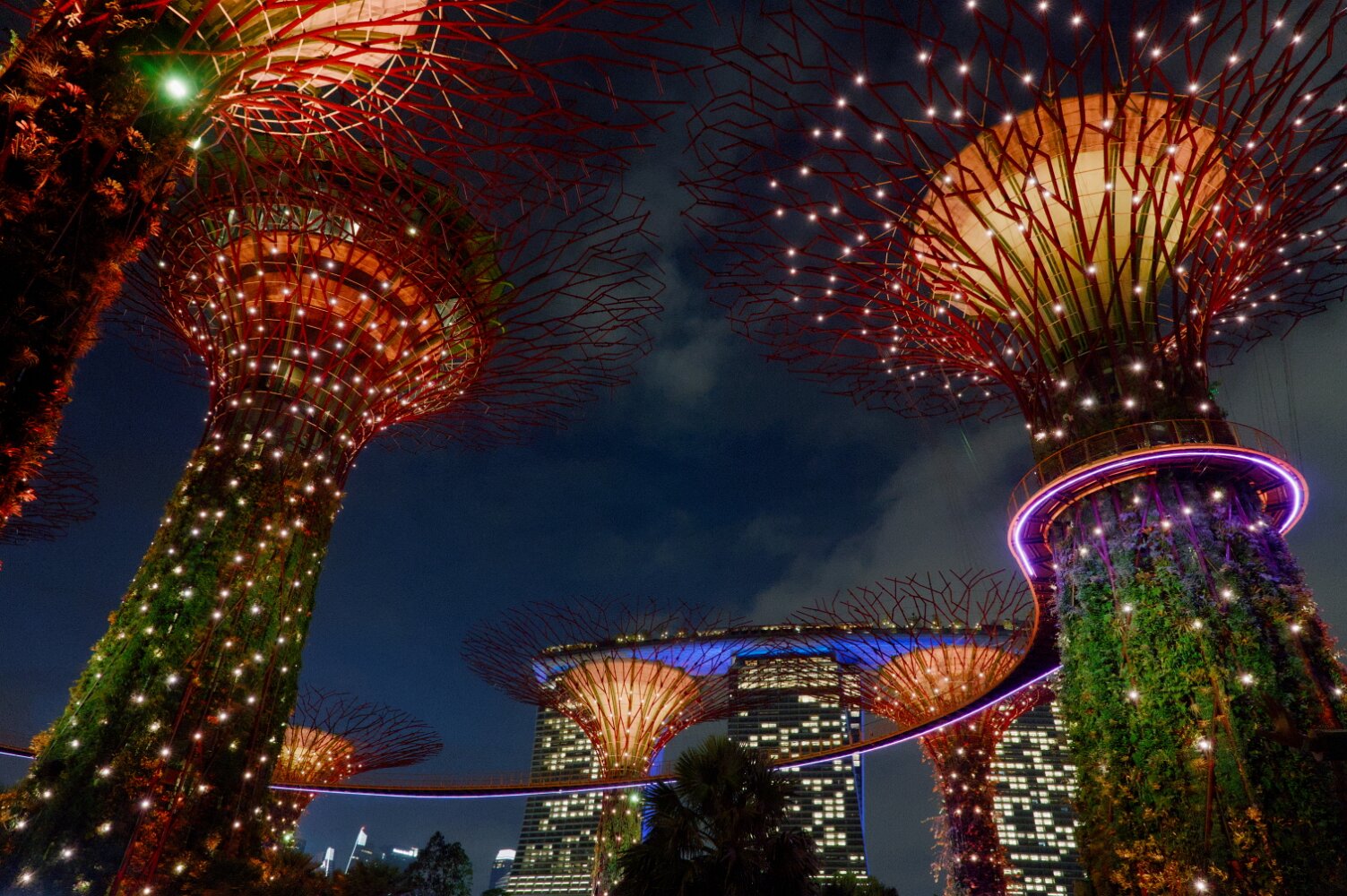
As the plan to explore Southeast Asia started to take shape, Autumn and I decided to focus mostly on Vietnam and Laos. However, since there are no direct flights from California to either of those countries, we chose to bookend the trip with cities we could fly to and from nonstop: Taipei on the way in, Singapore on the way out. Then we bought a separate ticket from Taipei to Vietnam's capital, Hanoi; how to get from Hanoi to Singapore in six weeks was left to be decided as we went along.
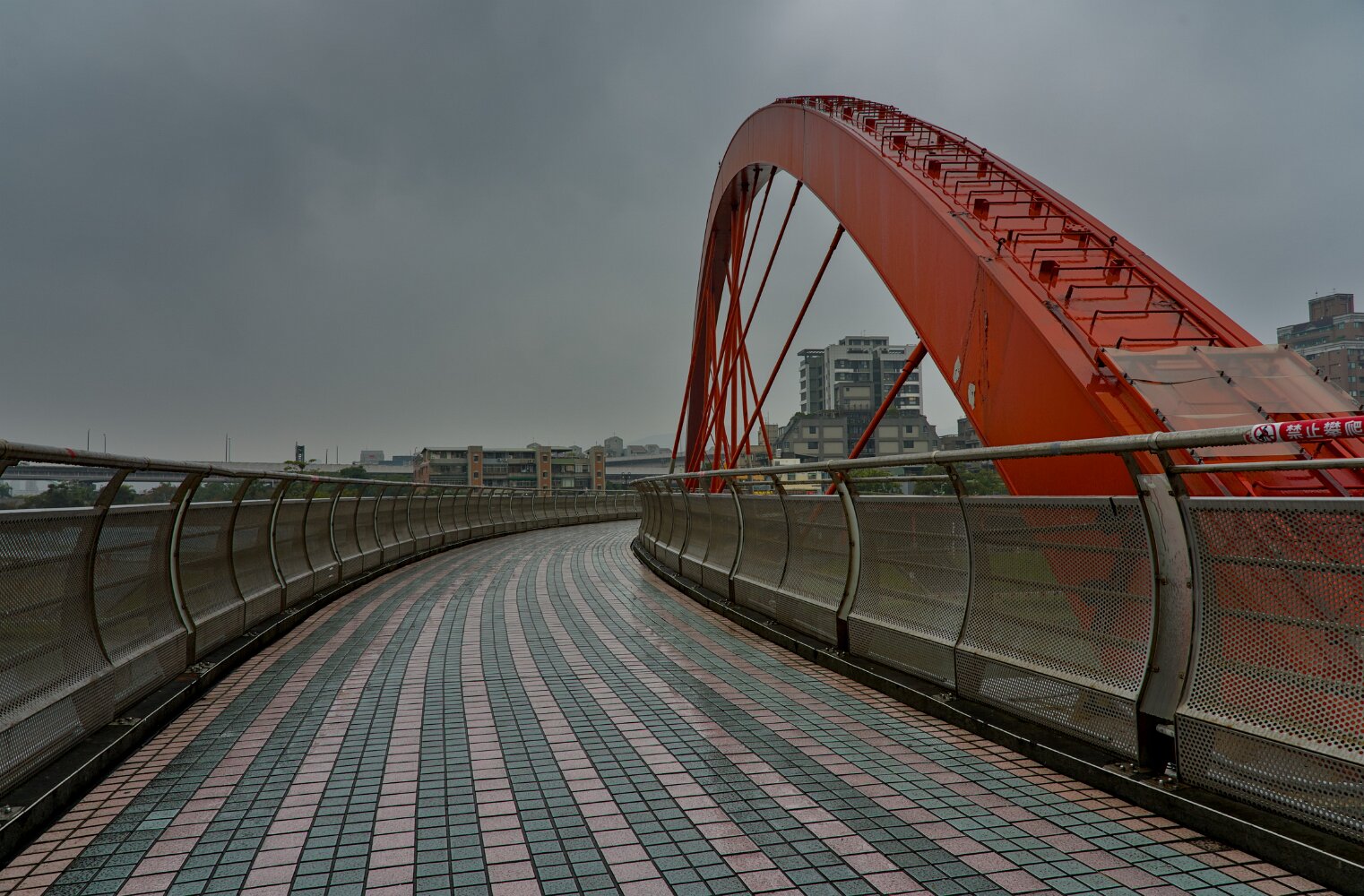
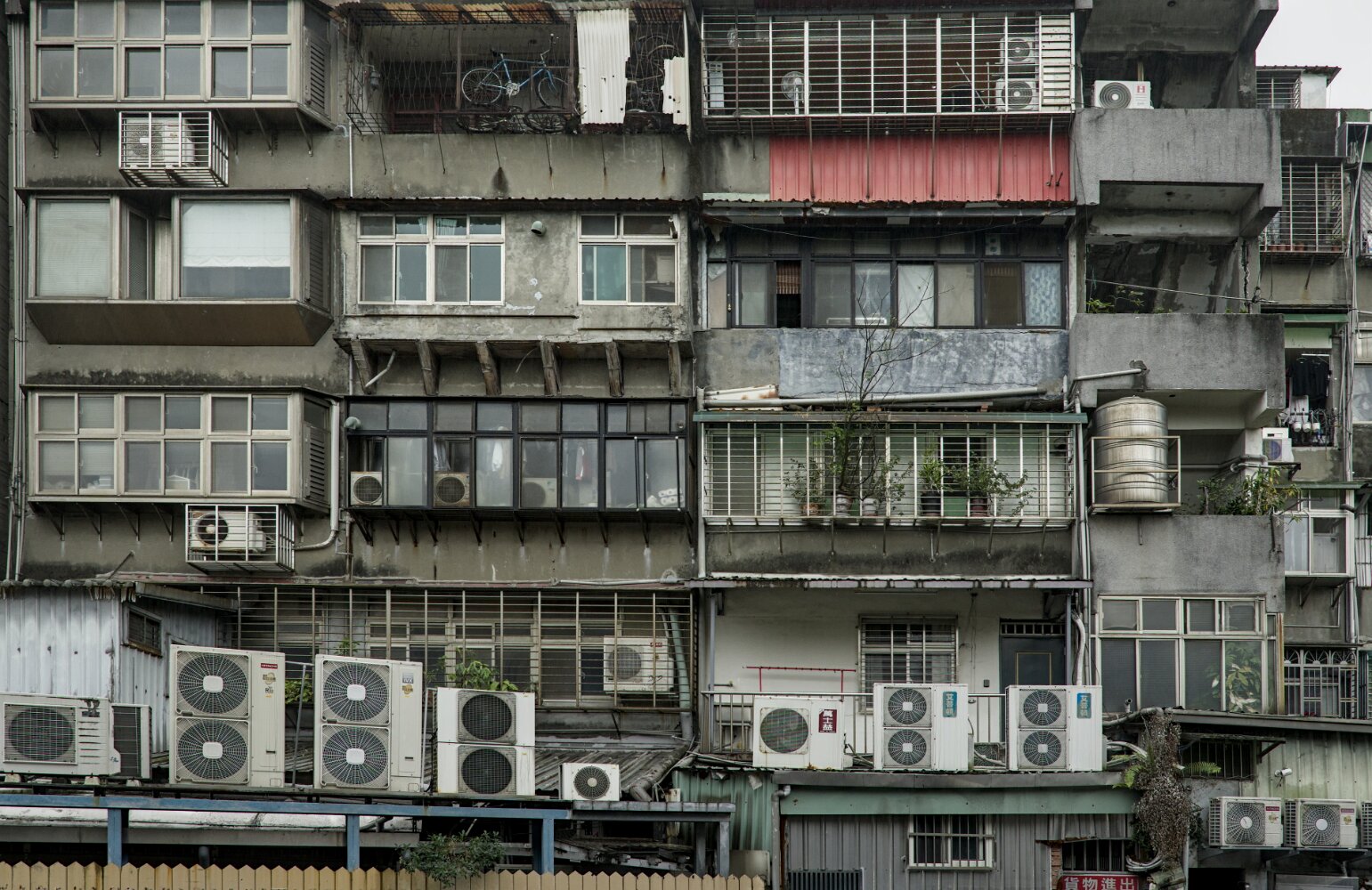
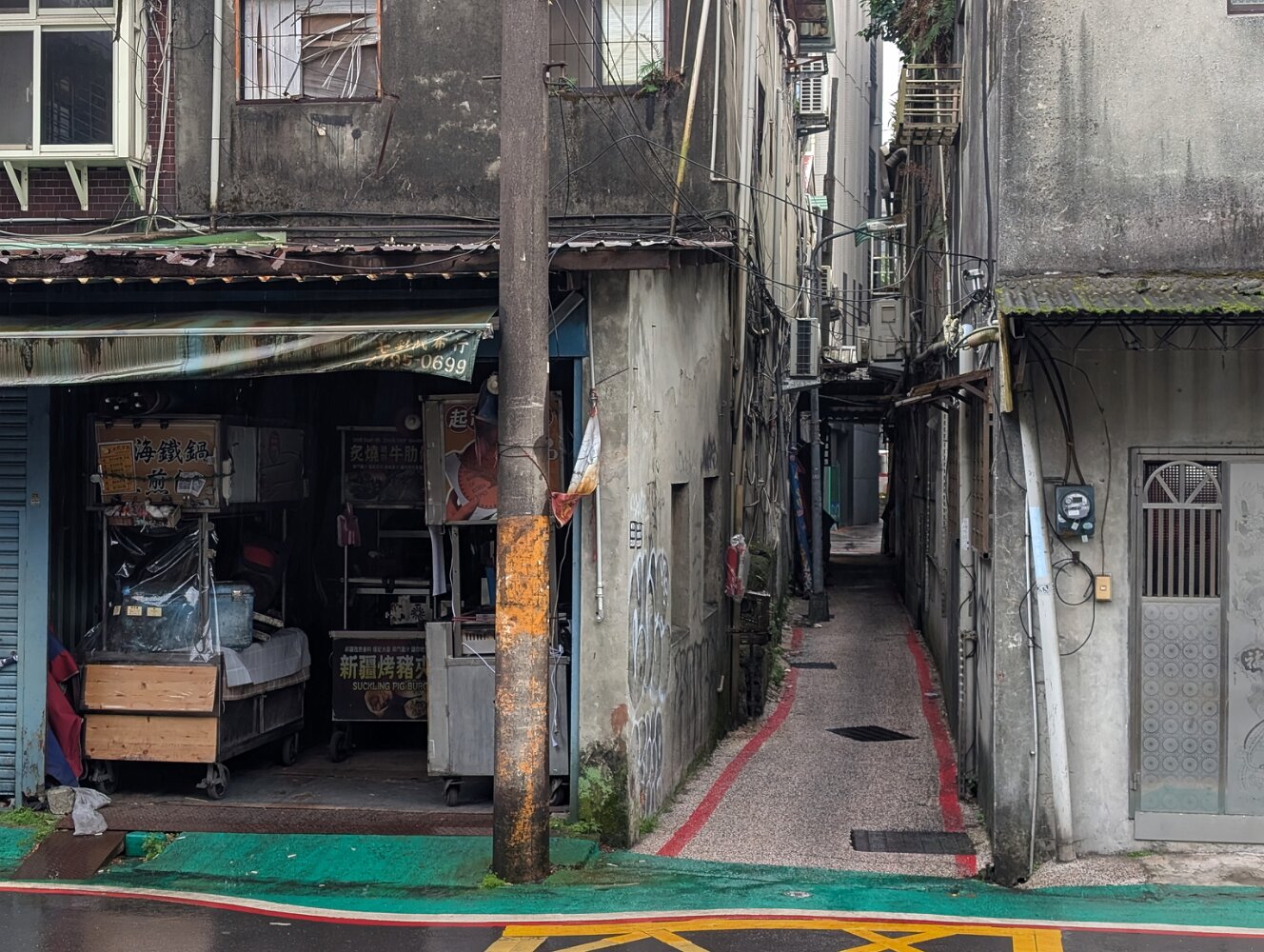
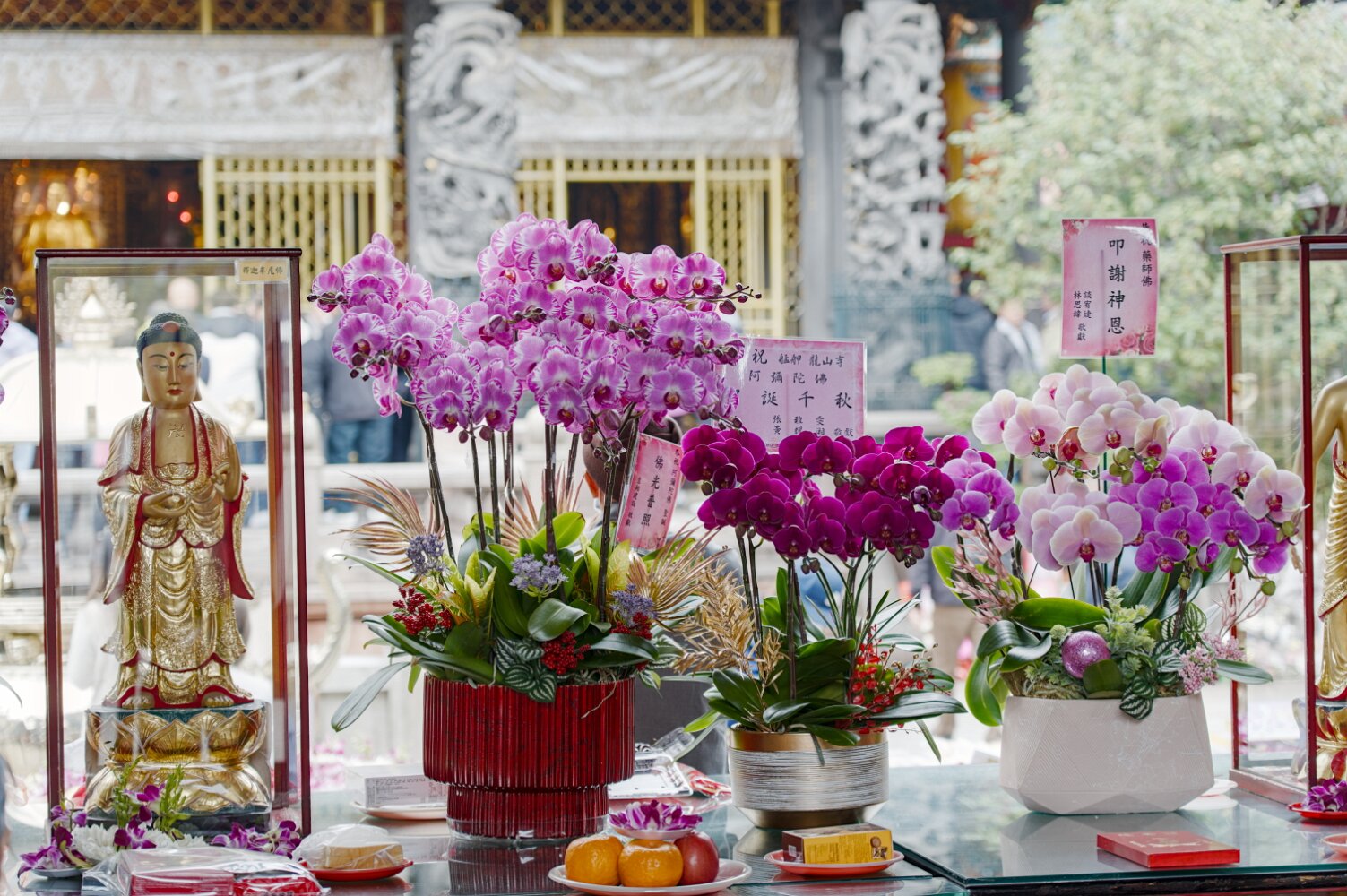
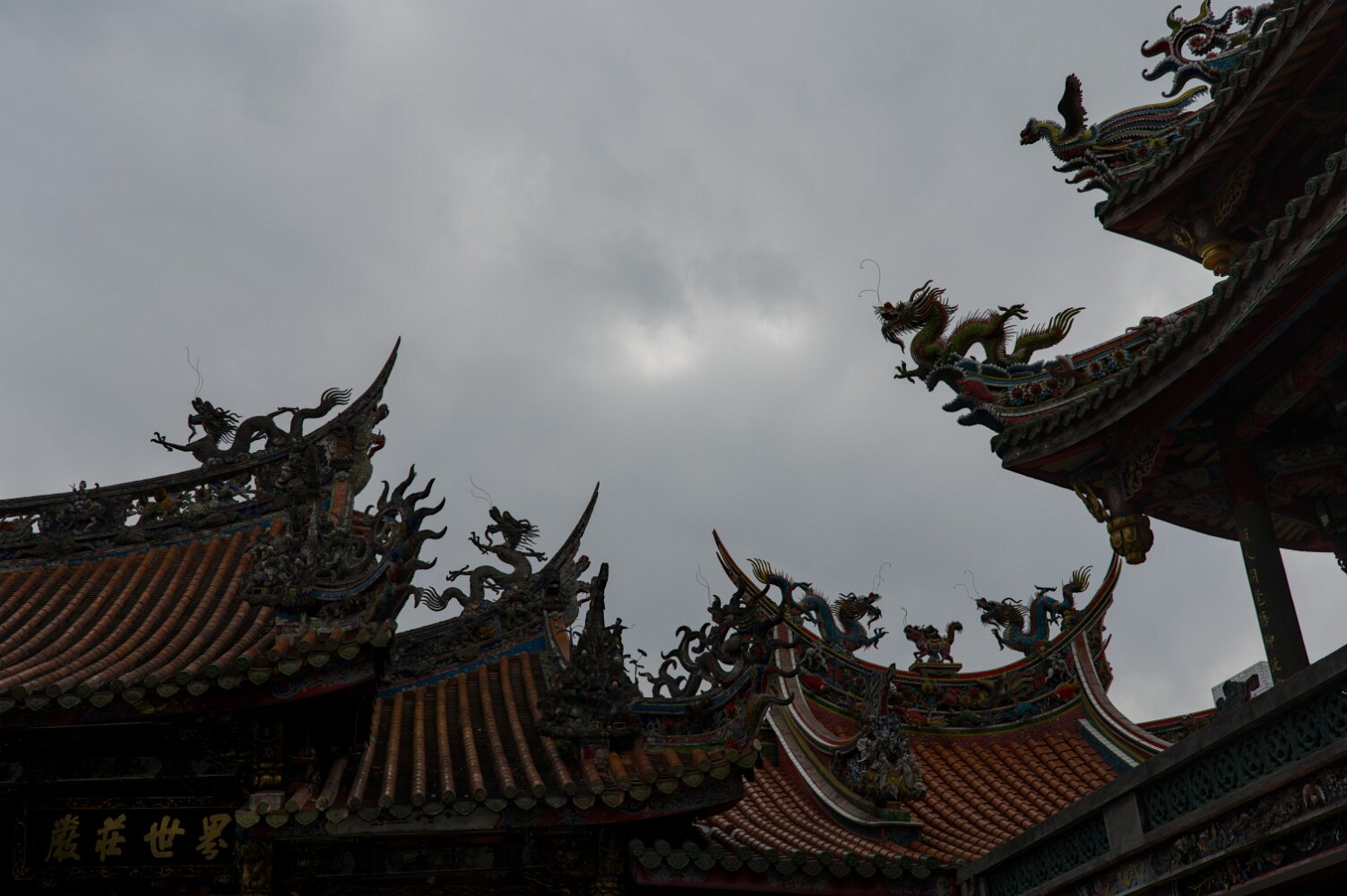
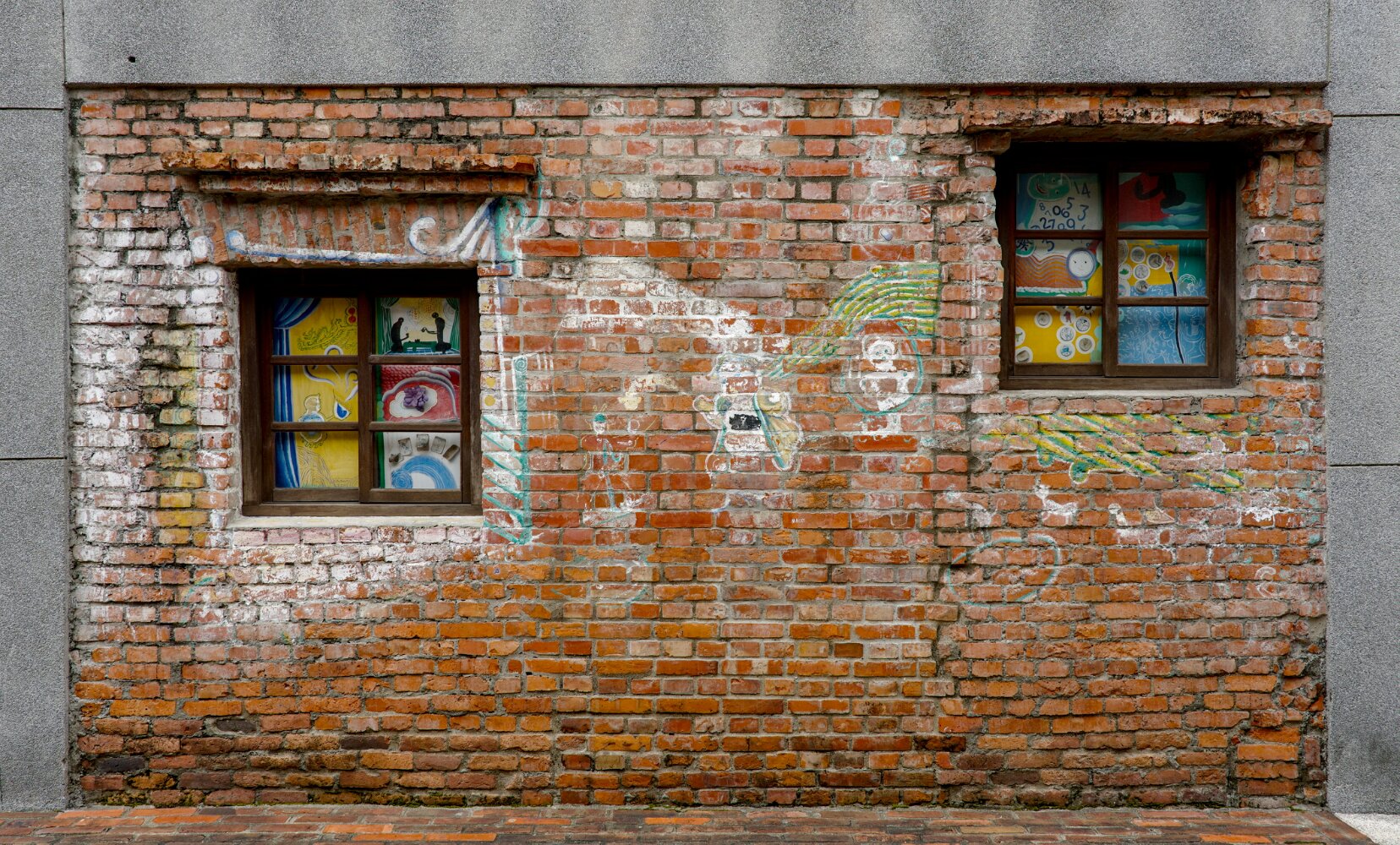
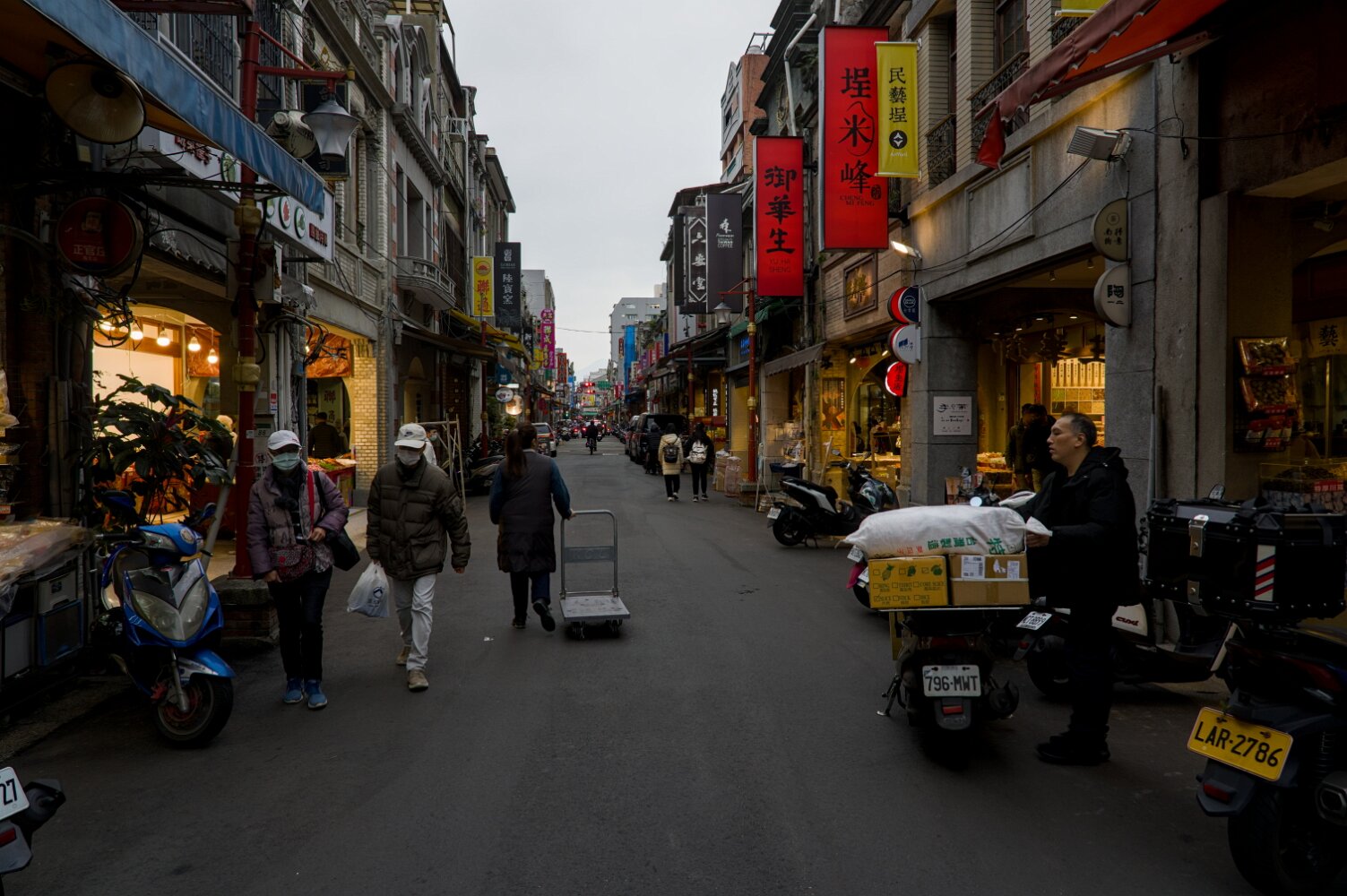
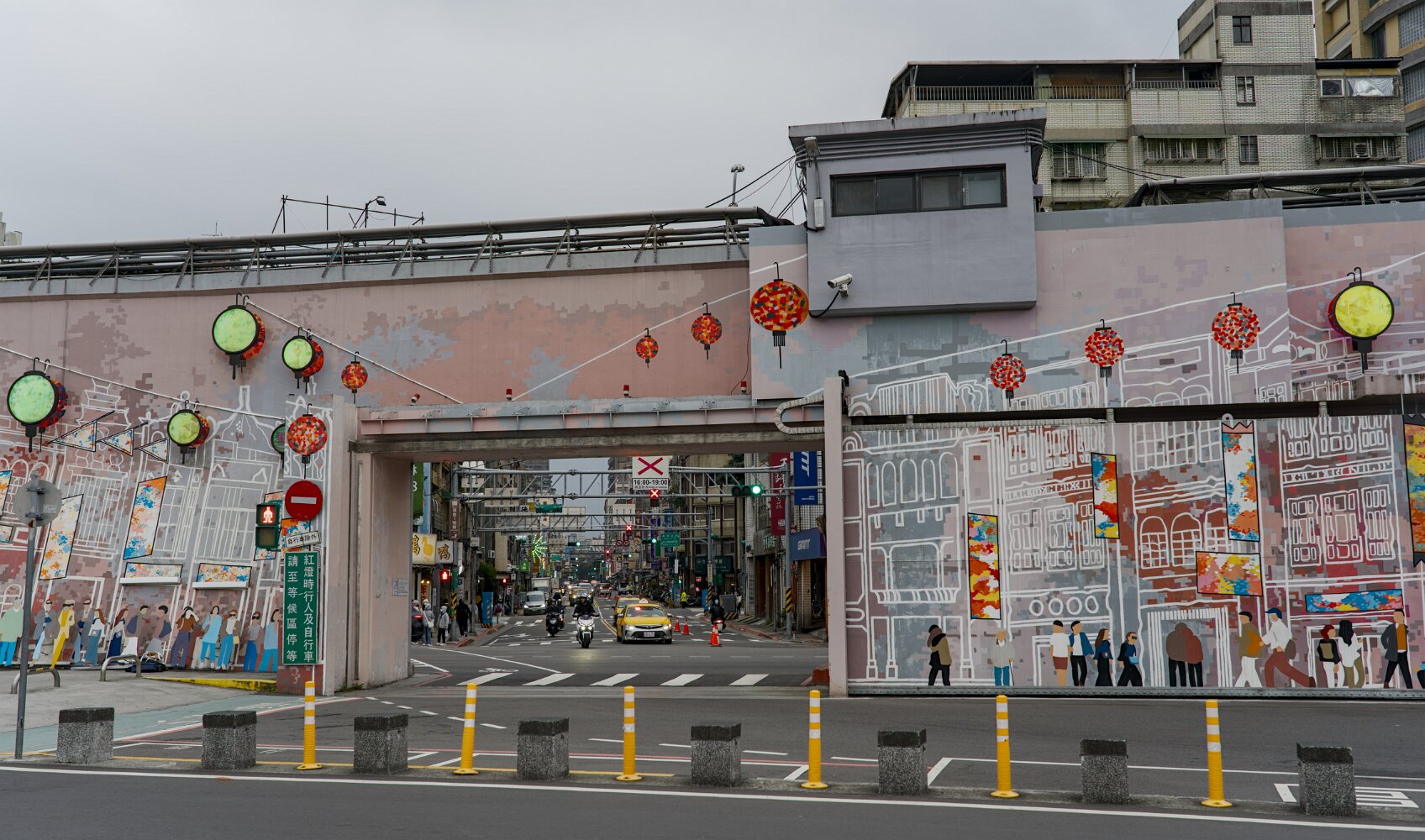
Taipei, Taiwan
Things that caught our attention:
- Restaurants have tissue paper as napkins; annoying!
- The subway is modern and easy to navigate (after you figure how to pay). Every passenger seems to have a small stuffed animal hanging from thier briefcases and purses.
- We saw about two dogs in the entire two days we were there
- Old and decayed buildings are interwoven and living in harmony next door with modern and pristine skyscrapers
- Autumn's first ever hotpot restaurant was a bit of a food and language-barrier fiasco
Hanoi's Old Quarter
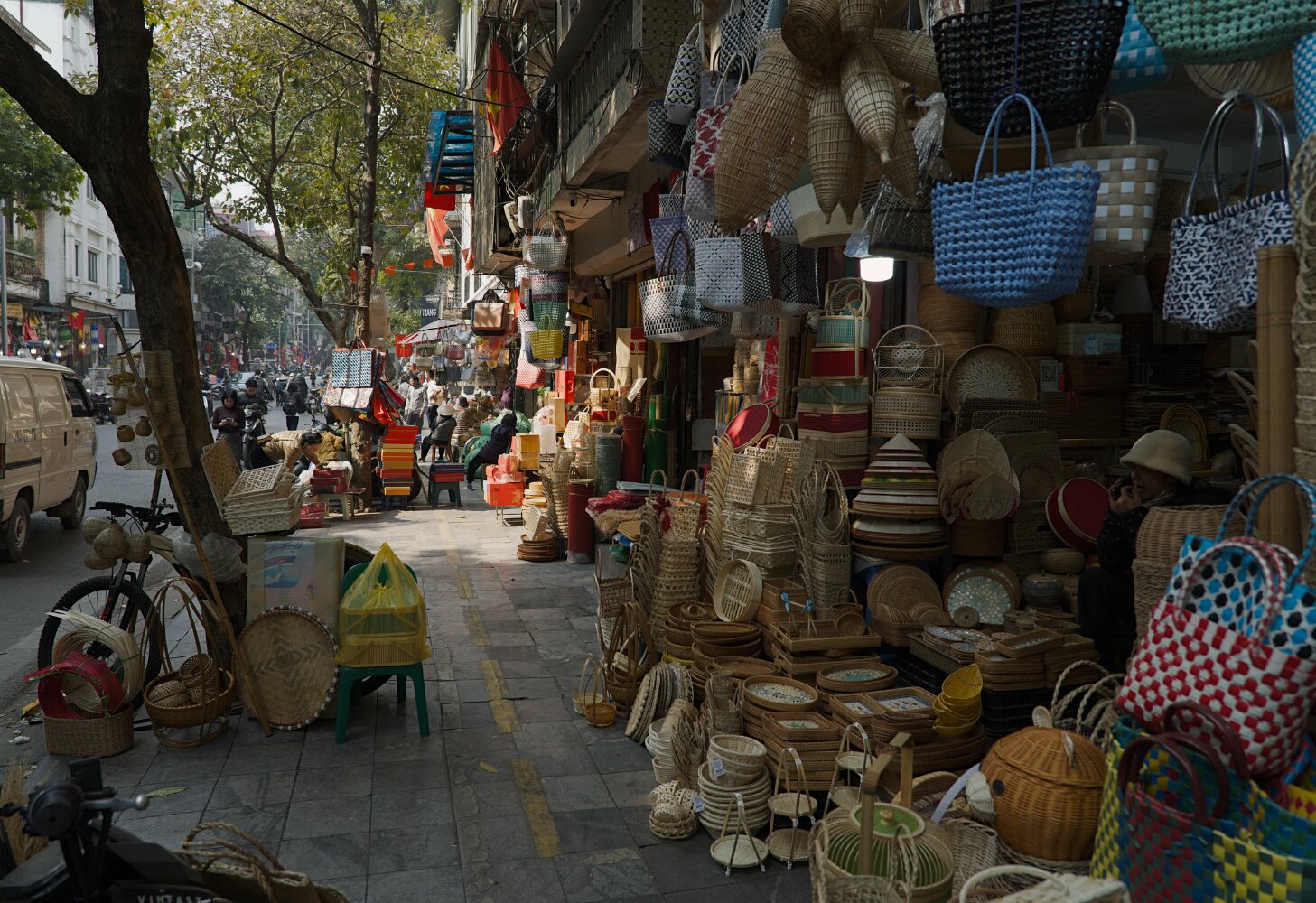
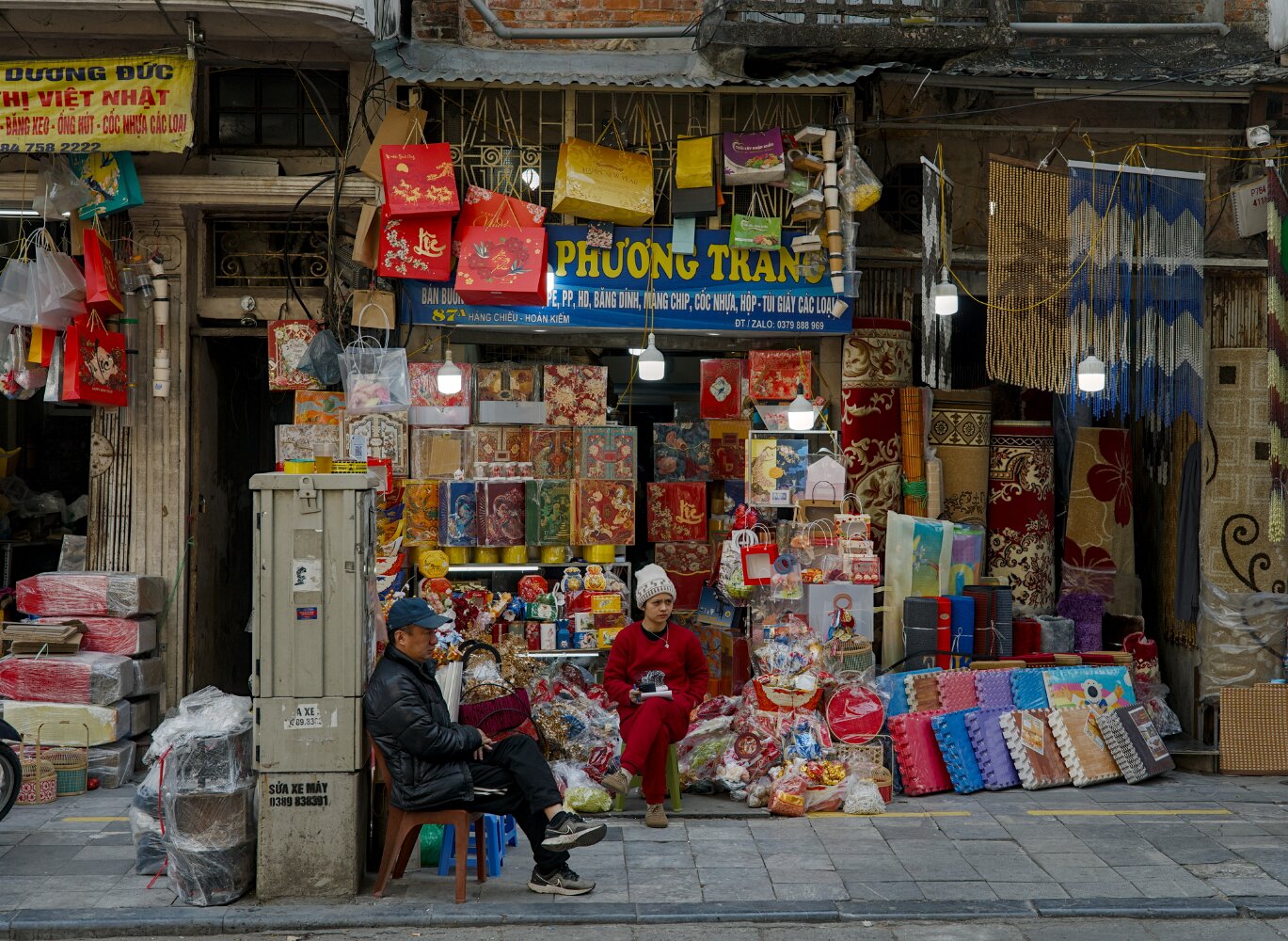
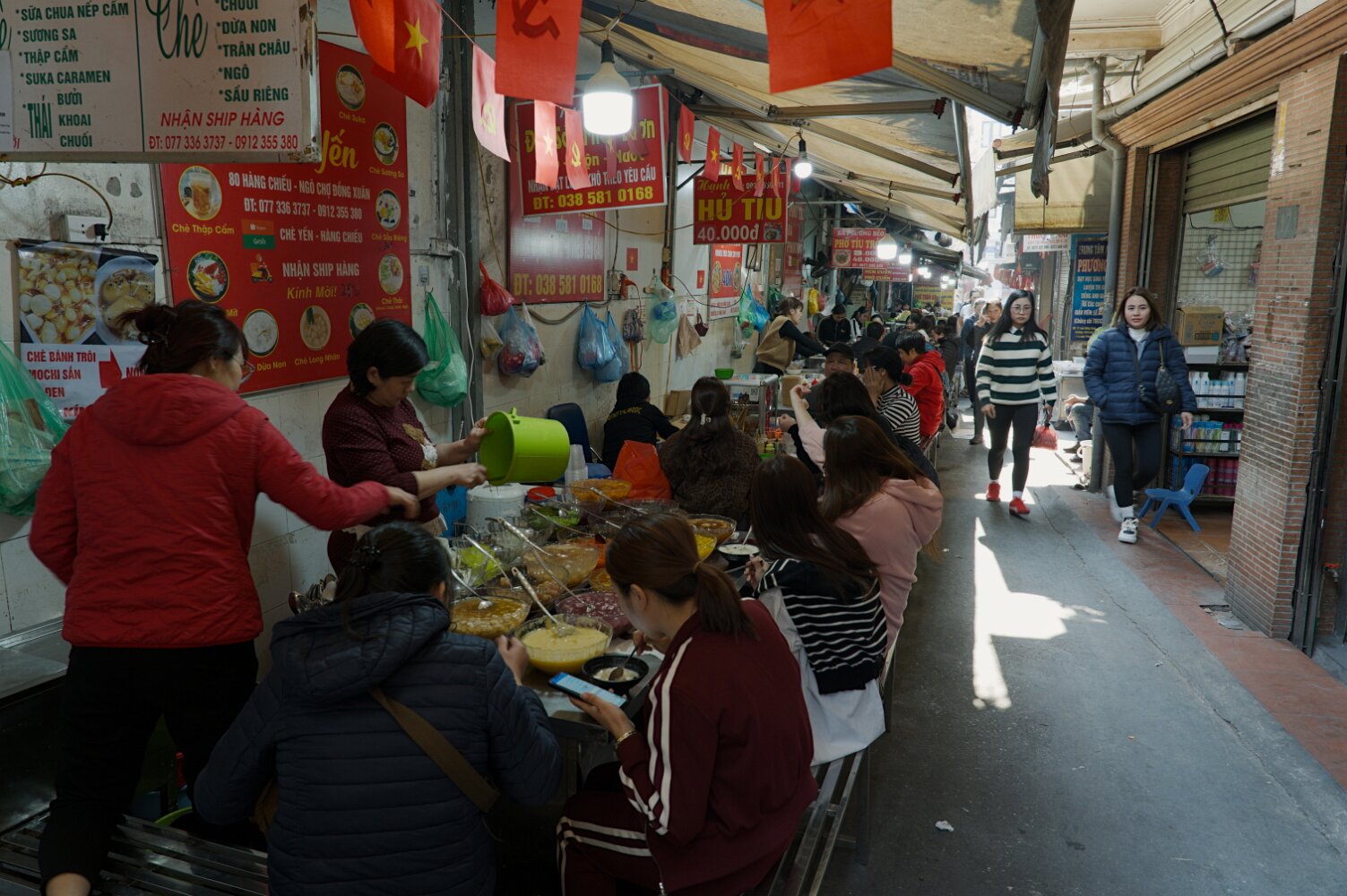
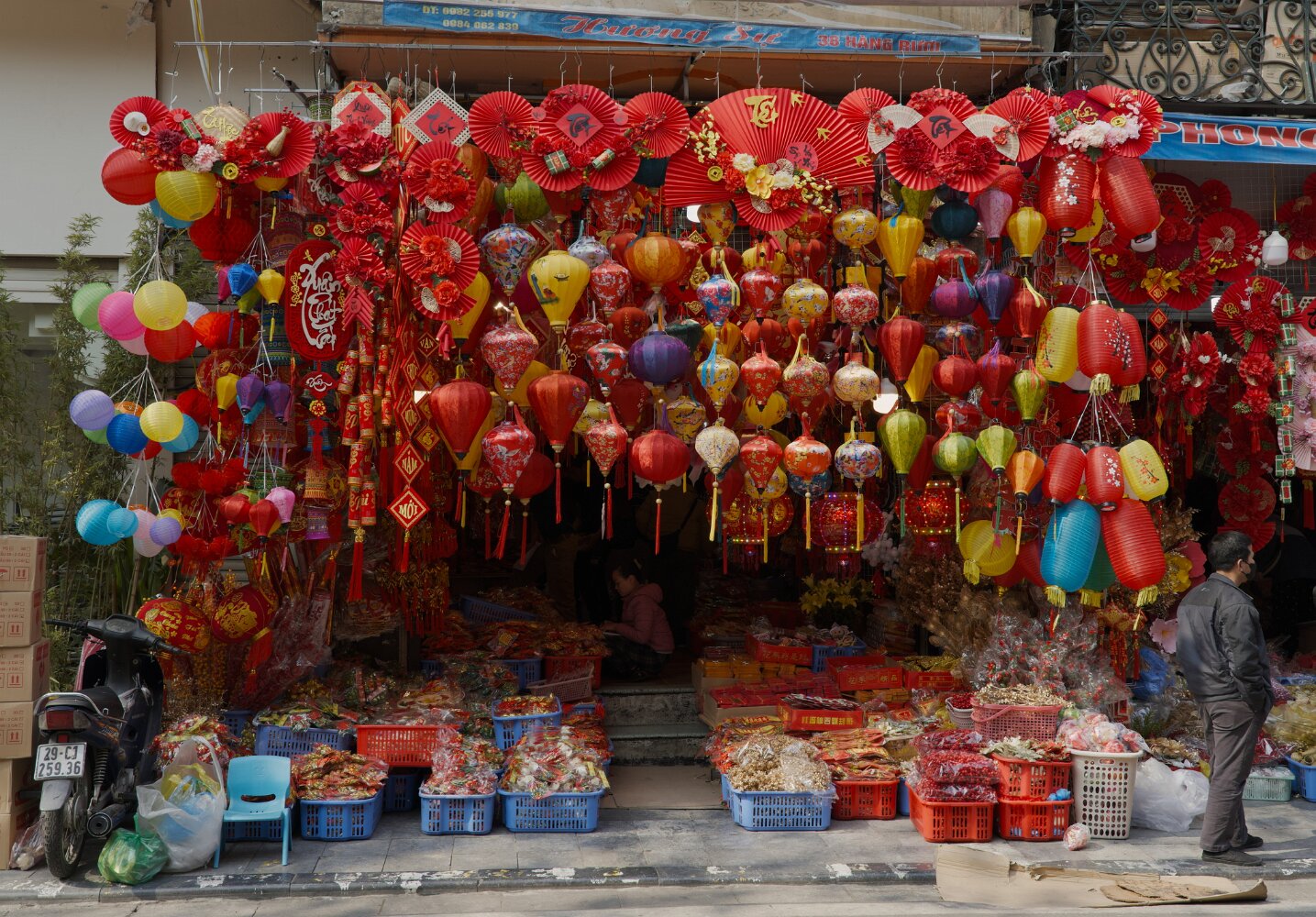
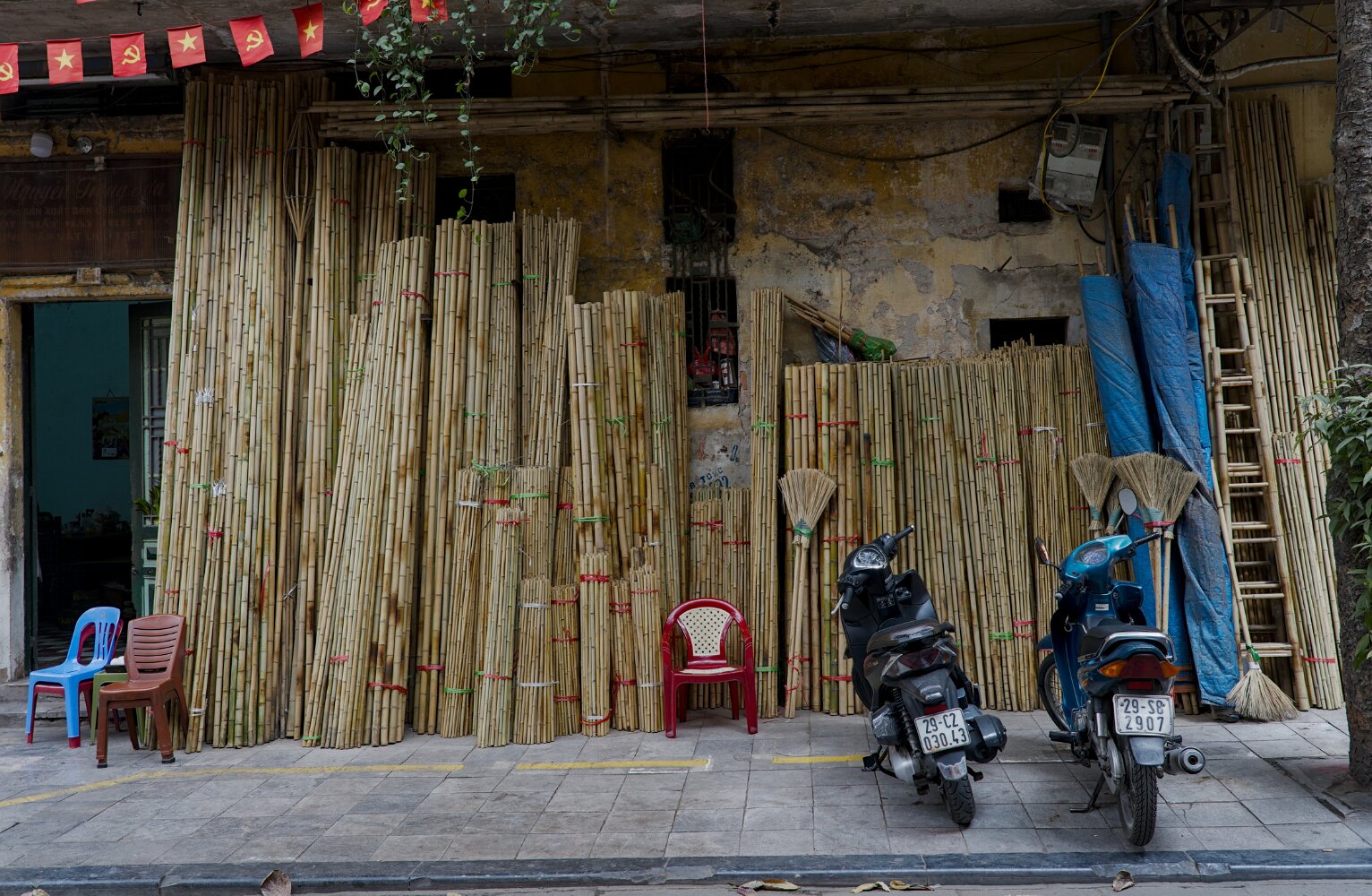
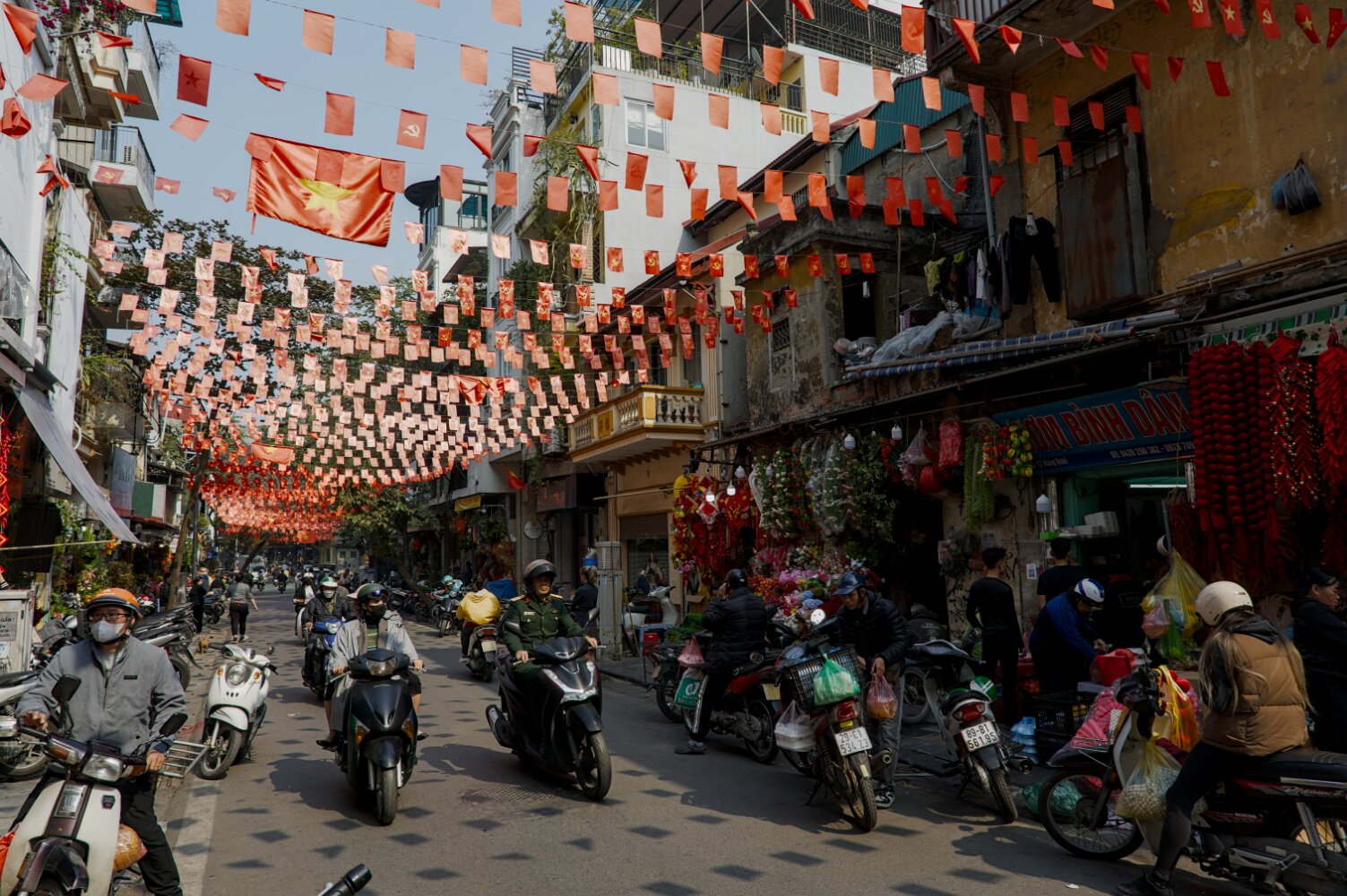
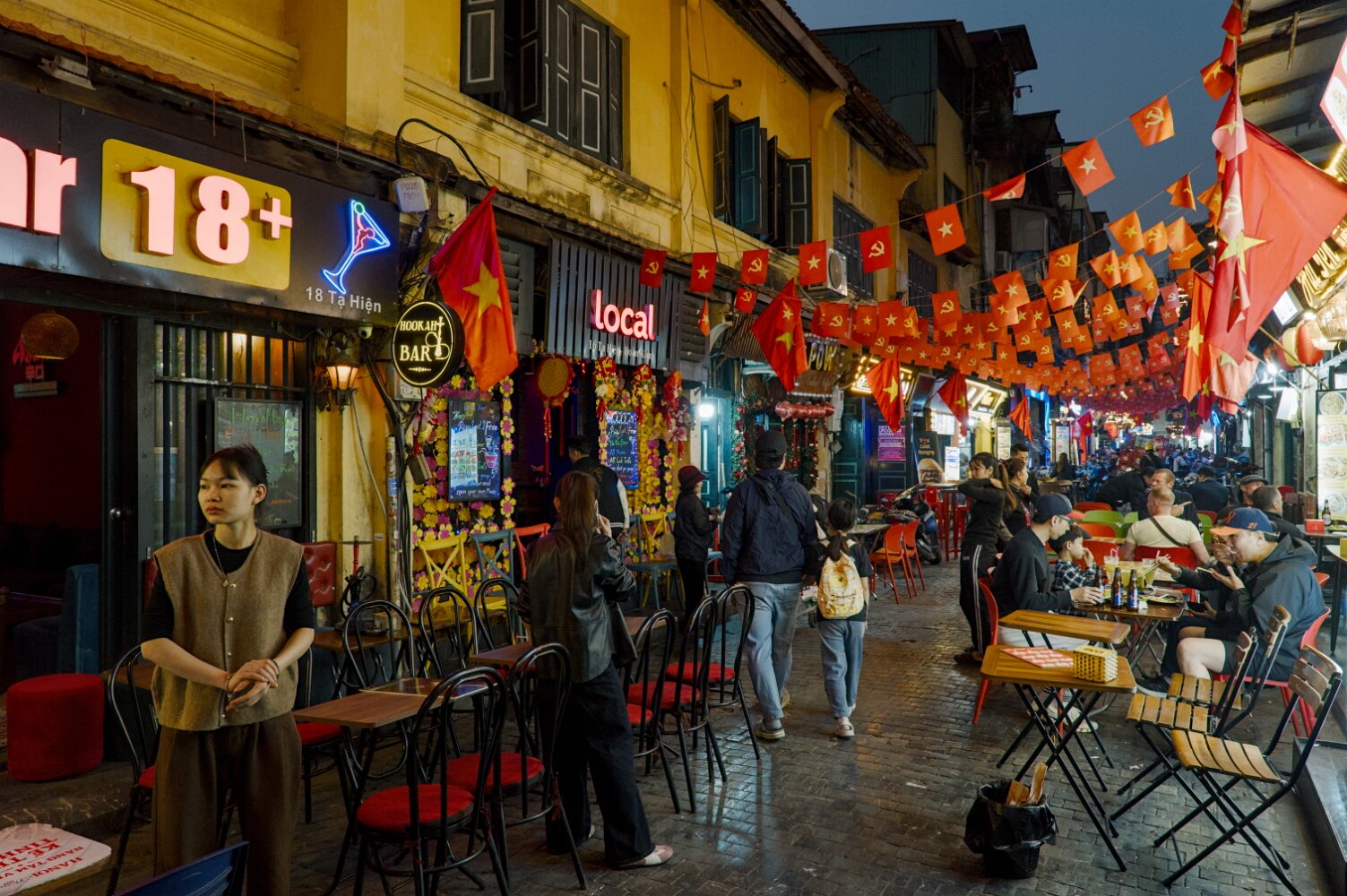
Bustling, hectic, busy, colorful, the old quarter will overwhelm all your senses. Traffic (mostly motorbikes) is mesmerizing in its chaos. Somehow, though, with no apparent rules, it just flows. There's a lot of honking, but no rage: drivers just want to announce themselves. Crossing a street with five lanes of motorbikes coming continuously is not for the faint of heart. The advice is: be decisive, don't hesitate, and don't try to dodge the upcoming traffic: let them dodge you. Or just follow a dog; they know. And, unlike Taipei, there are many.
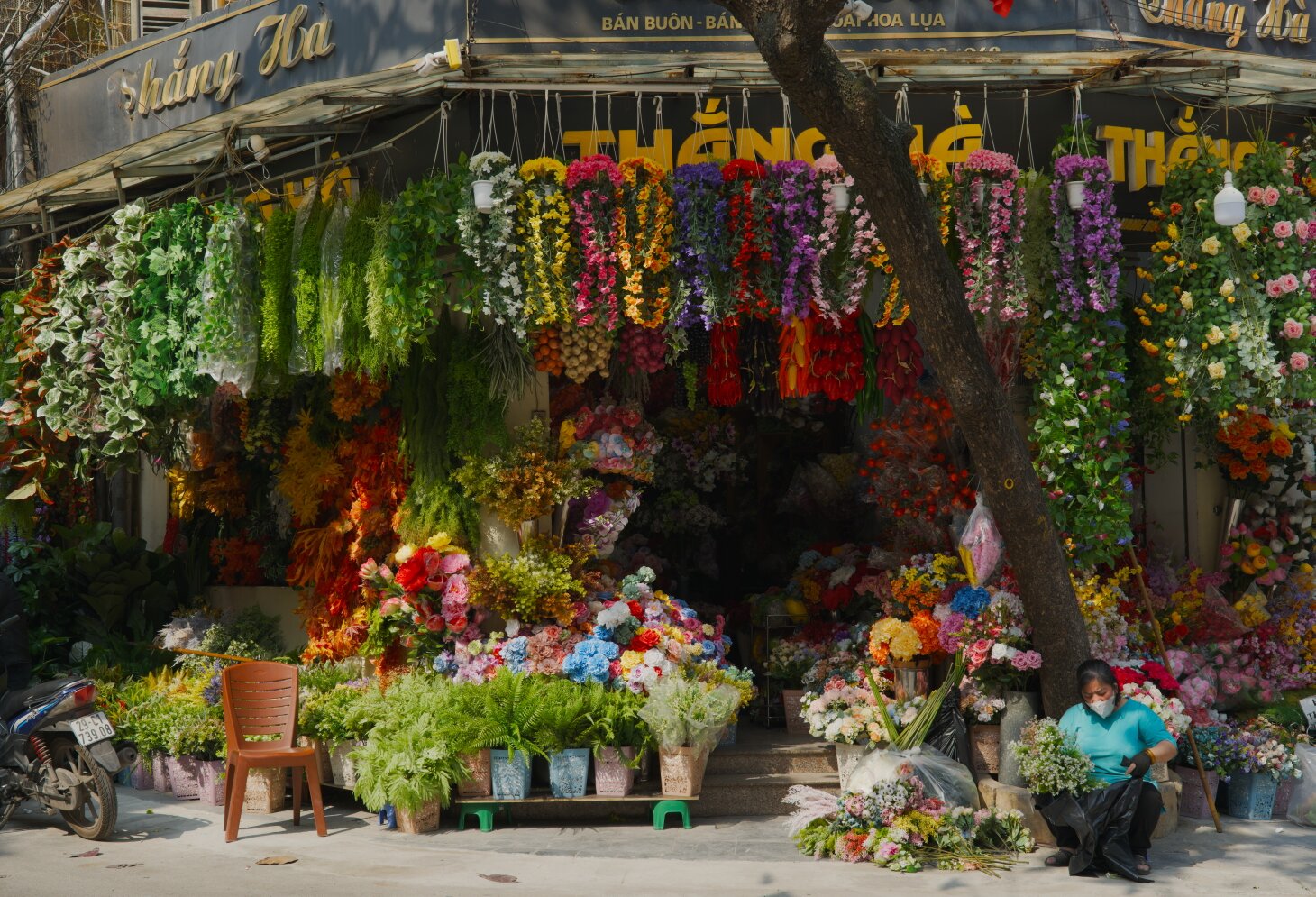
Life happens on the street (or more precisely, the sidewalk, which is not intended for pedestrians): eating, parking, playing, working, gathering, selling, cooking, dealing, fixing a refrigerator.
In the Old Quarter, ancient customs don't die to modernity.
Lan Ha Bay
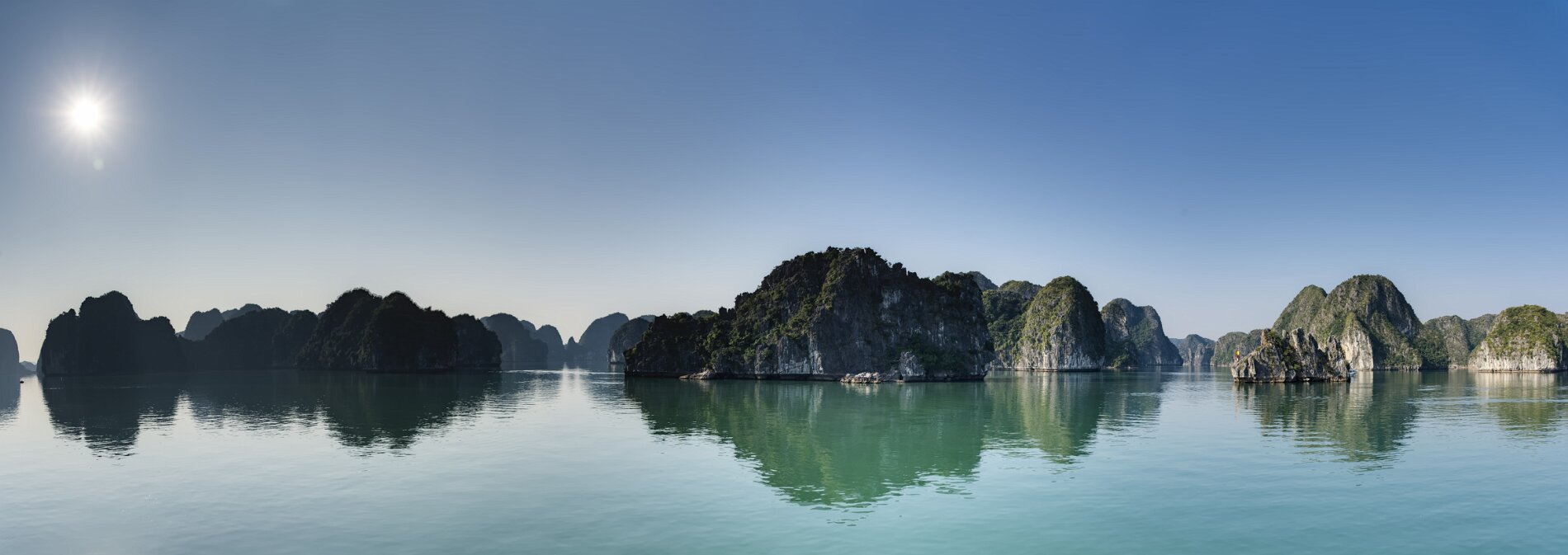
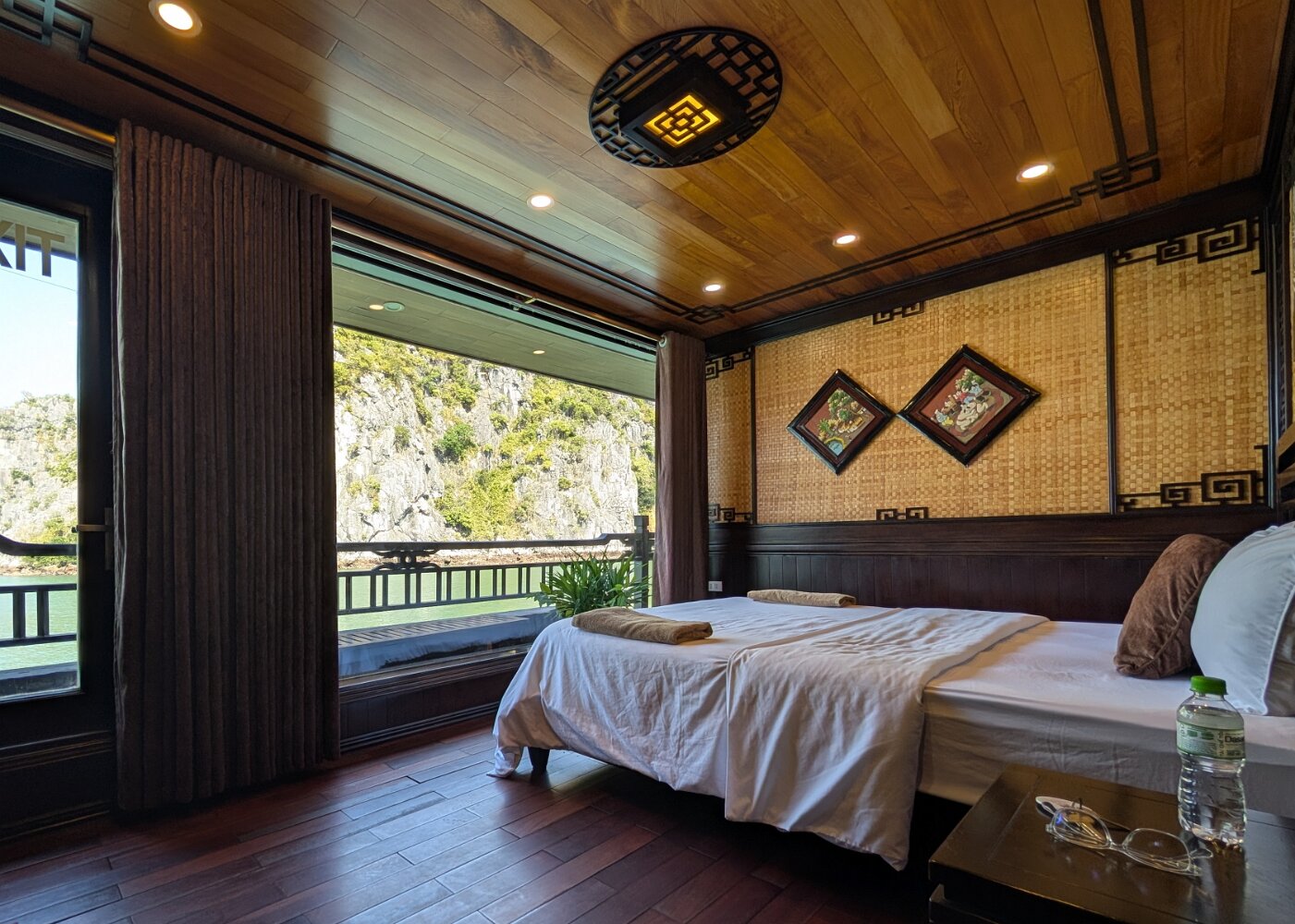
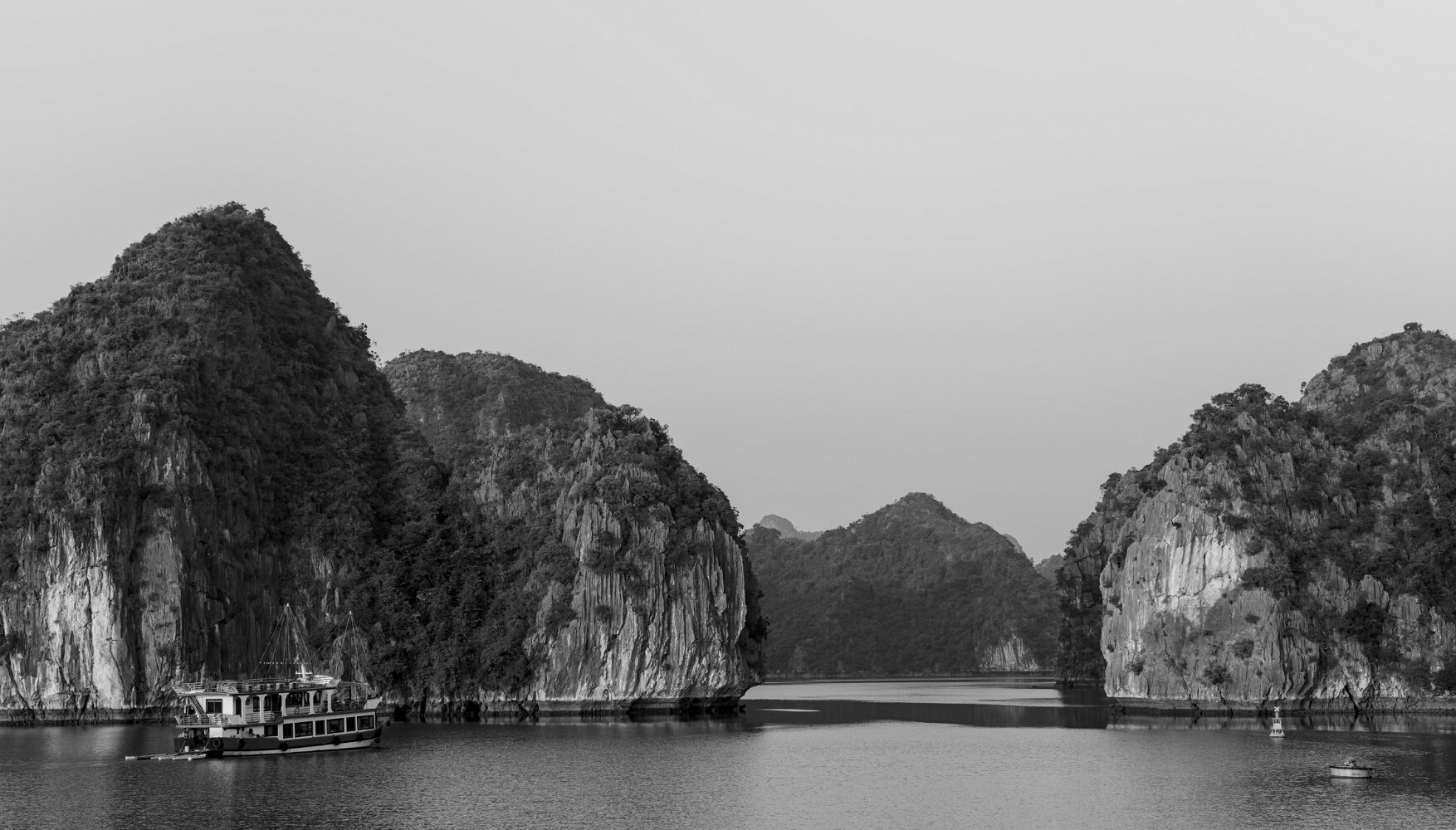
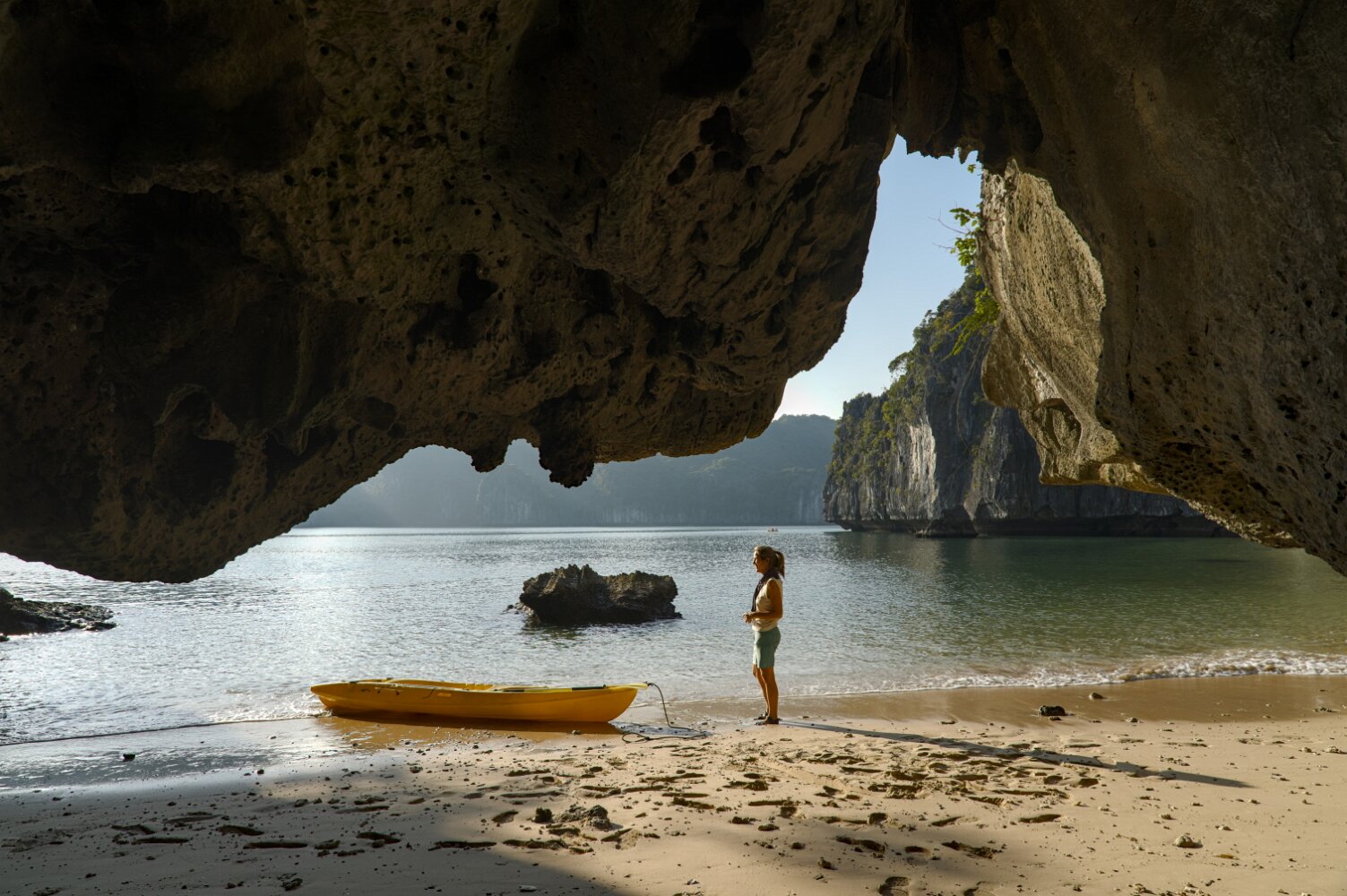
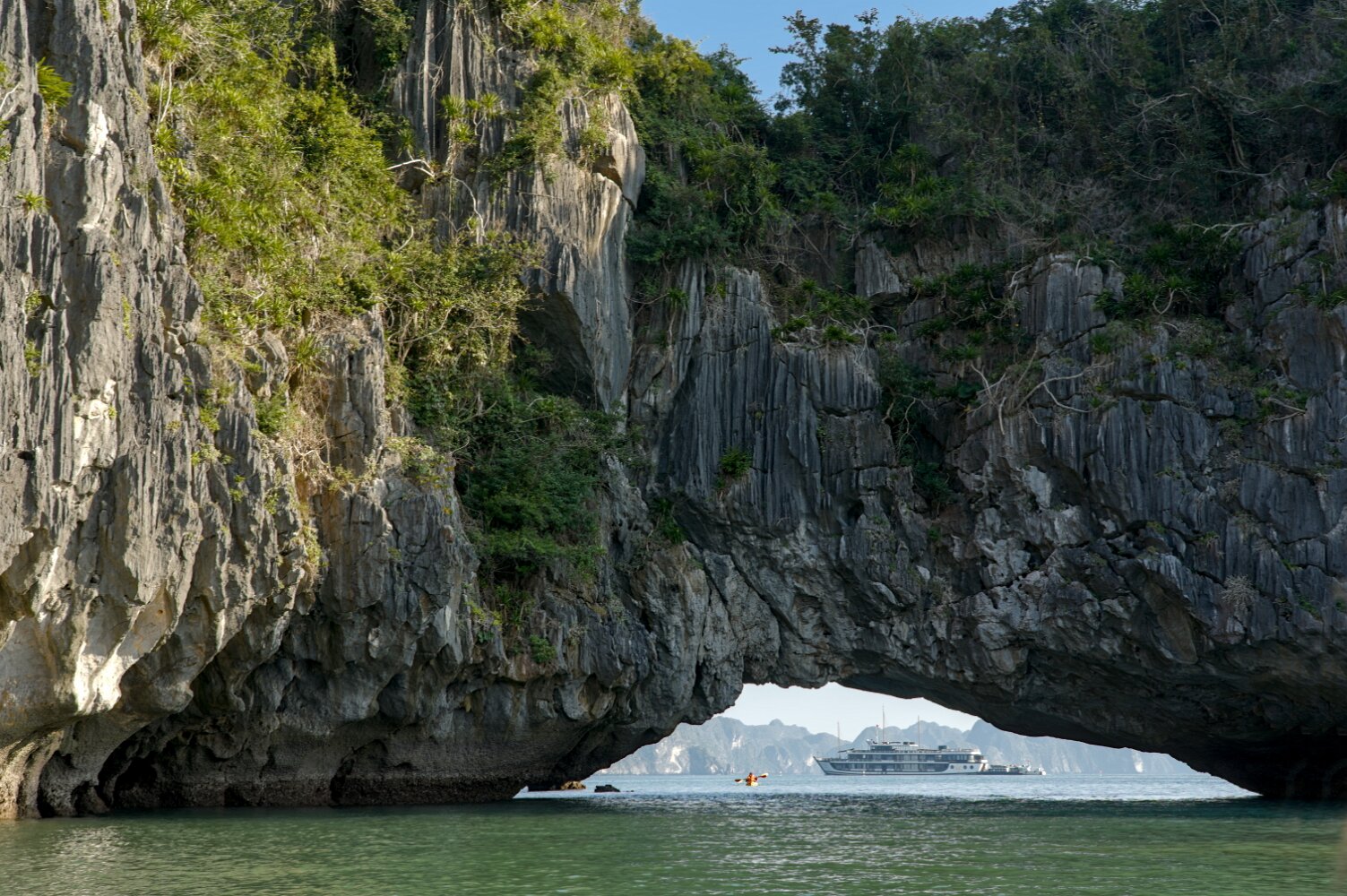
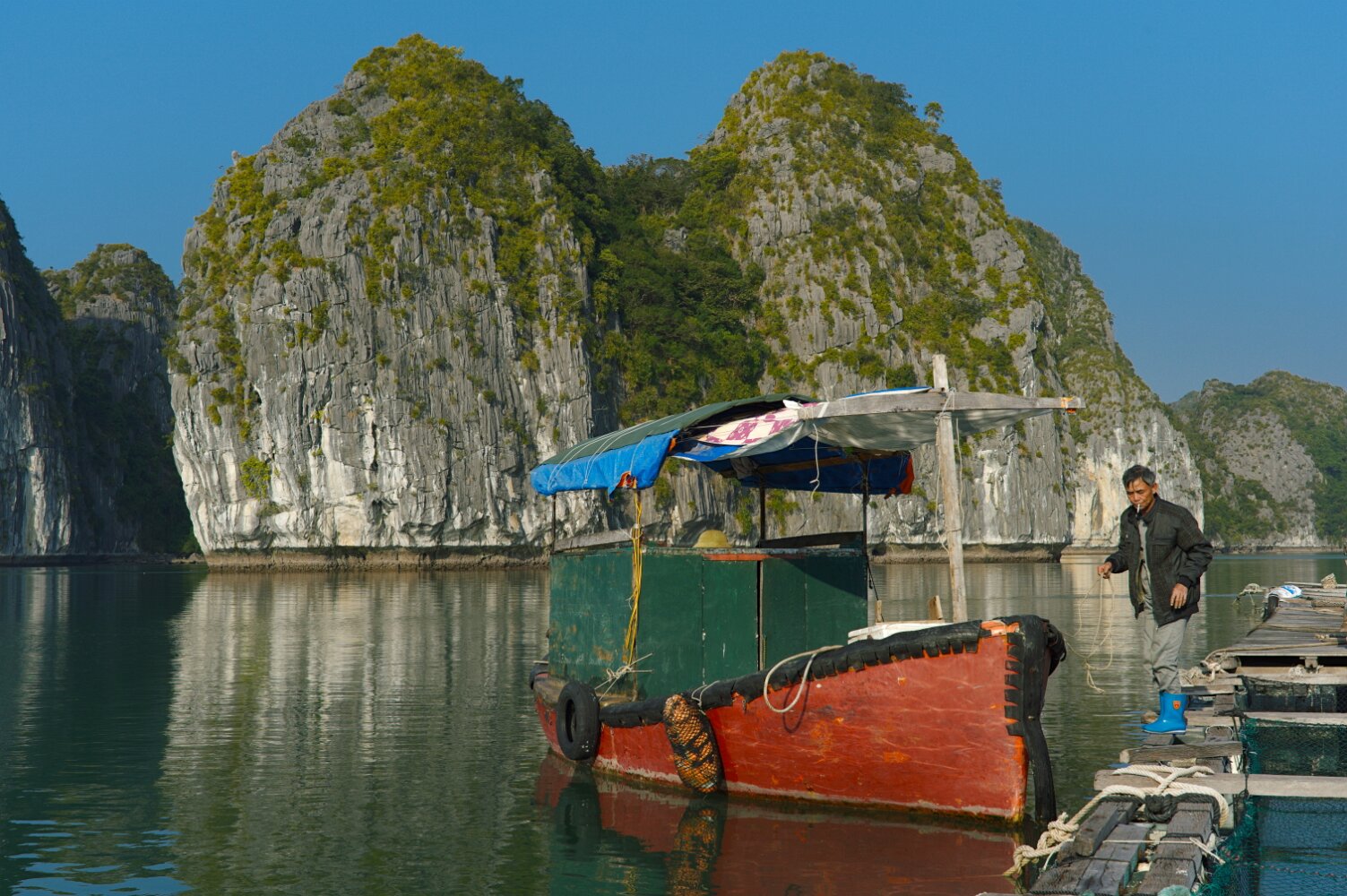
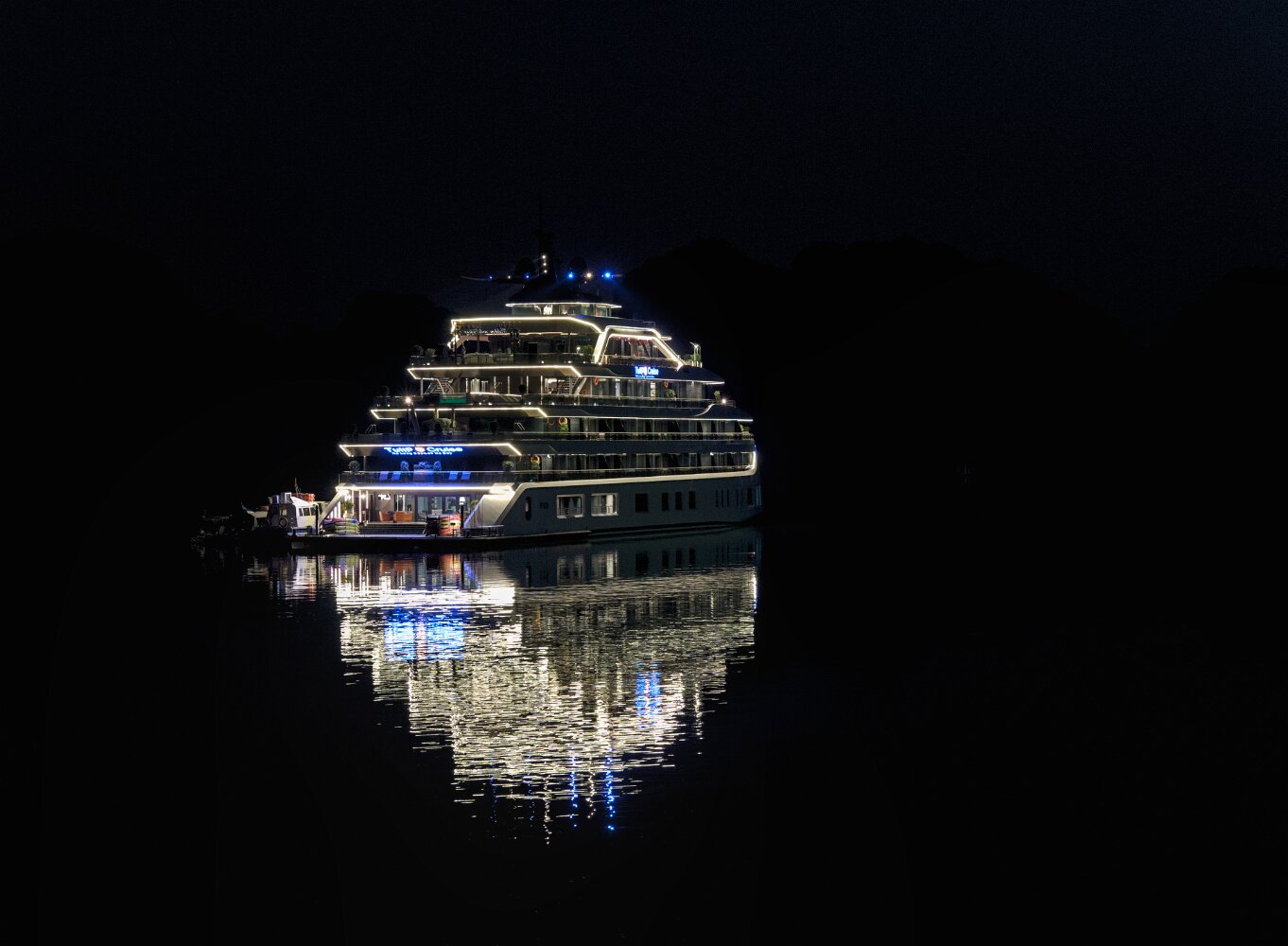
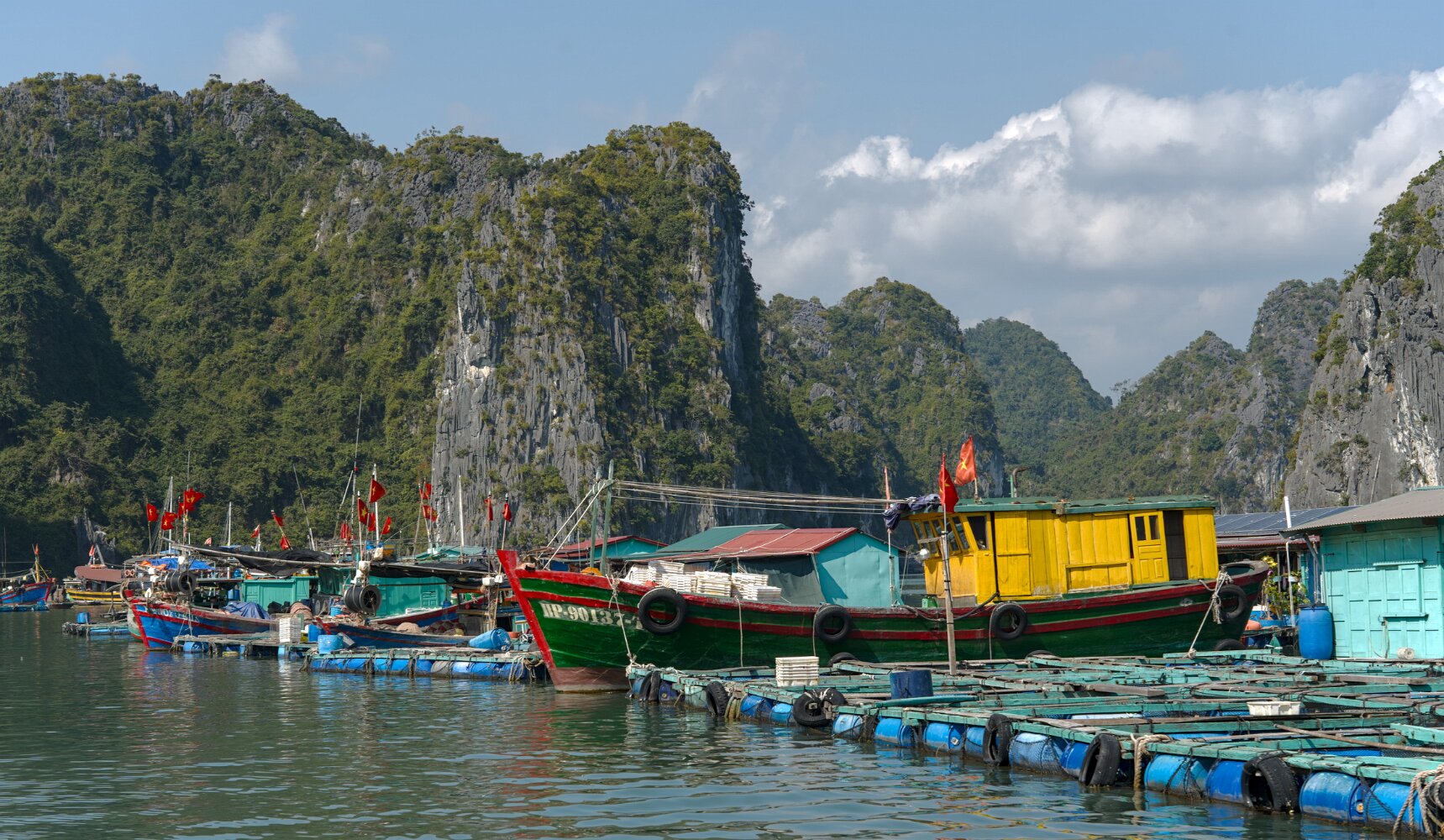
A peaceful and enjoyable two-night cruise around Lan Ha Bay and Cat Ba Island.

Ninh Binh
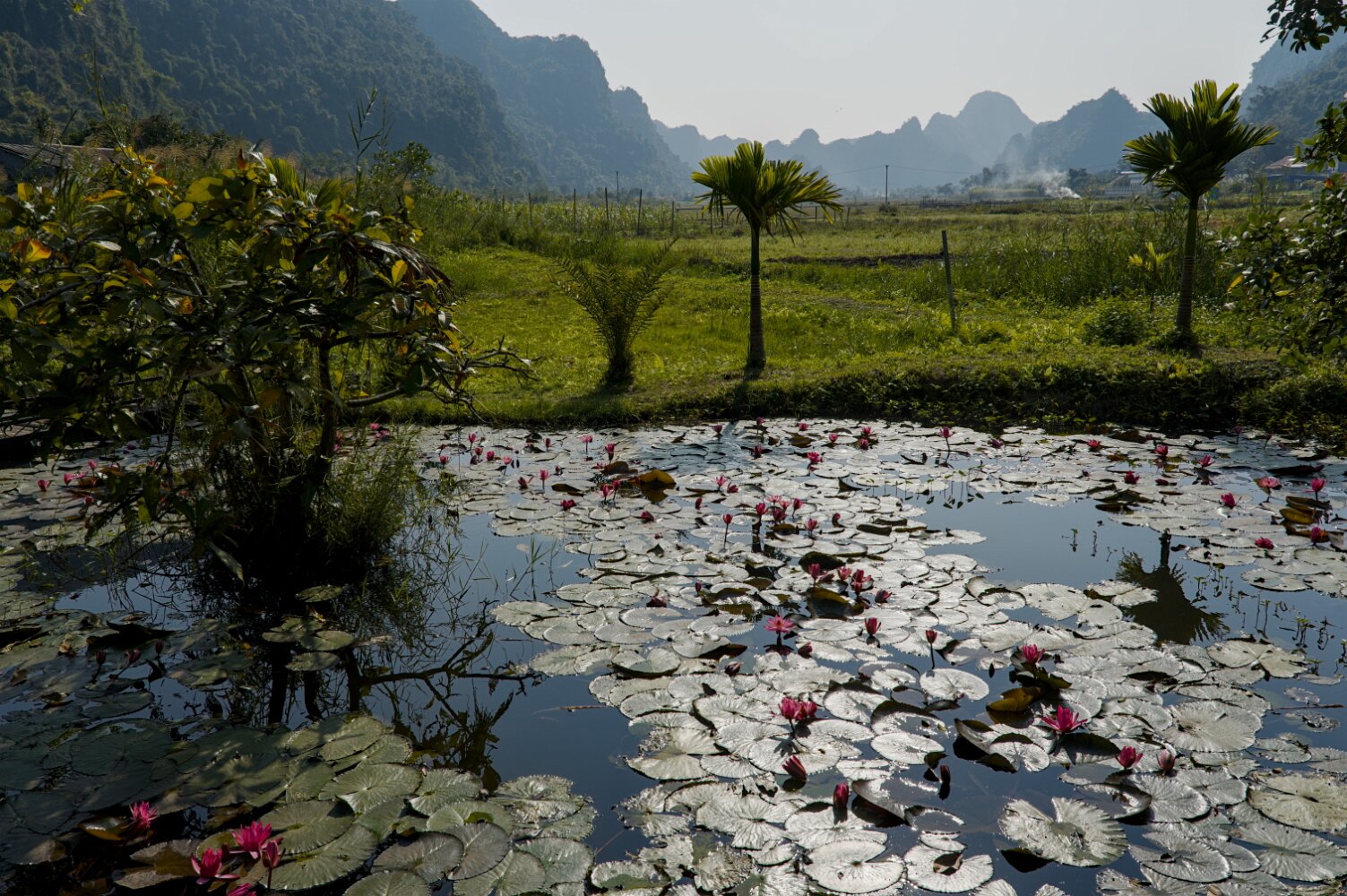
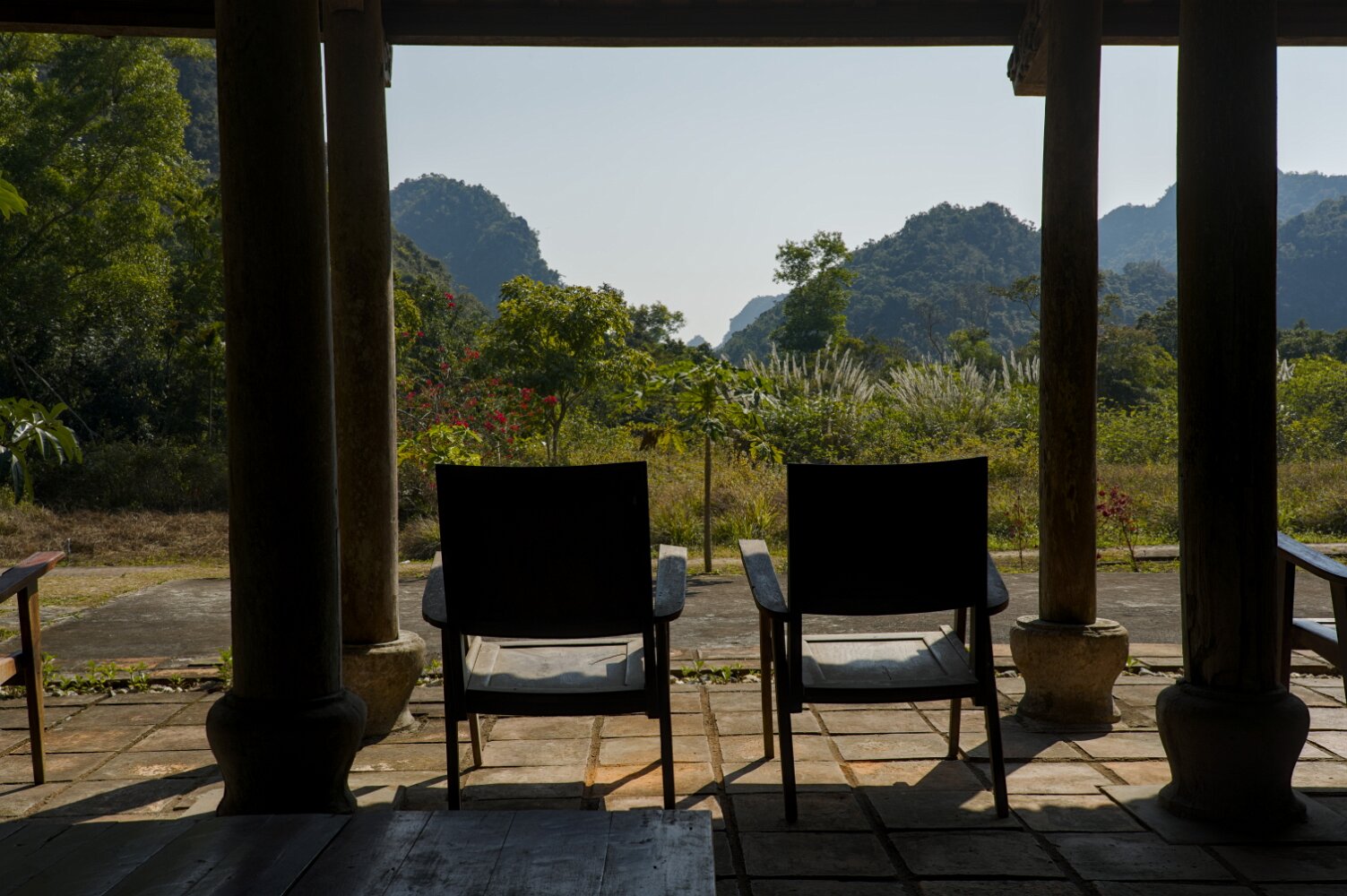
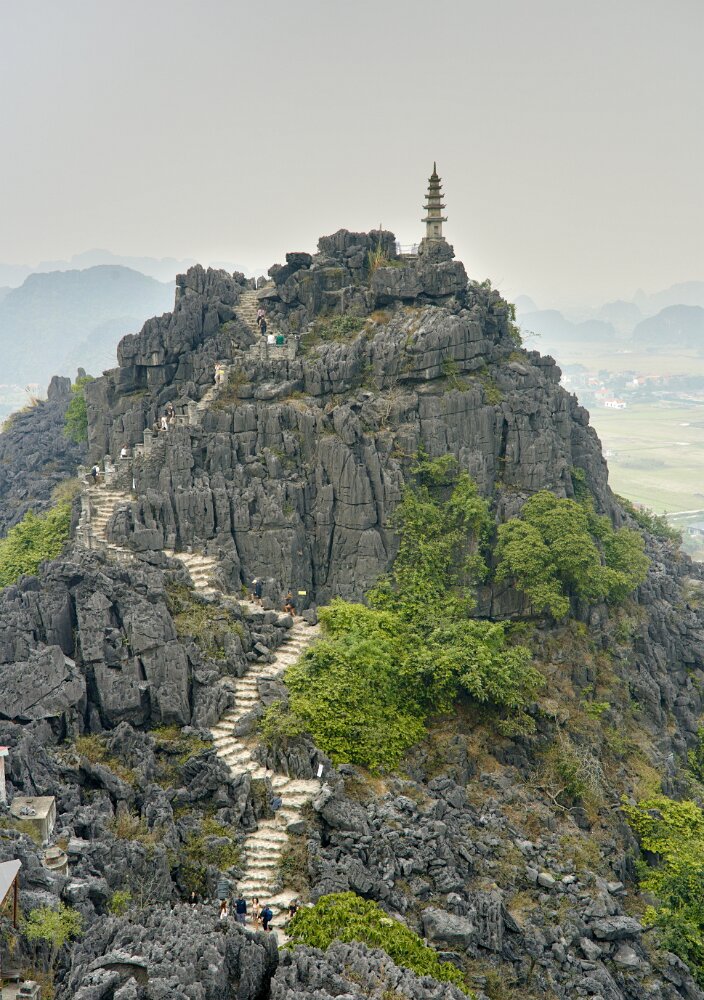
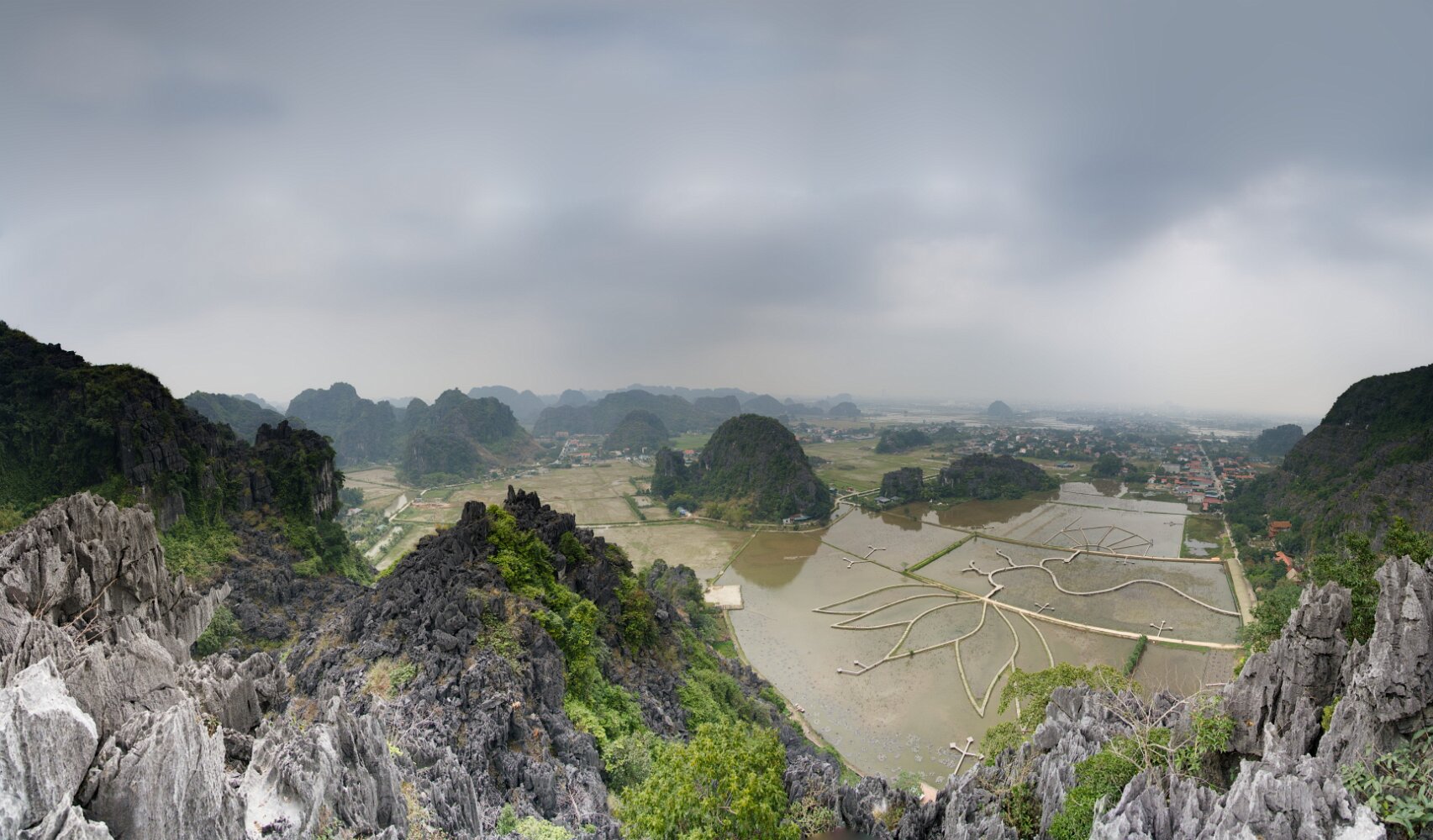
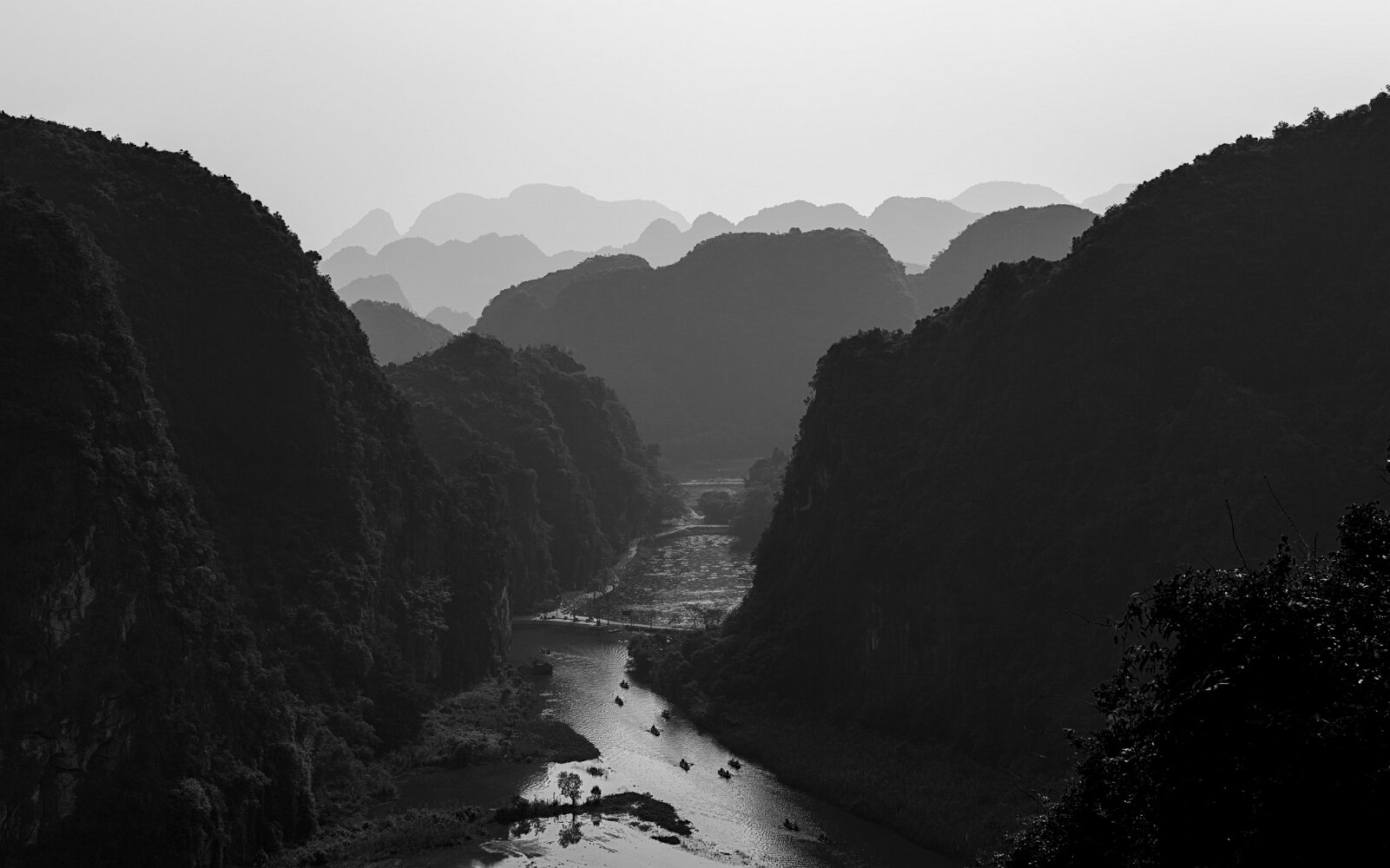
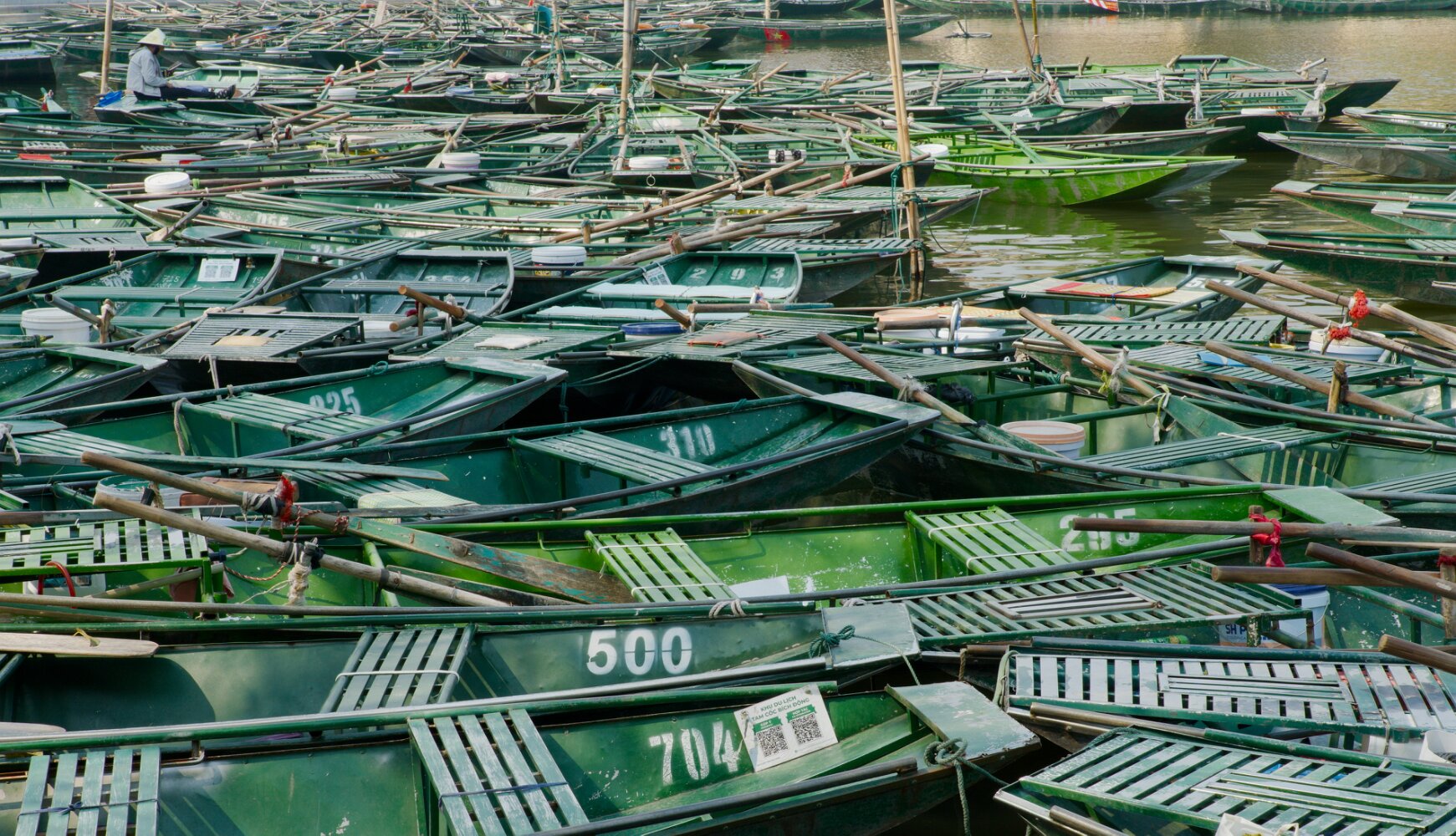
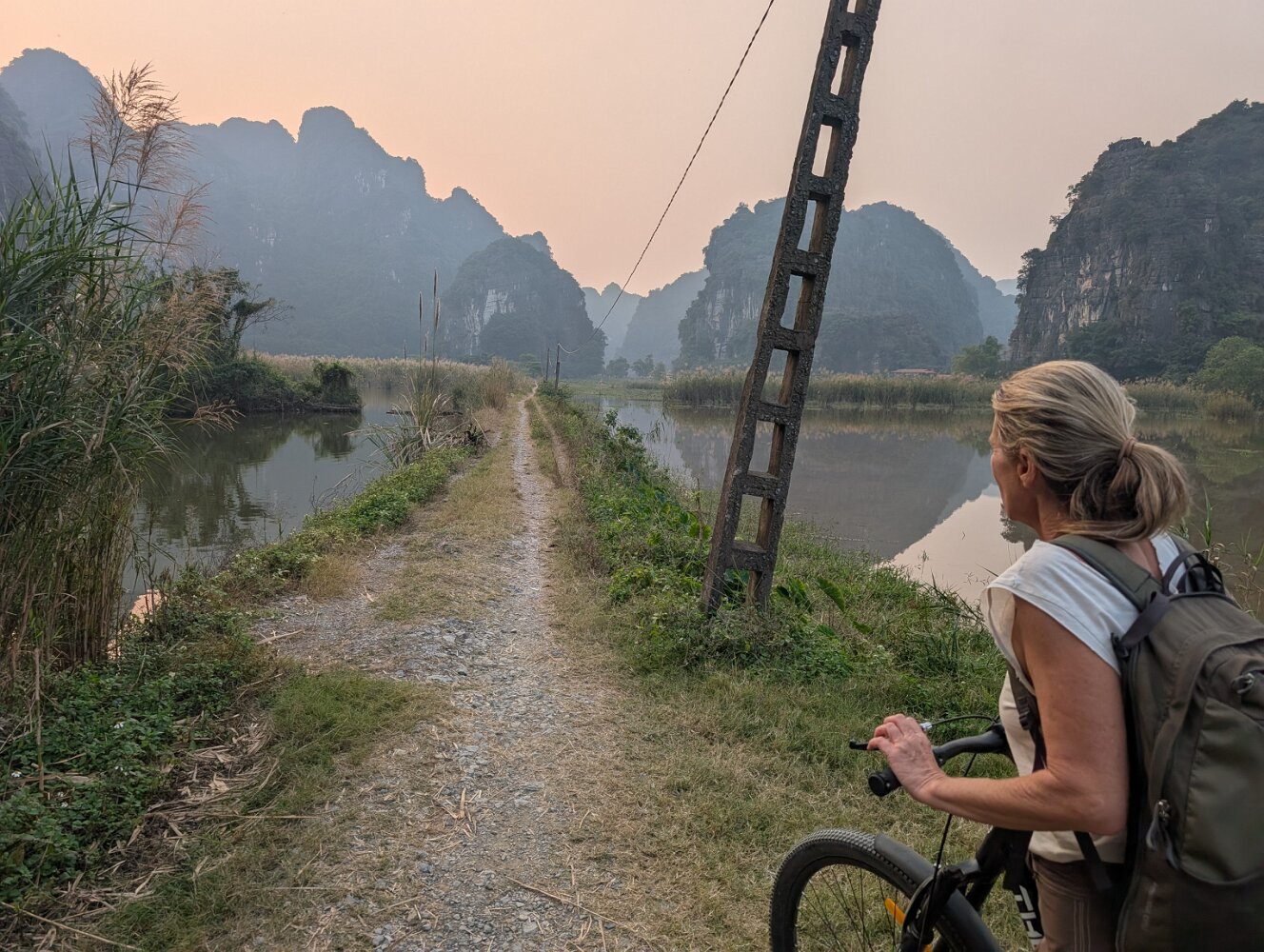
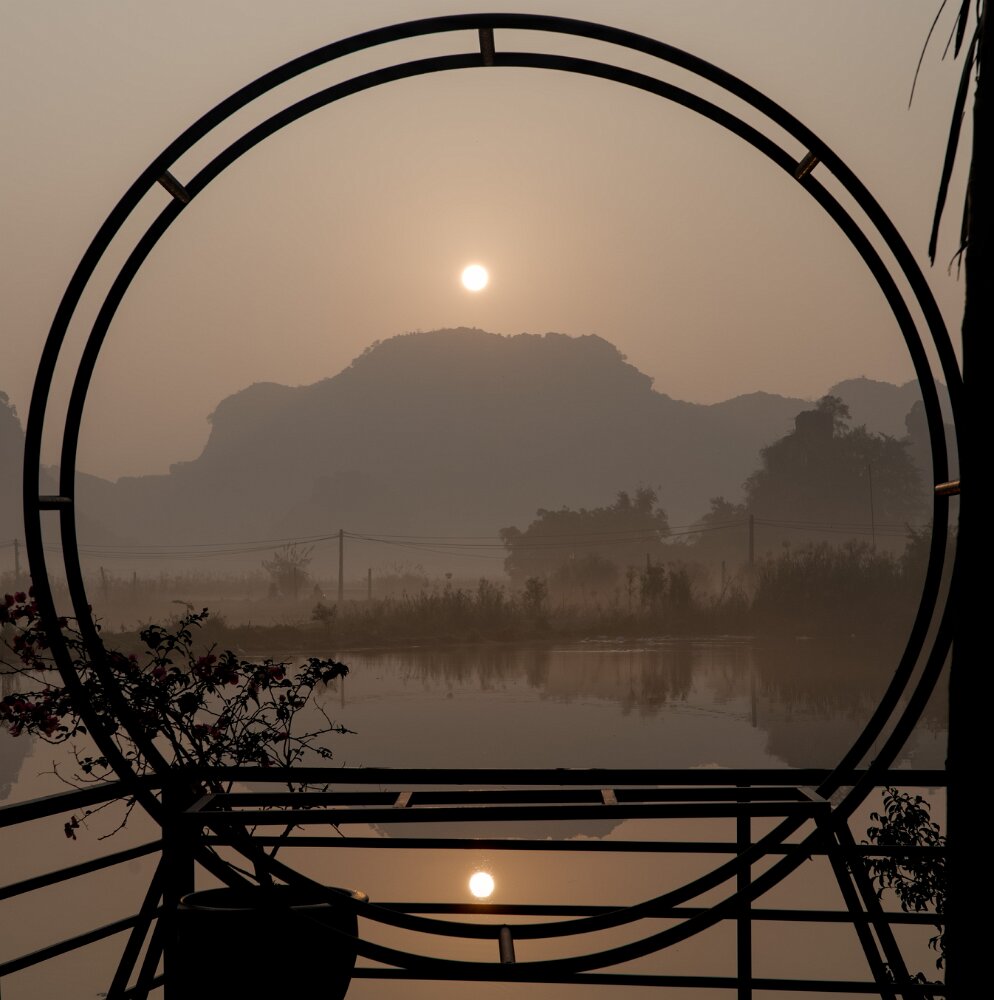
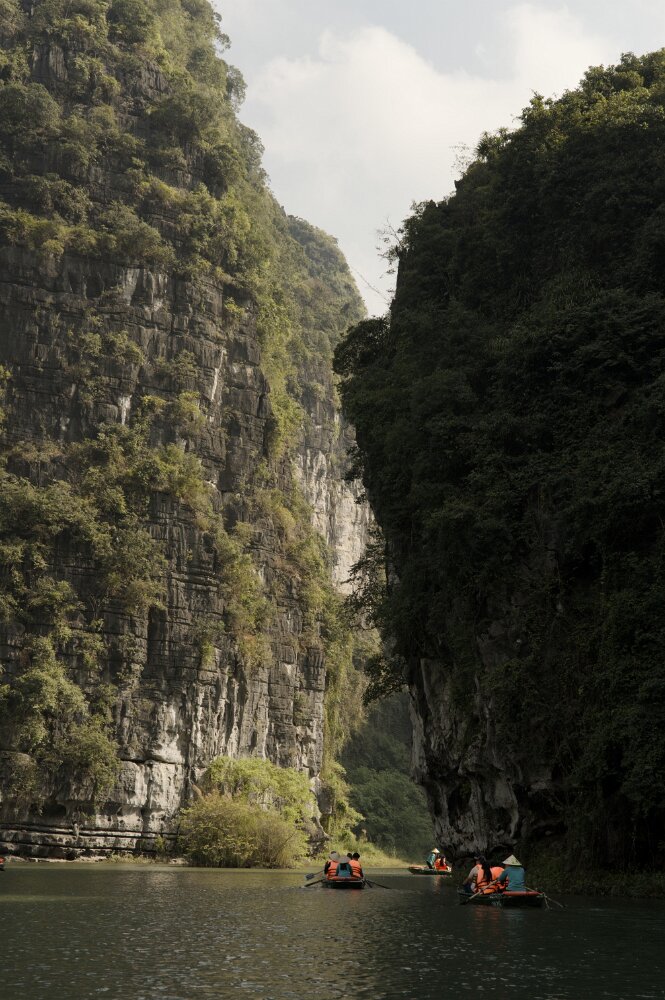
After a long bus ride from Cai Beo, we settled in our placid "Mountain Side Bungalow", strategically located between the towns of Tam Coc and Trang An, and just a short bicycle ride from twin-peaked Ngoa Long Mountain. A rowboat tour with a charming local through wetlands and kilometer-long caves was a highlight. The bad air (persistent throughout all our Northern Vietnam experience) was a low point.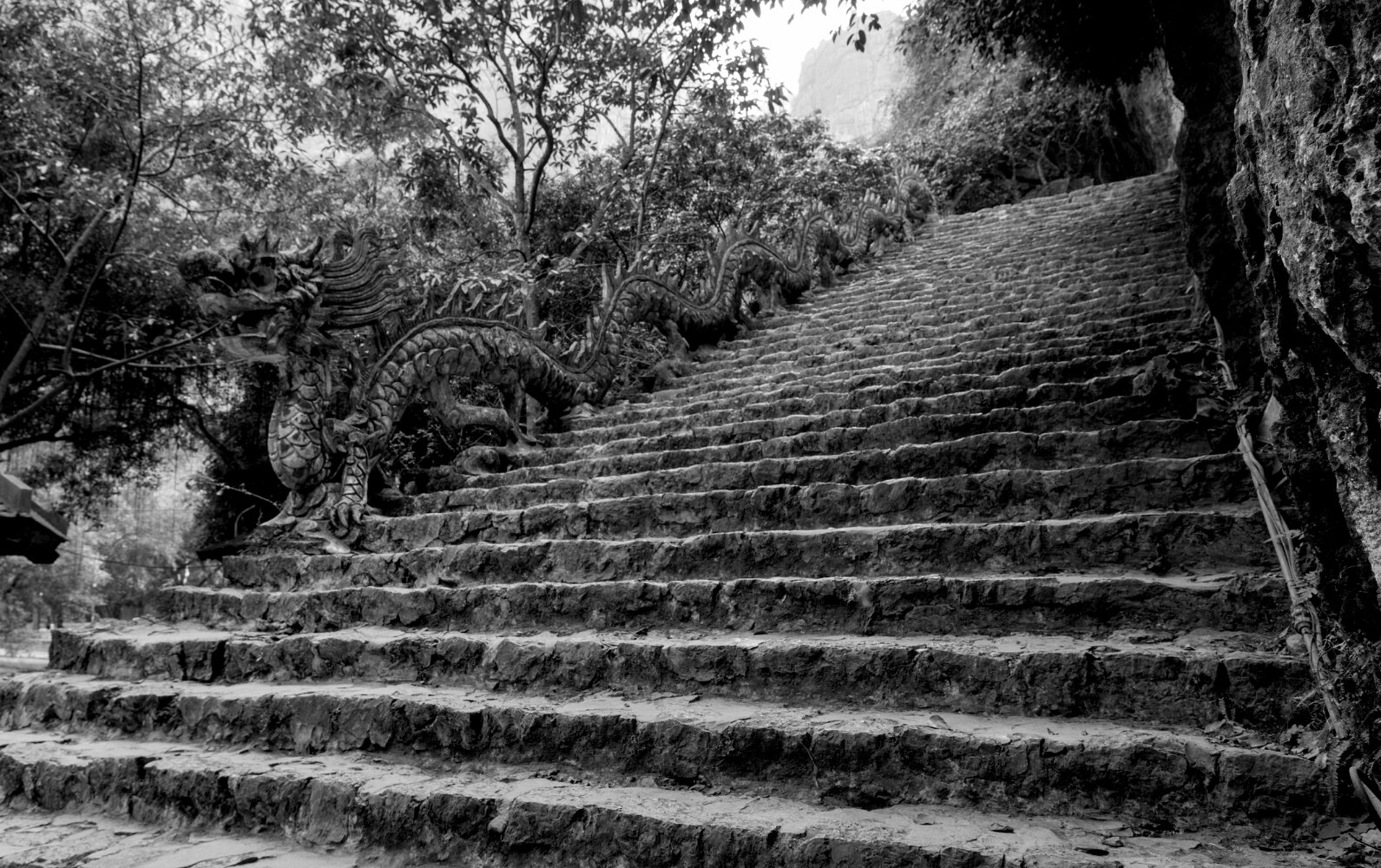
Hoi An
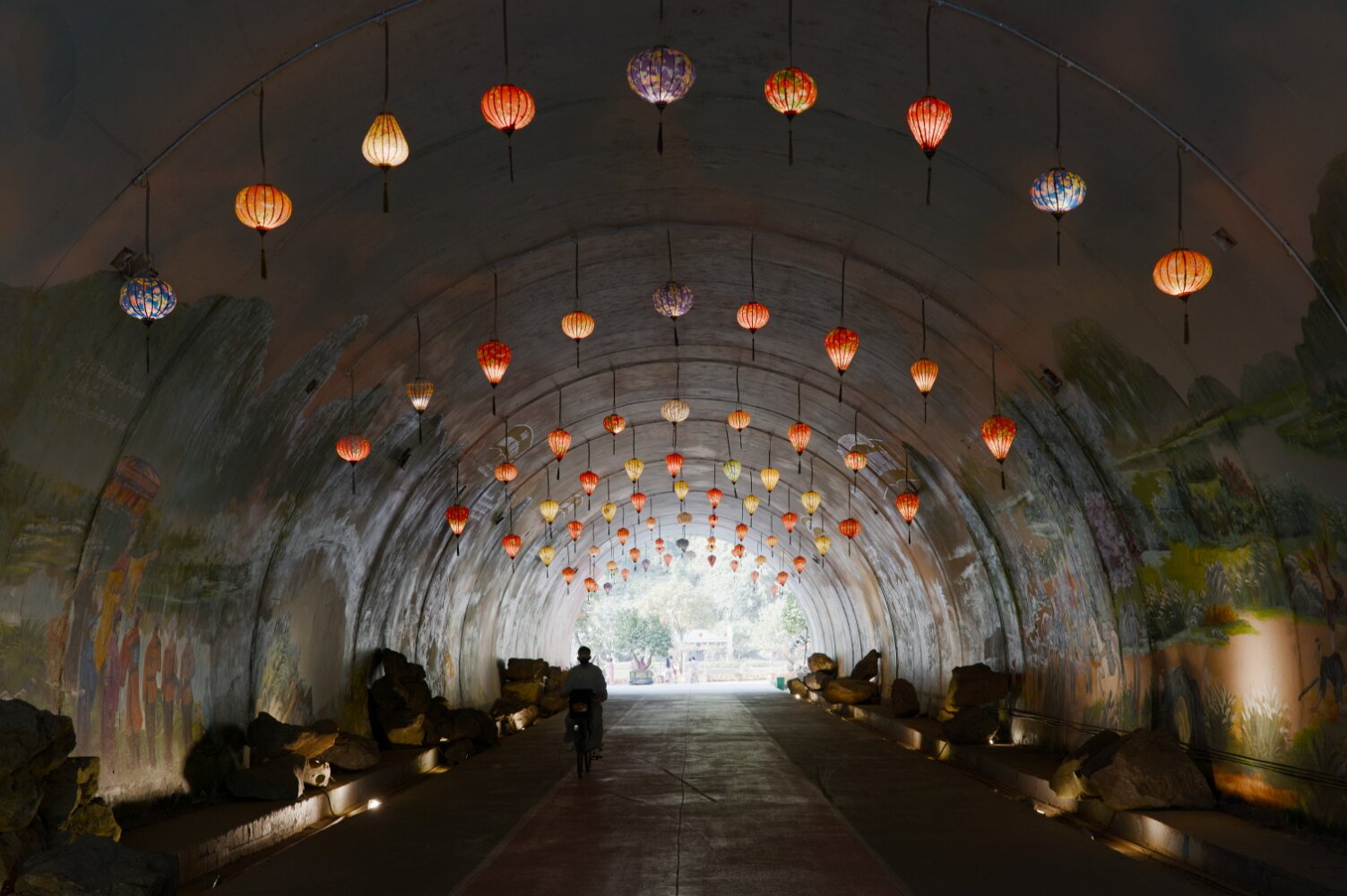
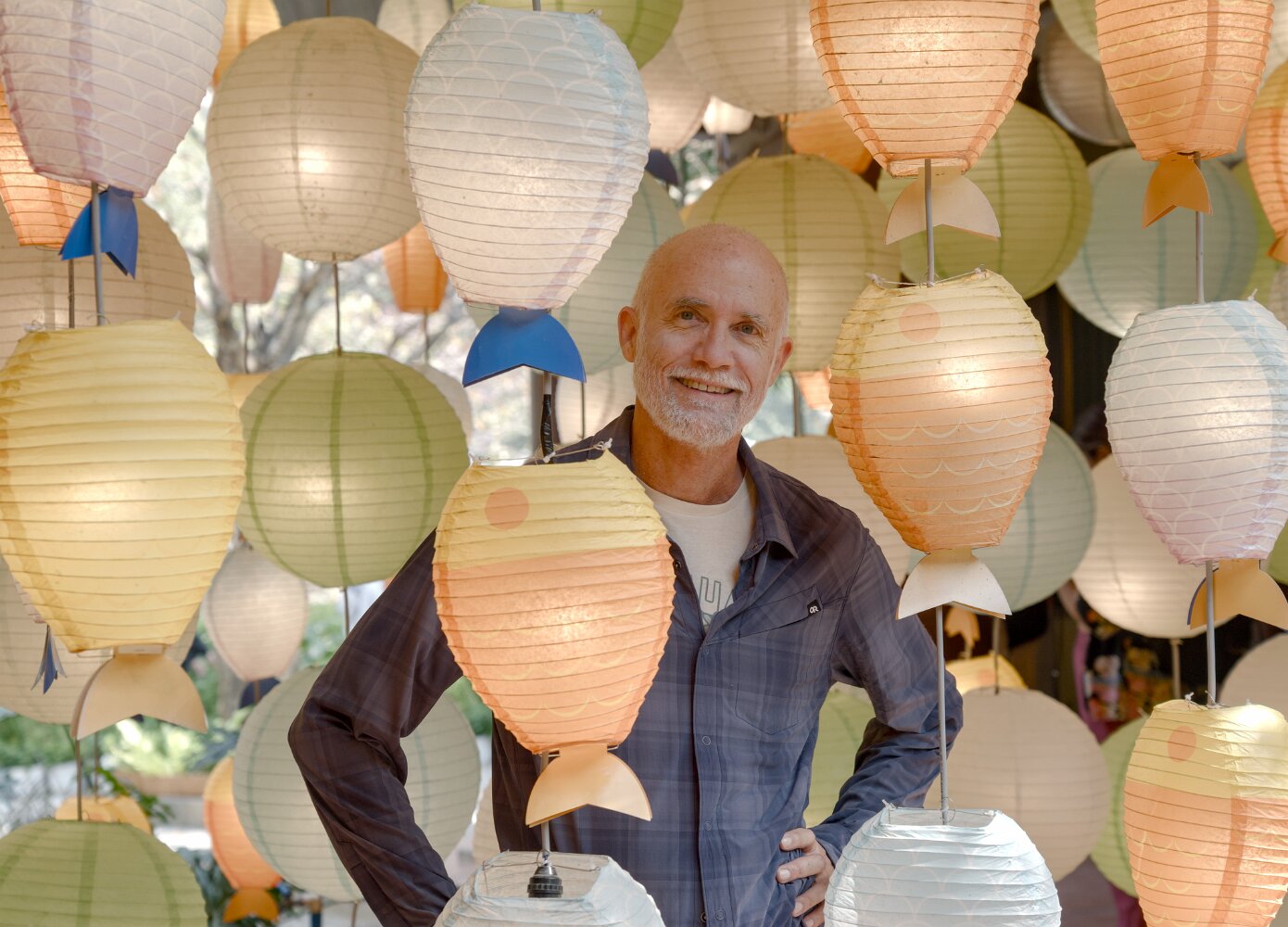
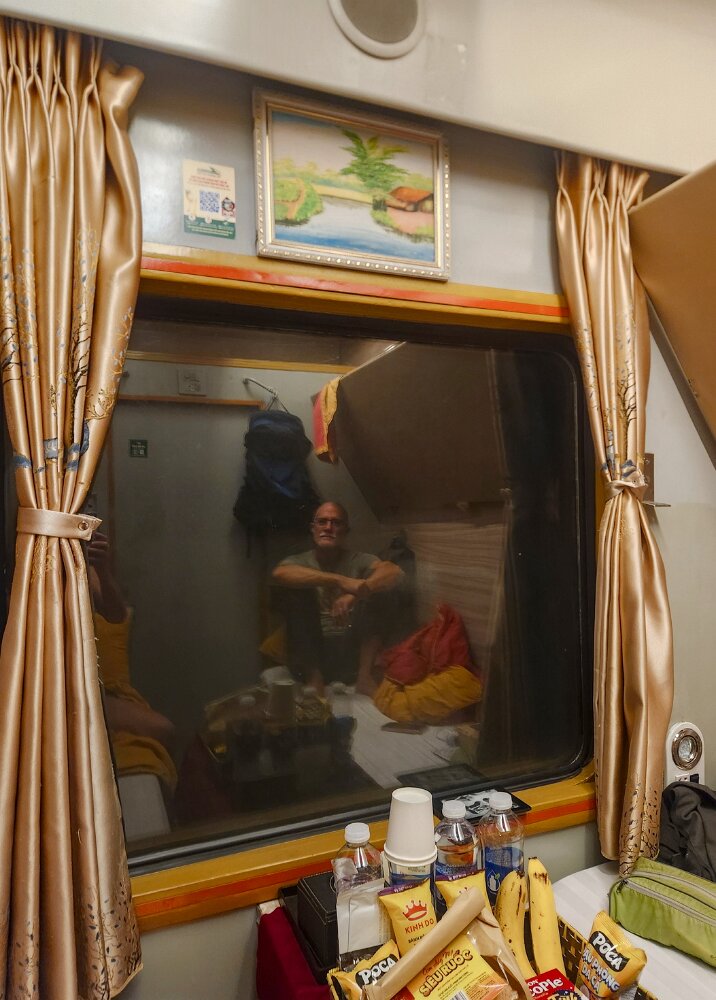
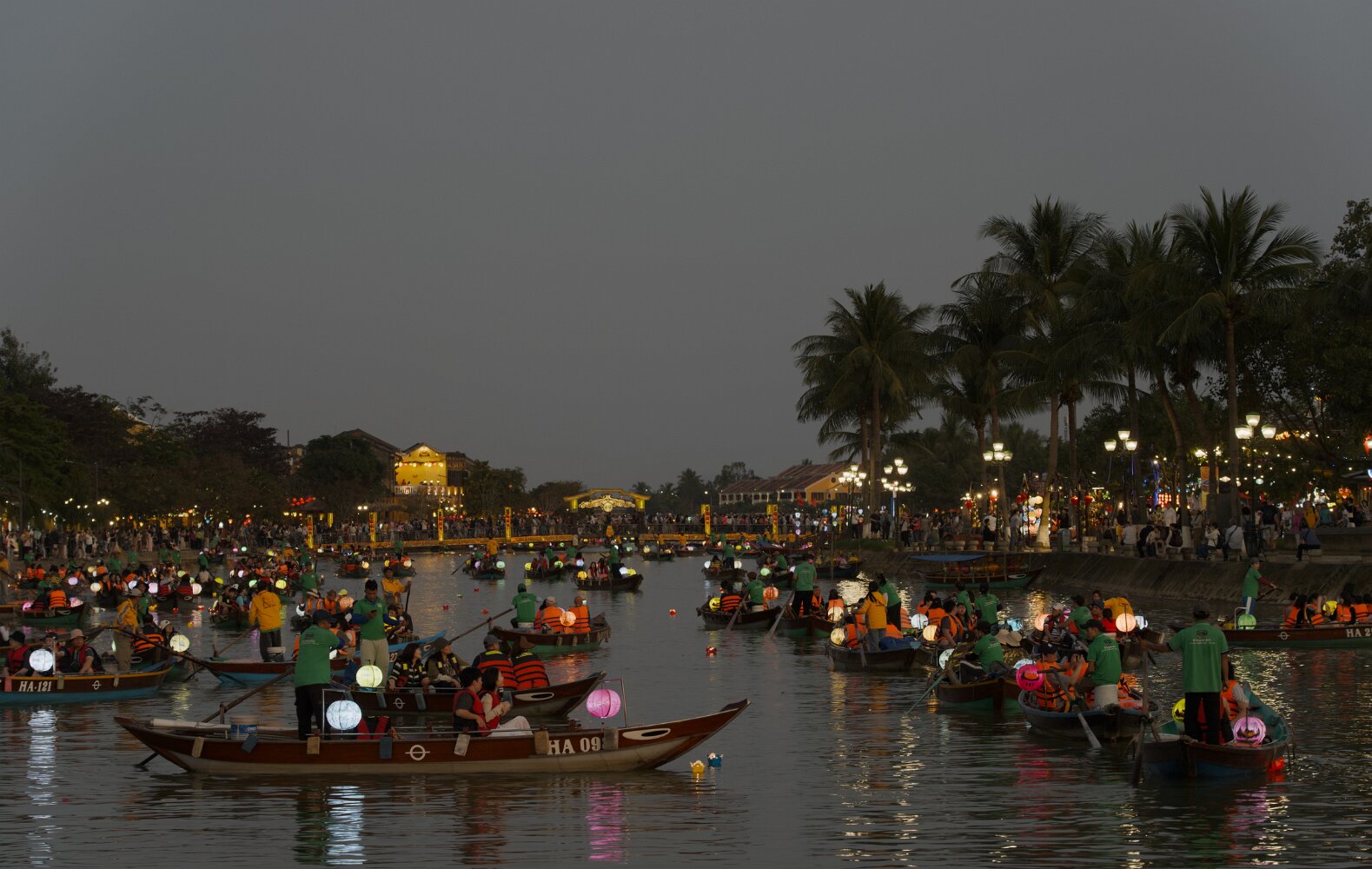
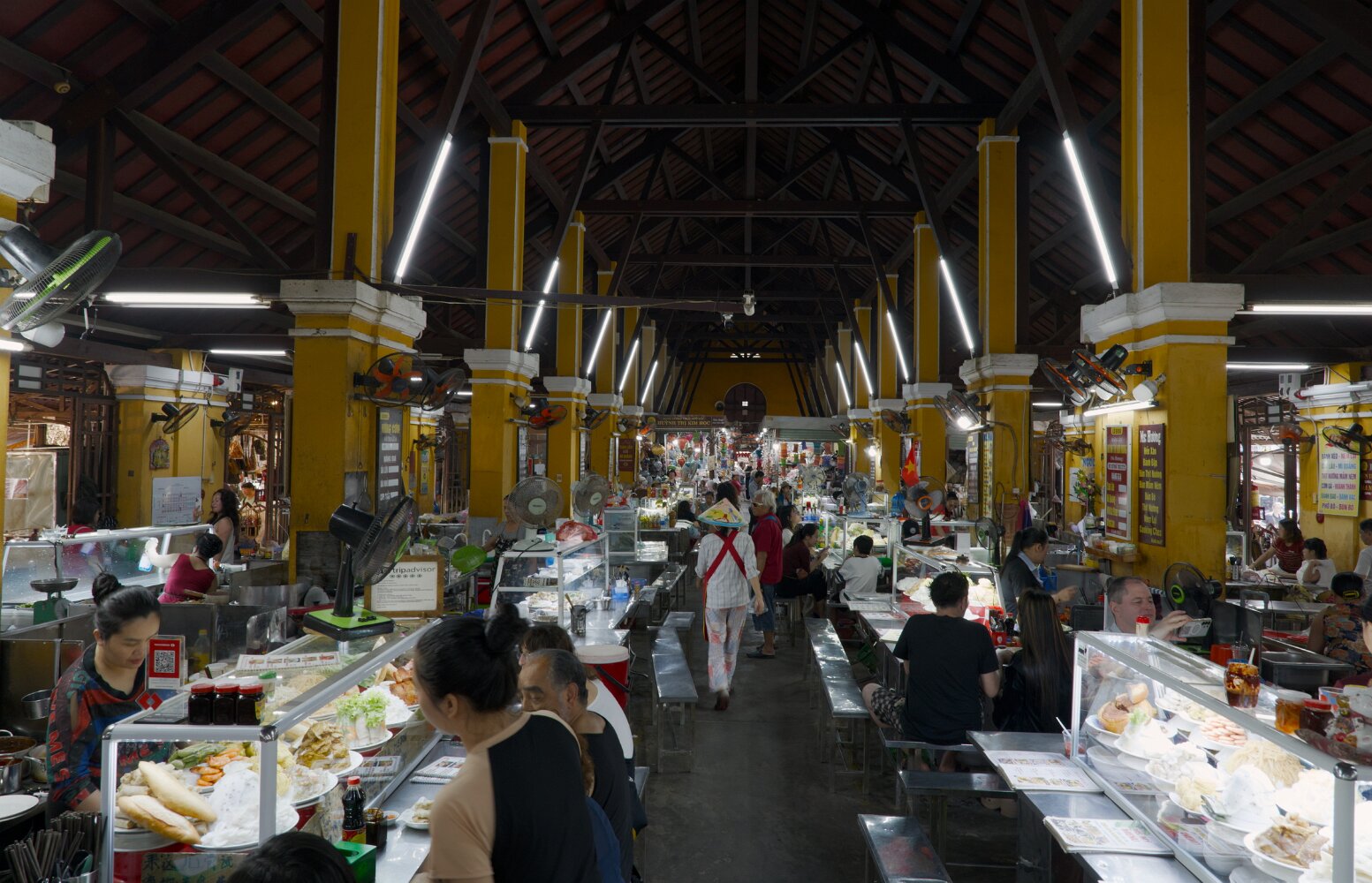
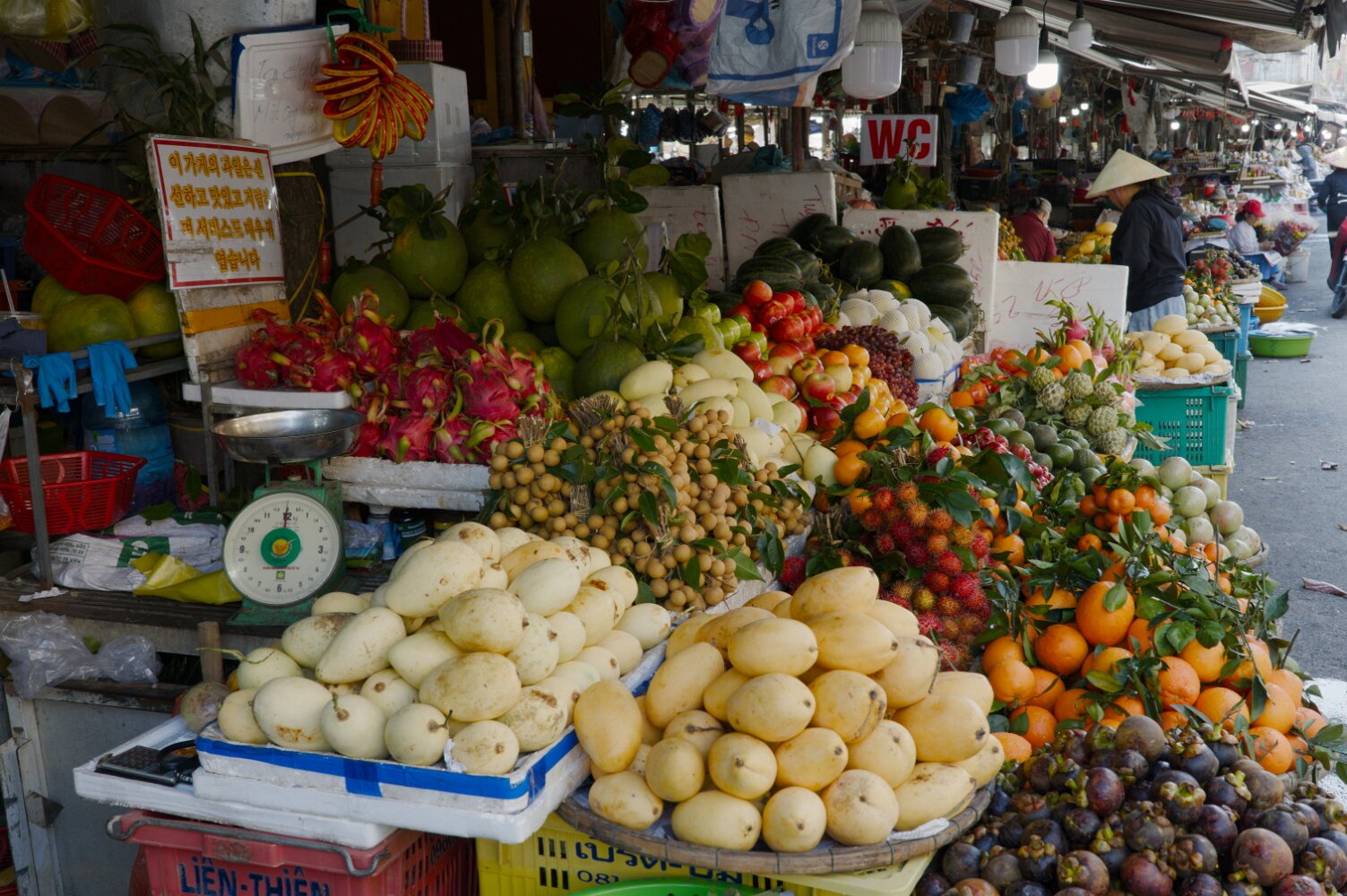
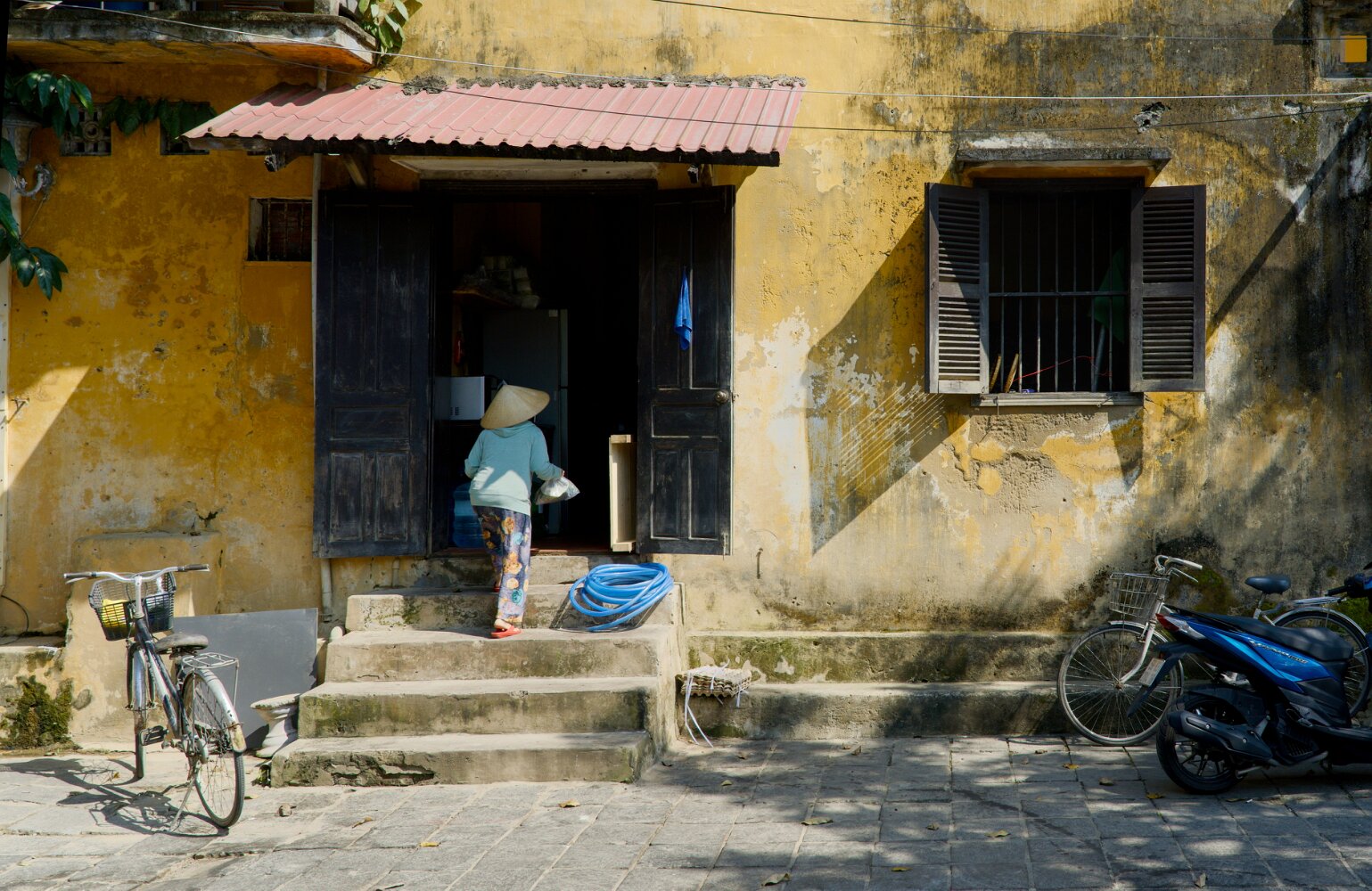
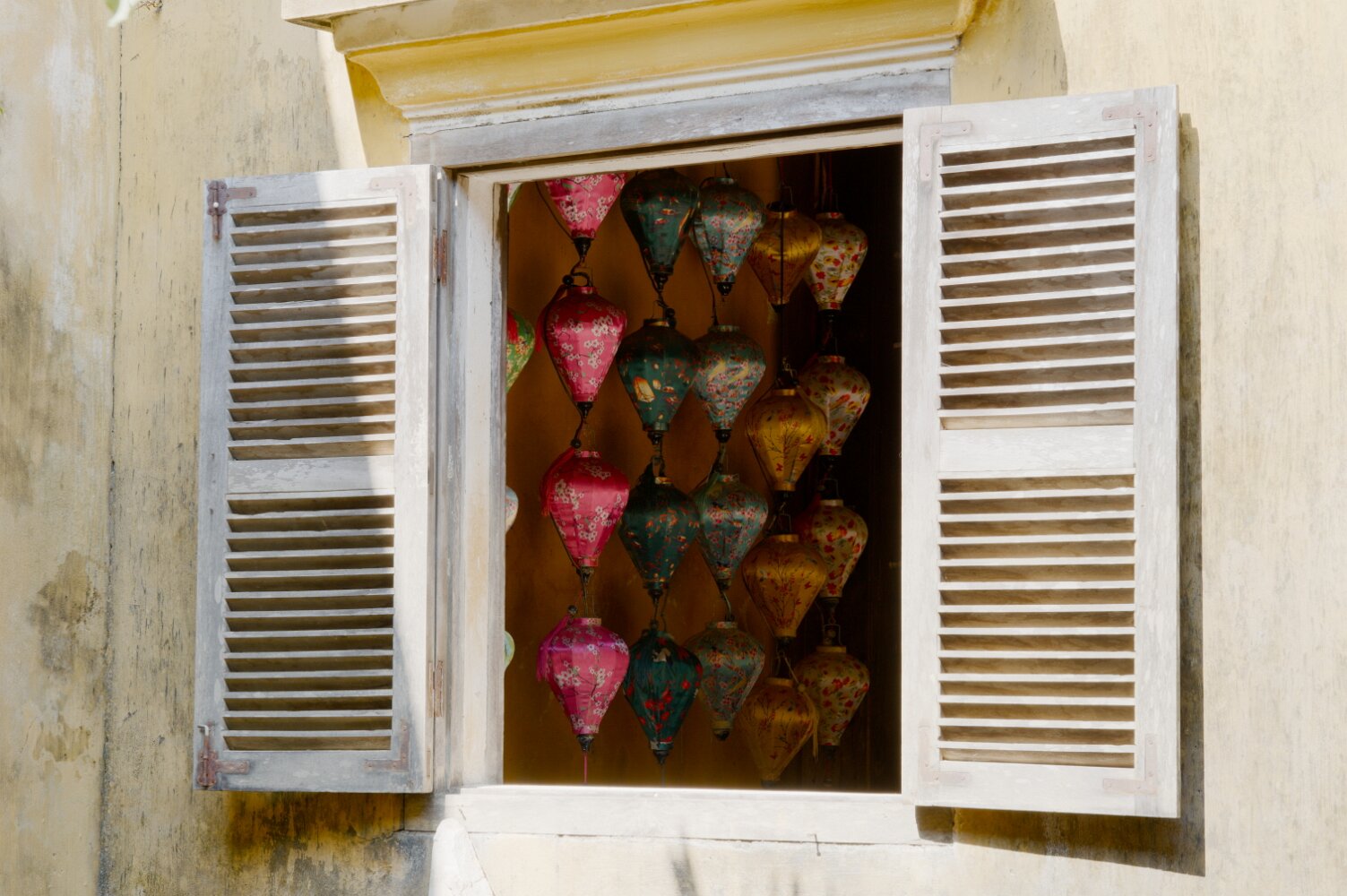
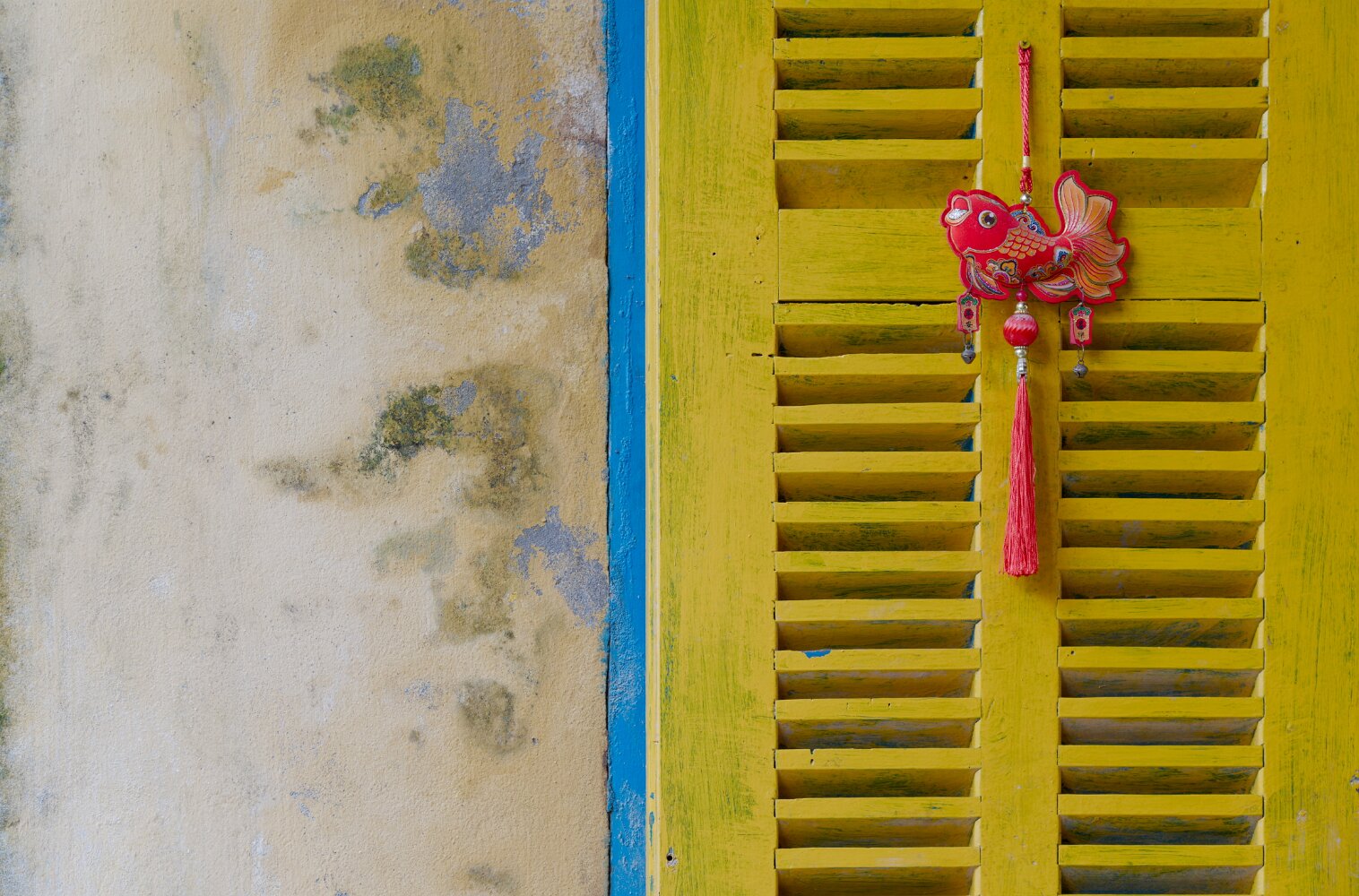
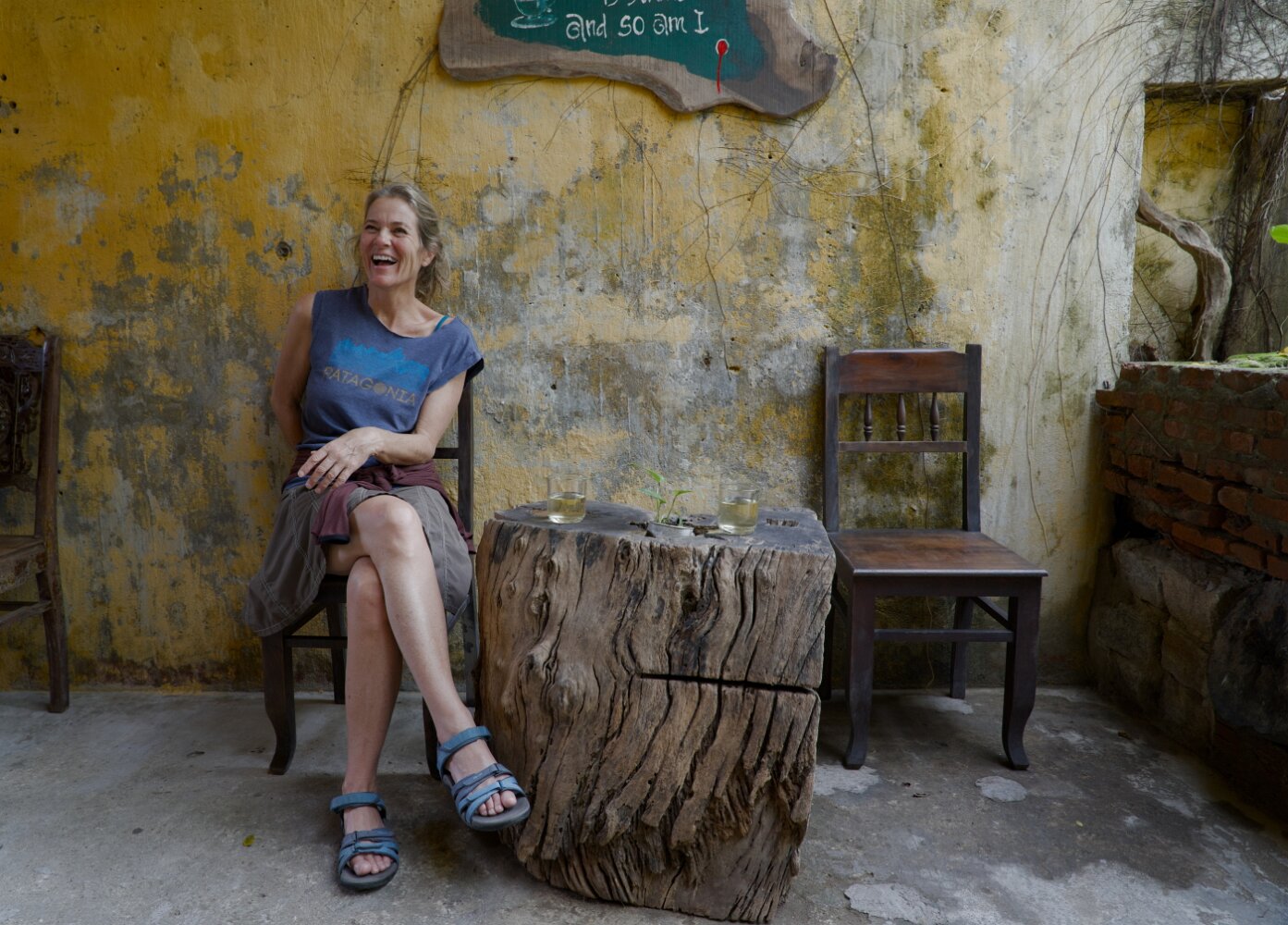
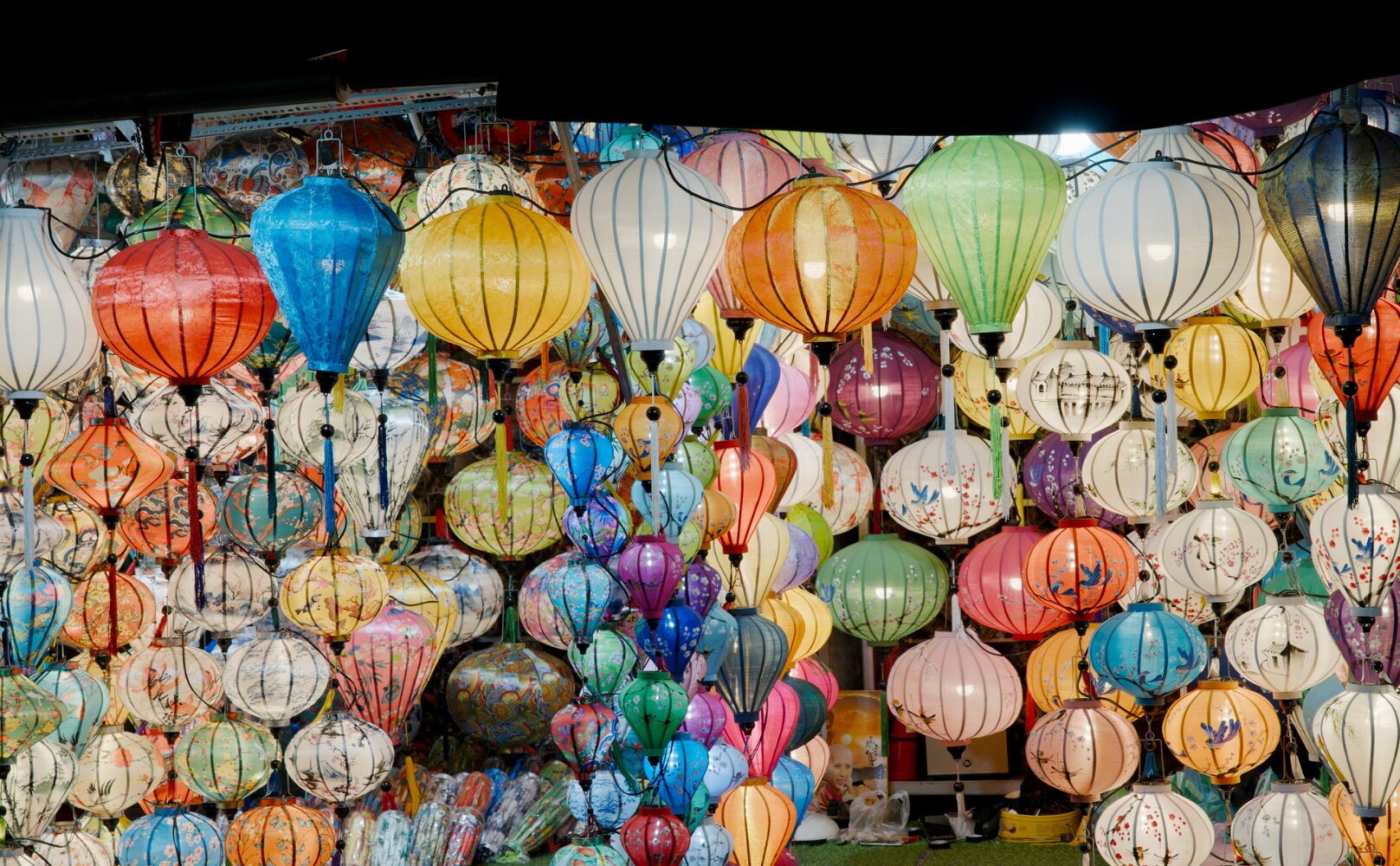
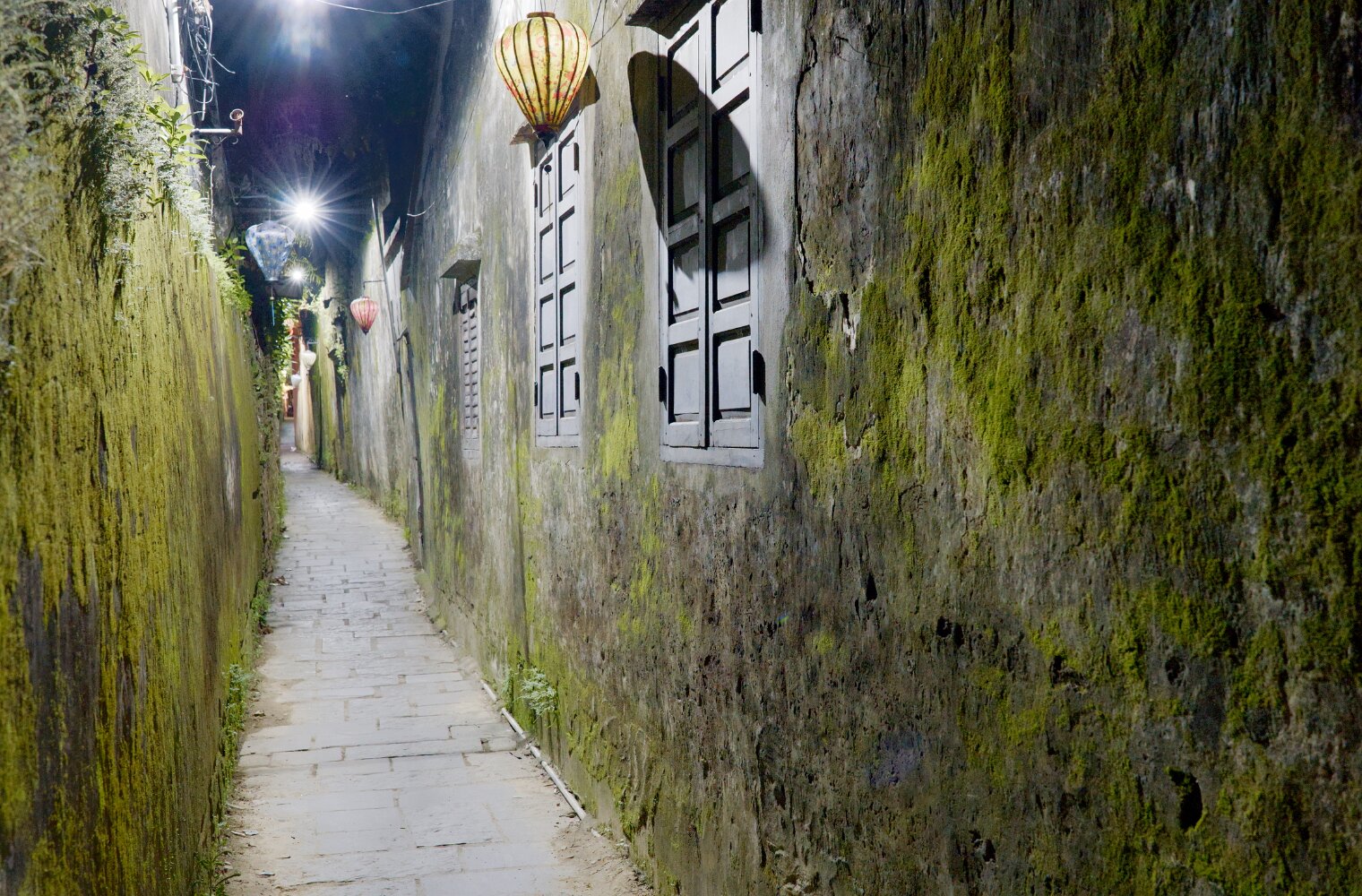
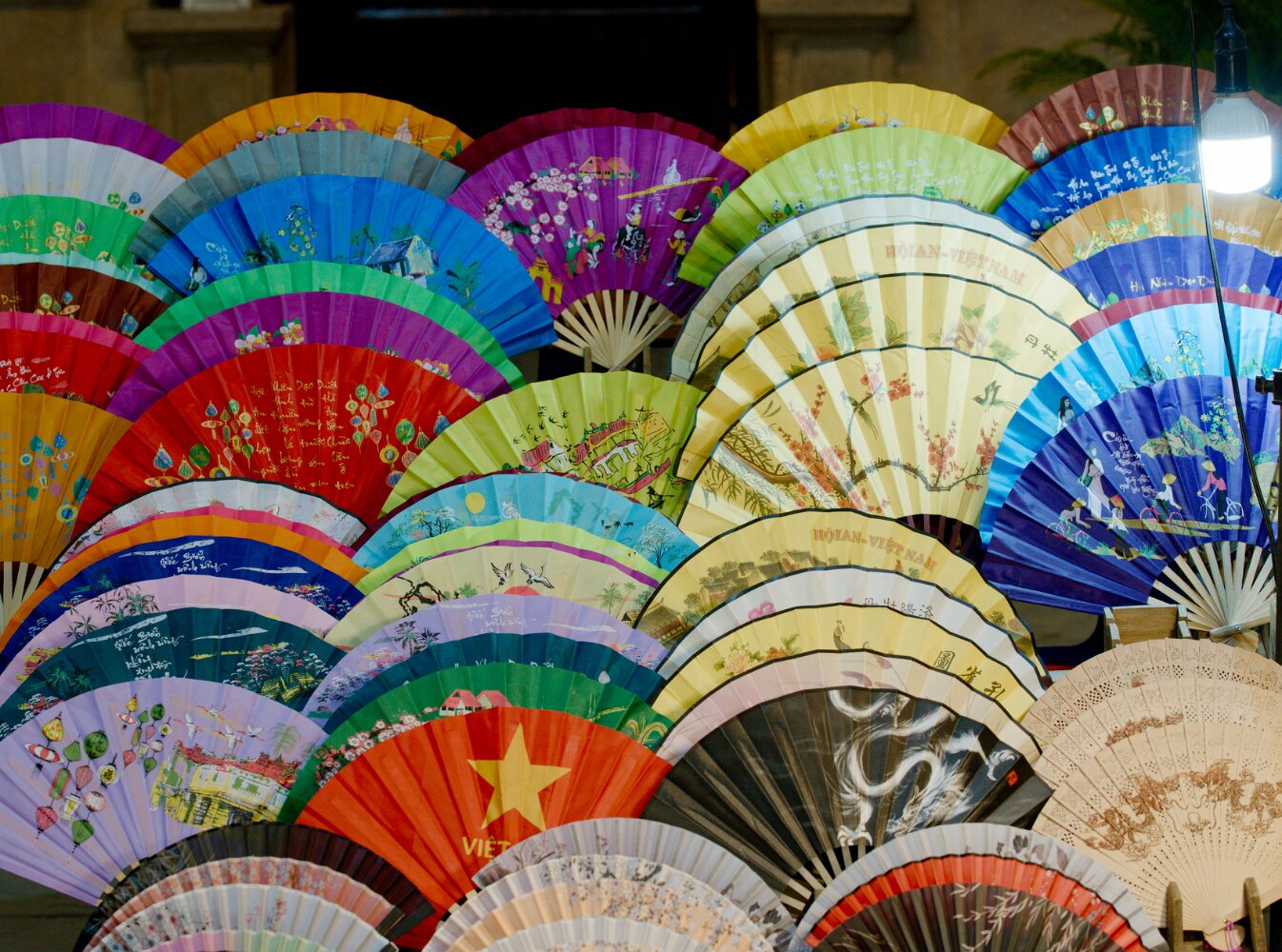
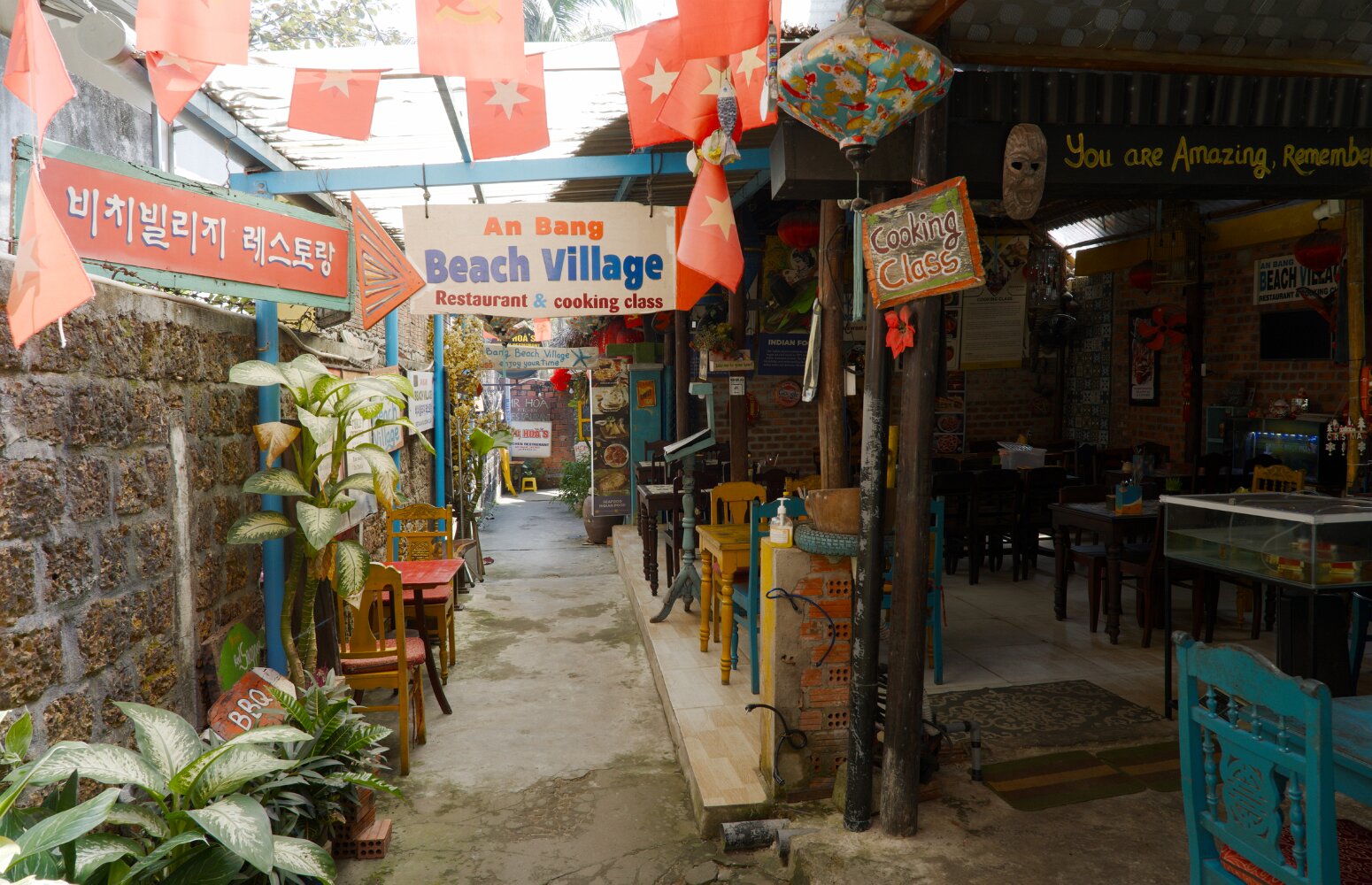
From Ninh Binh we took a 14-hour overnight train to Da Nang, which placed us only a taxi ride away from Hoi An. We got a cozy cabin with two beds in the train, but the ride was less romantic than I envisioned. The constant banging from some grease-lacking mechanism under the carriage, plus an incipient cold did not help. None of that mattered once we reached Hoi An, the crown jewel of Vietnam. A UNESCO World Heritage Site, and one of Asia's most active ports in centuries past, the old town is described as a living museum.
The much better air and the exclusion of motorized vehicles in the old town were a great respite from the craziness of Northern Vietnam cities. Dealing with the huge crowds of tourists was not too burdensome (and it's reciprocal anyway, since THEY had to deal with US!).
Coffee is culturally significant in Vietnam, but it was not until Hoi An that we finally tried the three most famous coffee beverages: salt coffee (salty, sweet, and bitter, with salt and condensed milk); coconut coffee (also with condensed milk); and egg coffee (with egg yolk and honey). All heavenly.
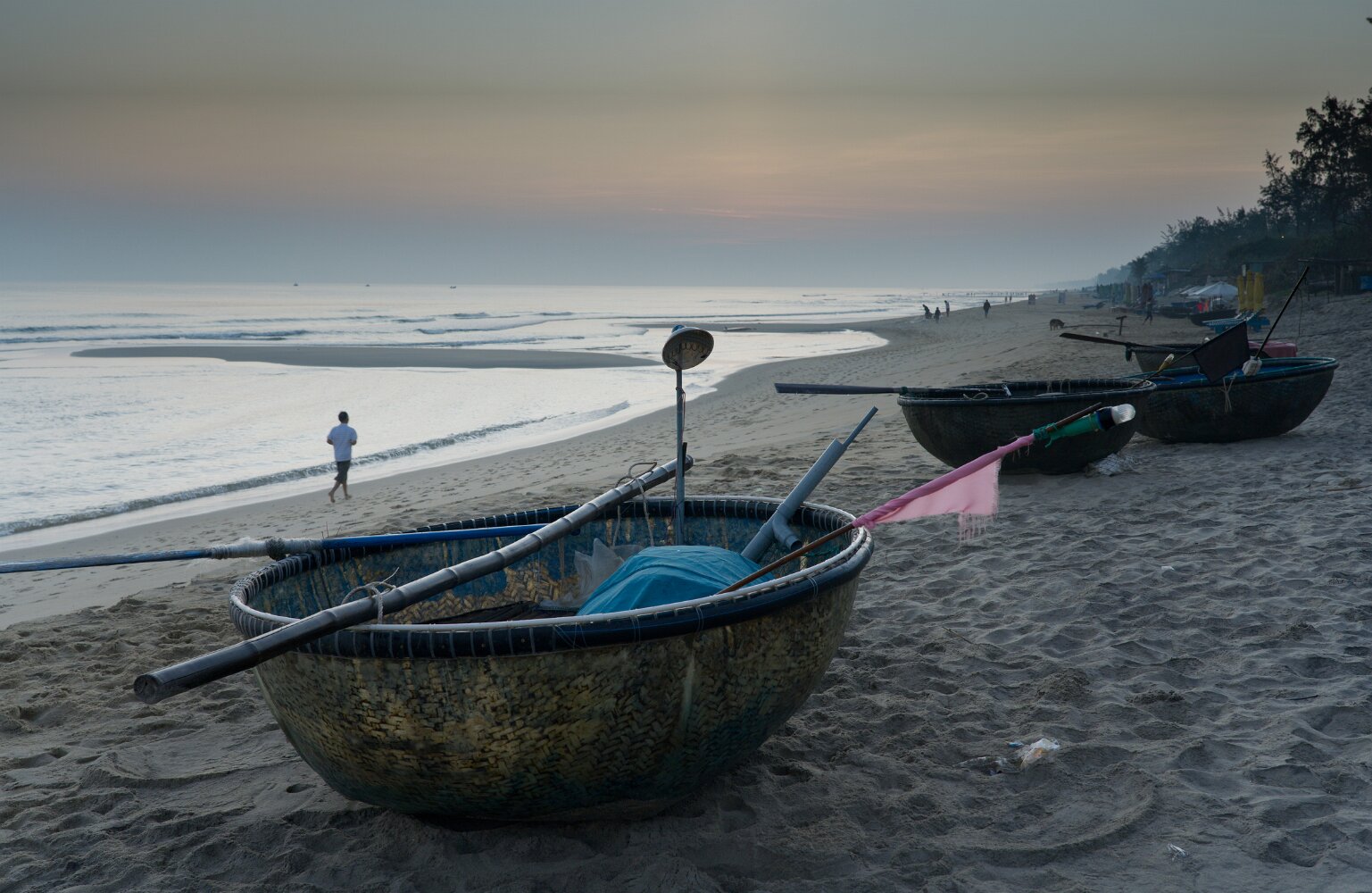
Traditionally from this region, the basket boats are an unusual sight, because they are perfectly round... boats! It is believed that when the French imposed taxes on boats during the colonial era, fishermen countered by building round woven "baskets" that just happened to also function as boats.
Hoi An is also known for its strong is tailoring industry, which comes from the days when the town was a hub of the silk trade.
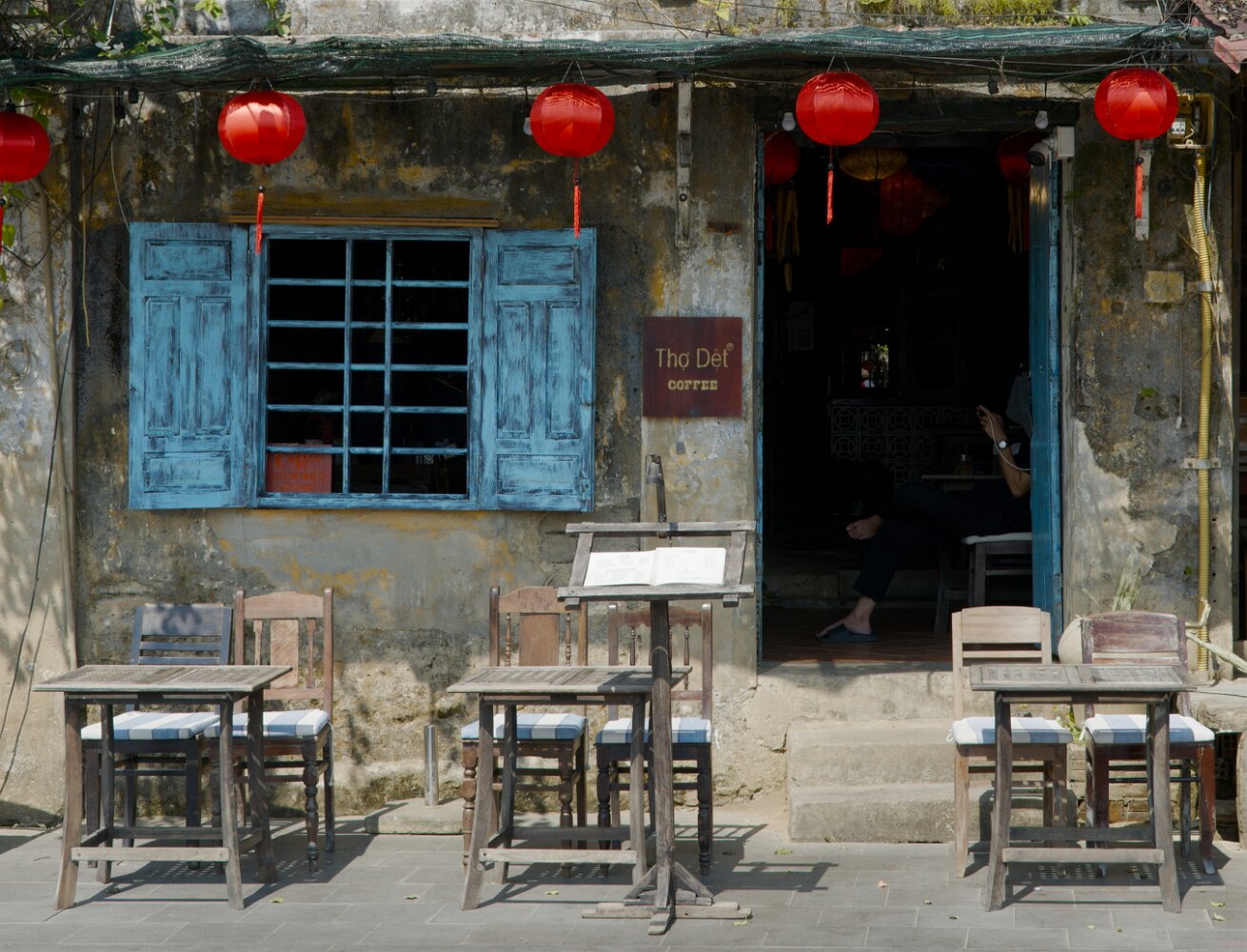
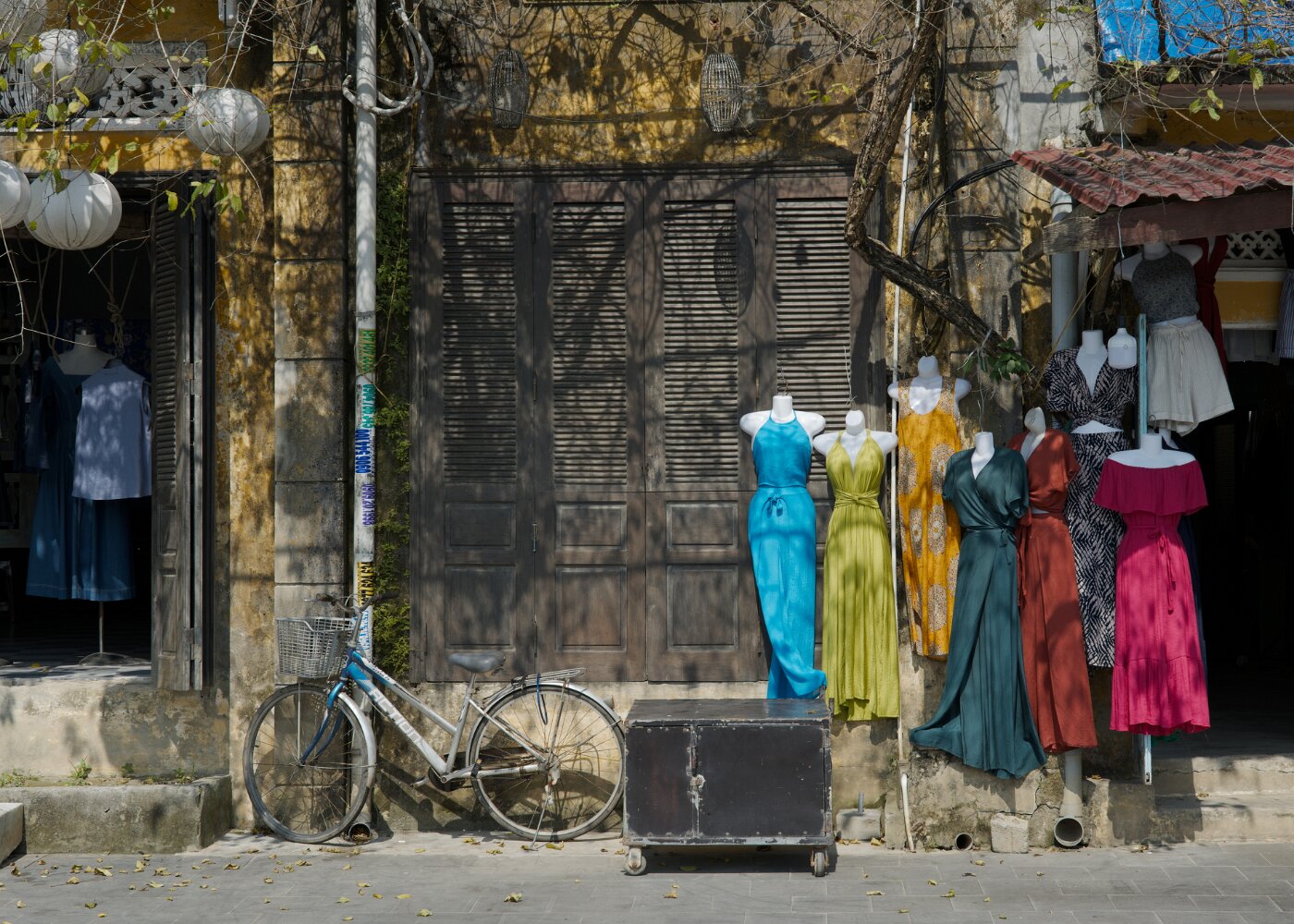
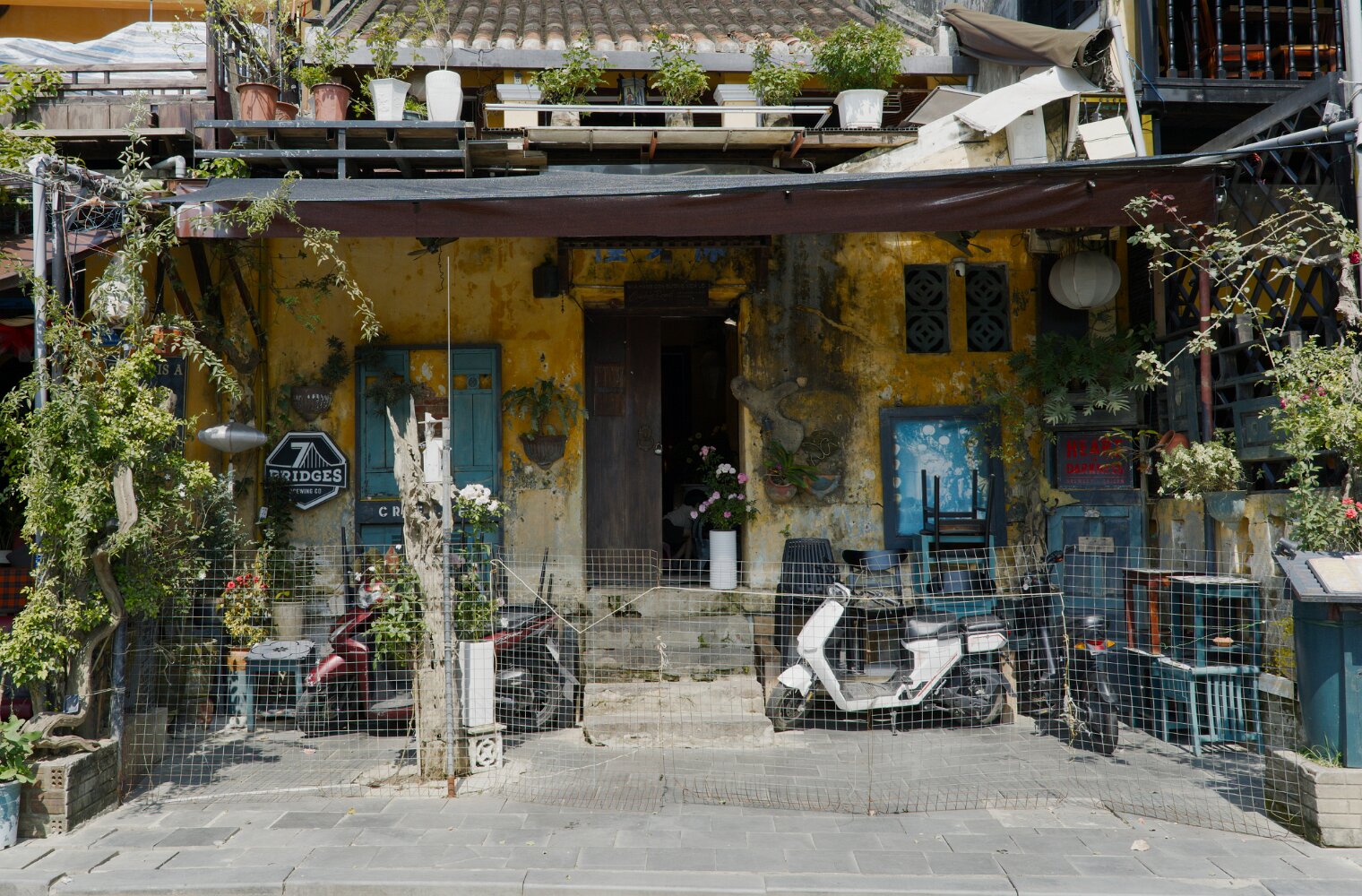
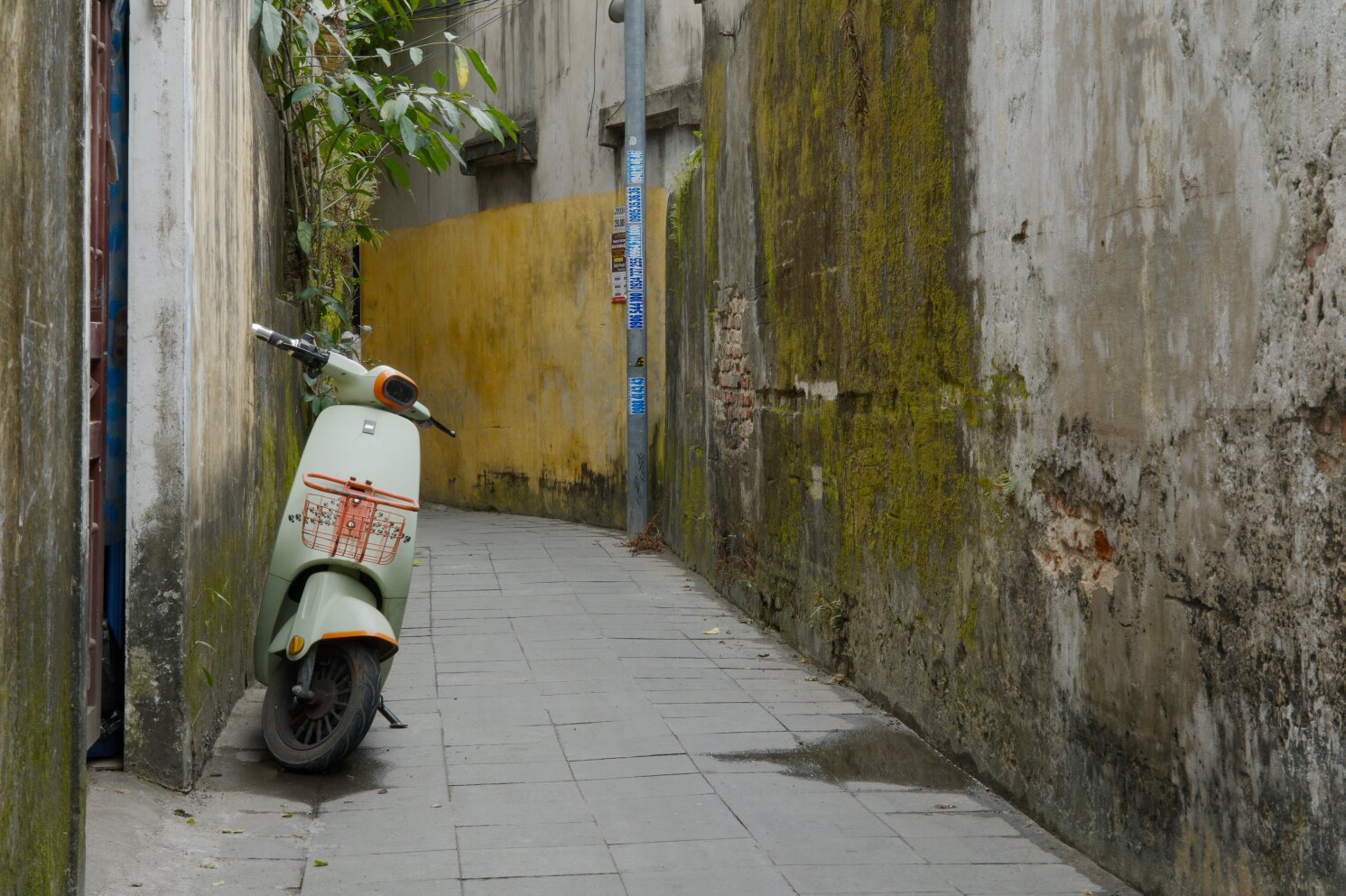
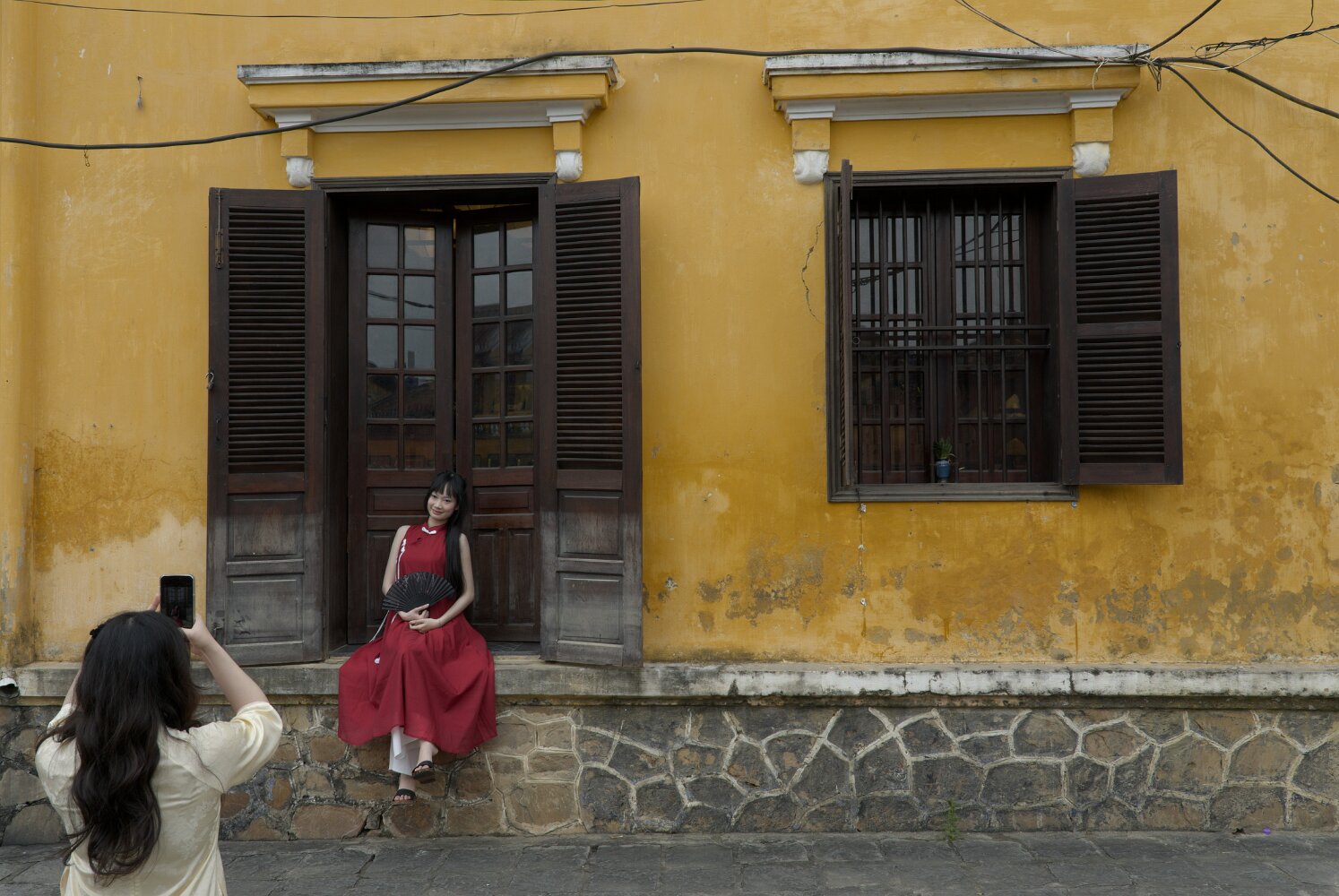
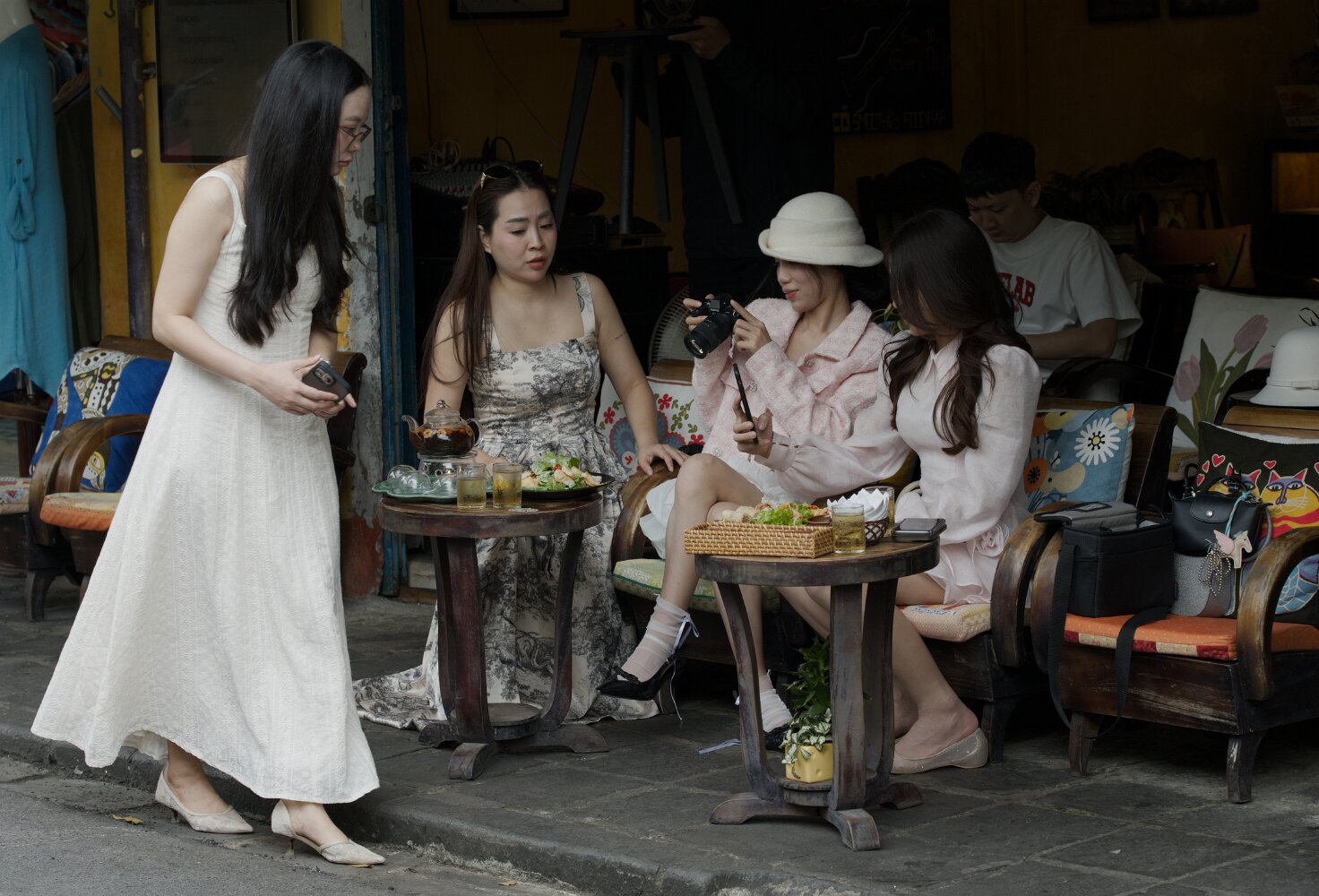
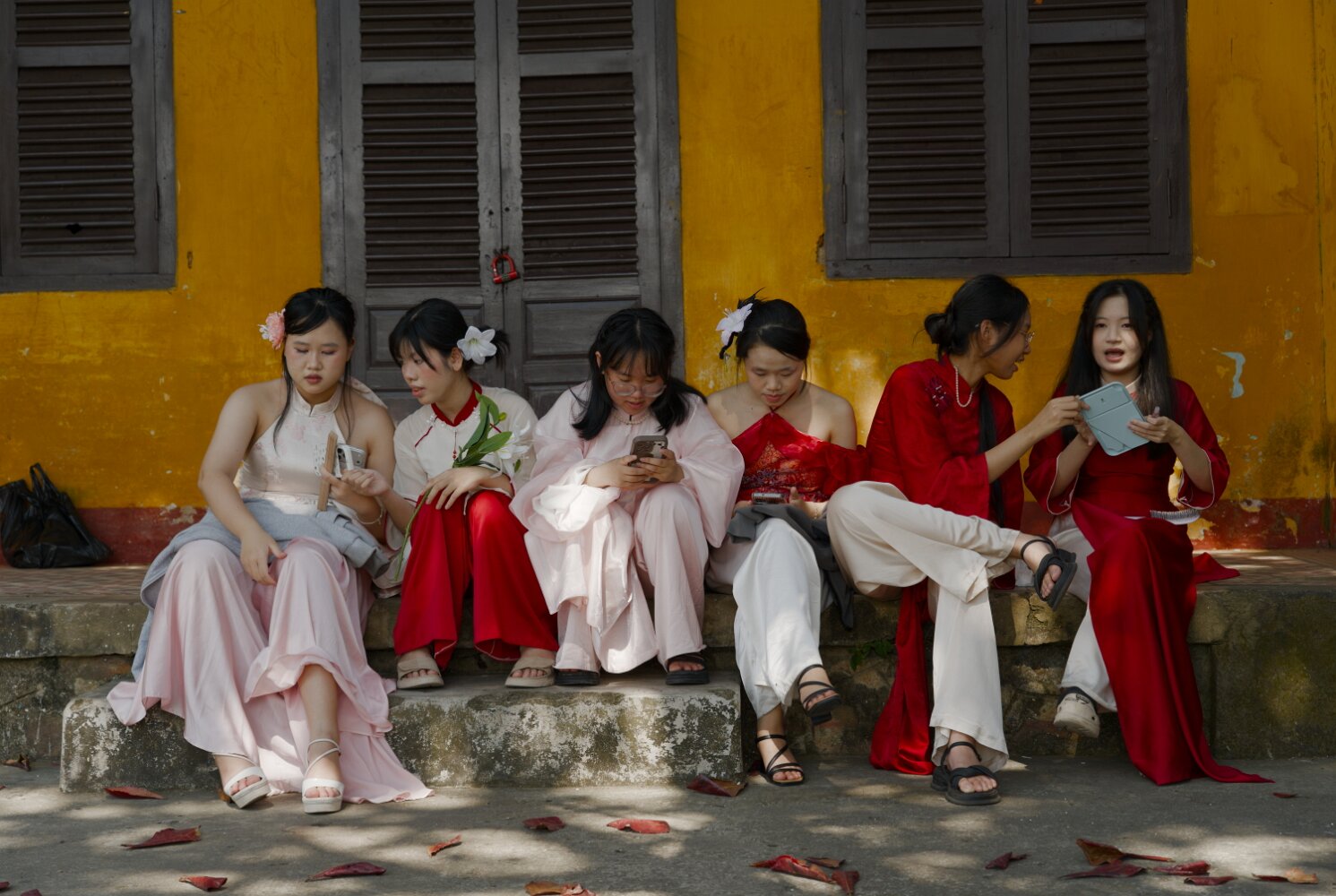
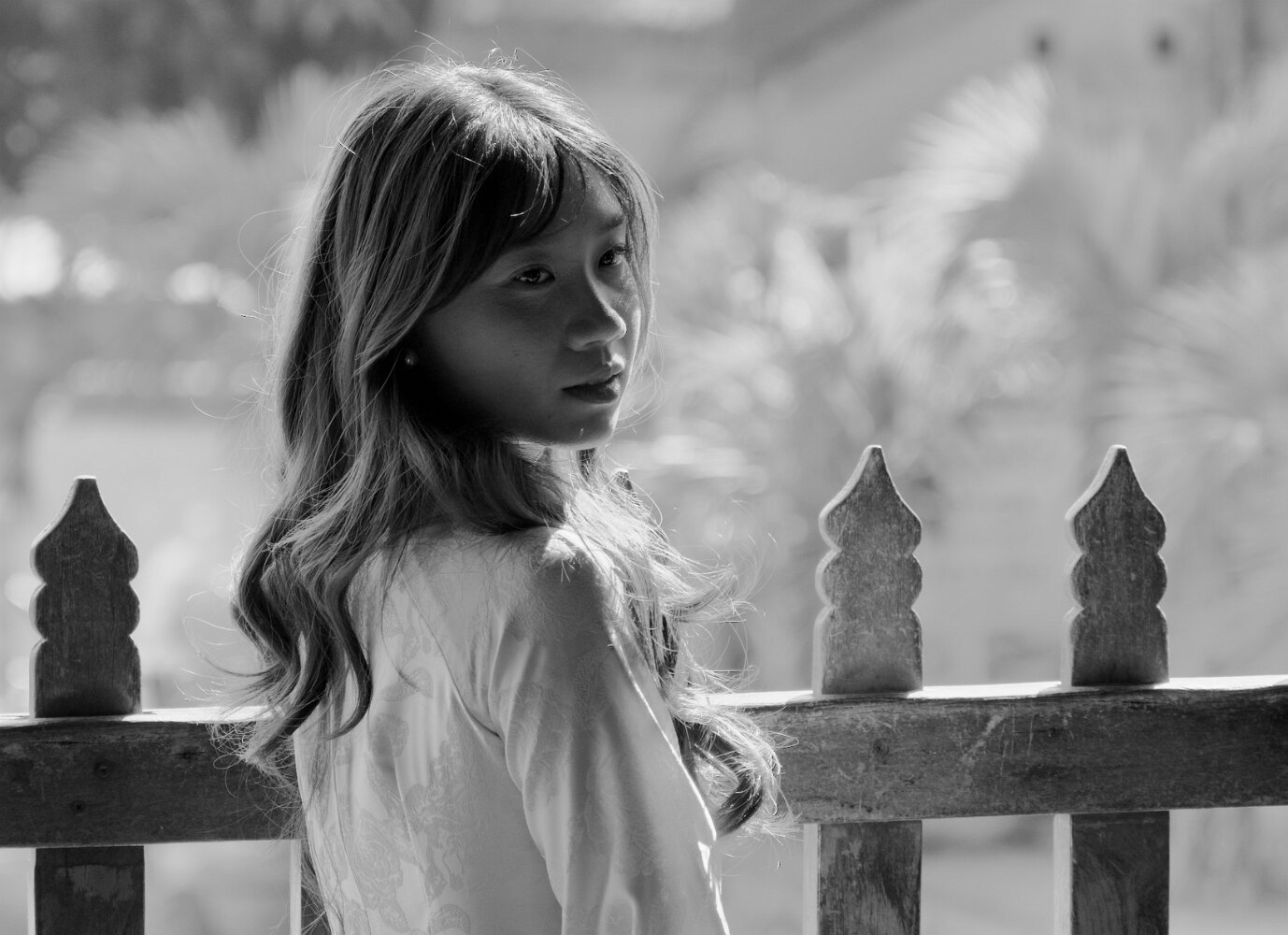
Ladies of Vietnam
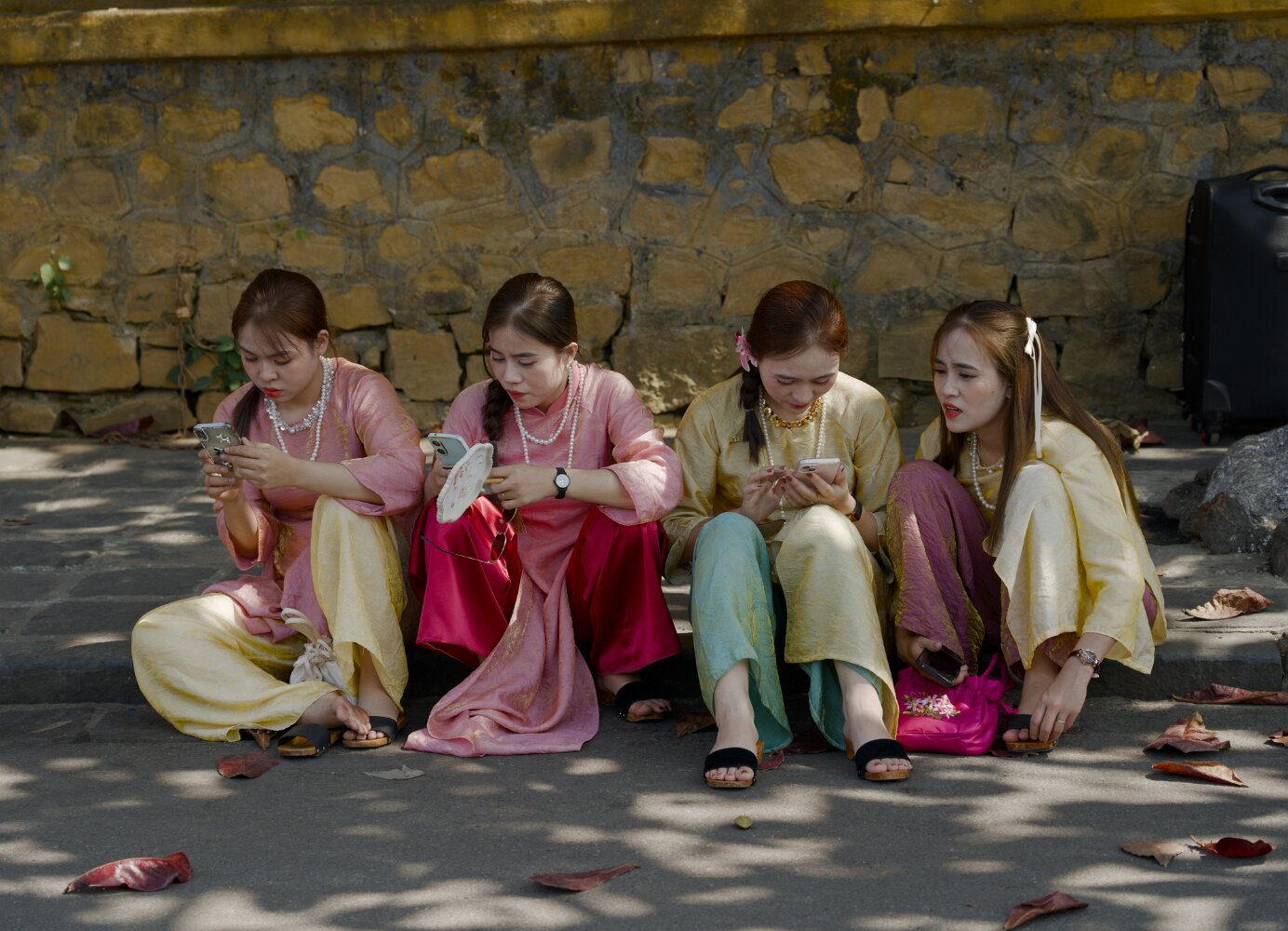
A piece of Reddit wisdom: "I was in Ho Chi Min City last week. Girls dressed up with full makeup having their picture taken in all scenic spots in town. I asked my local contact if that was a special photo thing for Tết [the most important celebration in Vietnamese culture]. He said, 'Nope. It's for Instagram.'"

Siem Reap, Cambodia
From Hoi An we took a short flight across de border to Siem Reap, in Cambodia, which was our base to explore the Angkor Temples.
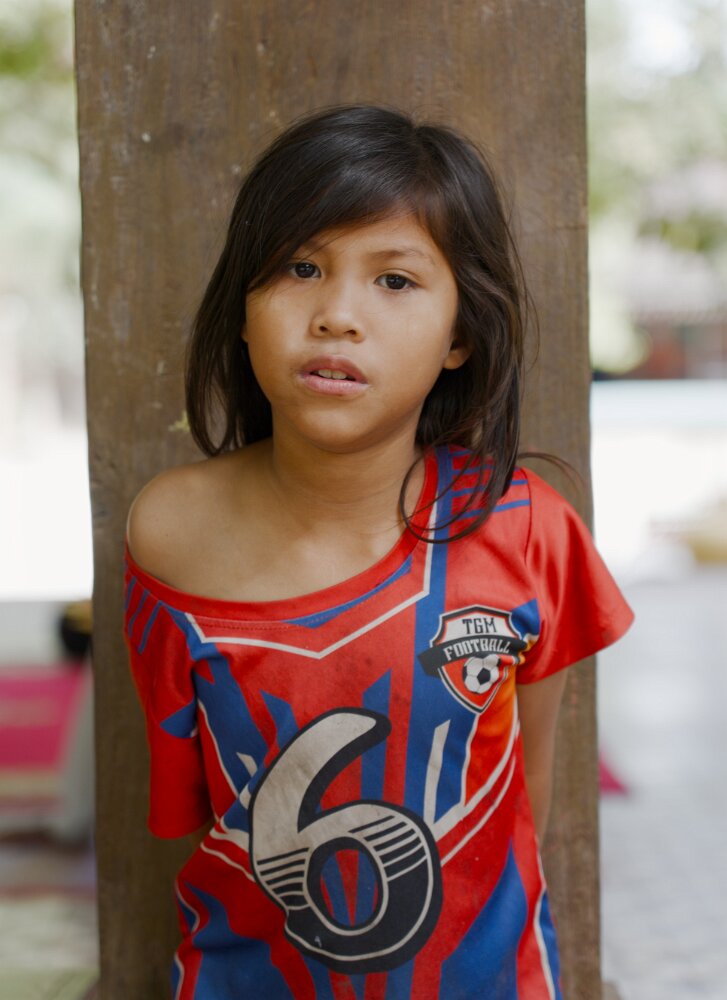
Even though Autumn would have been happy to have skipped Cambodia, it ended up being her favorite country: "Oh my heart, what a soulful magical place. The people are so fucking genuine and kind, loving, real, and special. The land is holy, torn down again and again, but the people continue to come back kinder, more loving, more gentle."
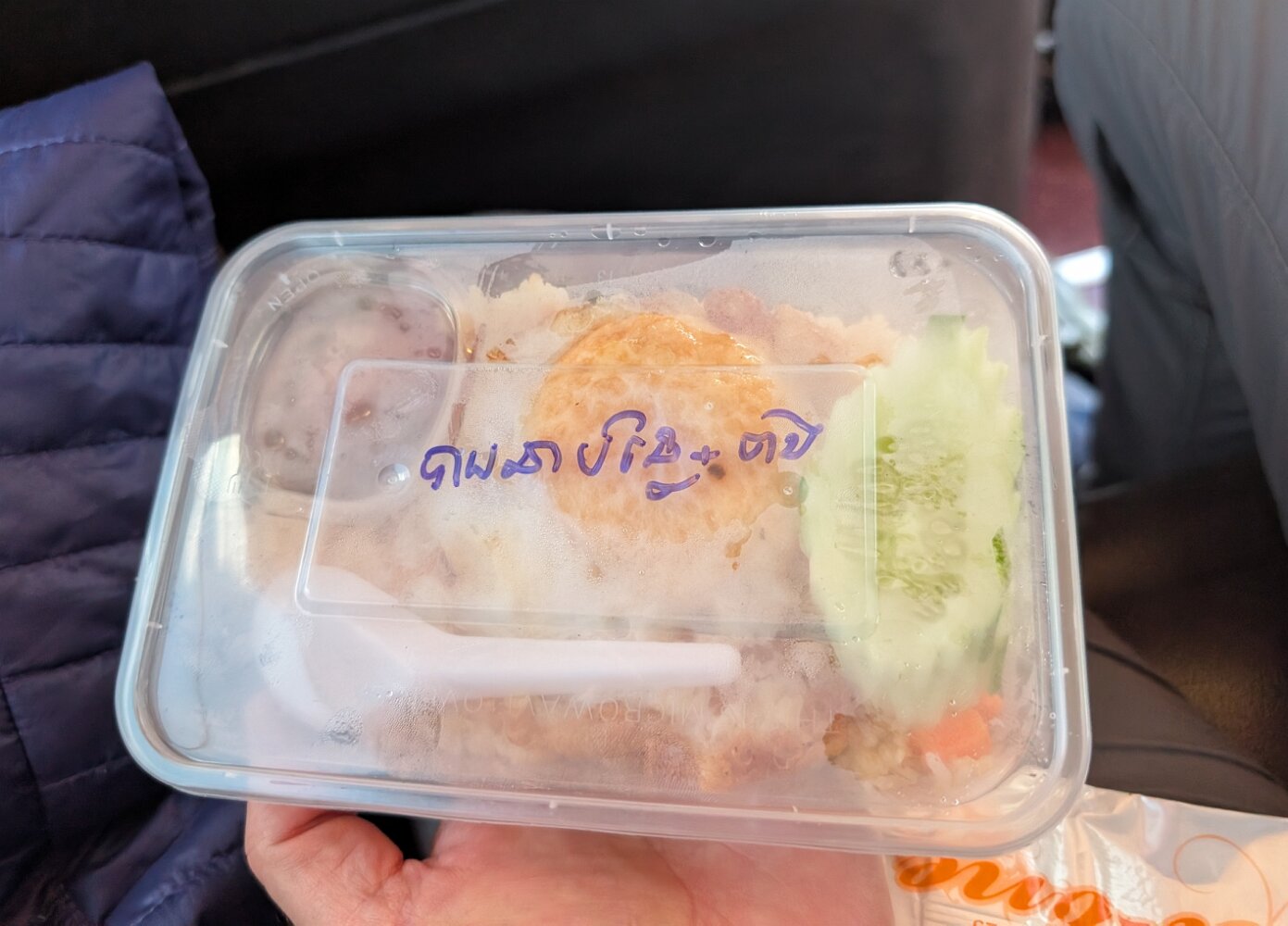
Wikipedia fact: Khmer is the official language of Cambodia. The Khmer alphabet, with 74 letters, is the longest in the world.
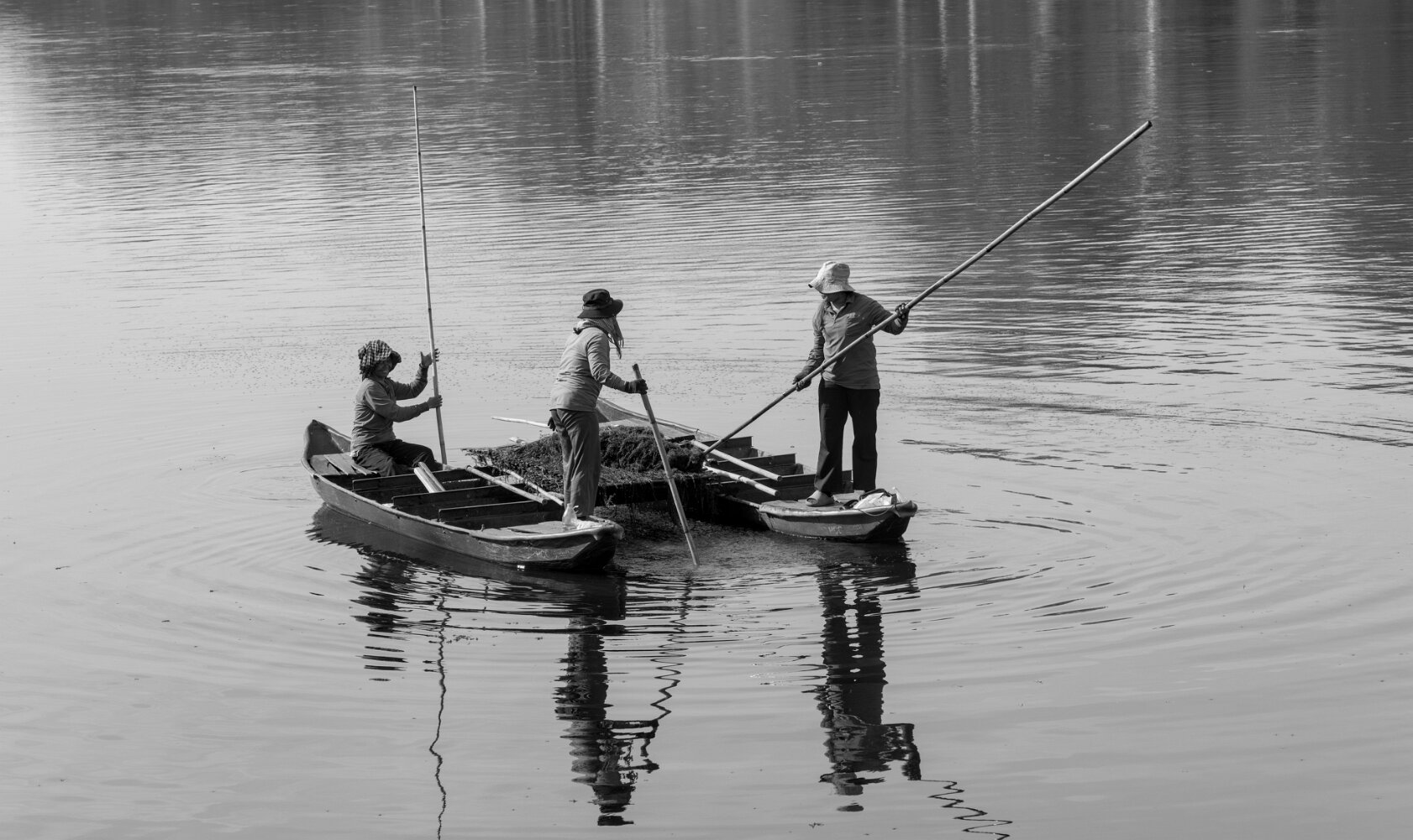
Angkor Temples
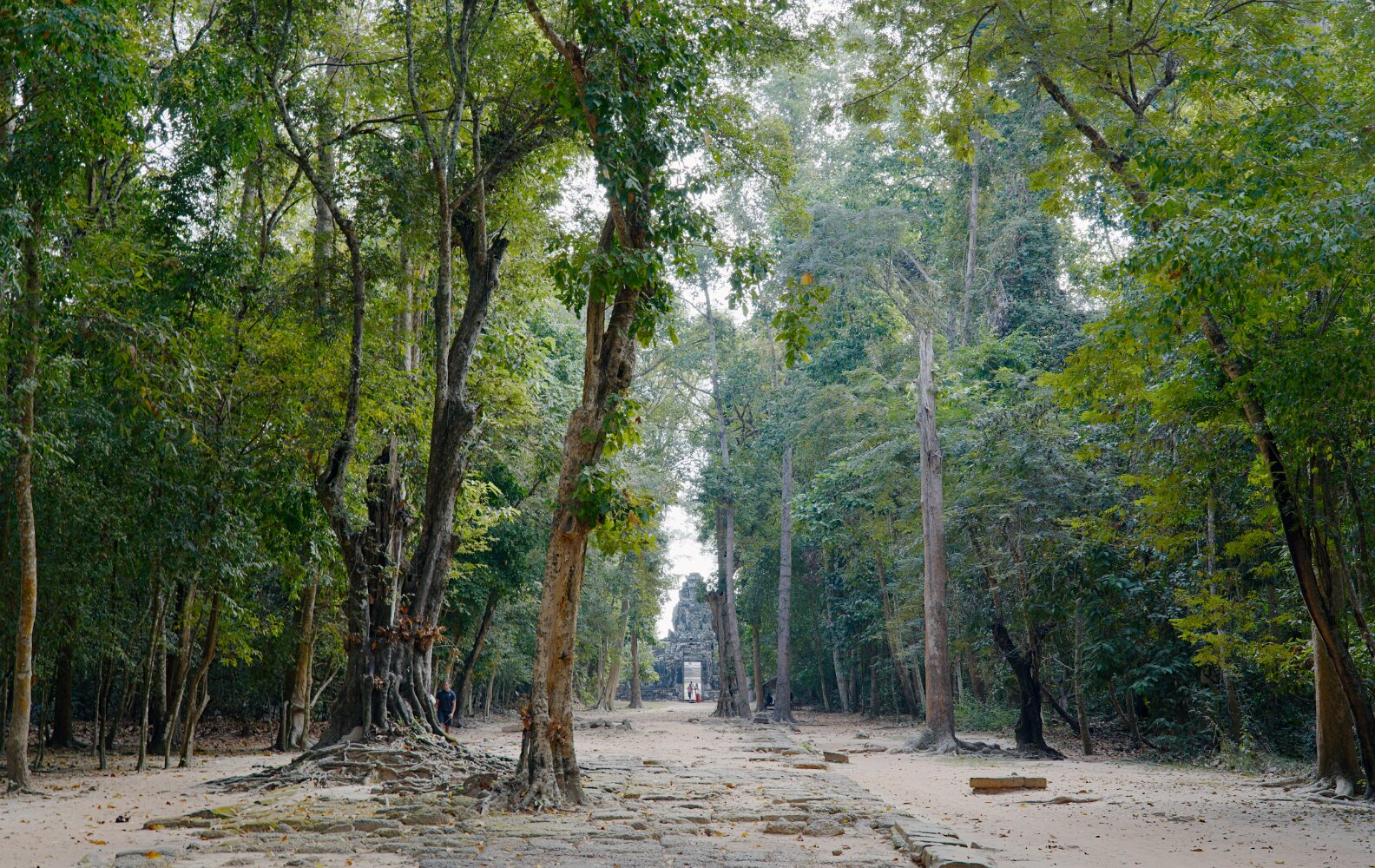
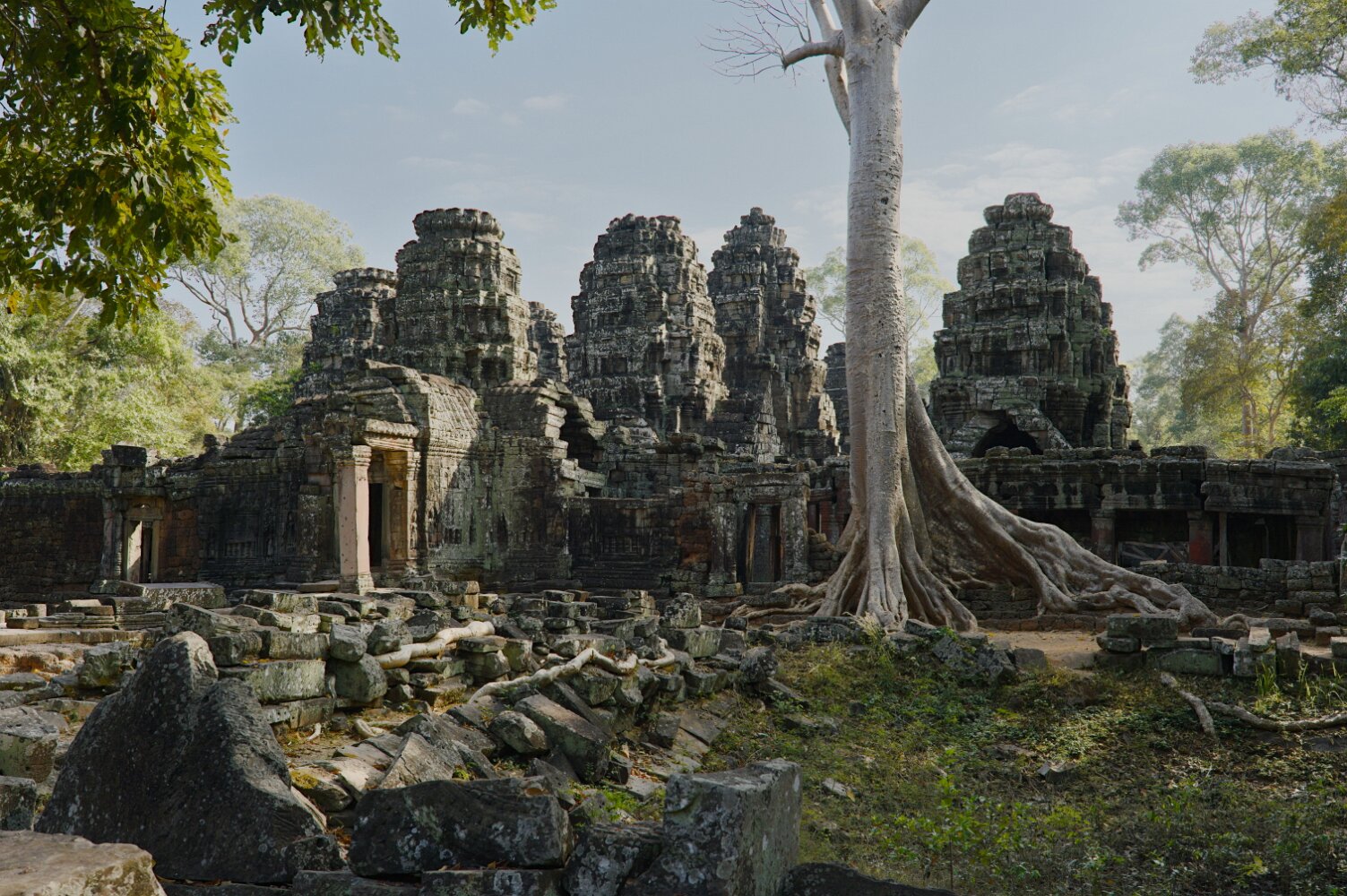
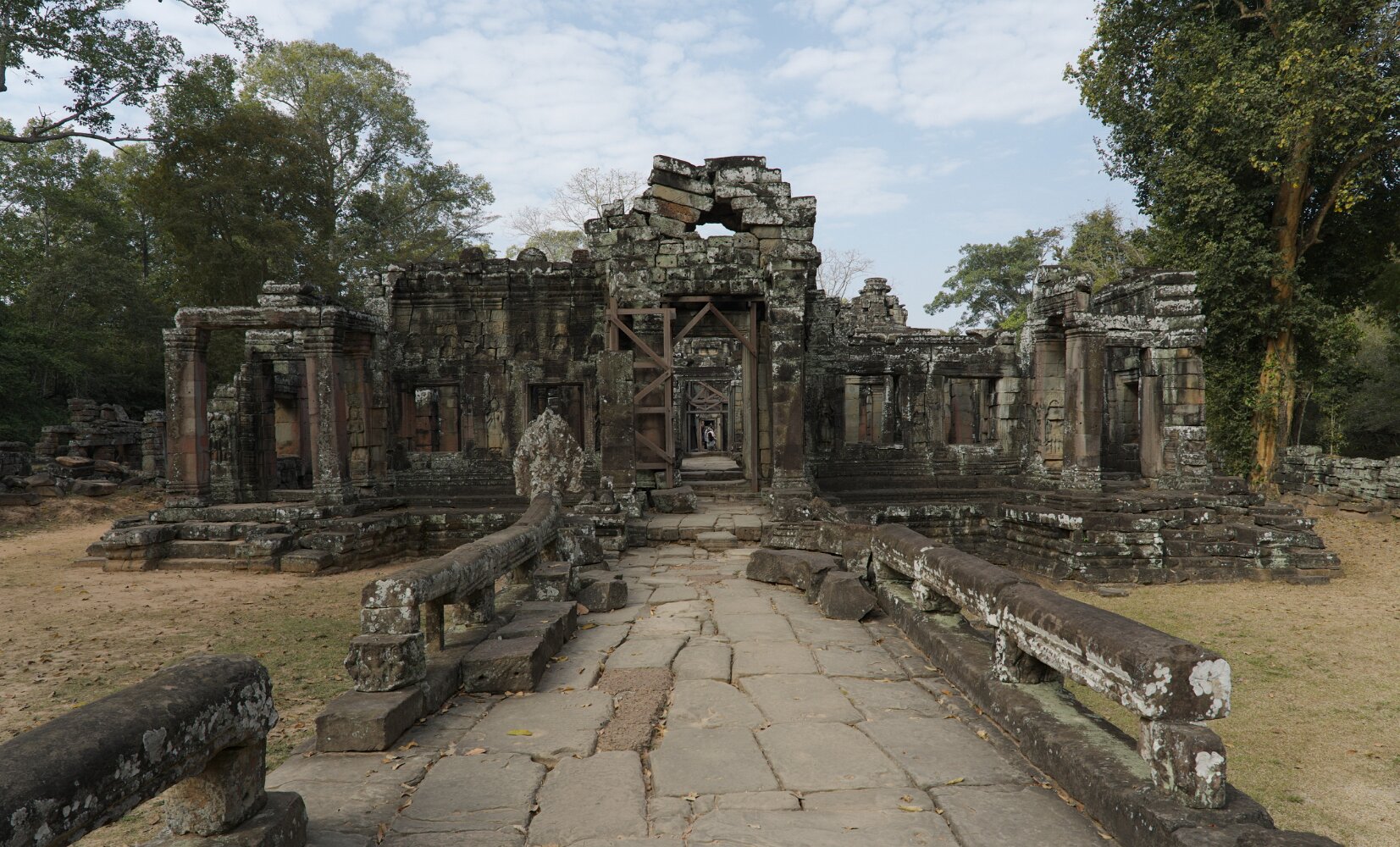
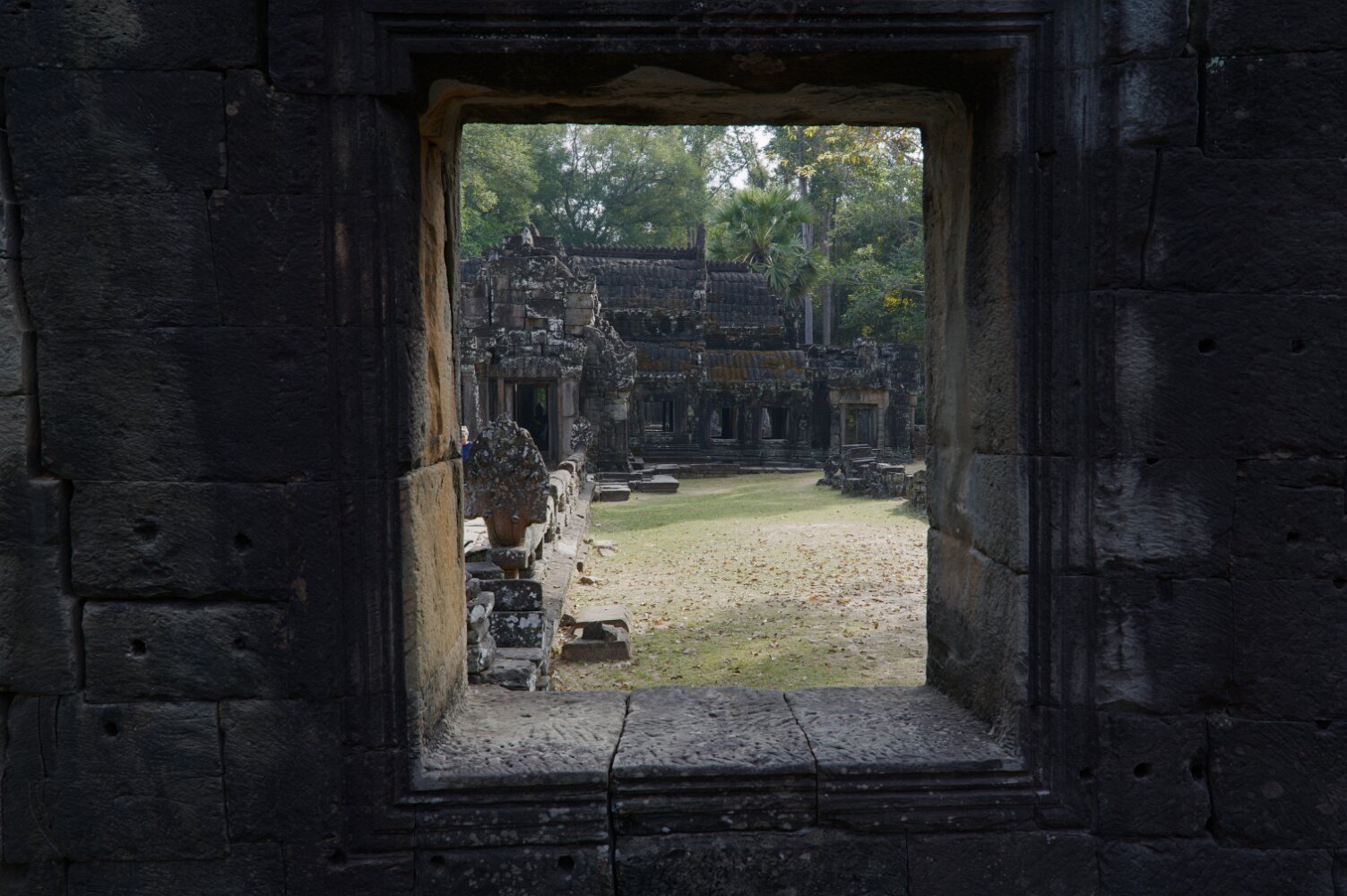
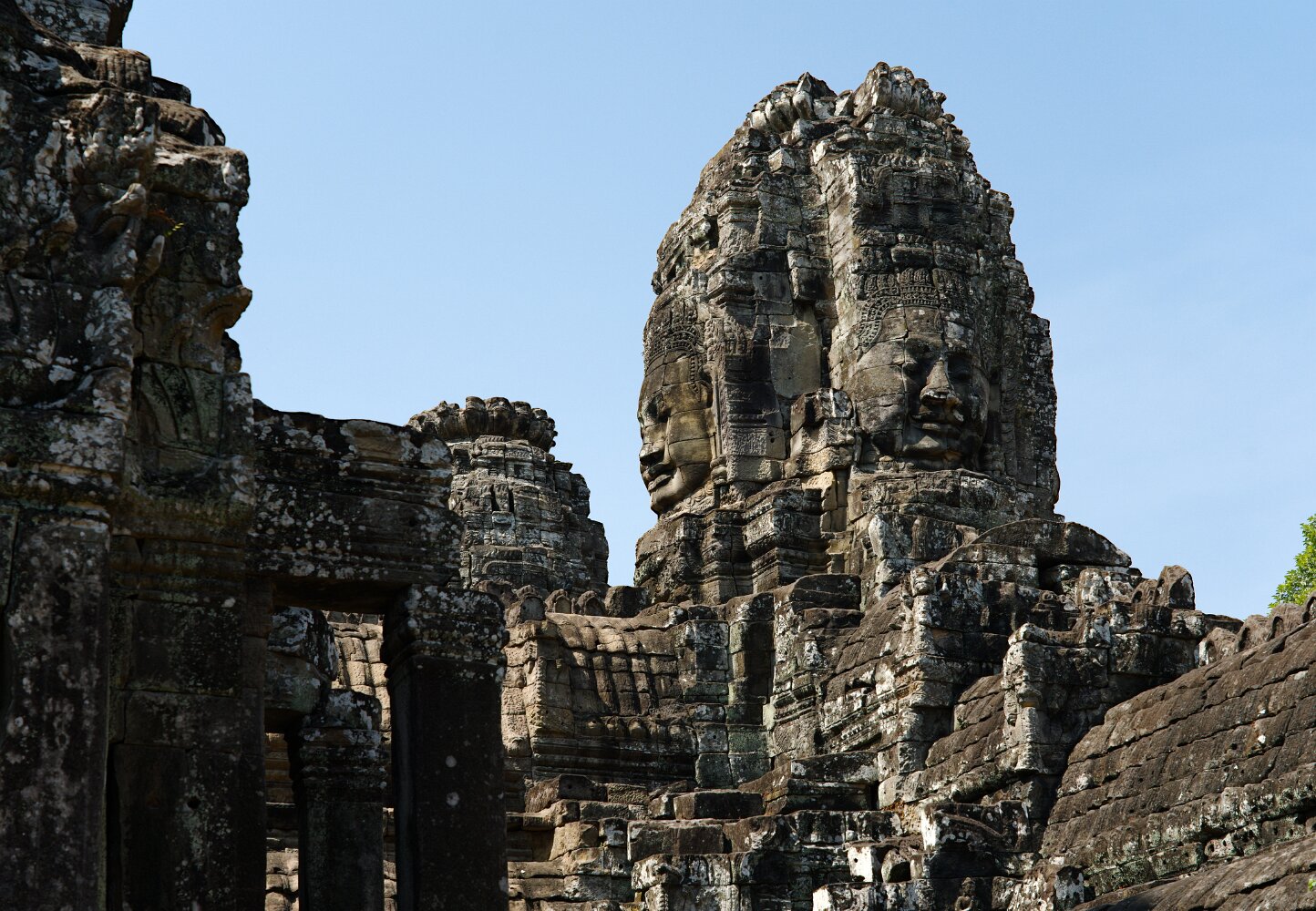
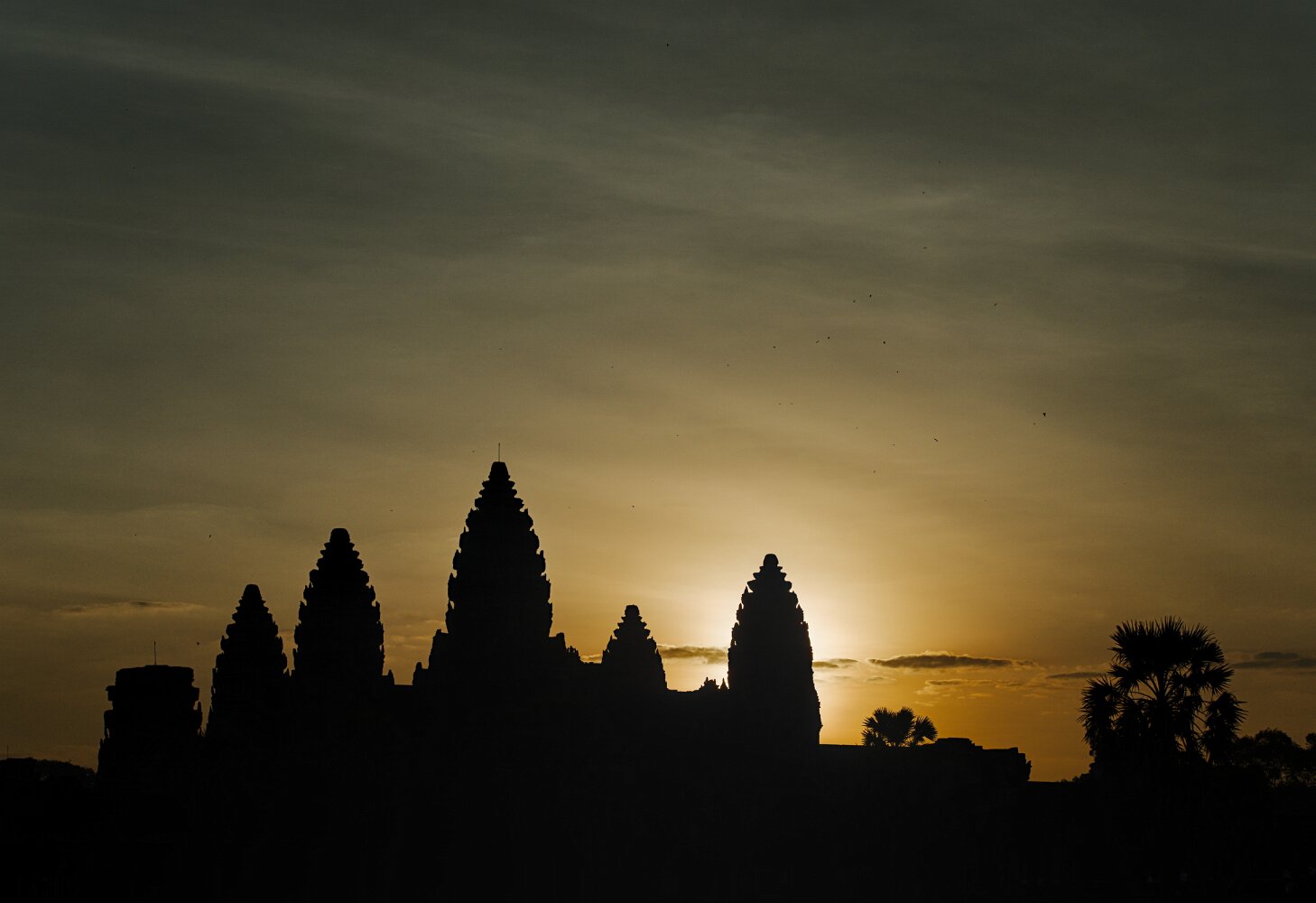
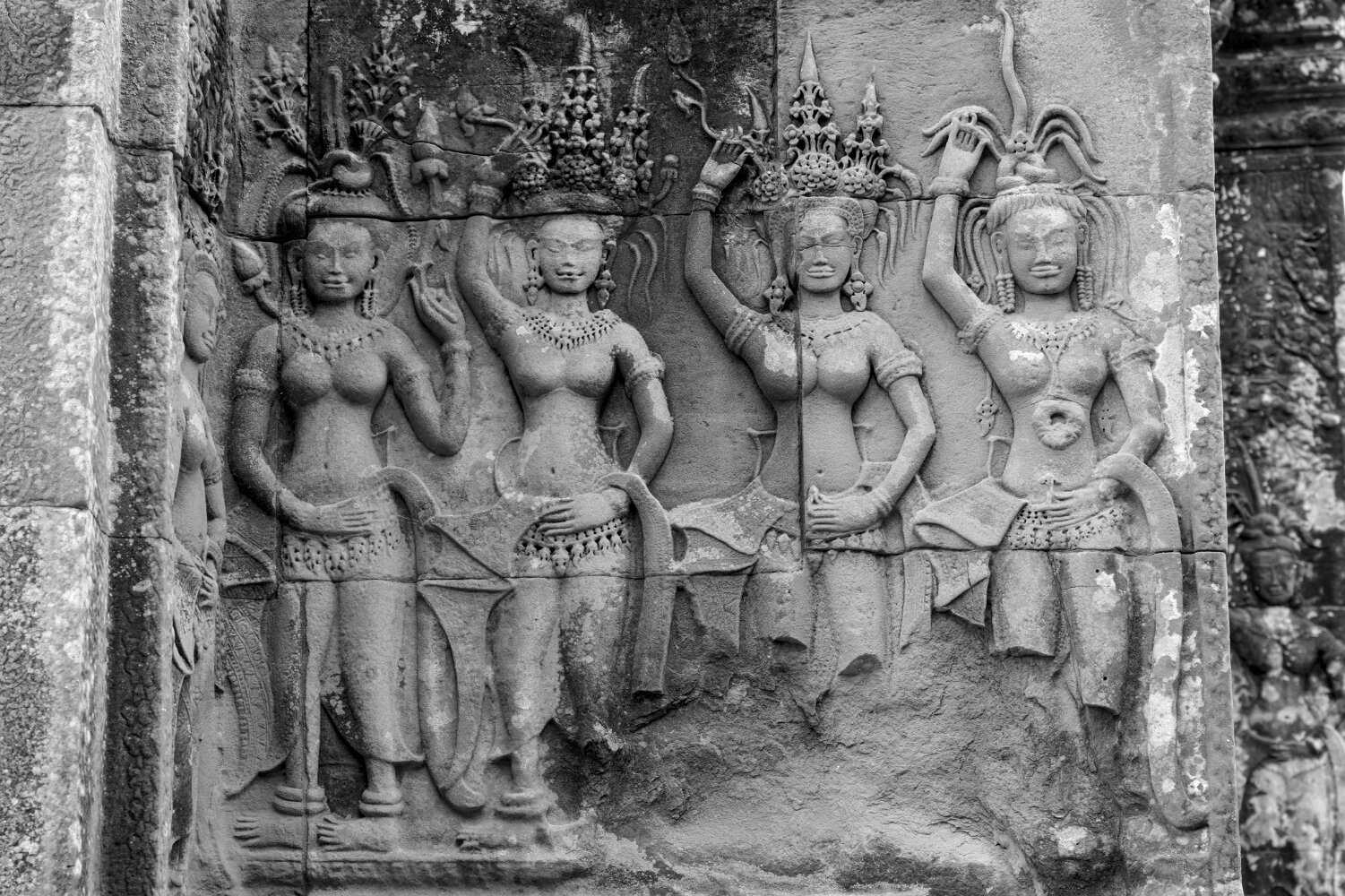
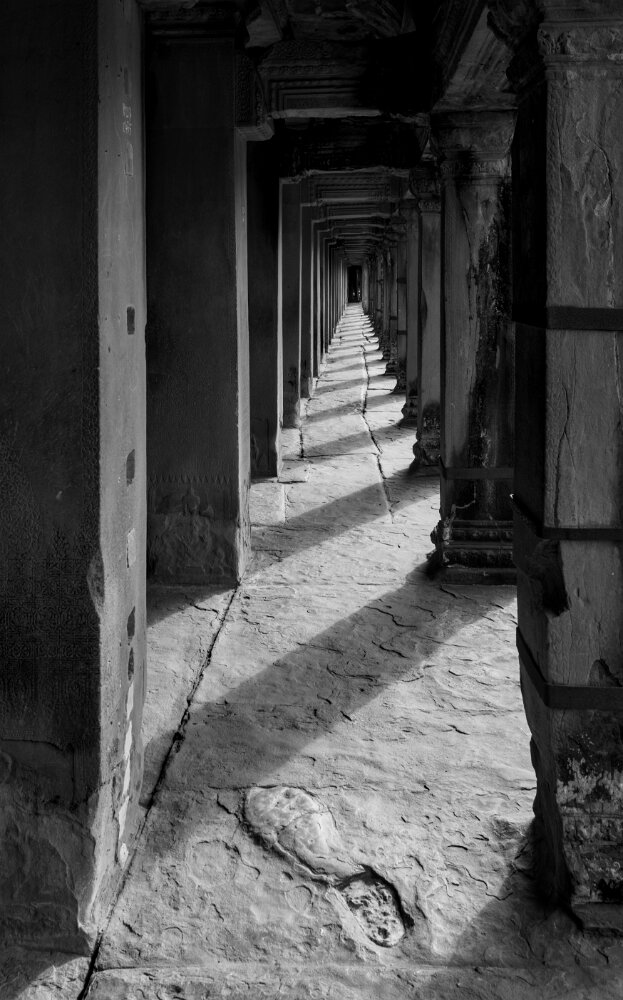
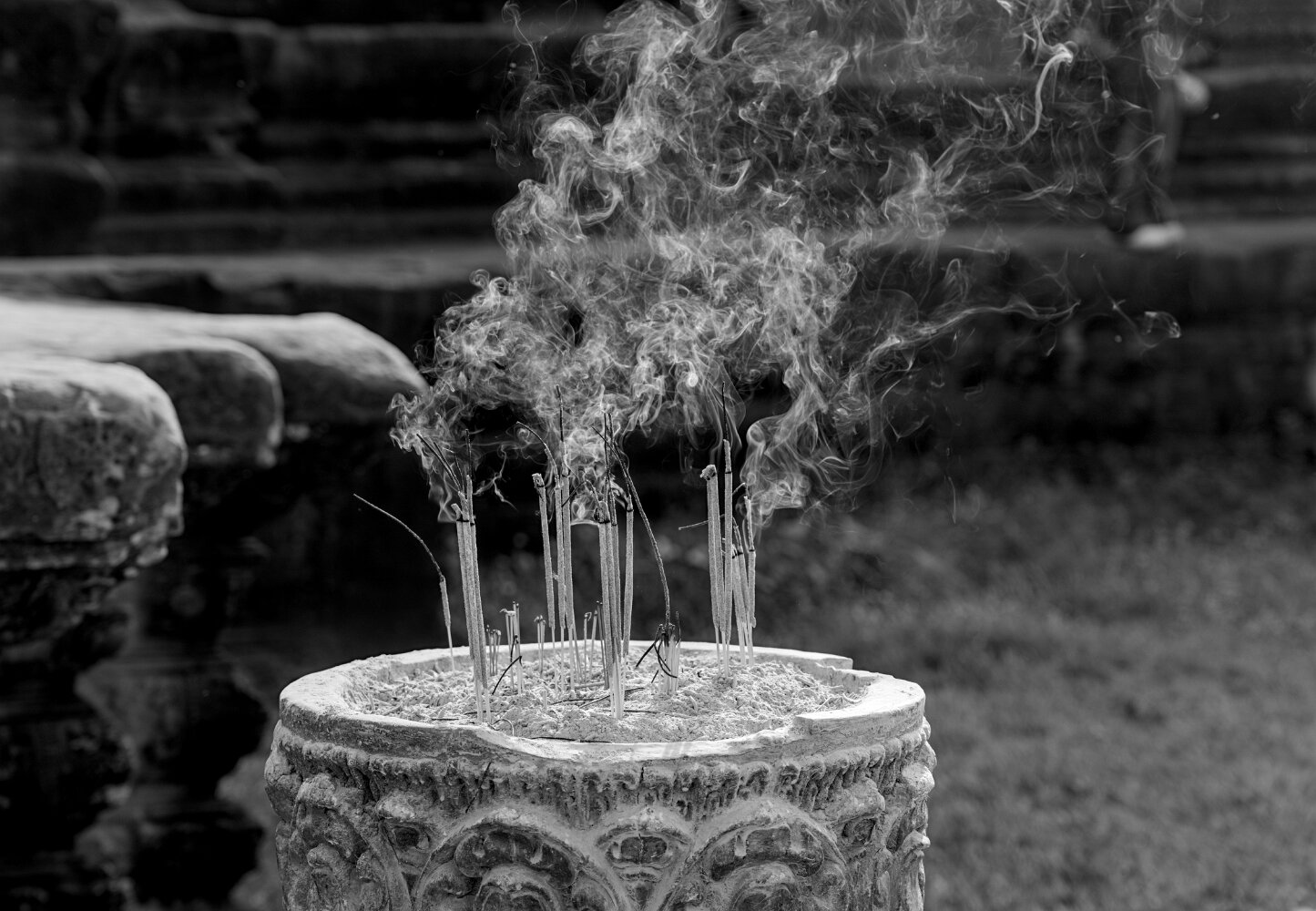
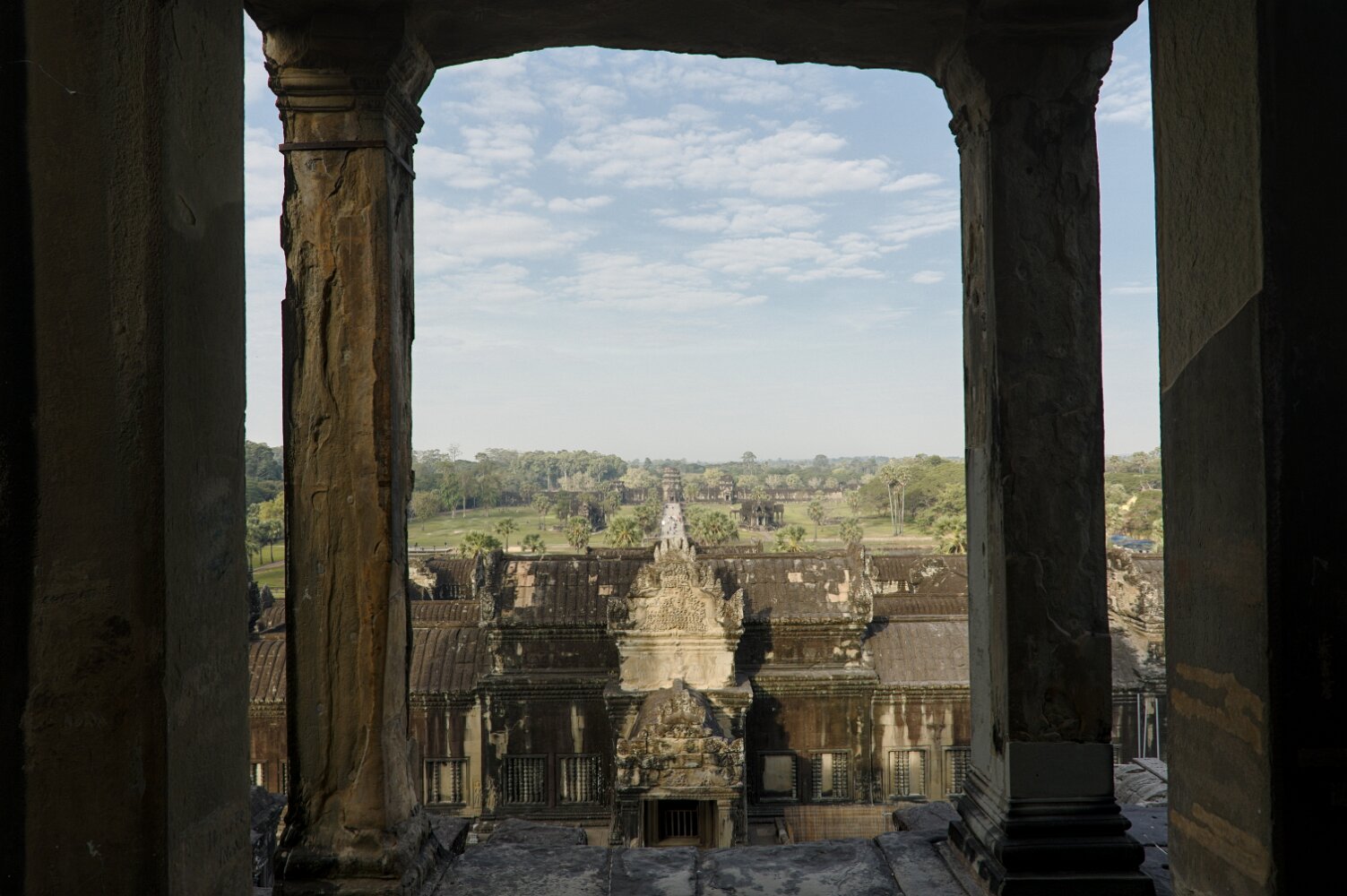
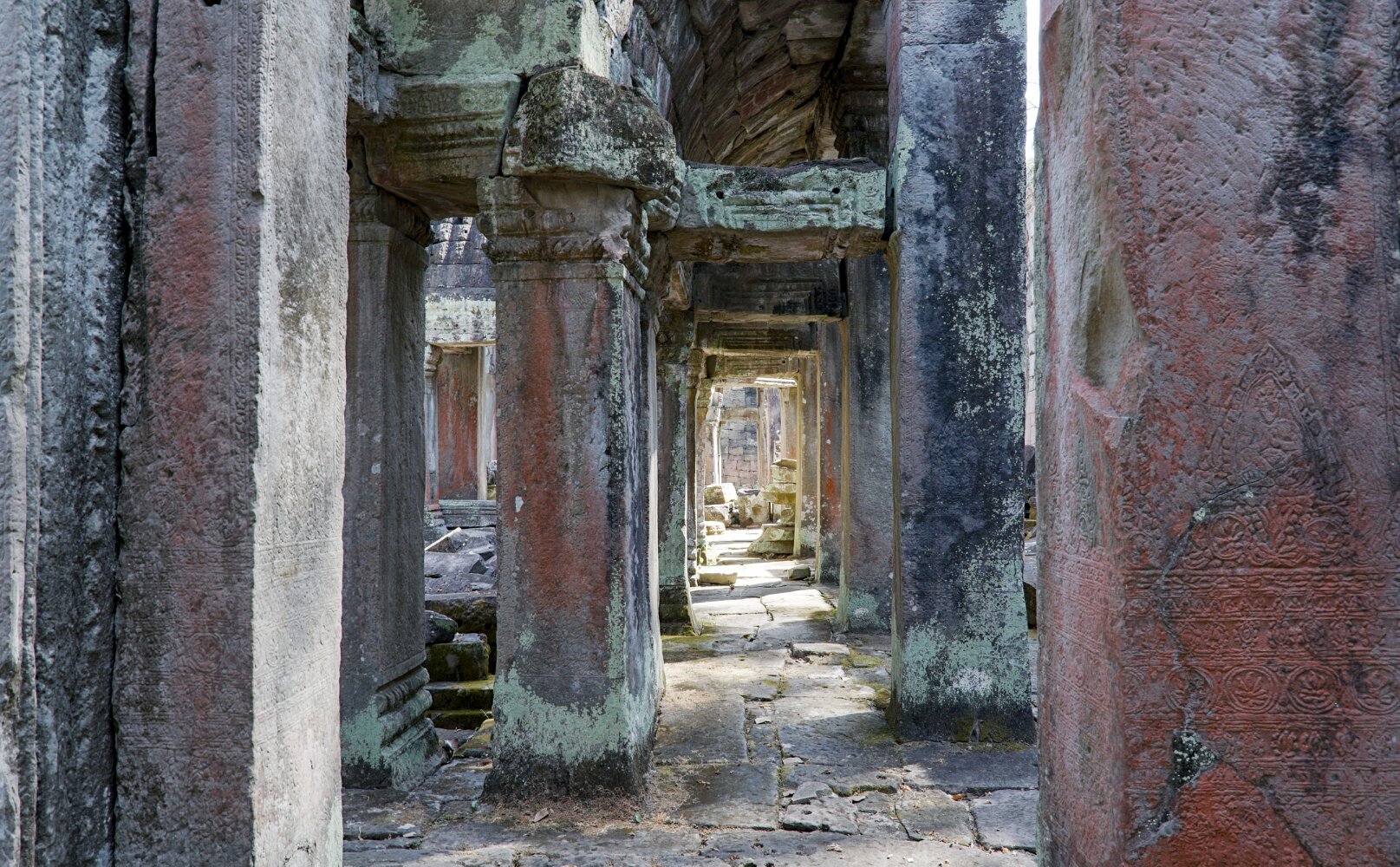
A half an hour tuk-tuk ride from Siem Reap takes you to Angkor Archaeological Park, which preserves the magnificent remains of the different capitals of the Khmer Empire, from the 9th to the 15th century. It is the top tourist destination in Asia and home to Angkor Wat, the world's largest religious monument.
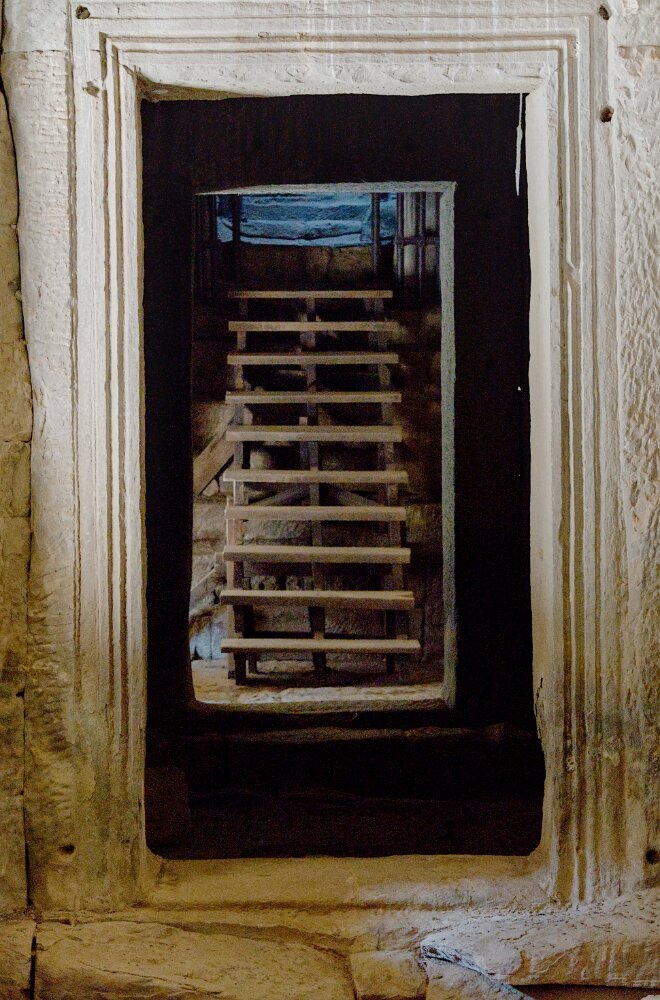
There's so much to see and so many temples that our three consecutive days coming here were just not enough. It is glorious, overwhelming and astonishing. And peaceful too, if you find the right corner away from the crowds.
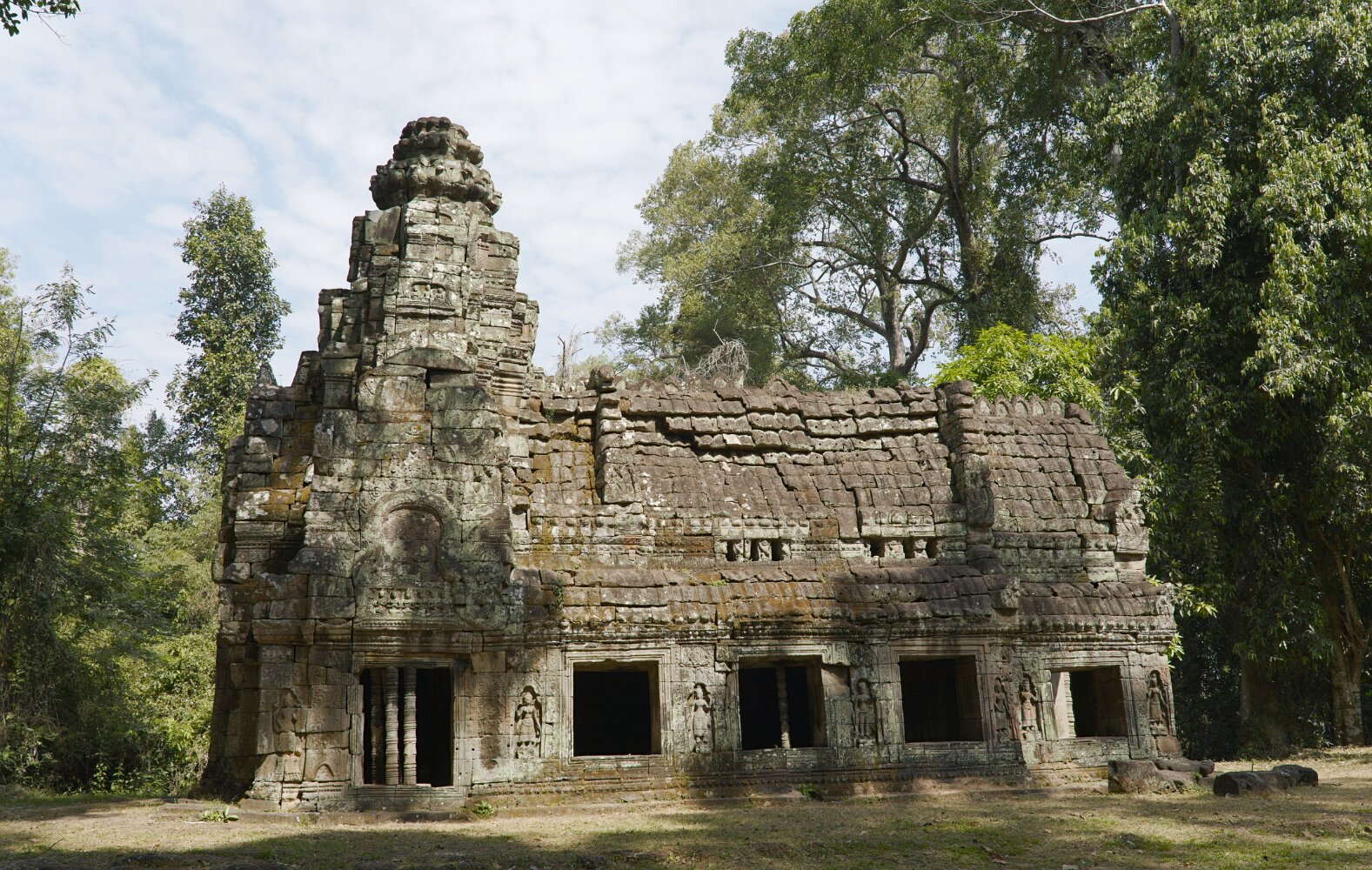
Temple lemonade
When life gives you lemons... you make lemonade!
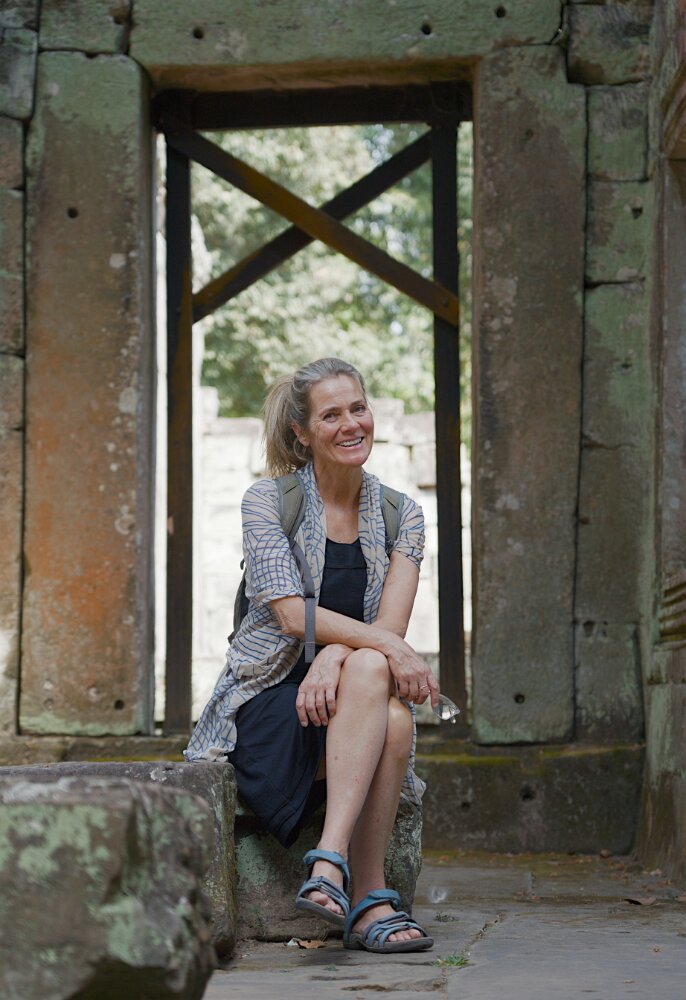
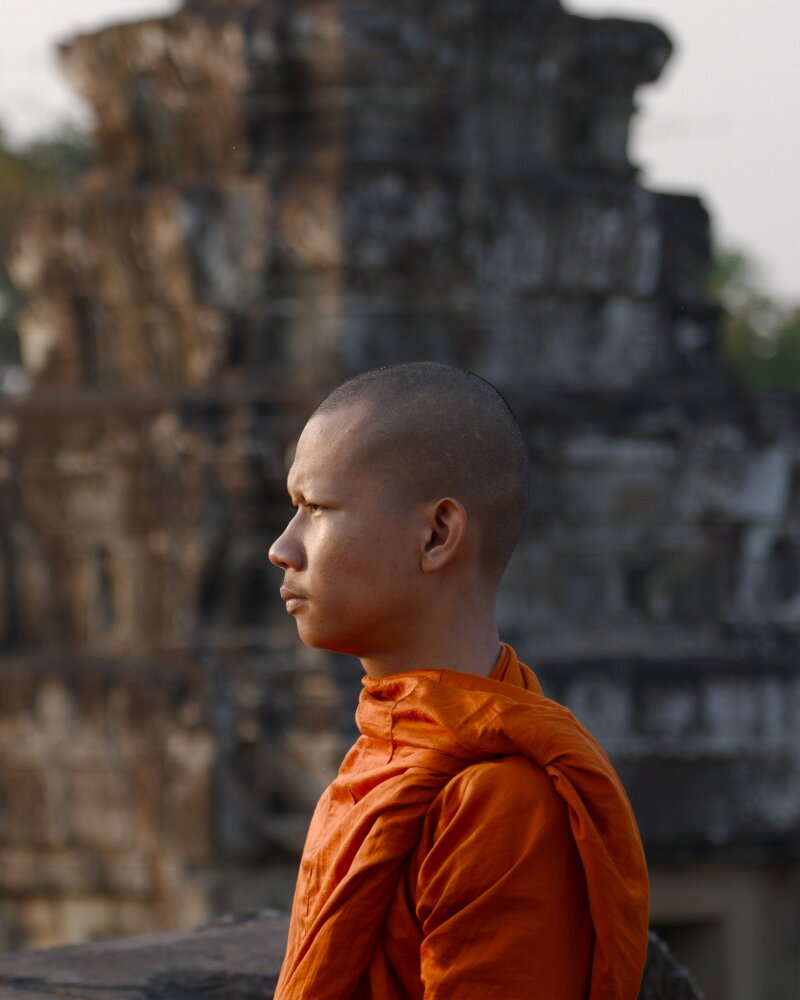
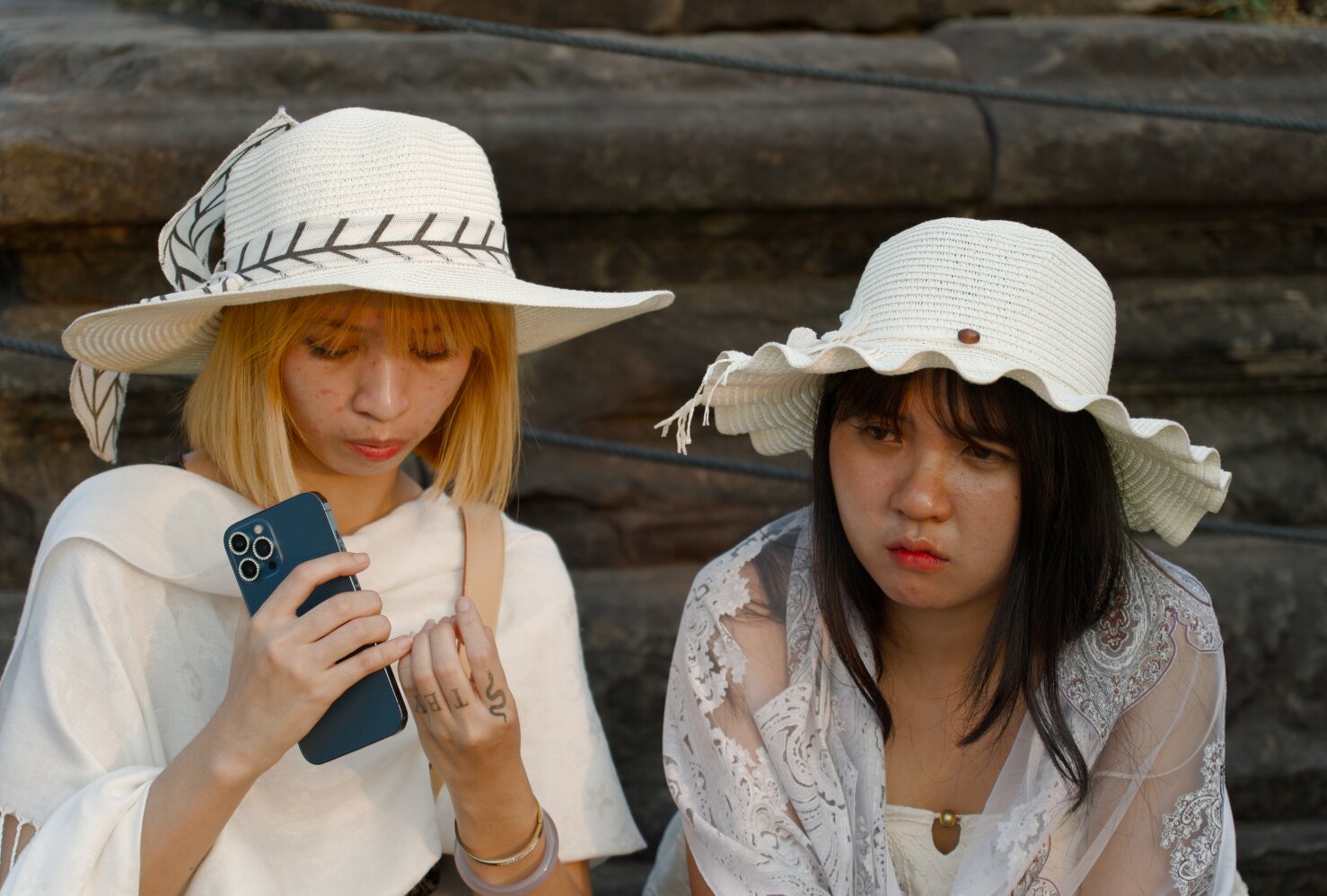
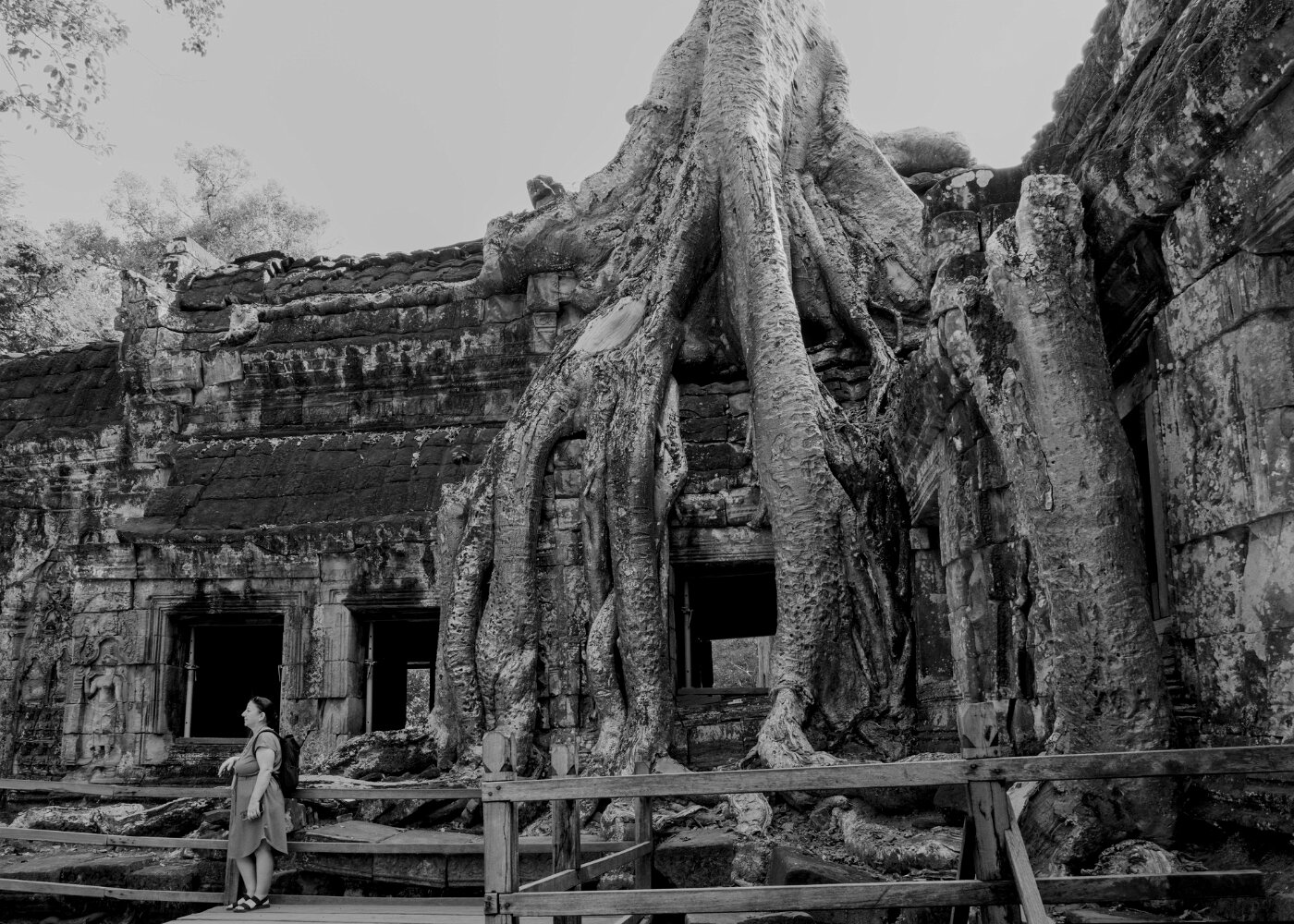
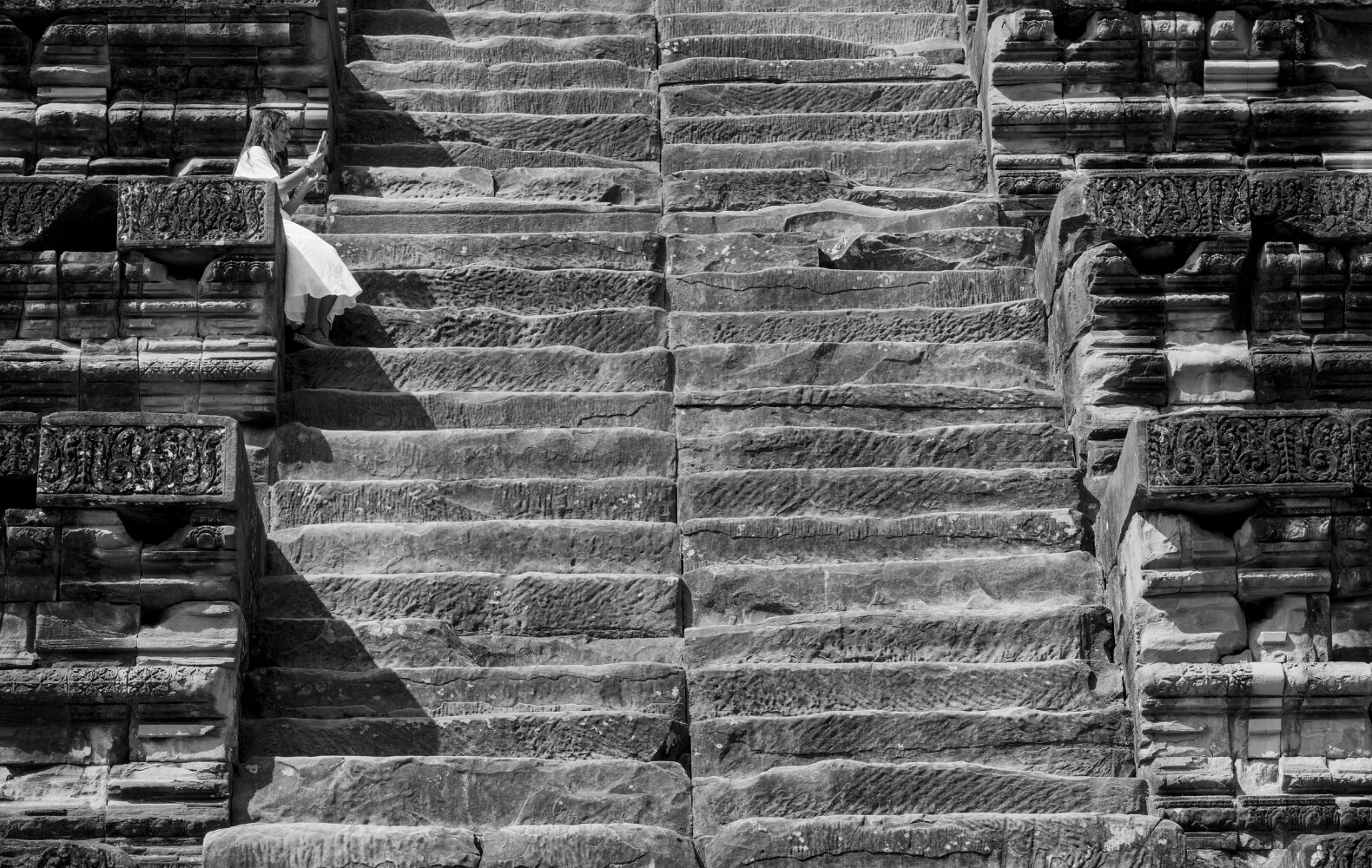
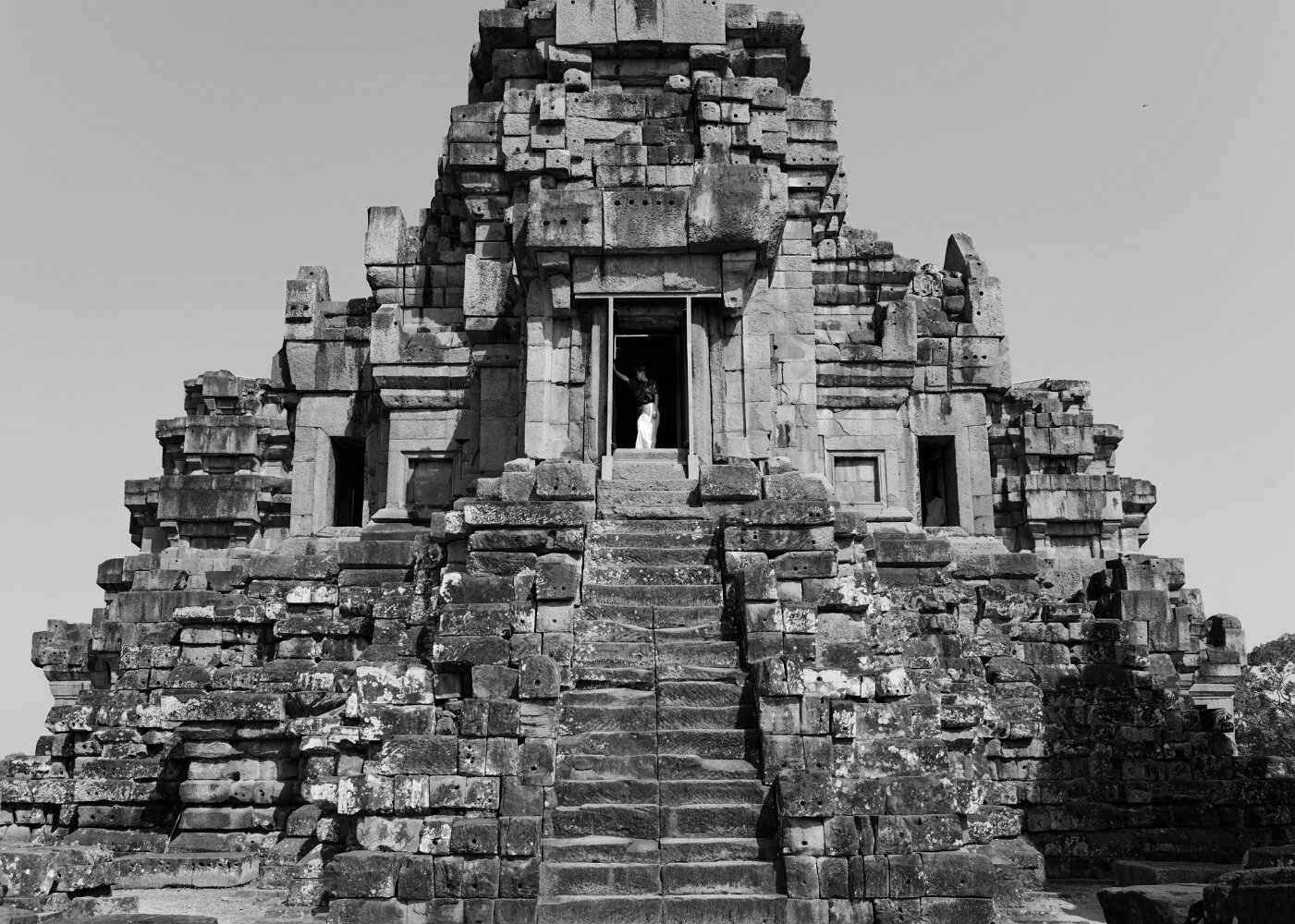
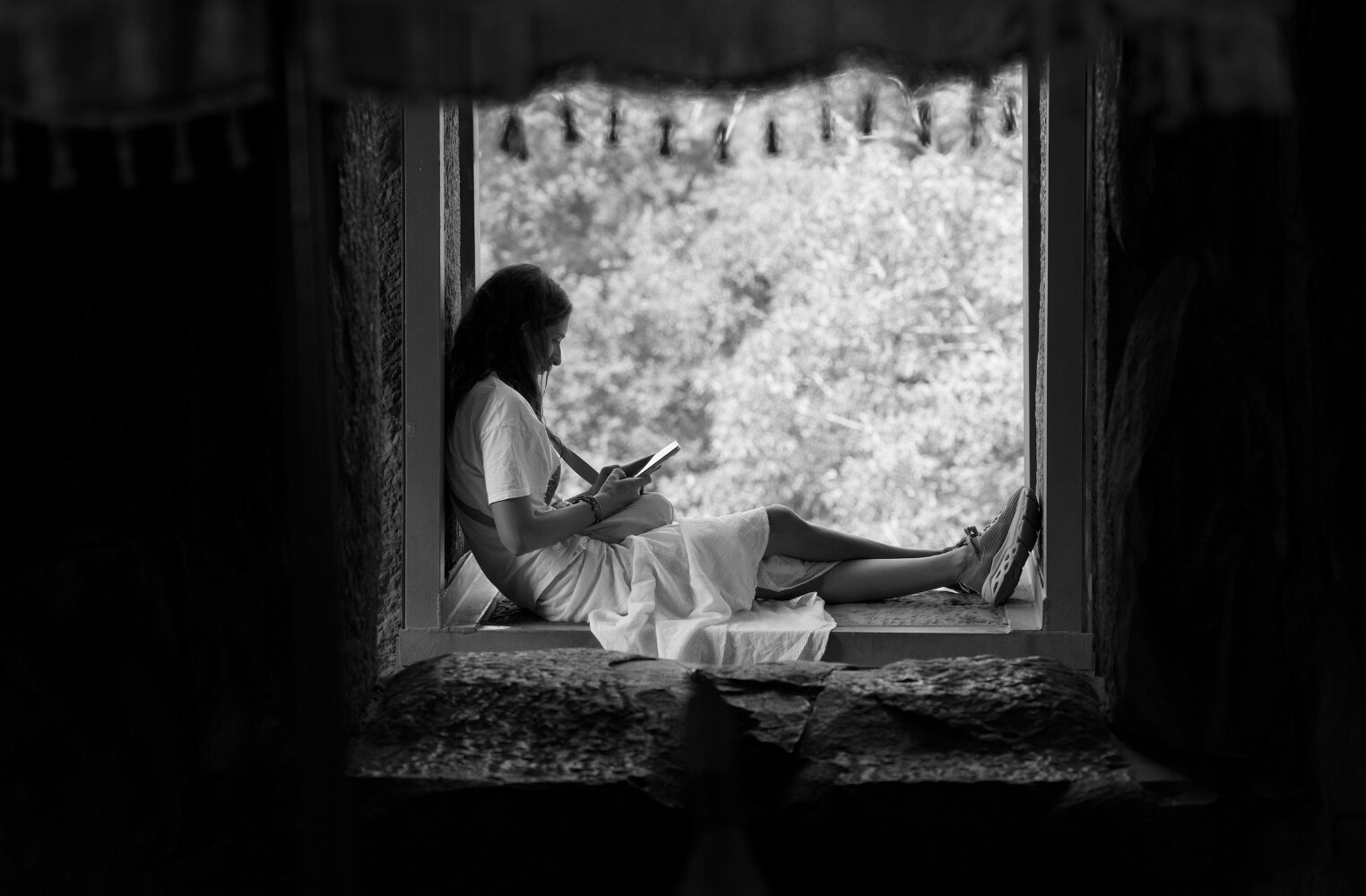
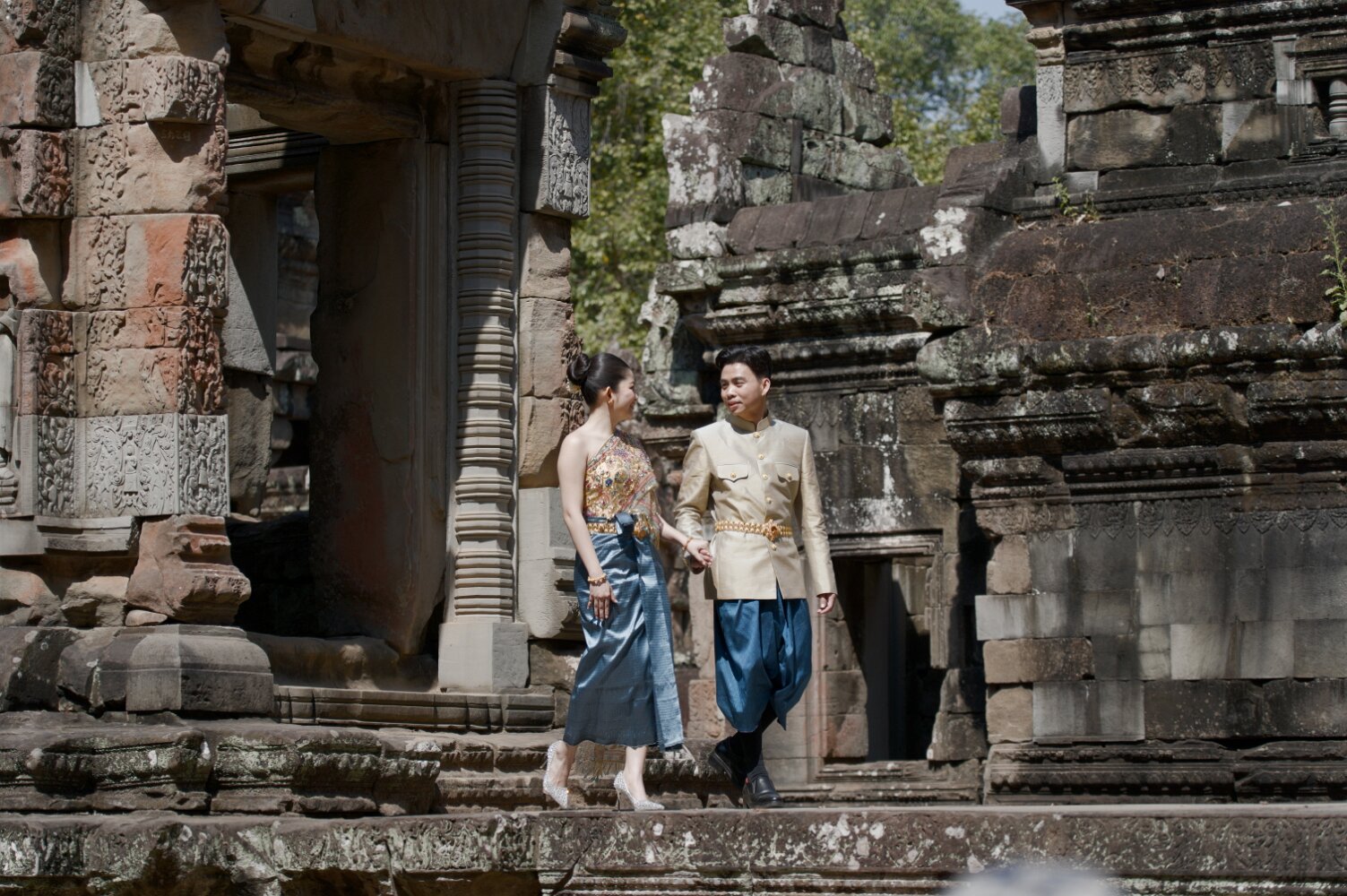
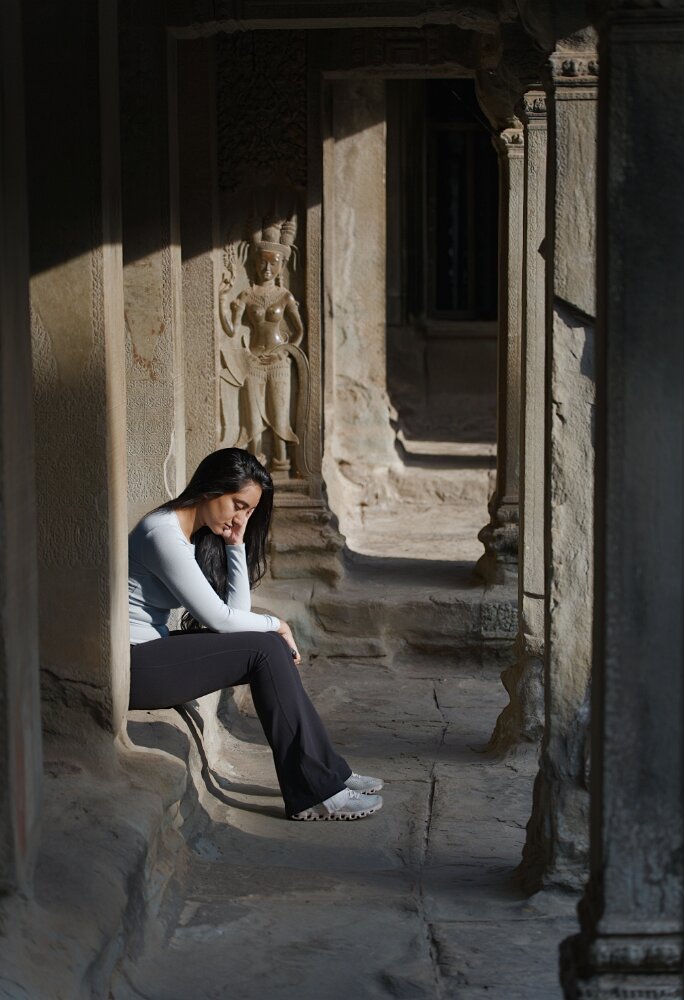
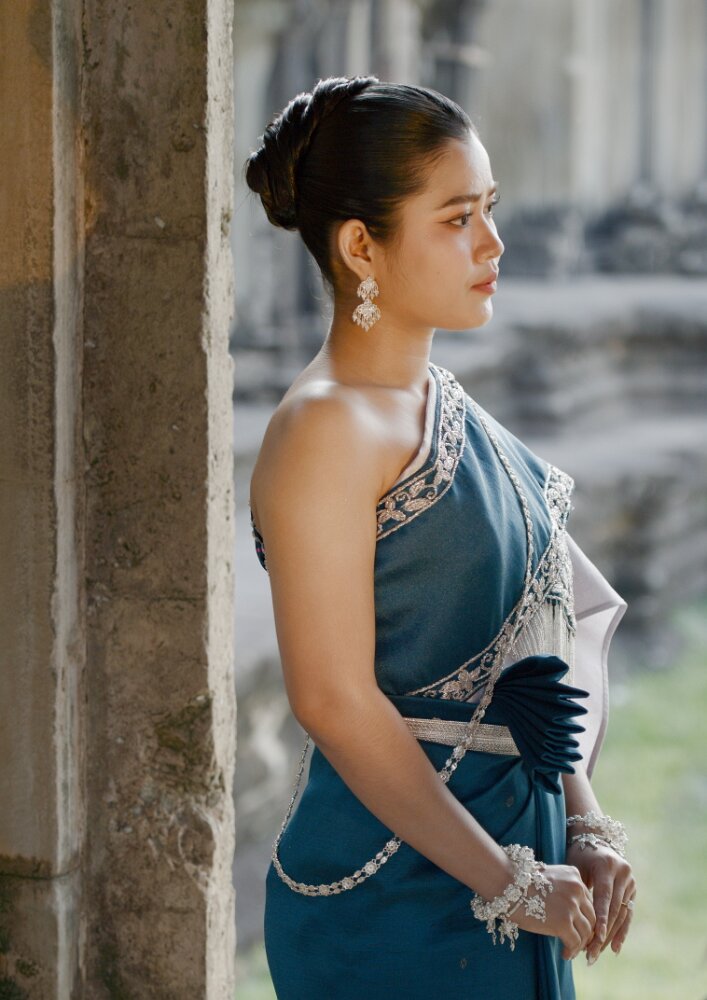
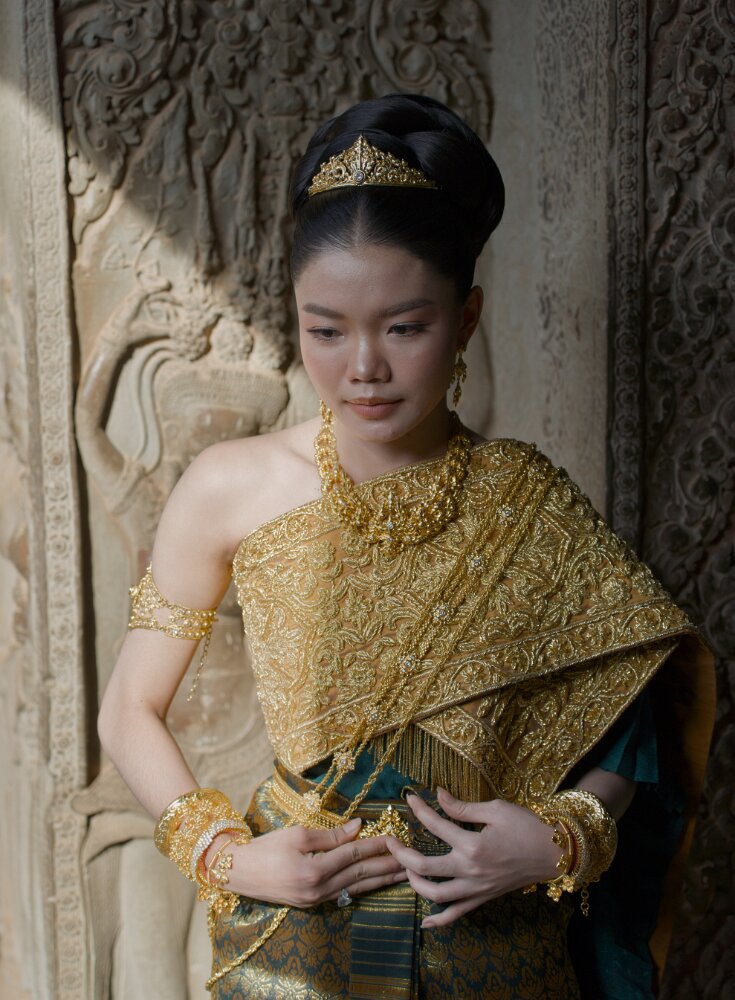
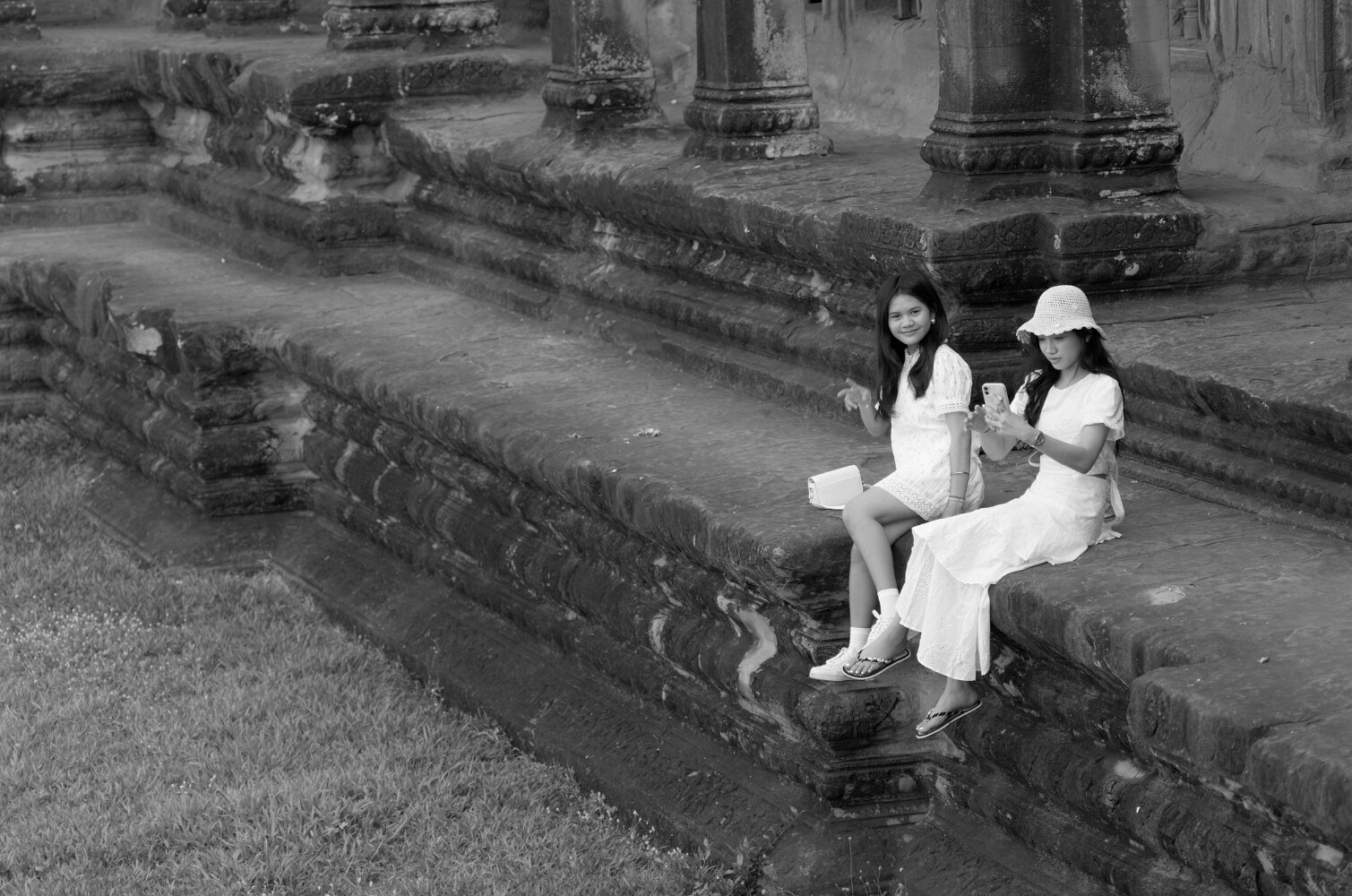
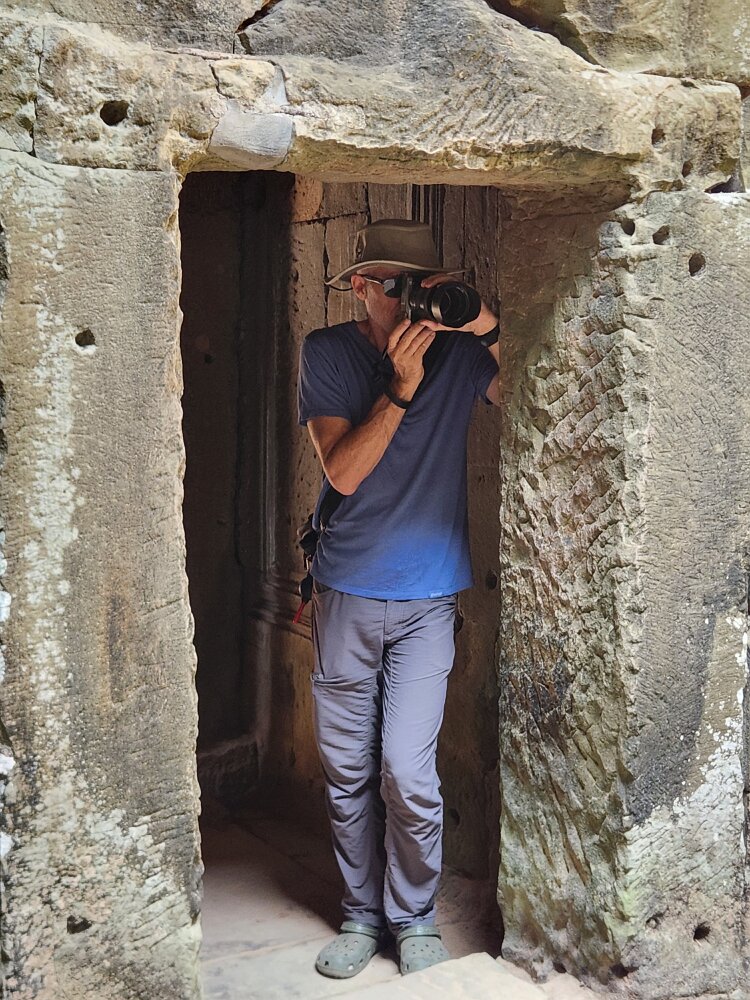
The border conflict with Thailand and Cambodia's reputation as a haven for online scam centers seems to have discouraged travelers from visiting the country. Still, more than ten thousand visitors may come to Angkor on a given day during the peak season. I was growing increasingly frustrated by people ruining my pictures (I know, don't say "I am in a traffic jam"; do say "I AM the traffic jam", but, whatever).
Until I had an epiphany: if you cannot beat them, join them! So, I embraced the situation and pointed my lens to the visitors.
Kampong Phluk: life on stilts
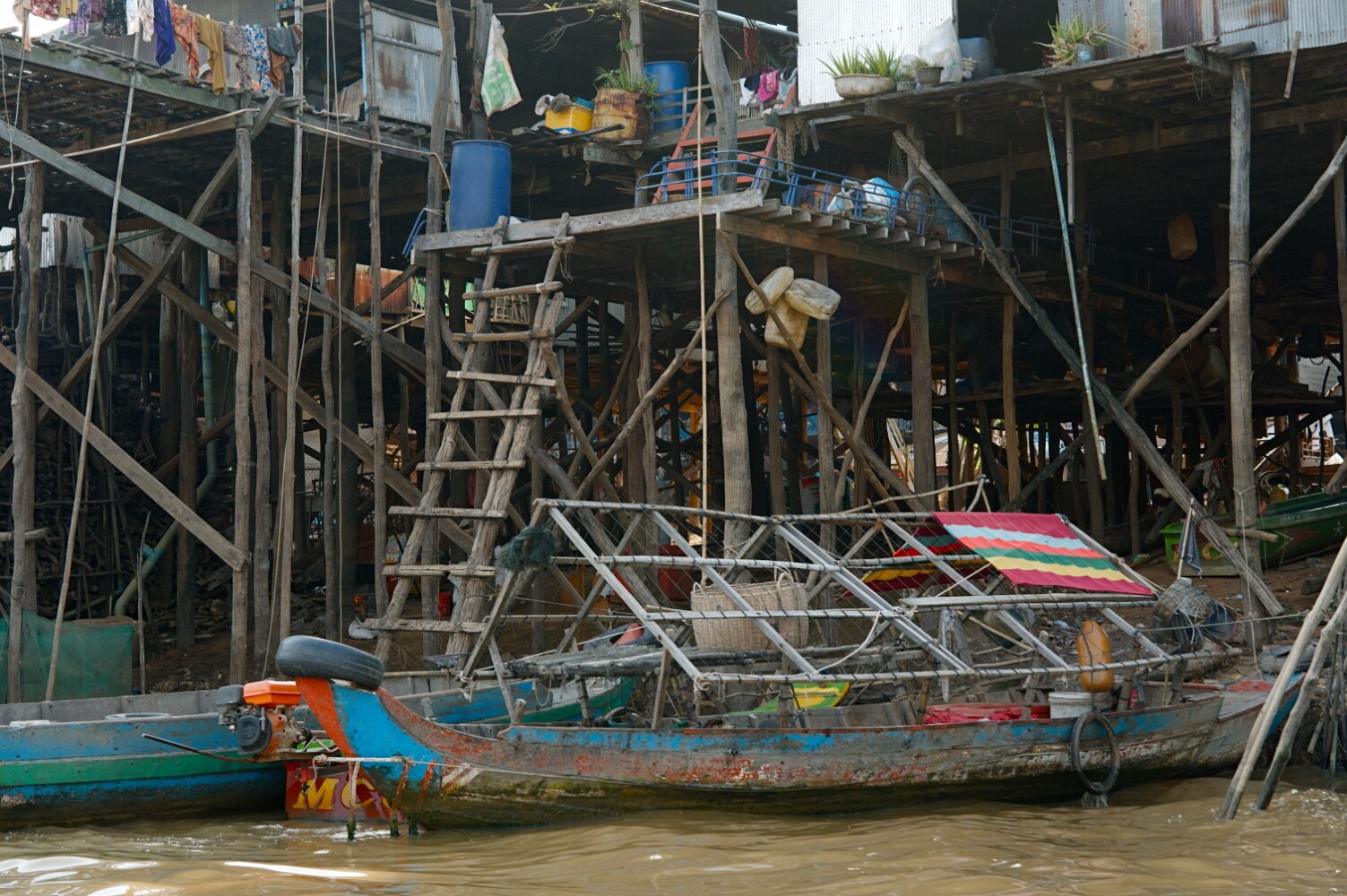
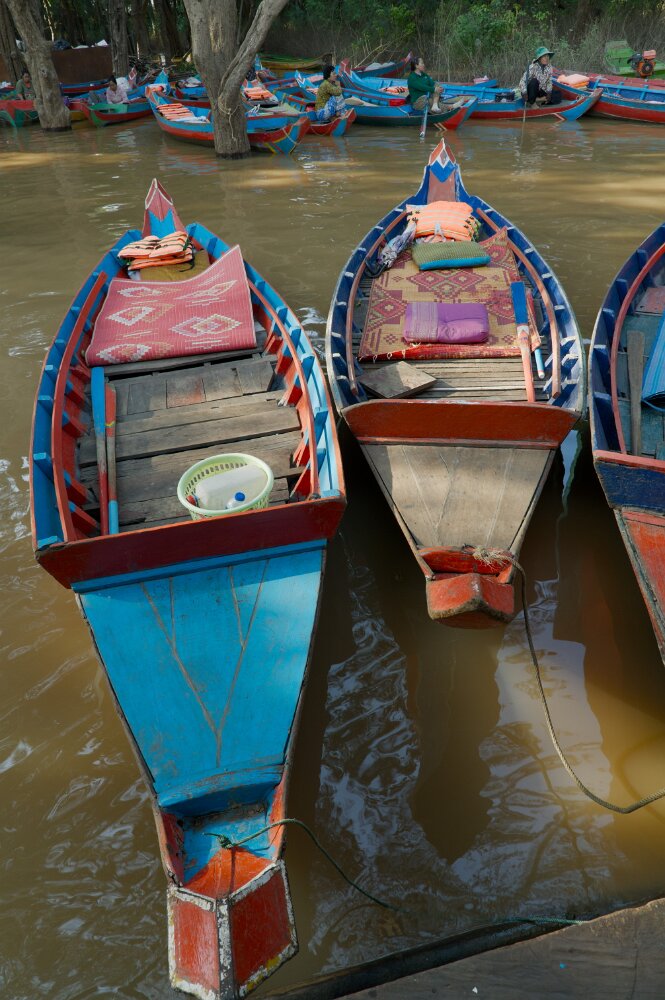
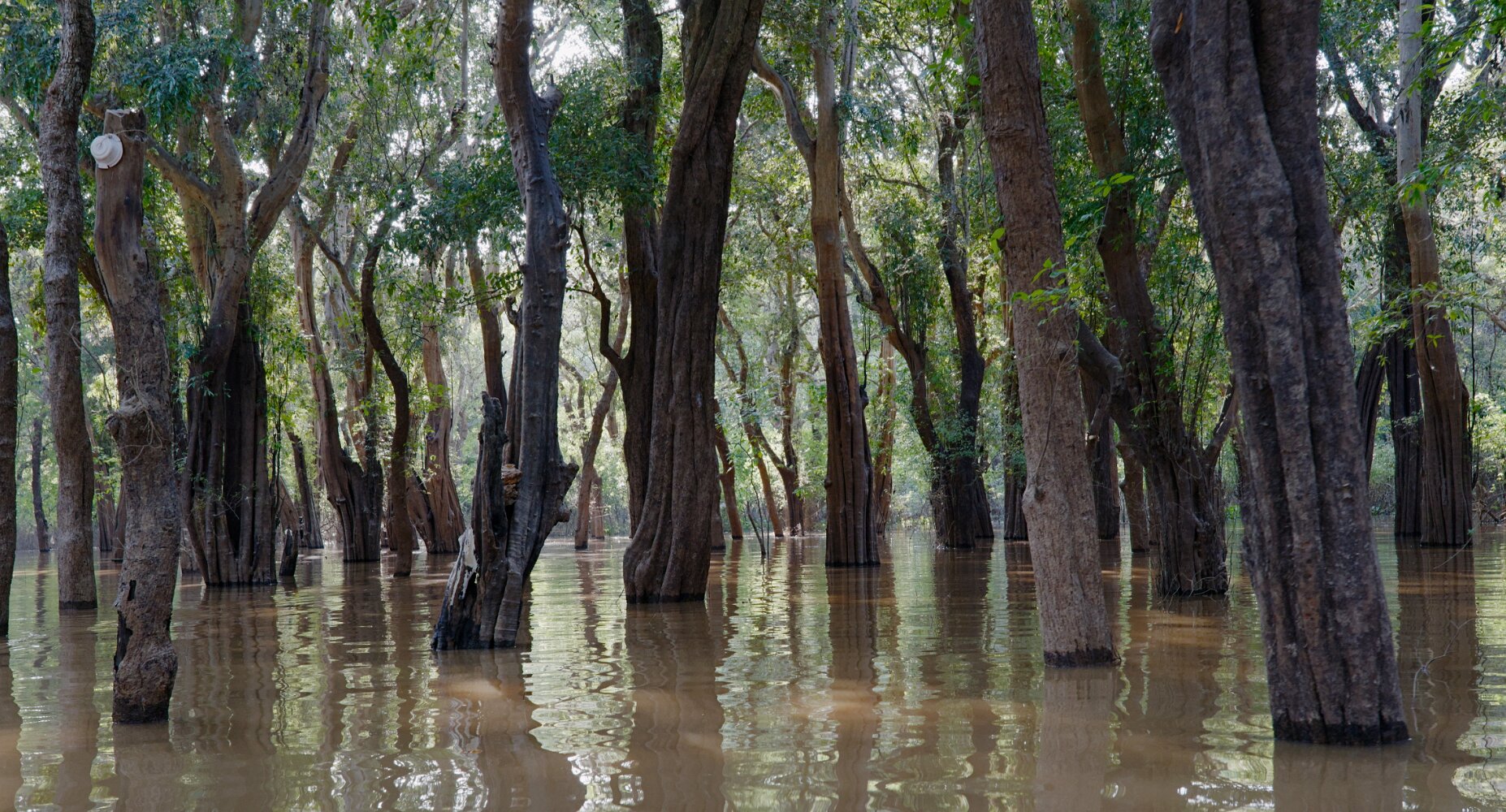
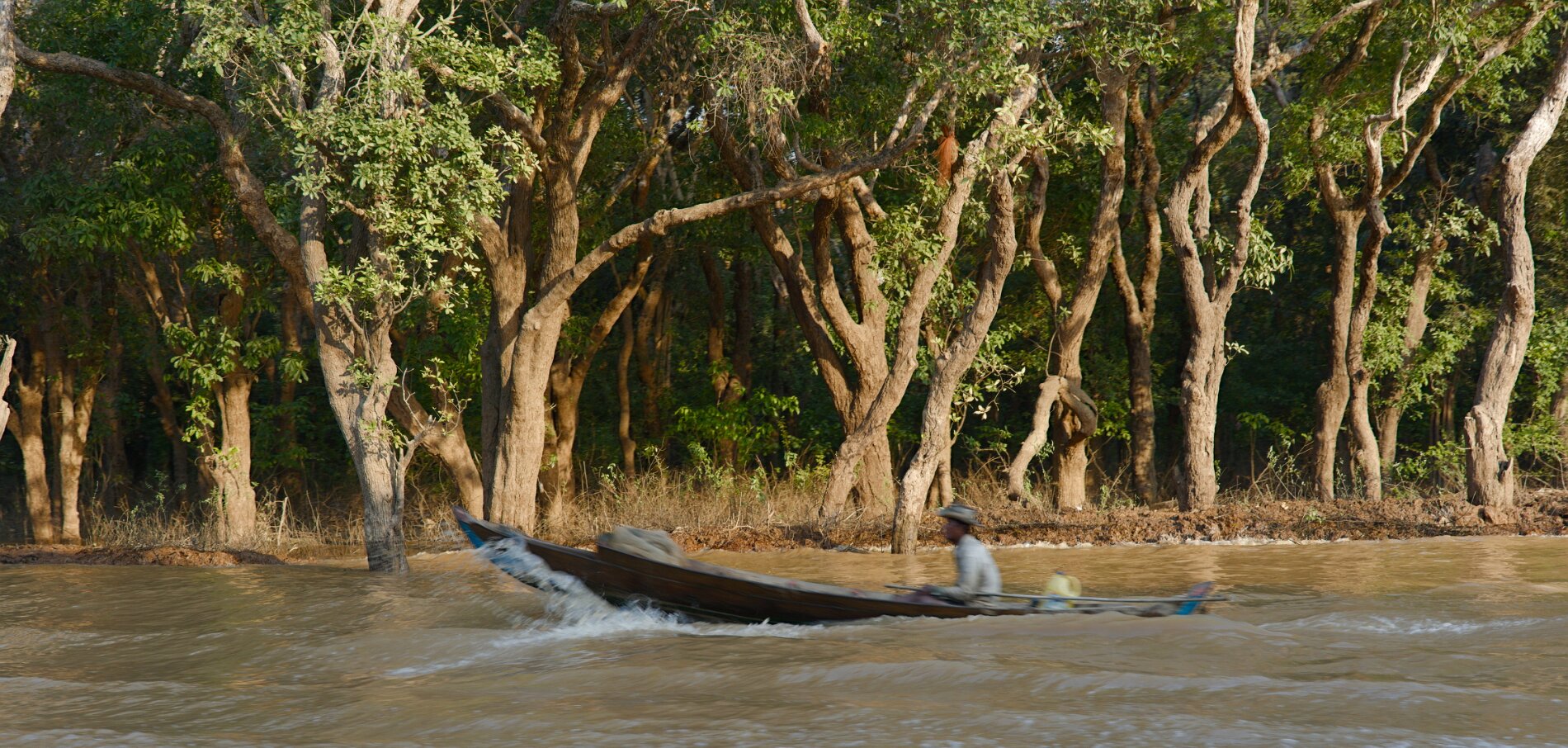
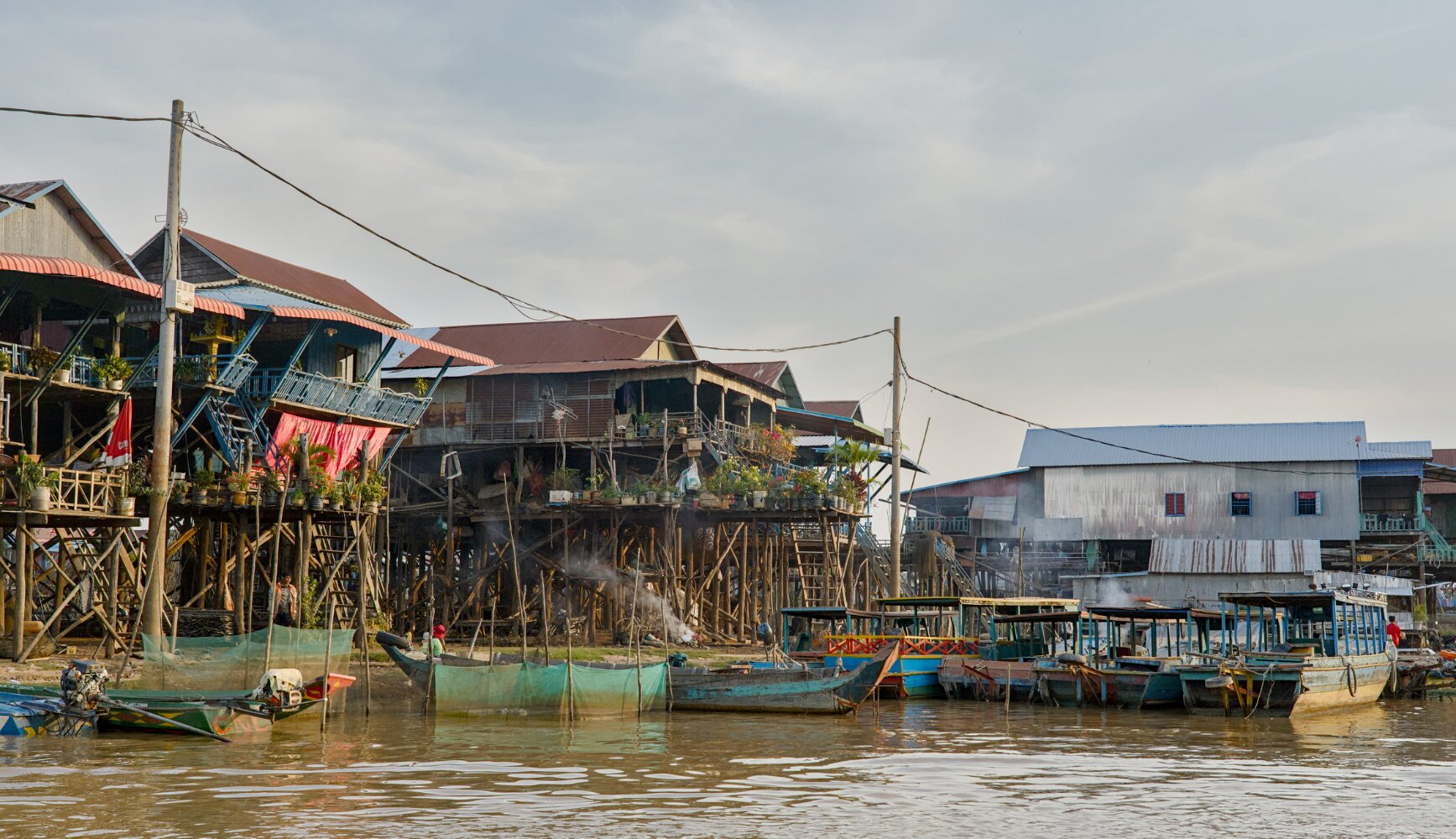
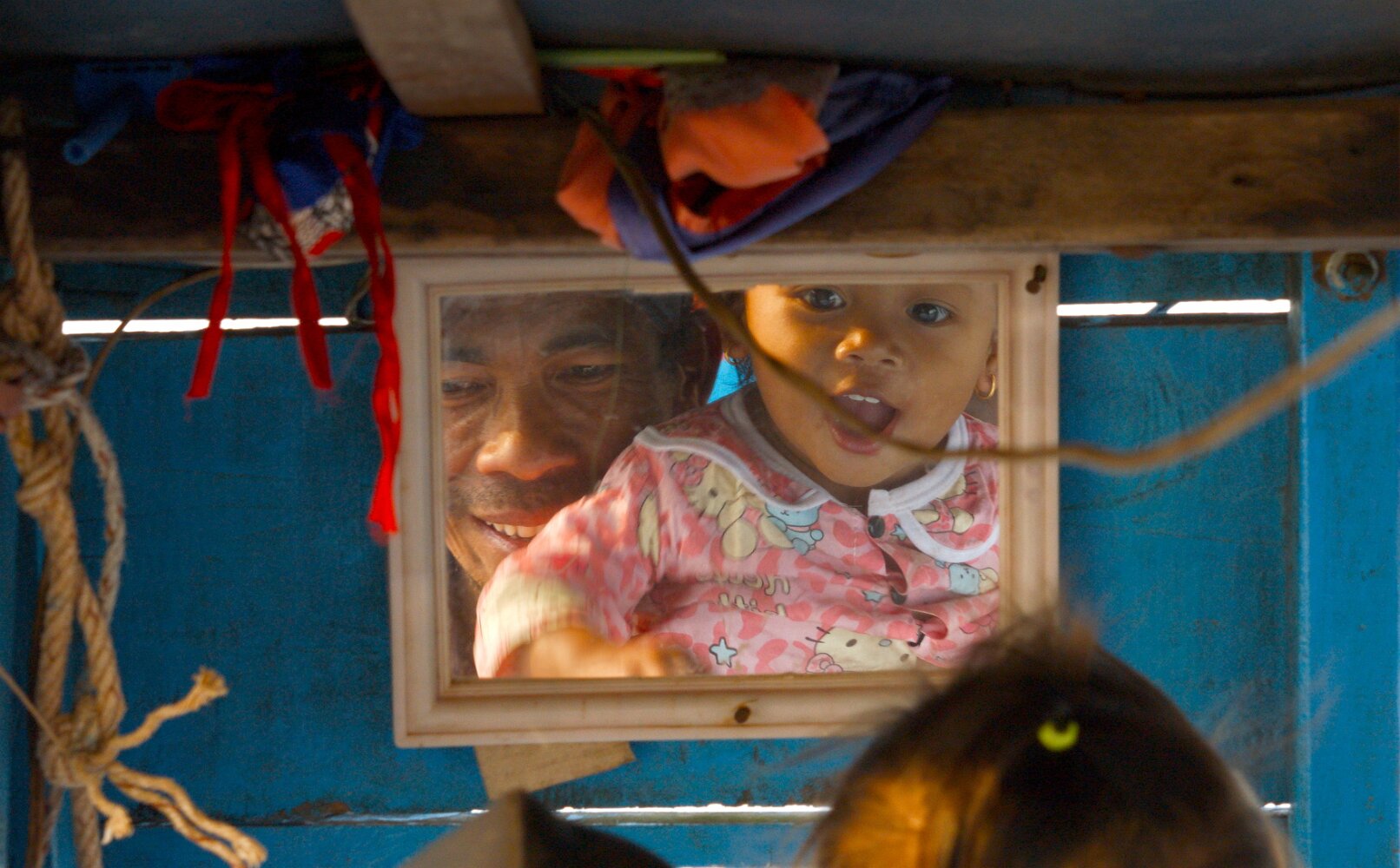
Kampong Phluk is a unique community on Cambodia's Tonle Sap Lake, remarkable for its stilted houses and flooded mangrove forests. The lake is known for its massive expansion during the monsoon season and for its reverse flow: in the dry season the lake flows into the Mekong River while during the rainy season the river flows into the lake, which gains an area equivalent to the size of Lake Erie.
Don Det Island, Laos
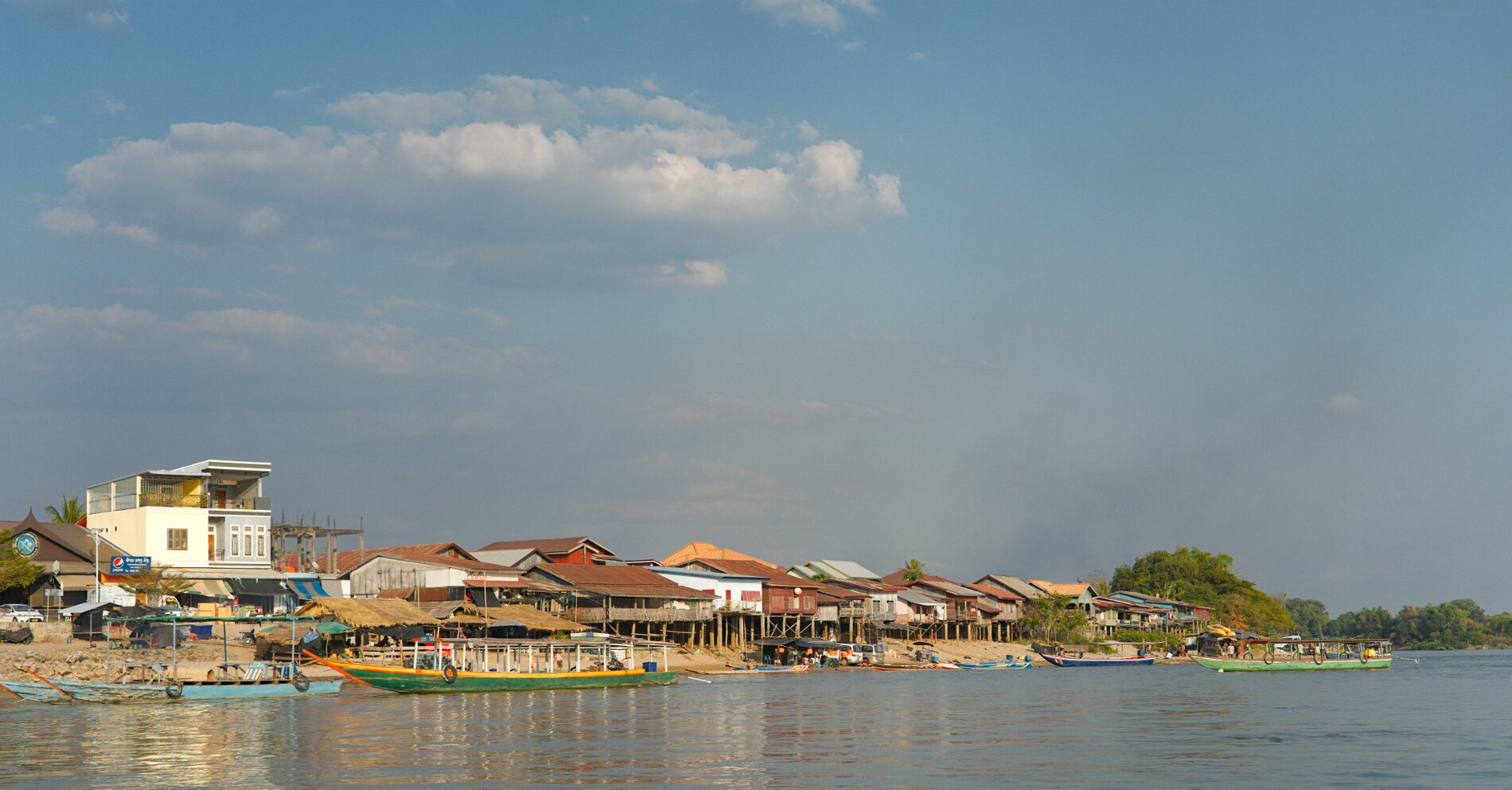
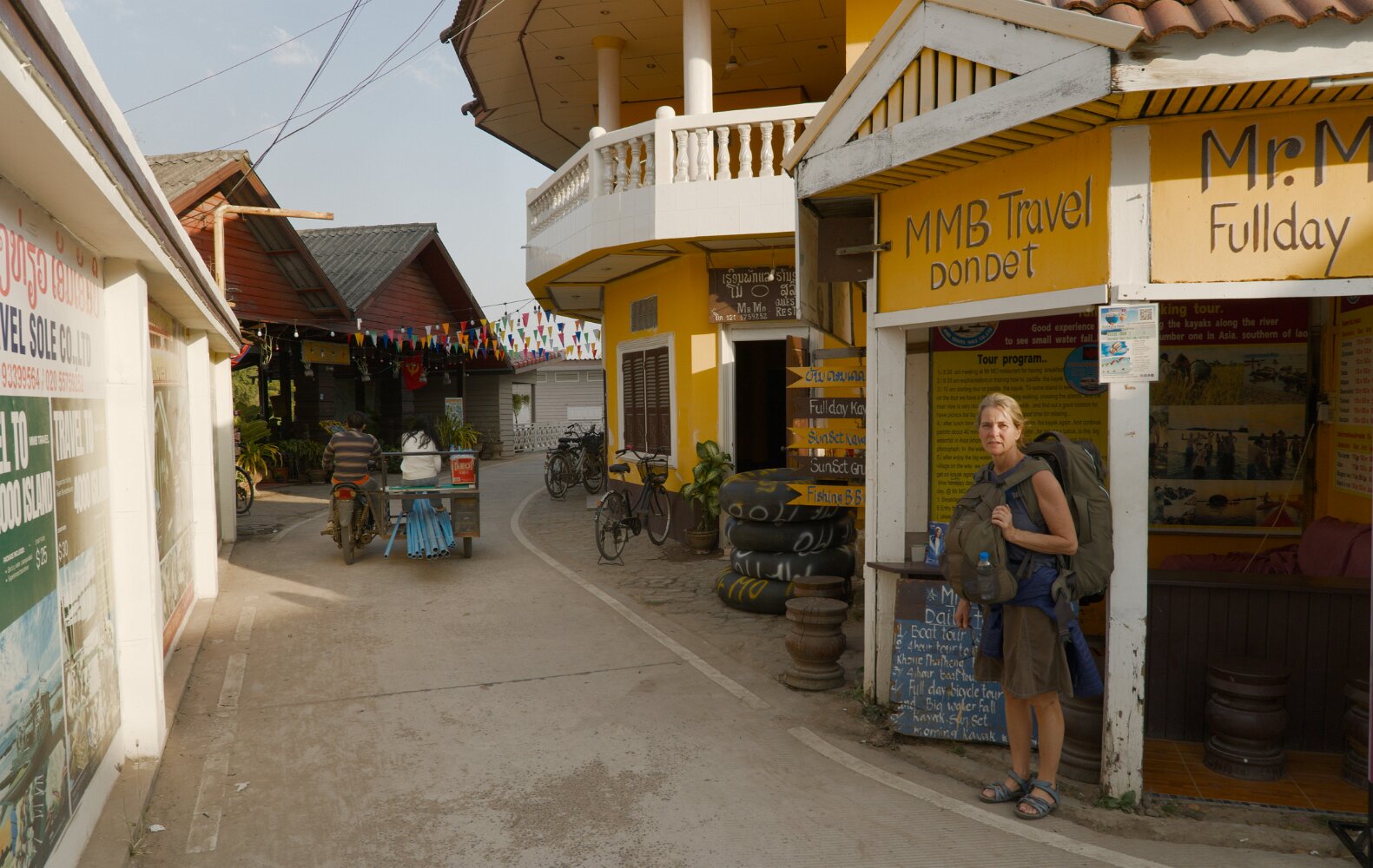
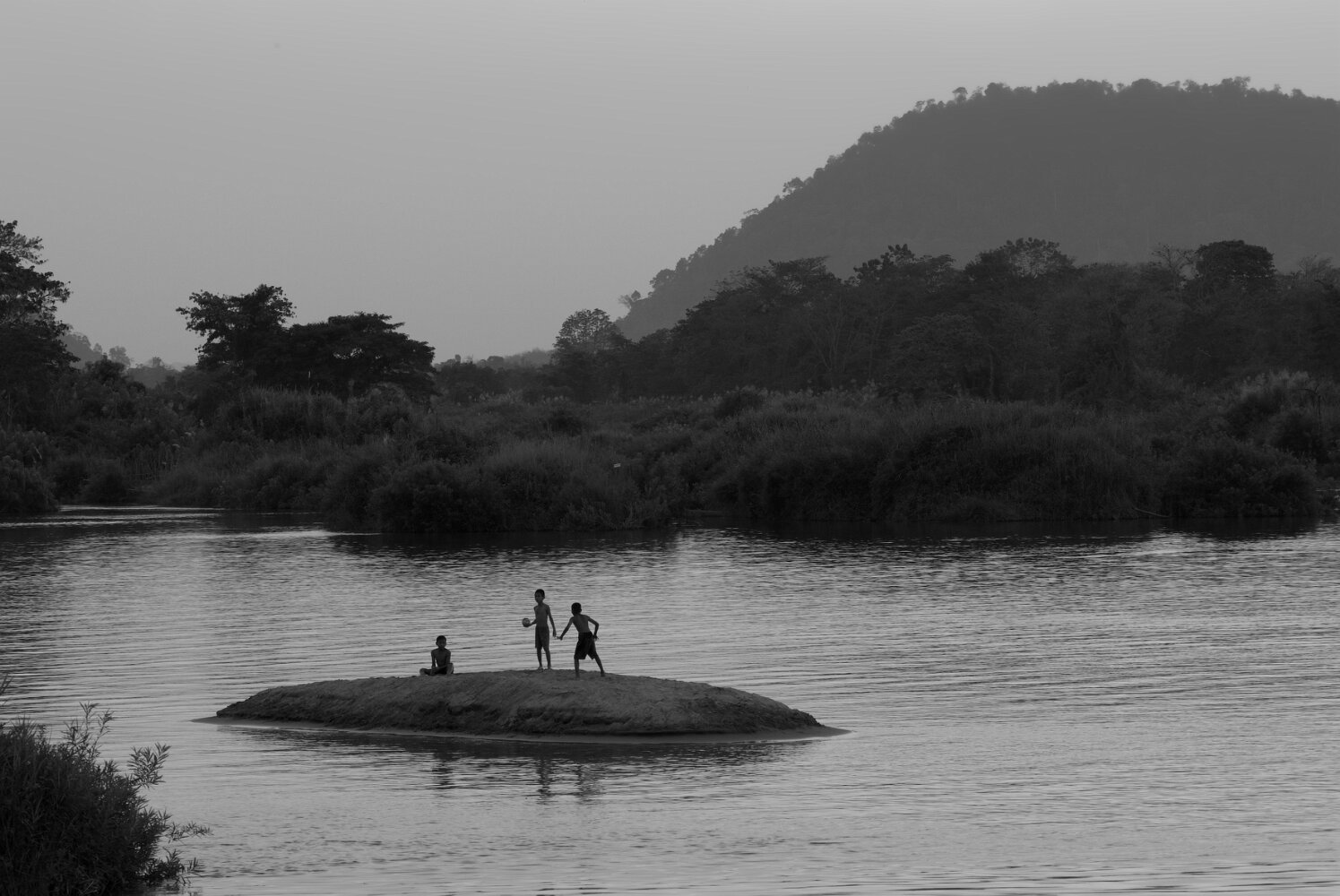
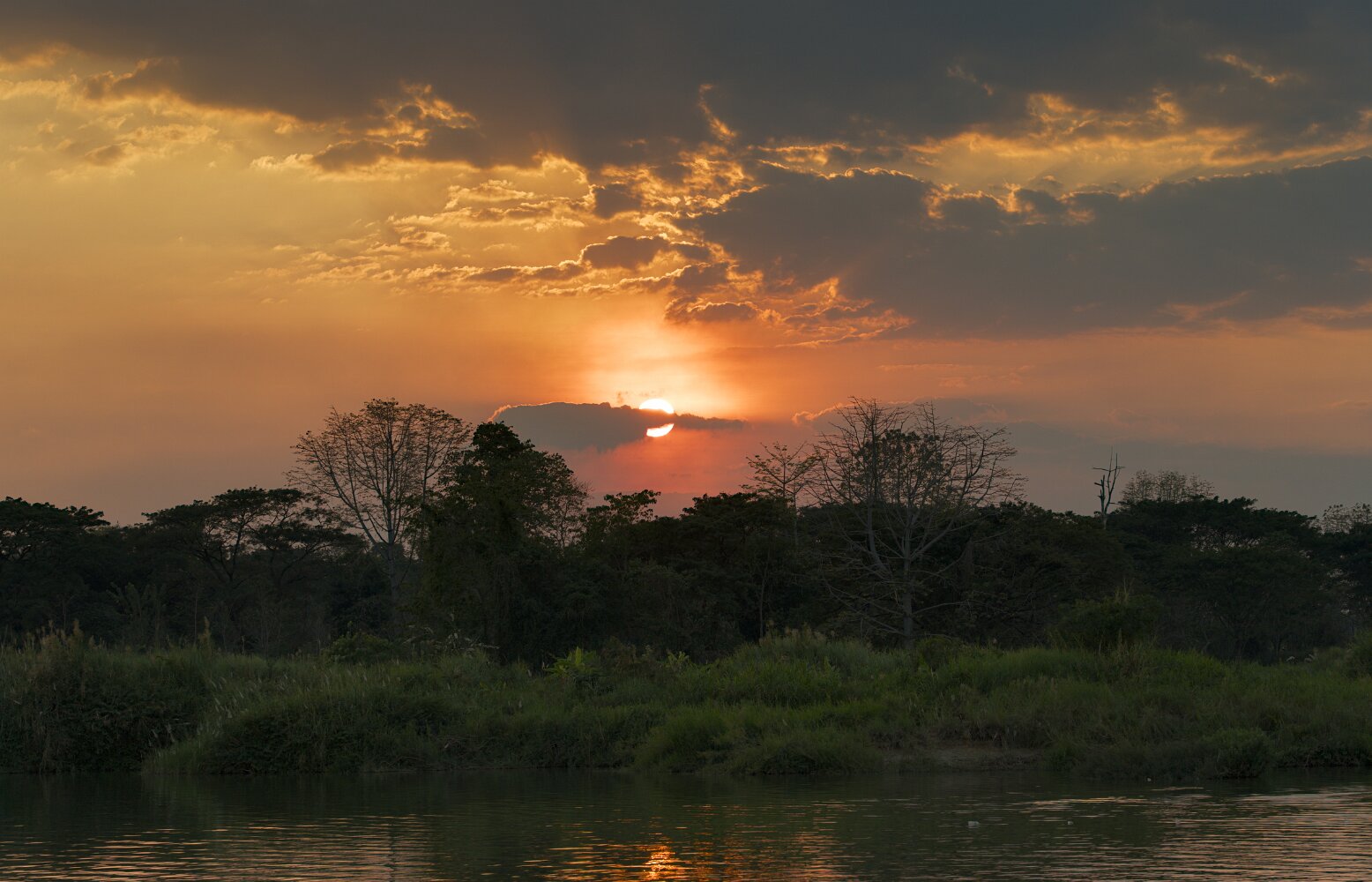
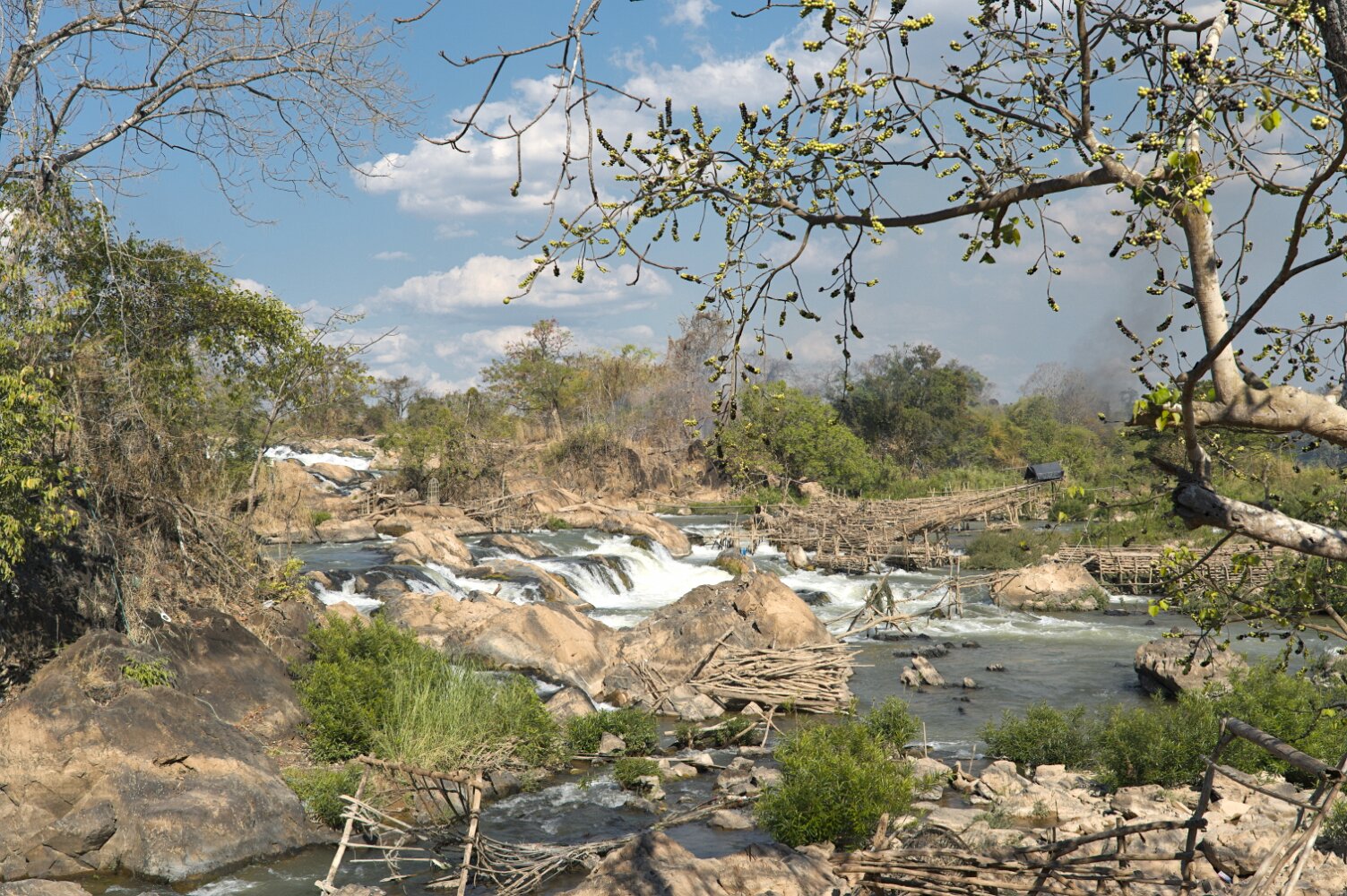
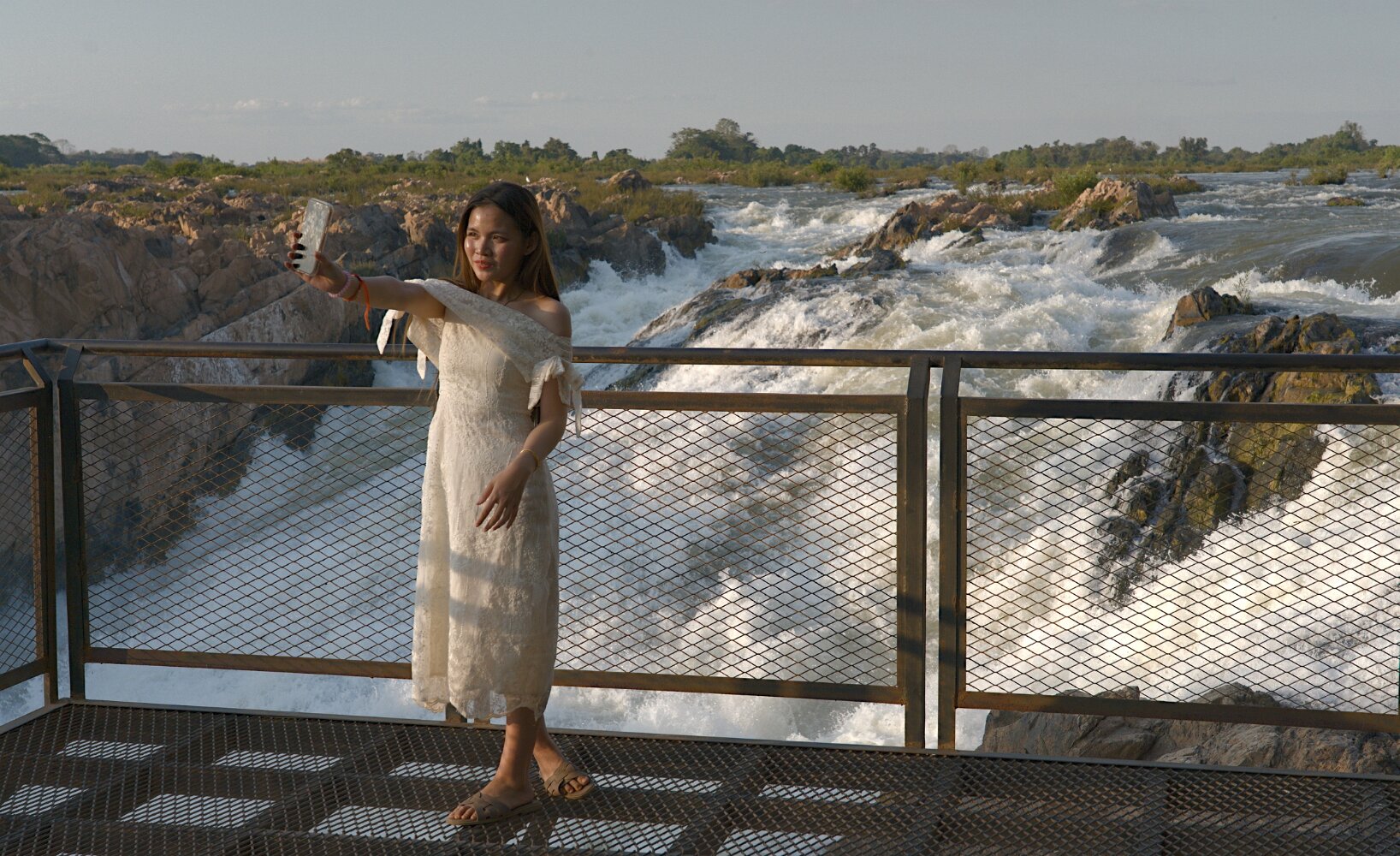
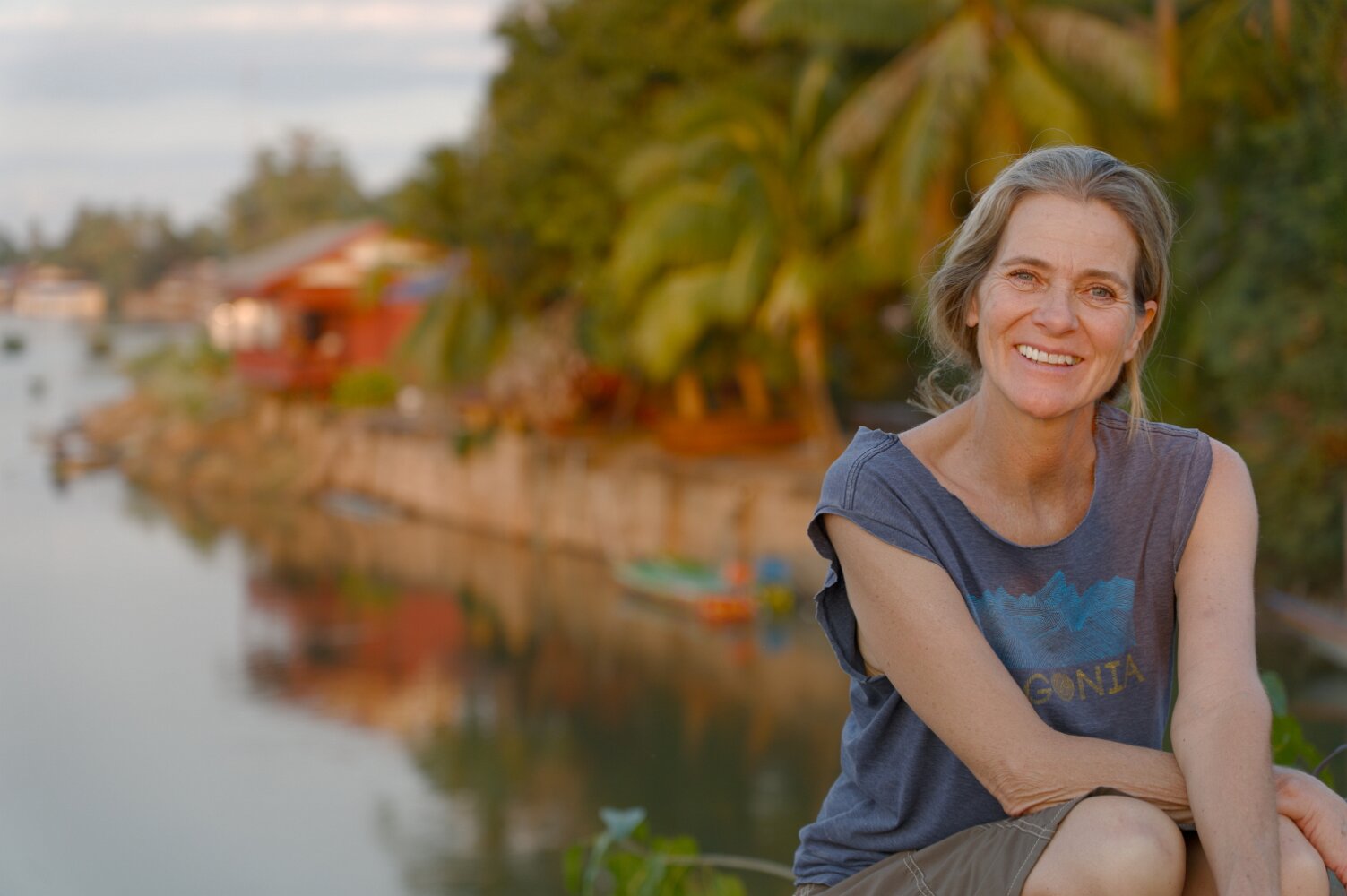
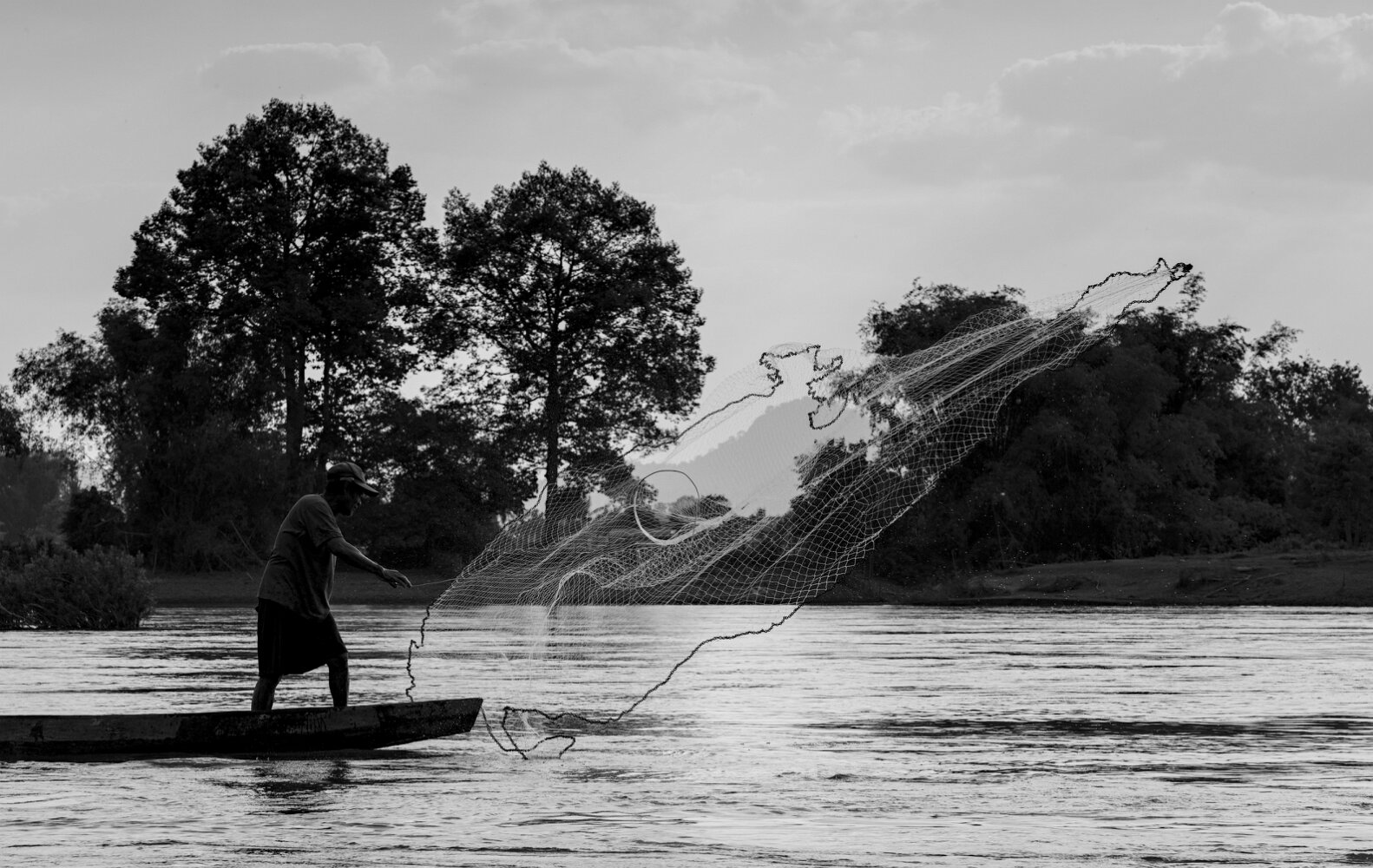
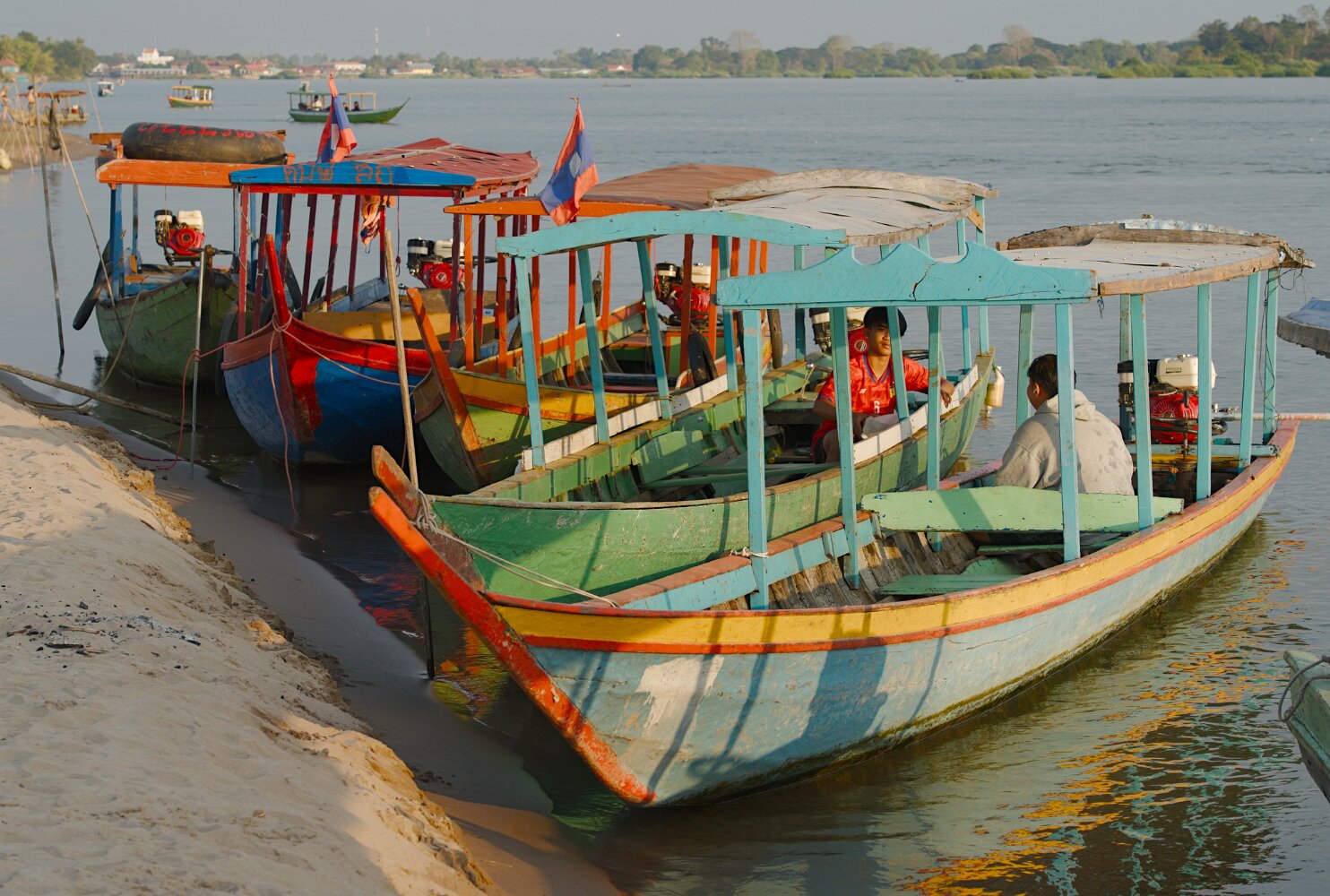
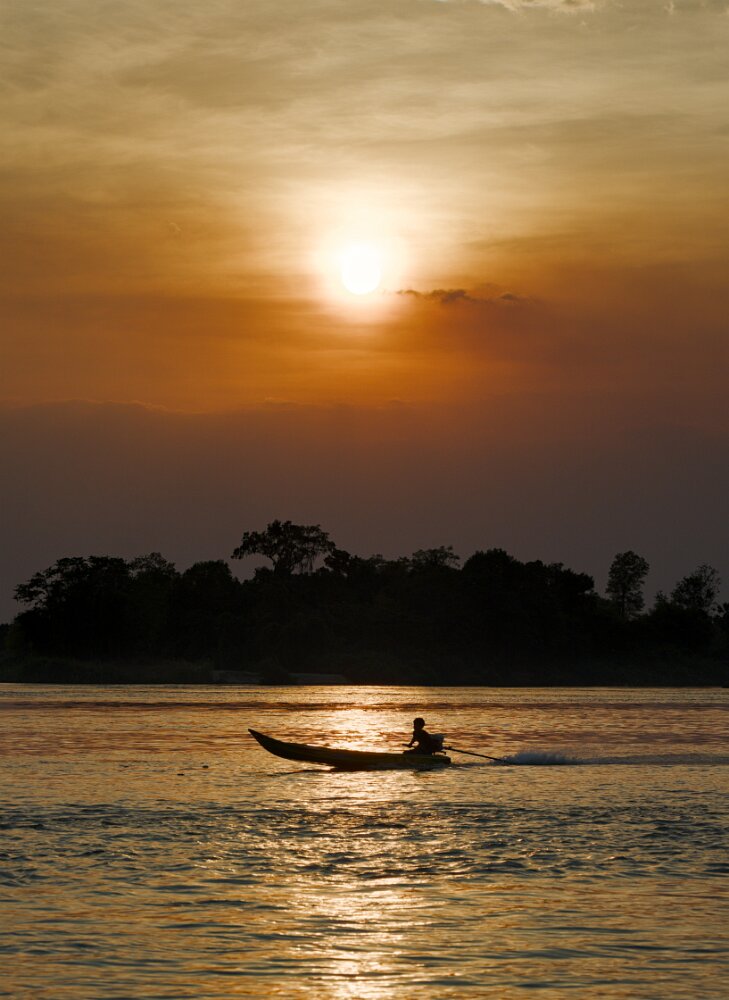
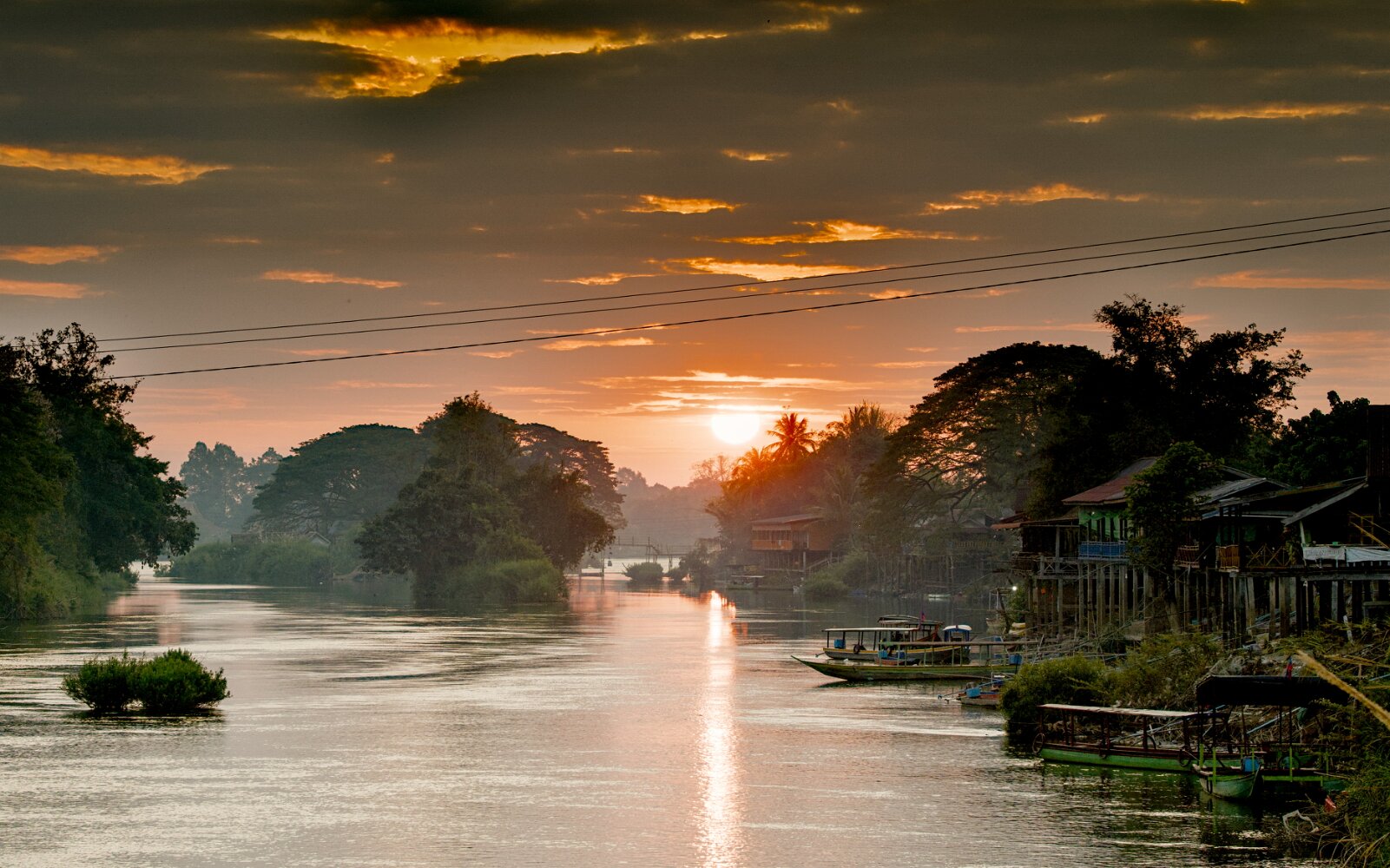
It took us a full day to get from Siem Riep to Don Det, first a bus across de border to Nakasong, and then a ferry to the island. Don Det is part of an area of the Mekong River known, for a good reason, as Four Thousand Islands. It is a backpackers paradise with no cars and glorious sunrises and sunsets: easy, flowy, laid back, tranquil. There are lots of European expats running homestays and bars. And no cars.
Savannakhet
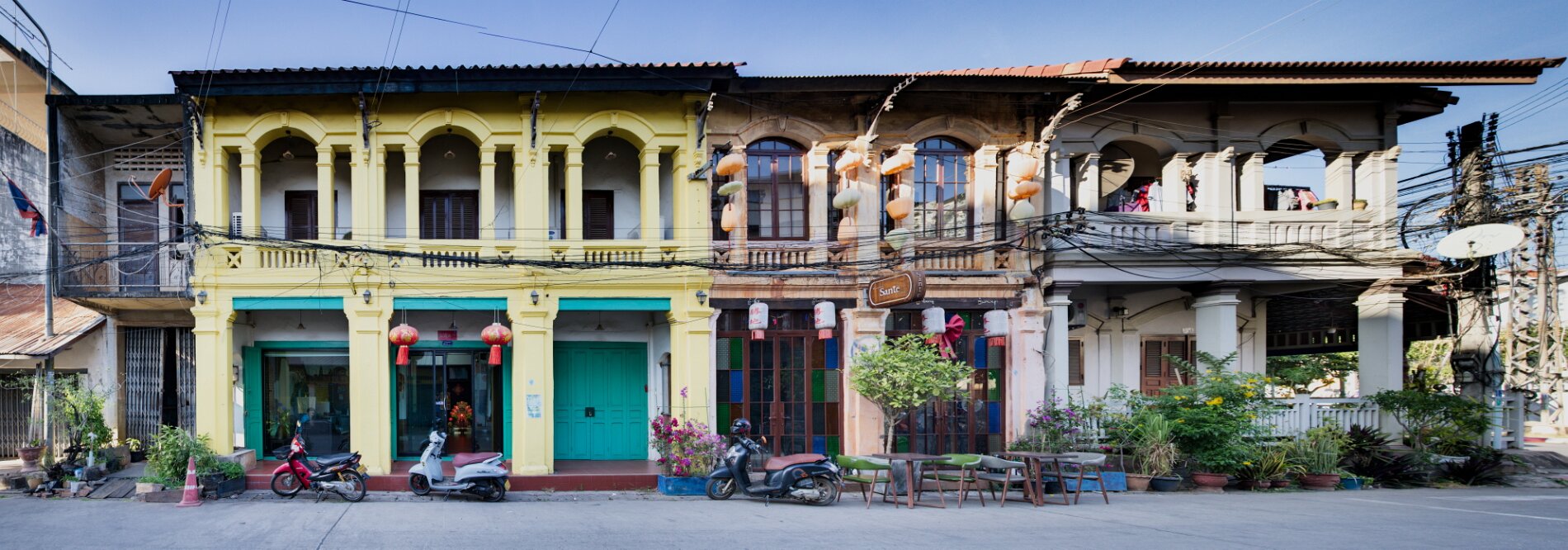
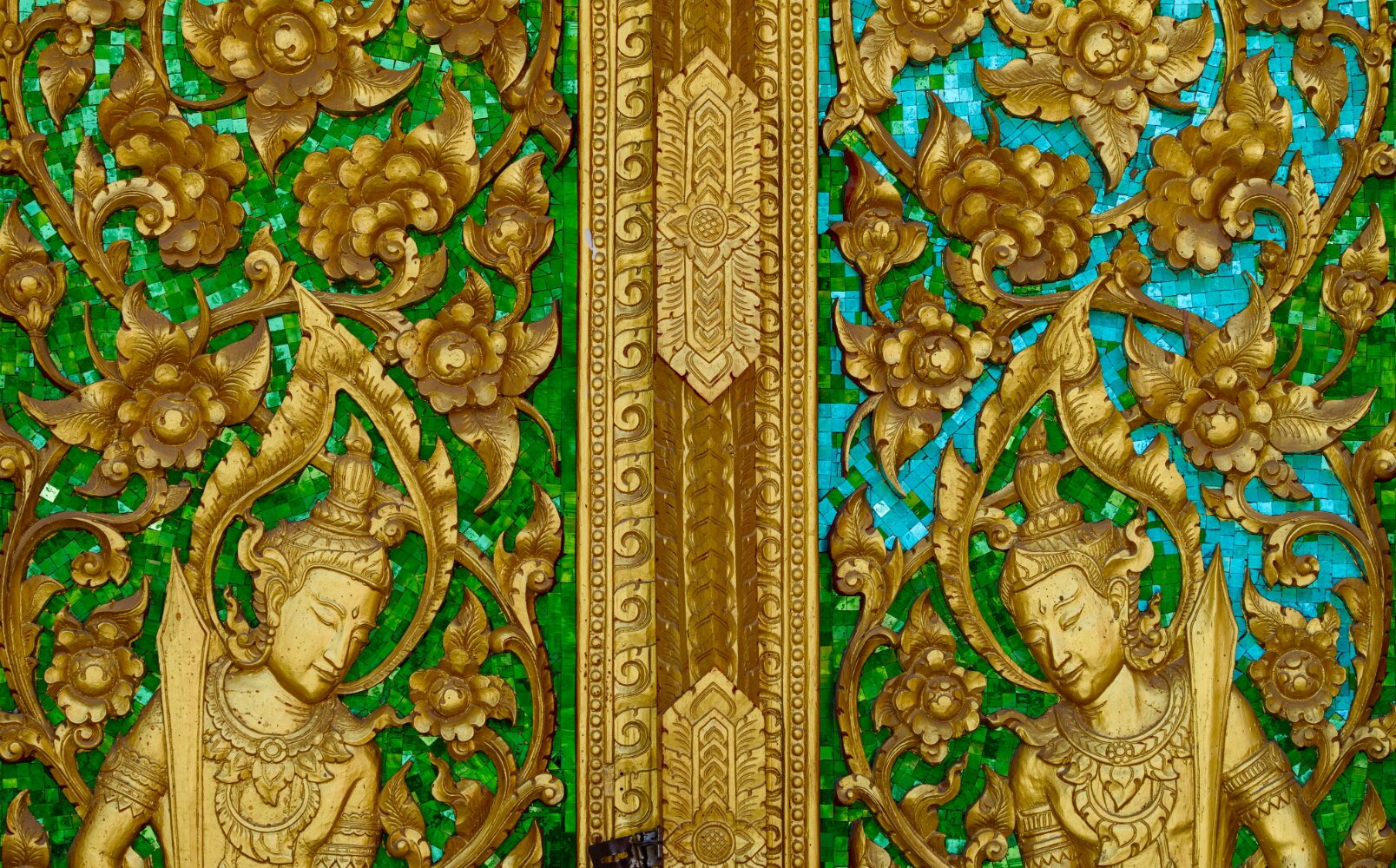
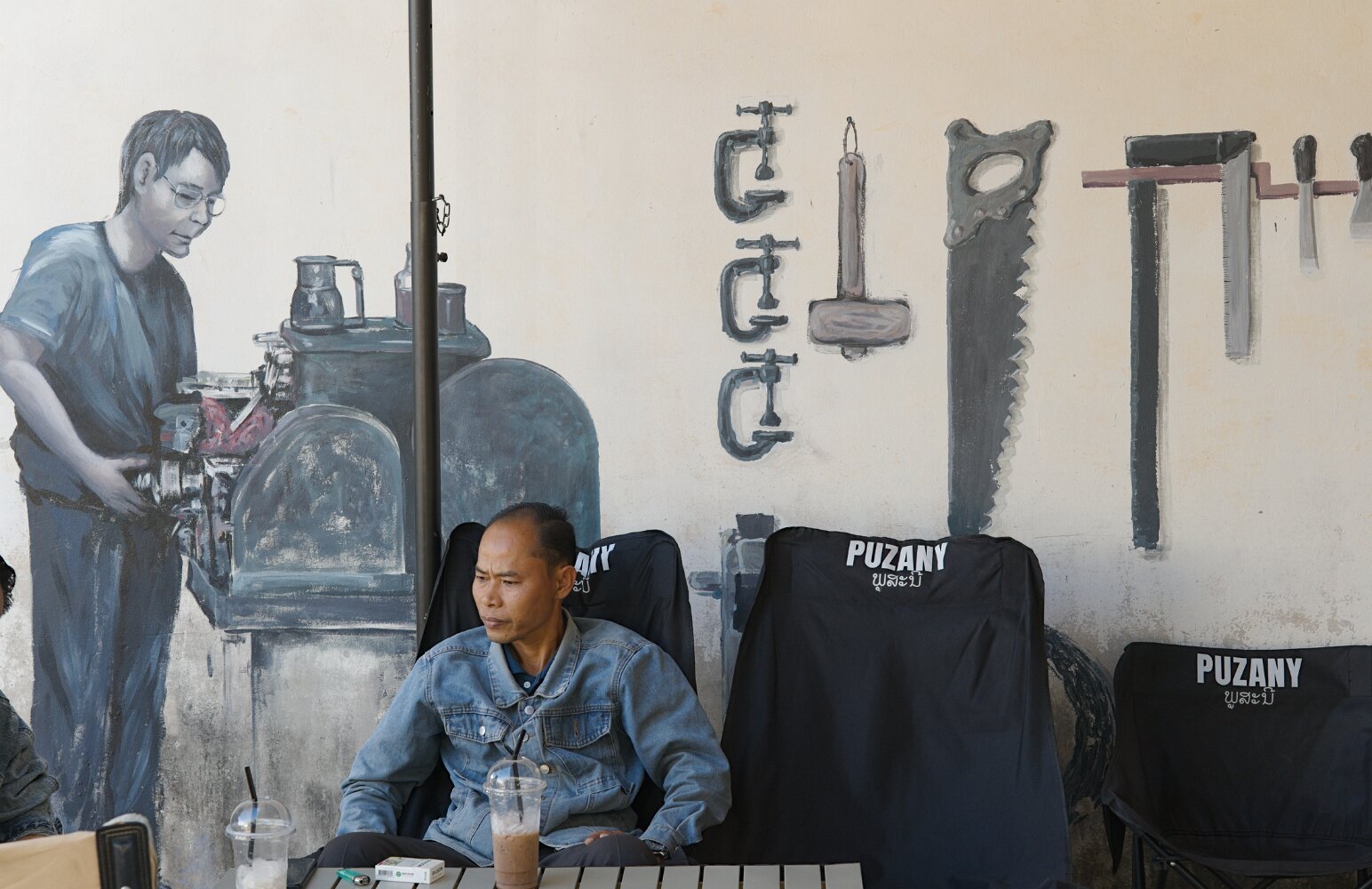
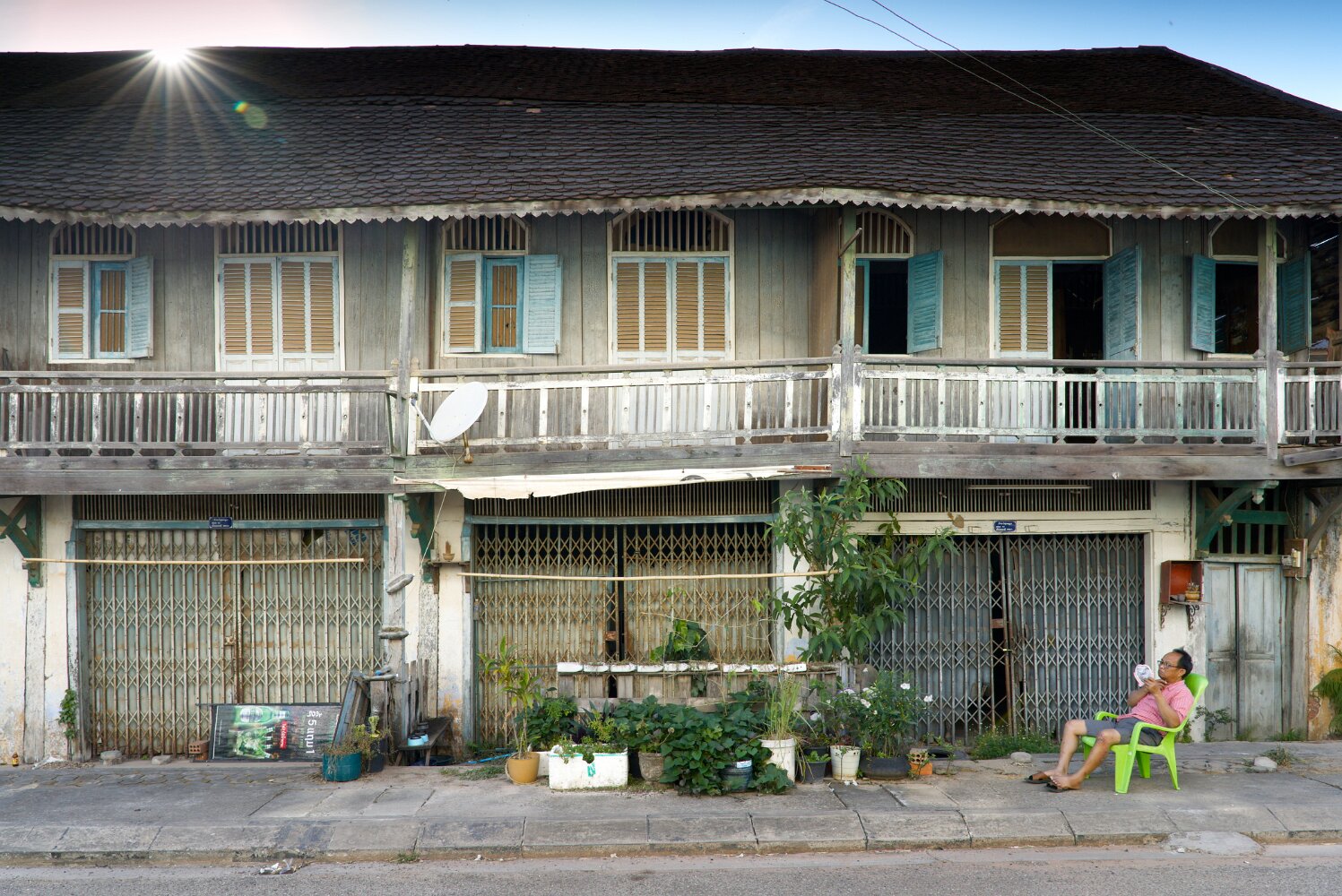
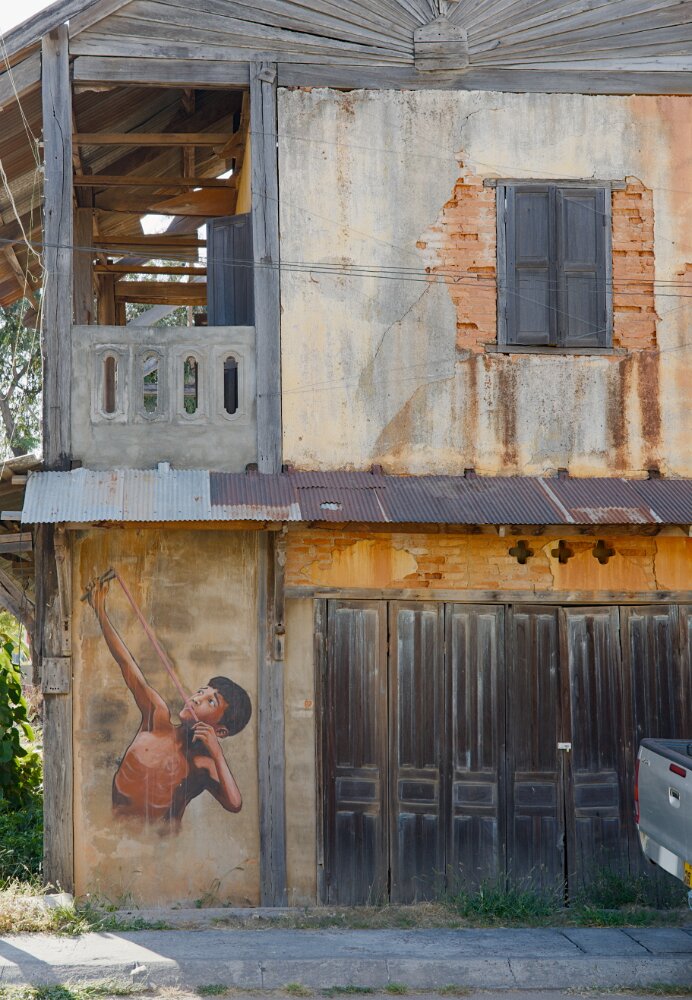
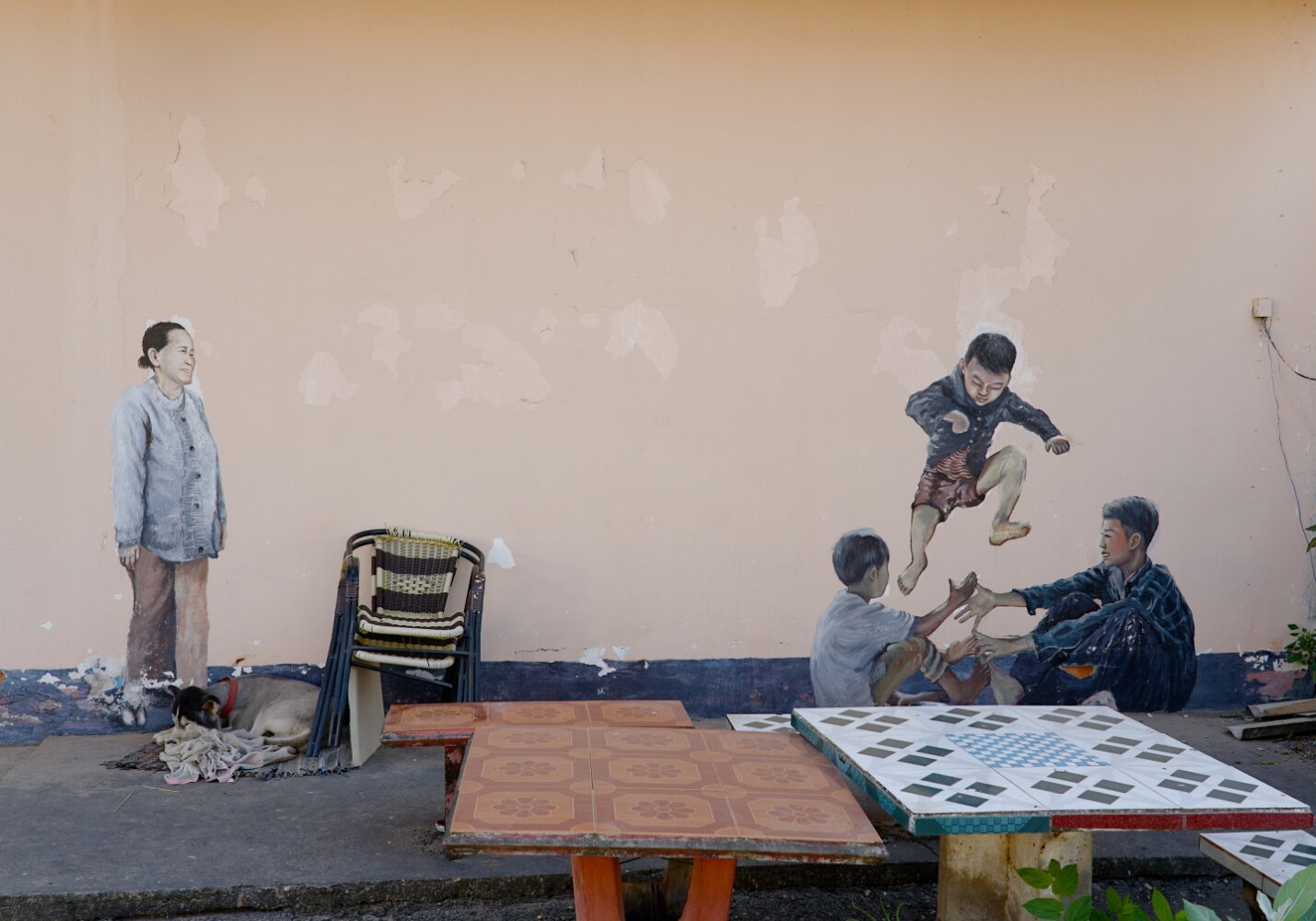
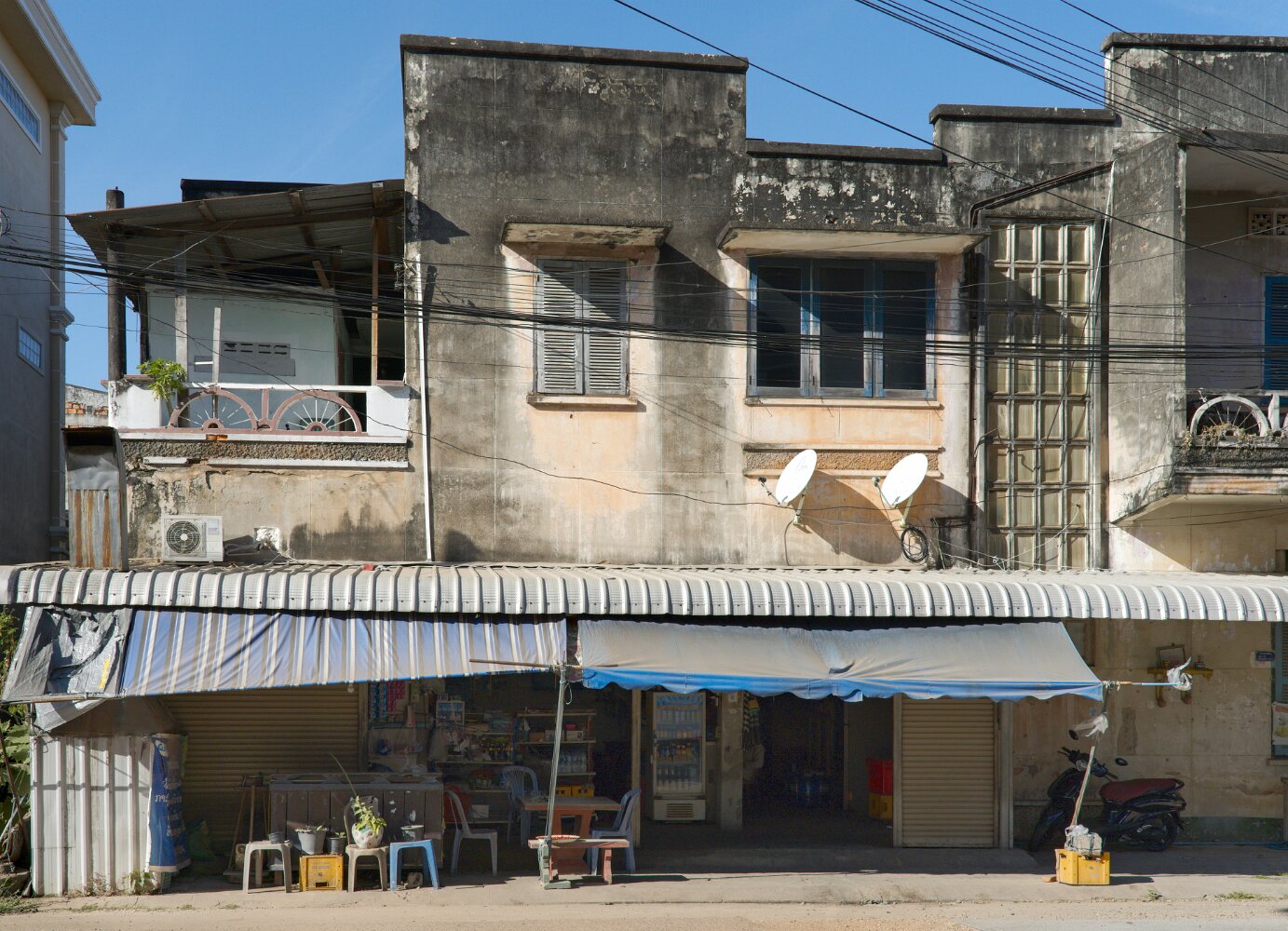
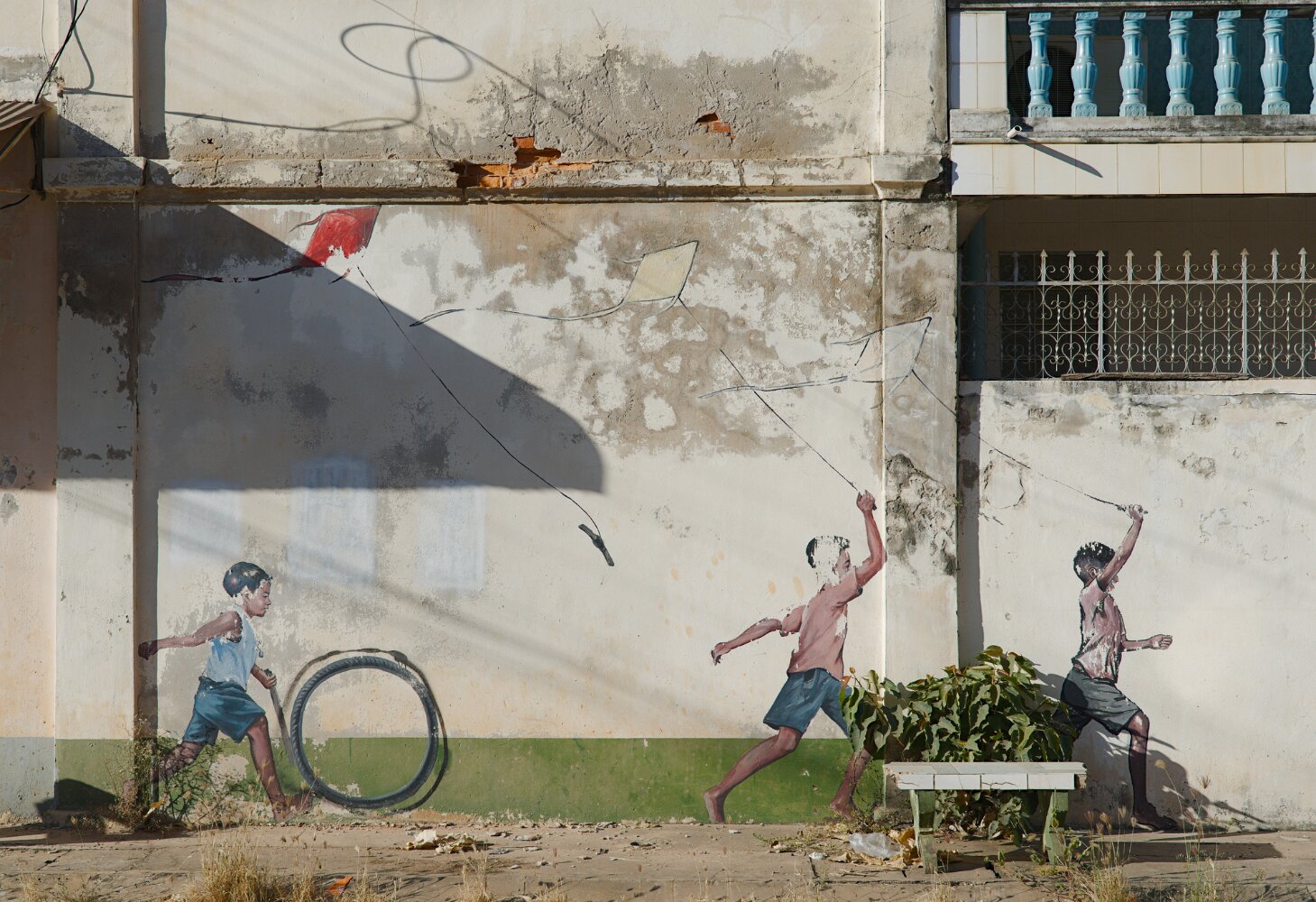
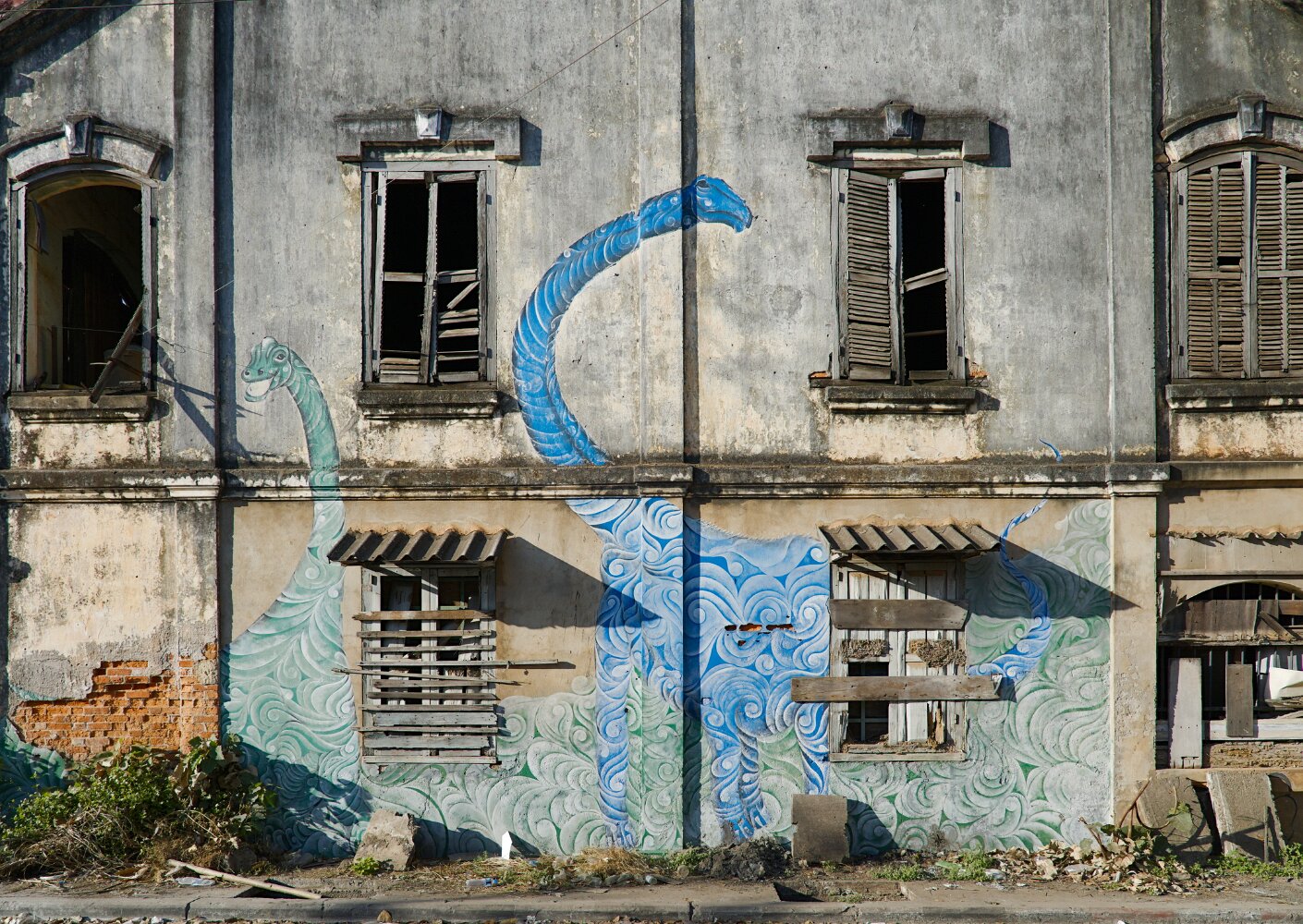
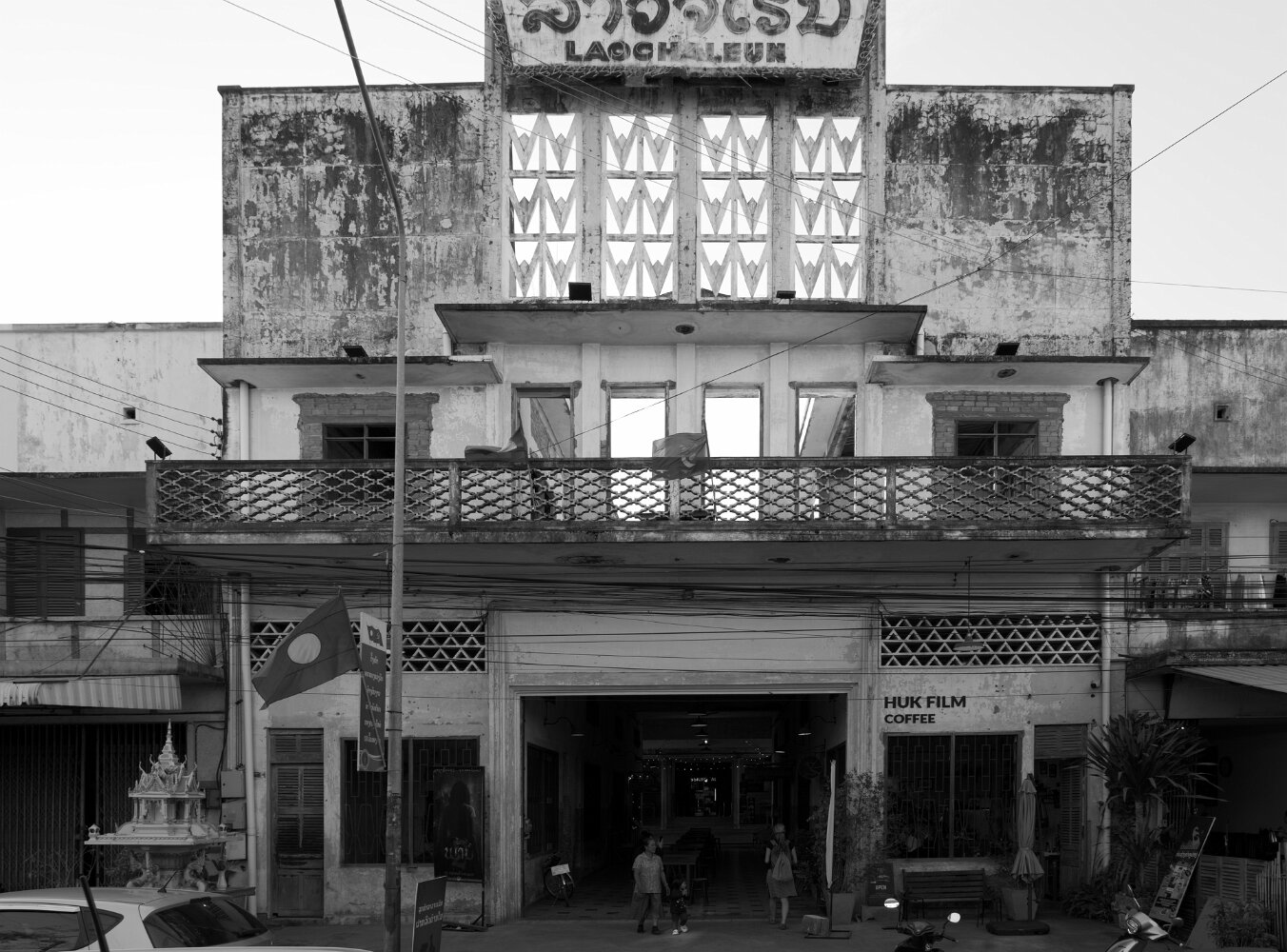
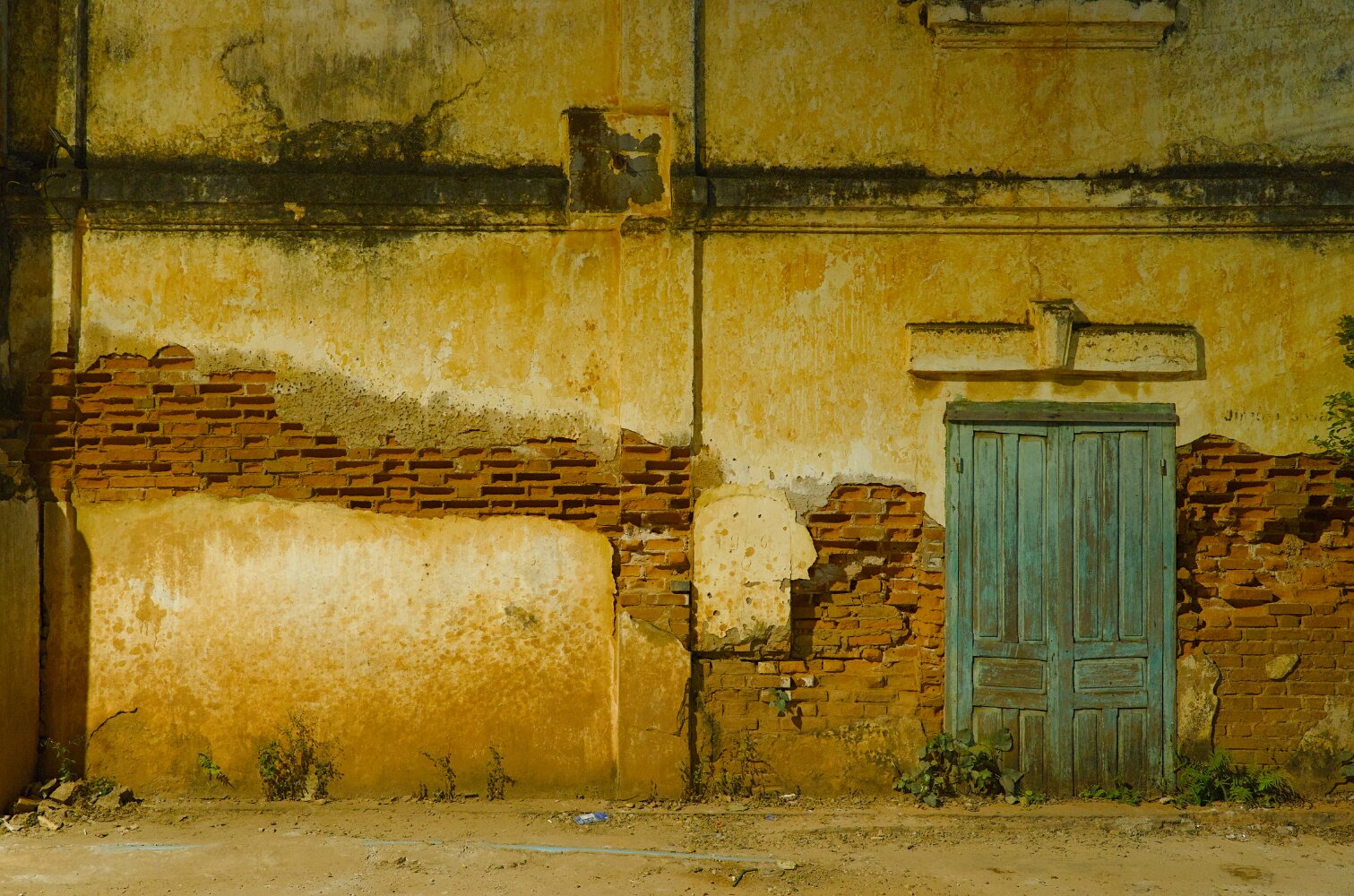
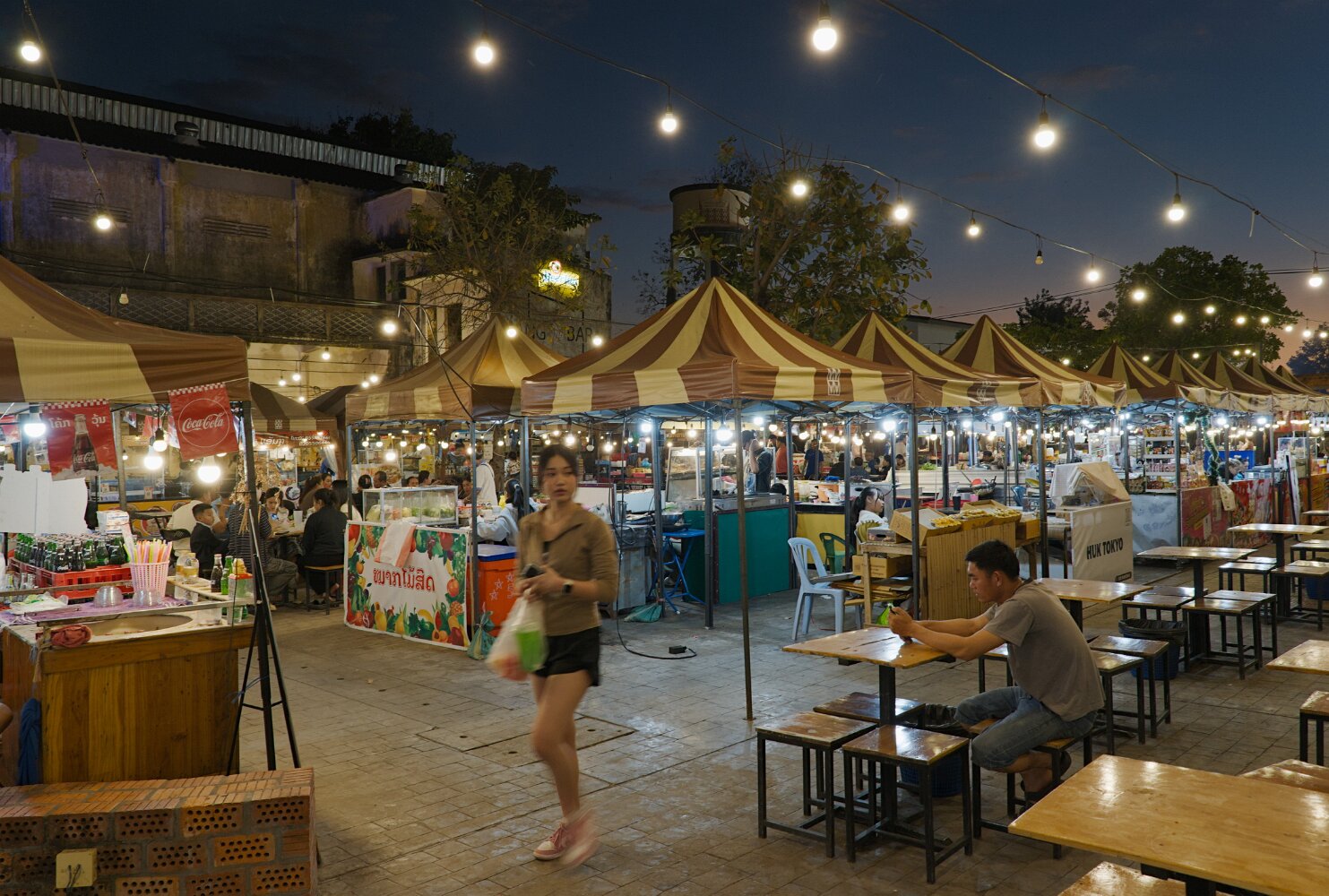
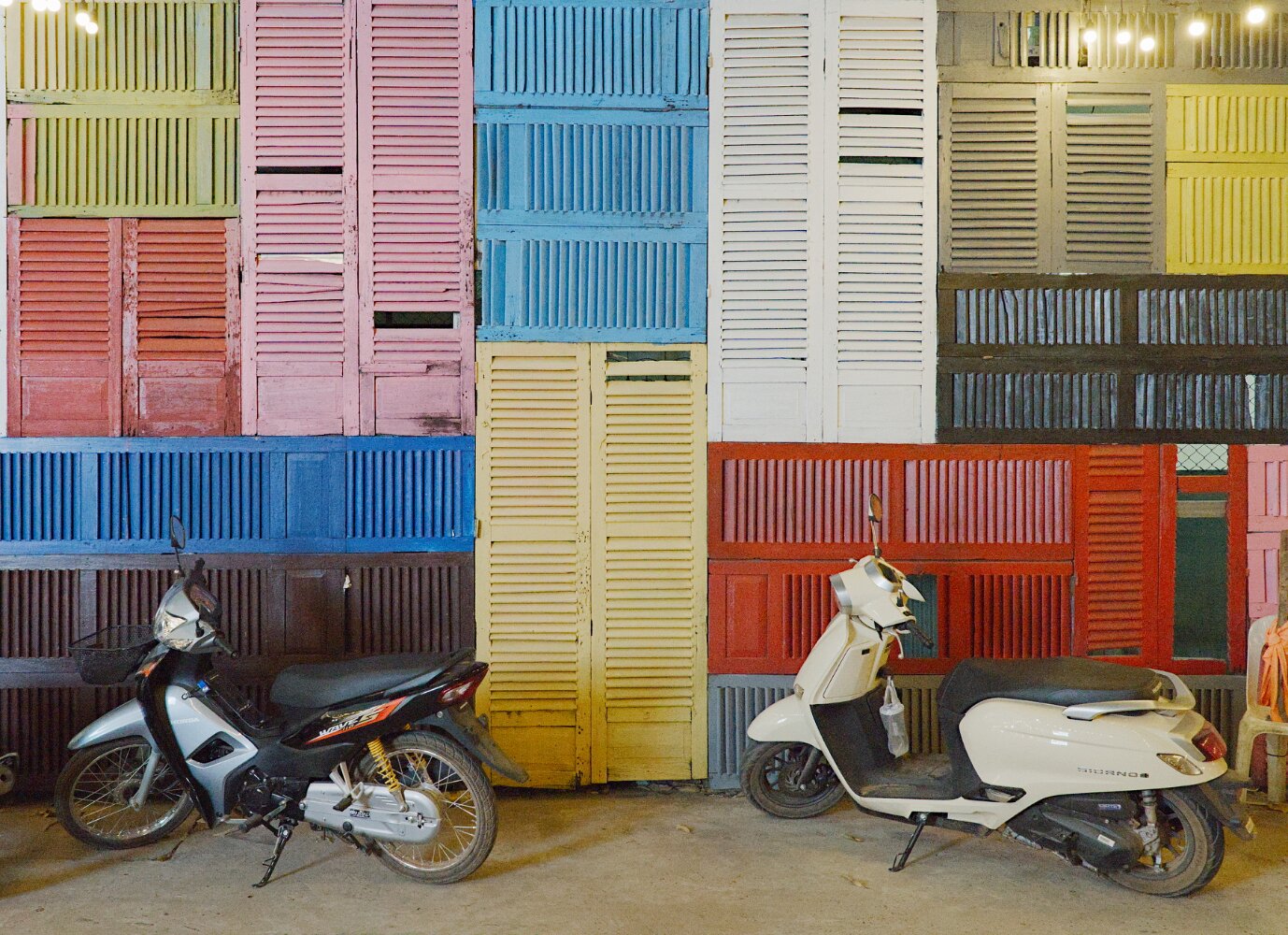
Many travelers skip Savannakhet but we are glad we did not, as we enjoyed getting lost in its streets with brutalist architecture, battered houses, and hidden pieces of street art. It was also one of the few places where English was not very useful in the night markets, making us go around several times before pointing out at what we chose to eat based on how it looked — I was happy with my choice; Autumn wasn't with hers.
Kong Lor
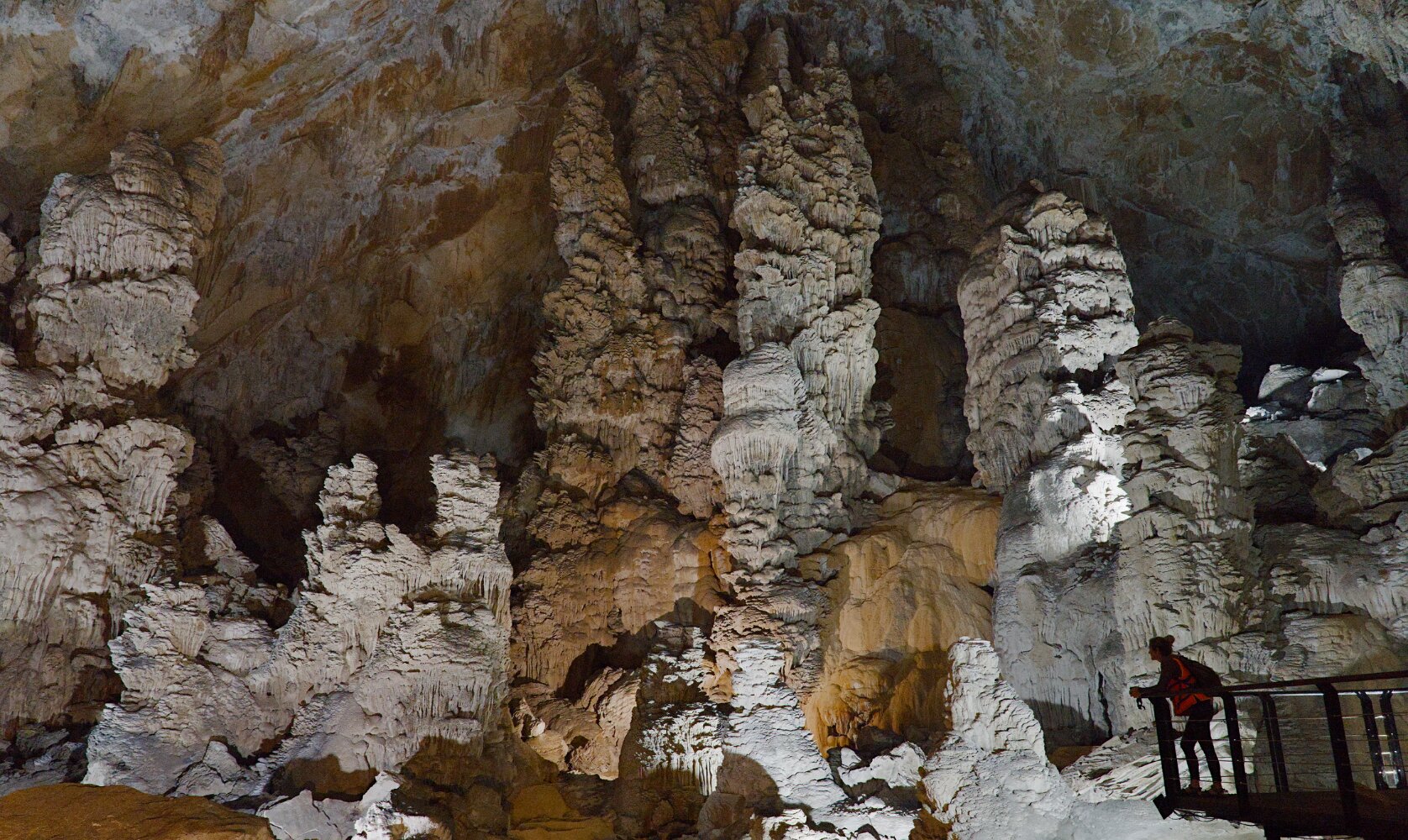
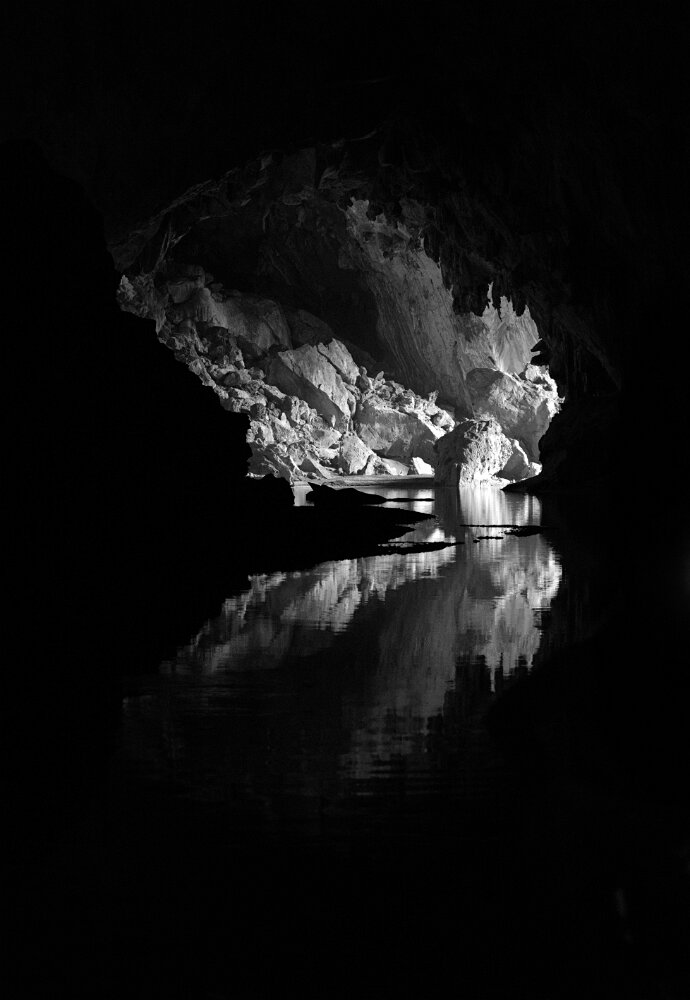
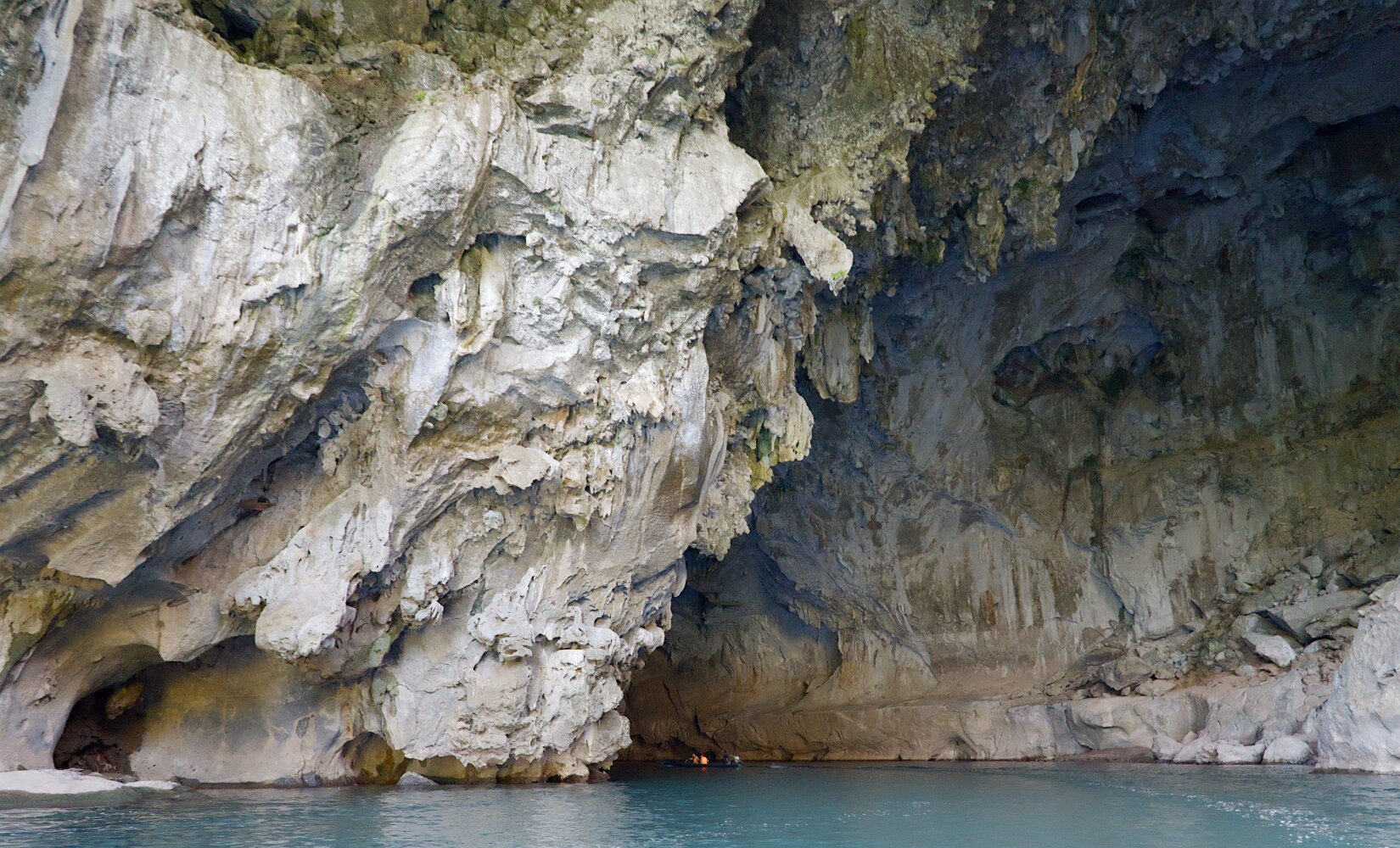
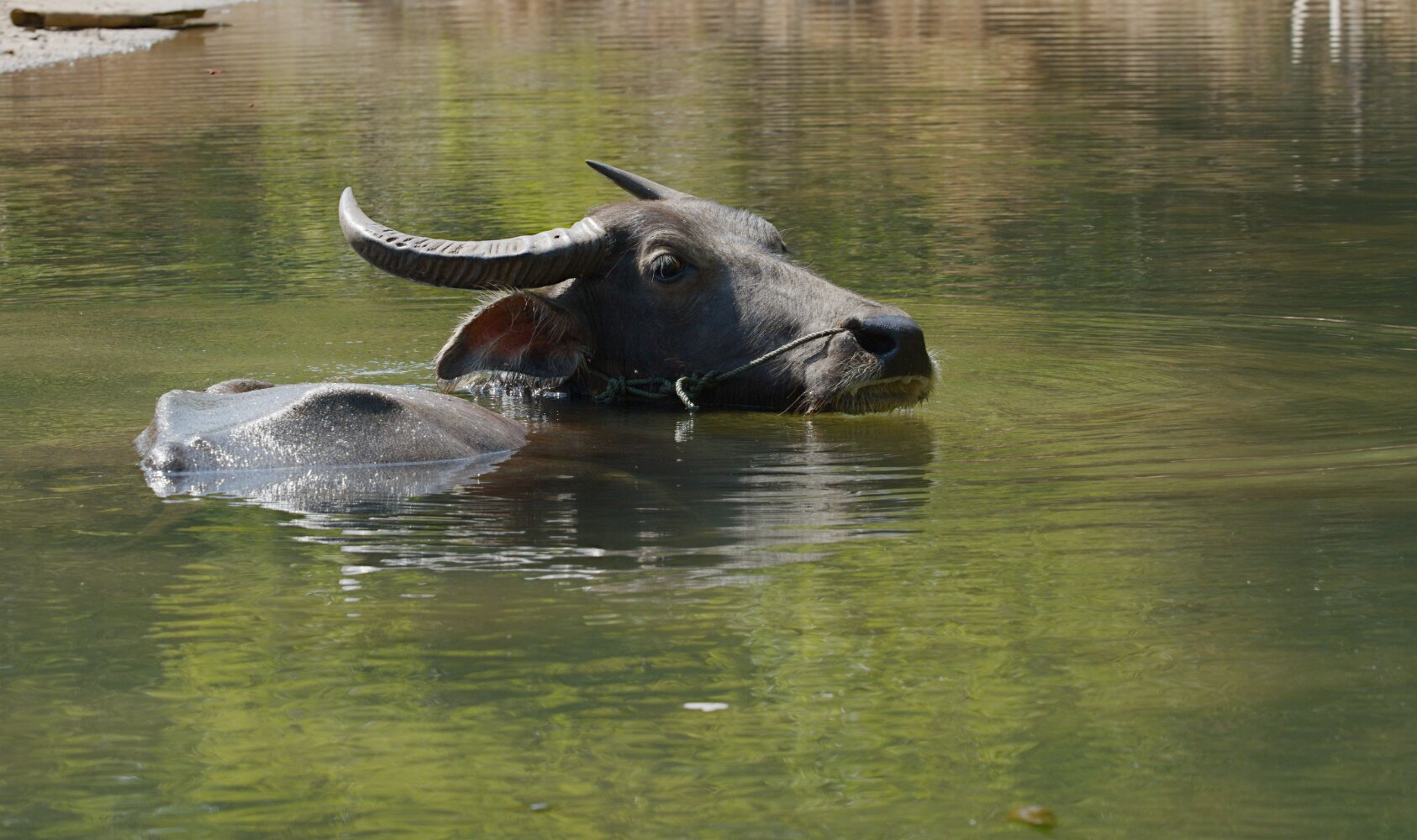
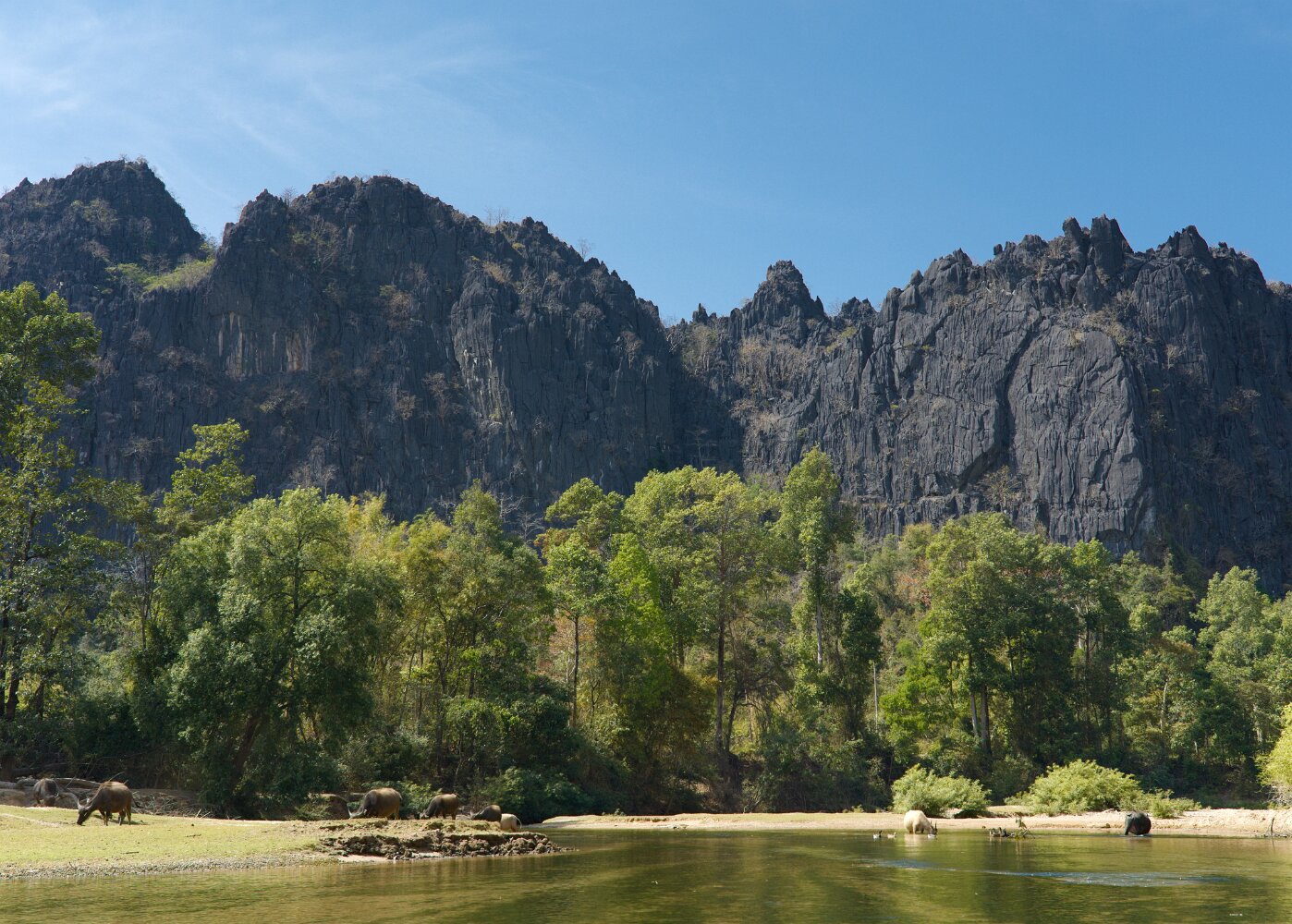
With a name that may have been taken from The Lord of the Rings, Kong Lor is magic, peaceful, serene, gorgeous and very remote and undeveloped. Here, for 7.5km (4.7 miles) the Hinboun River goes through the second longest navigable cave in the world.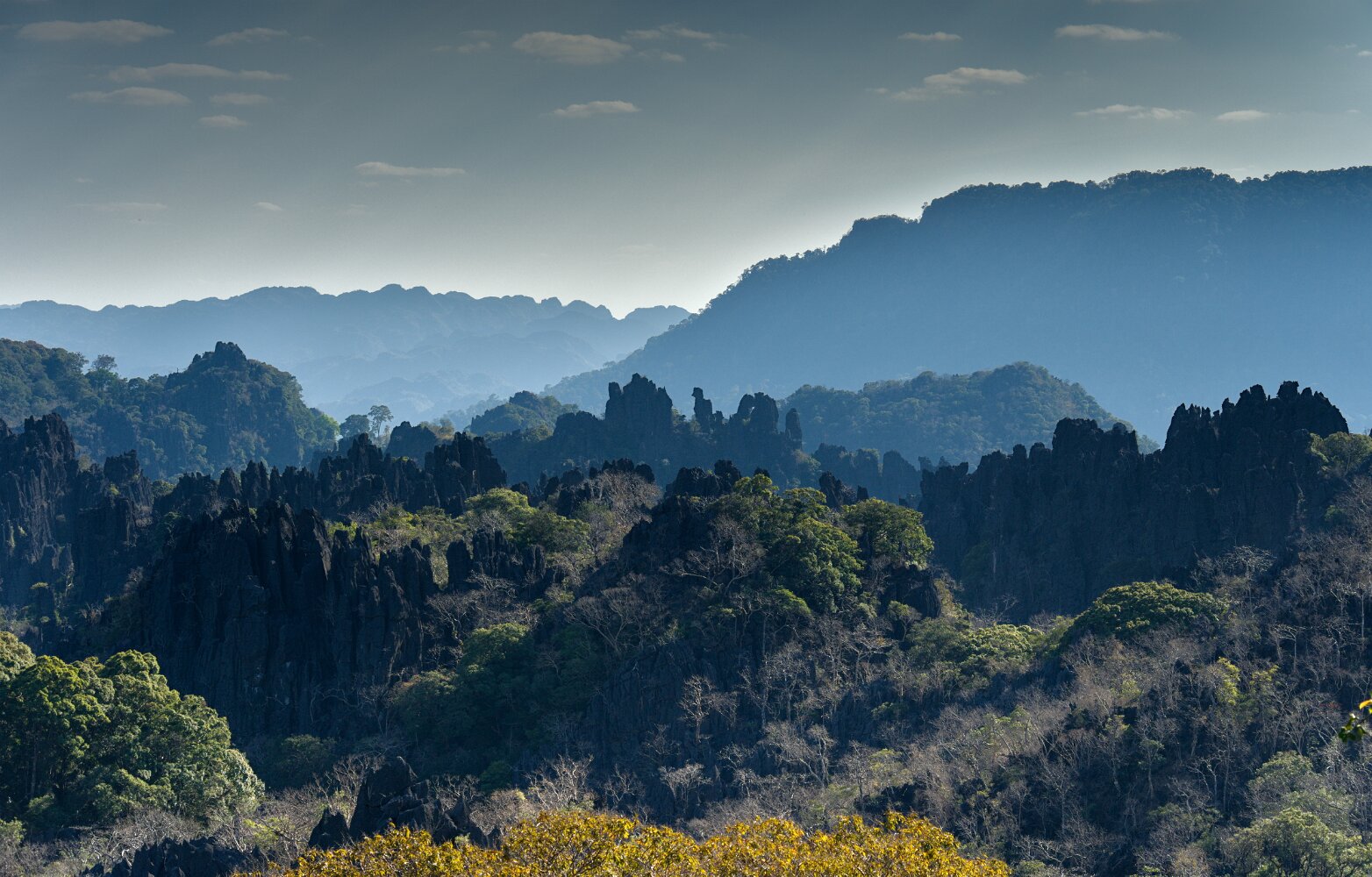
Vientiane
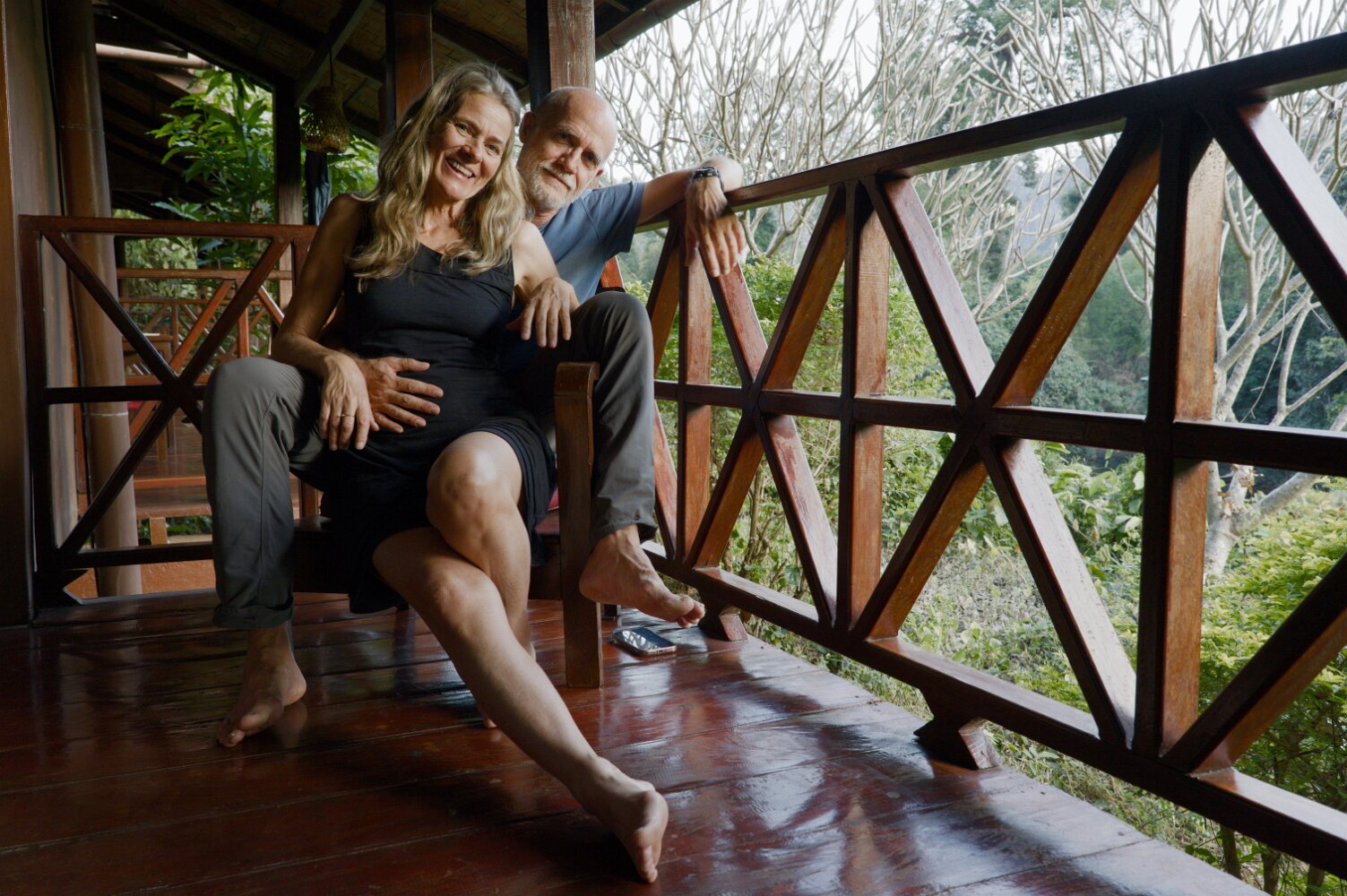
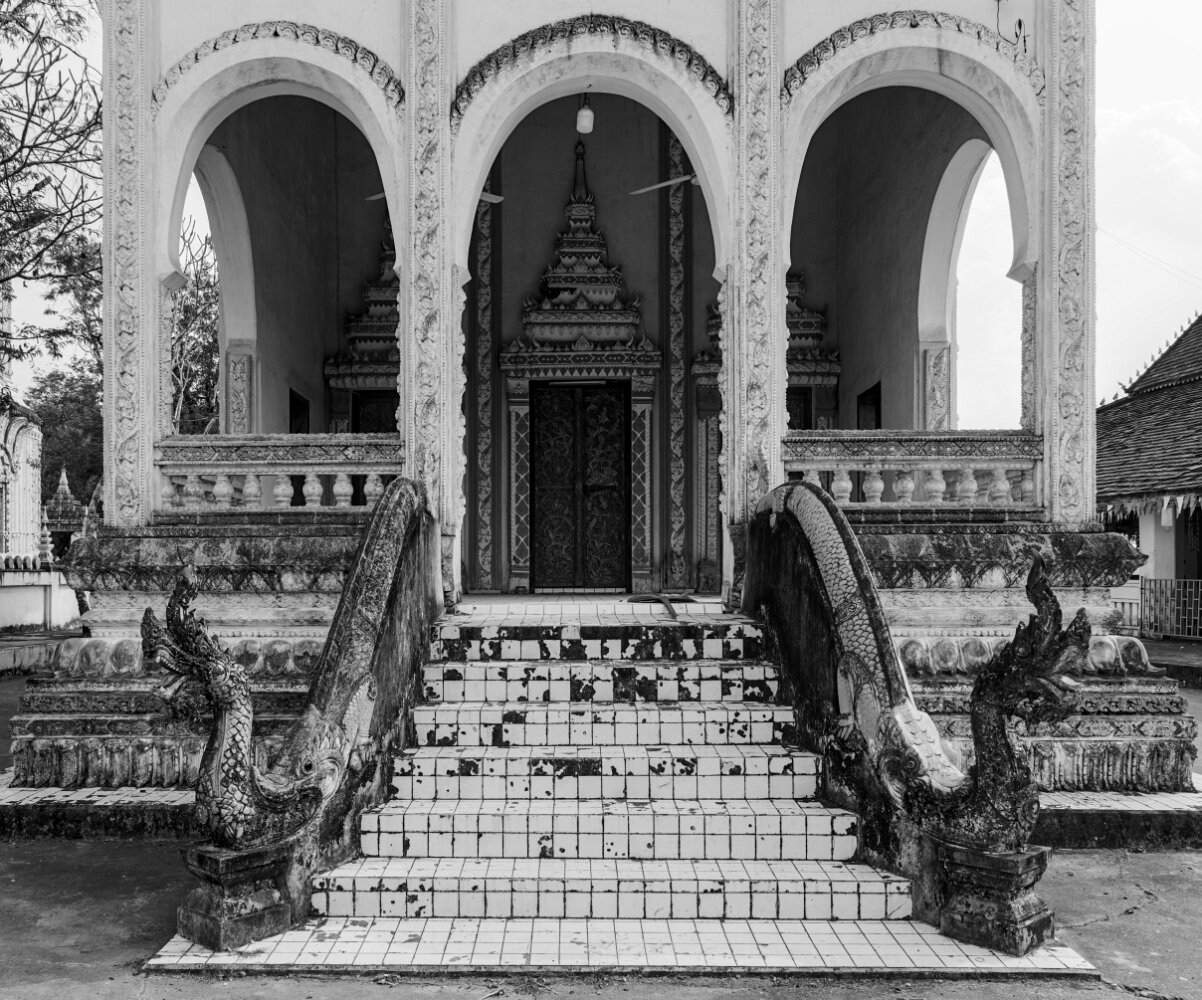
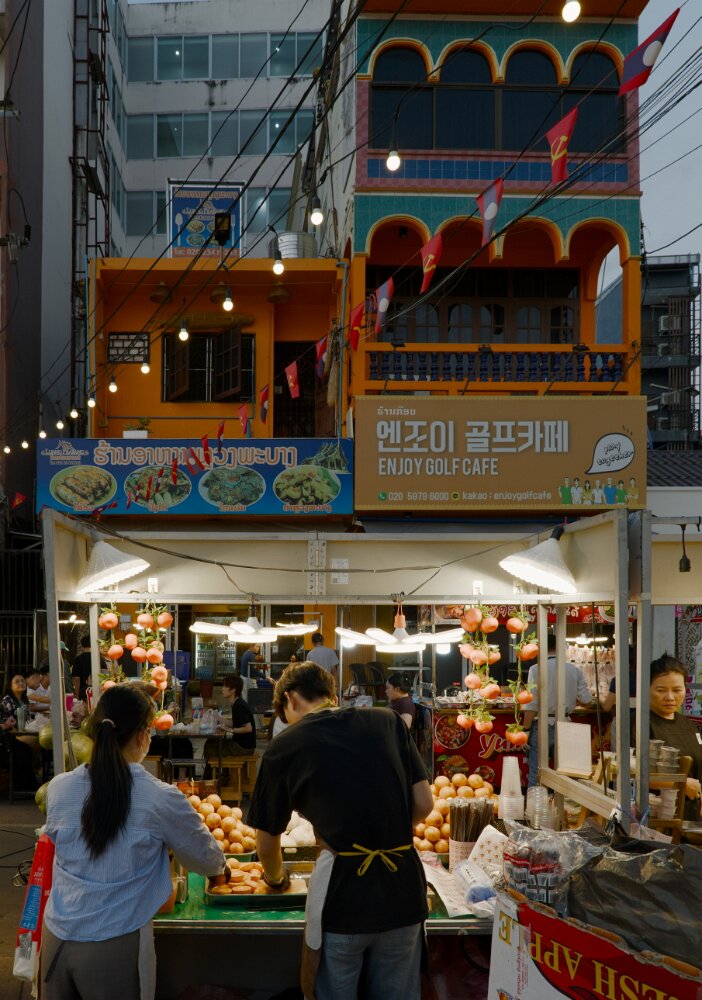
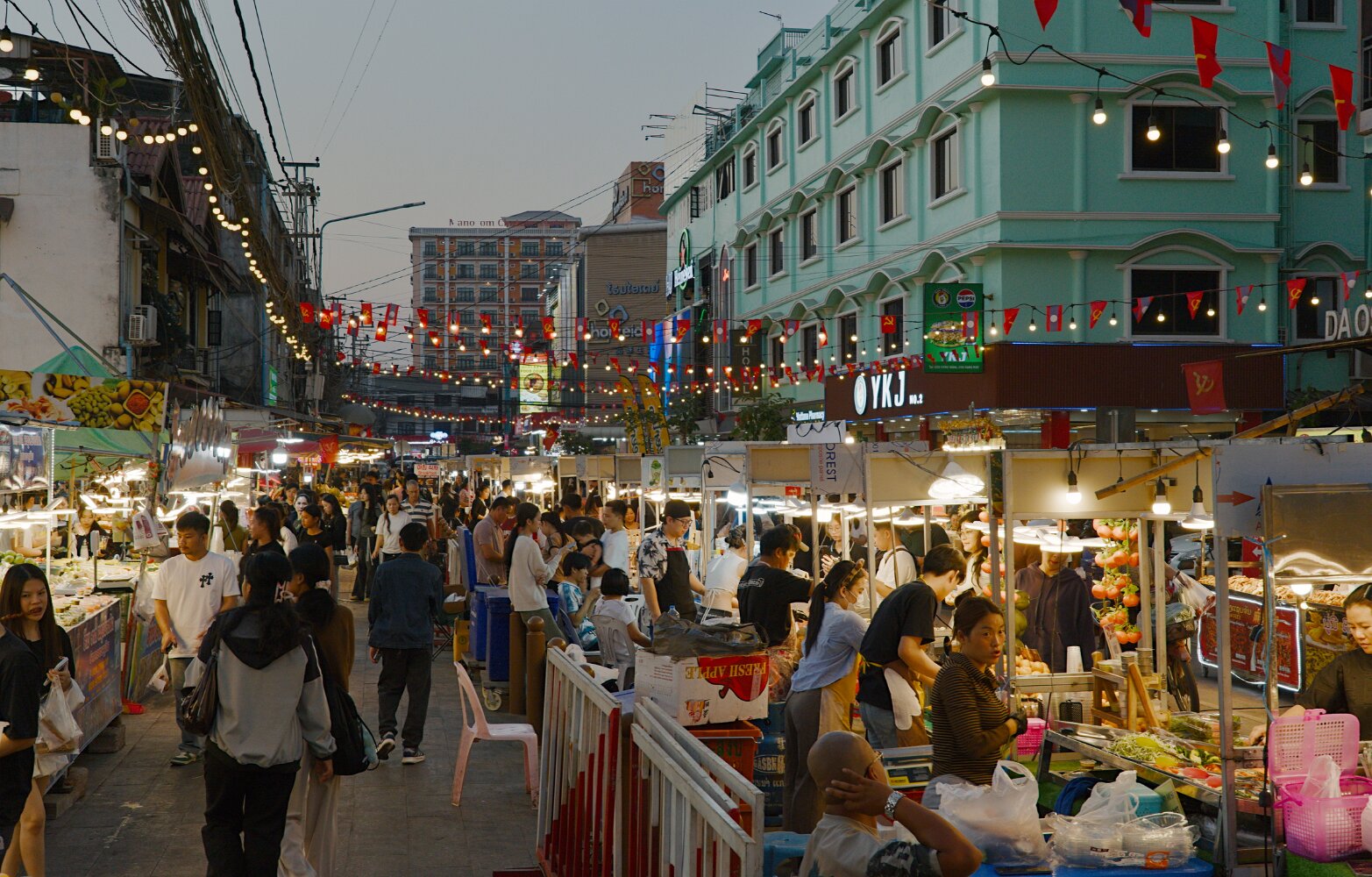
We didn't spend much time in Laos' capital but found it charming and inviting. On the way there from Kong Lor we shared a van with another couple... from Santa Rosa! And we had dinner in a Chilean restaurant.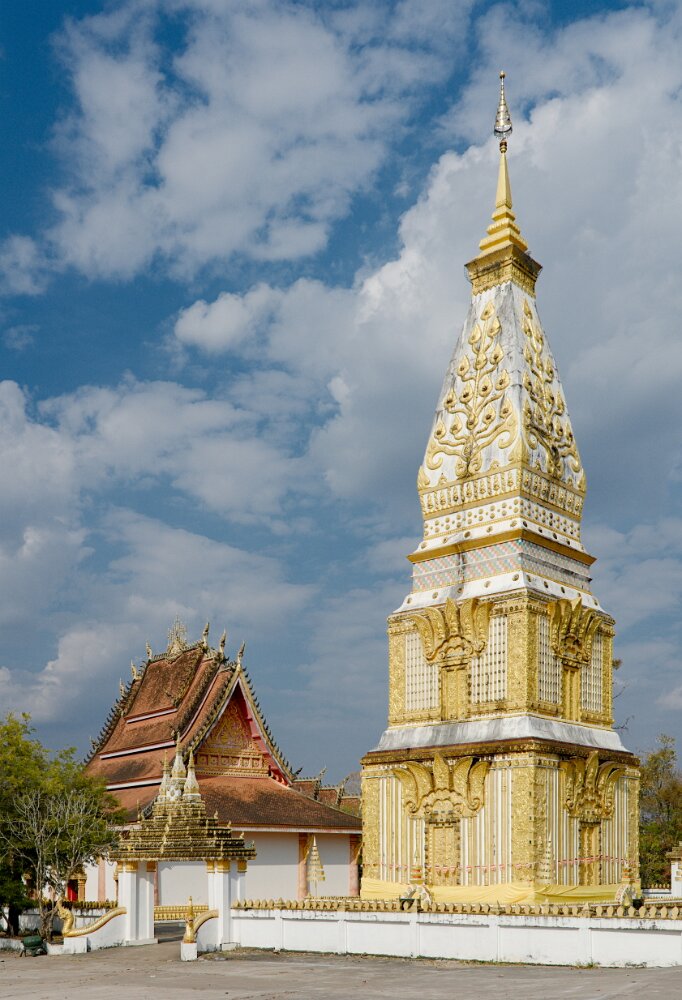
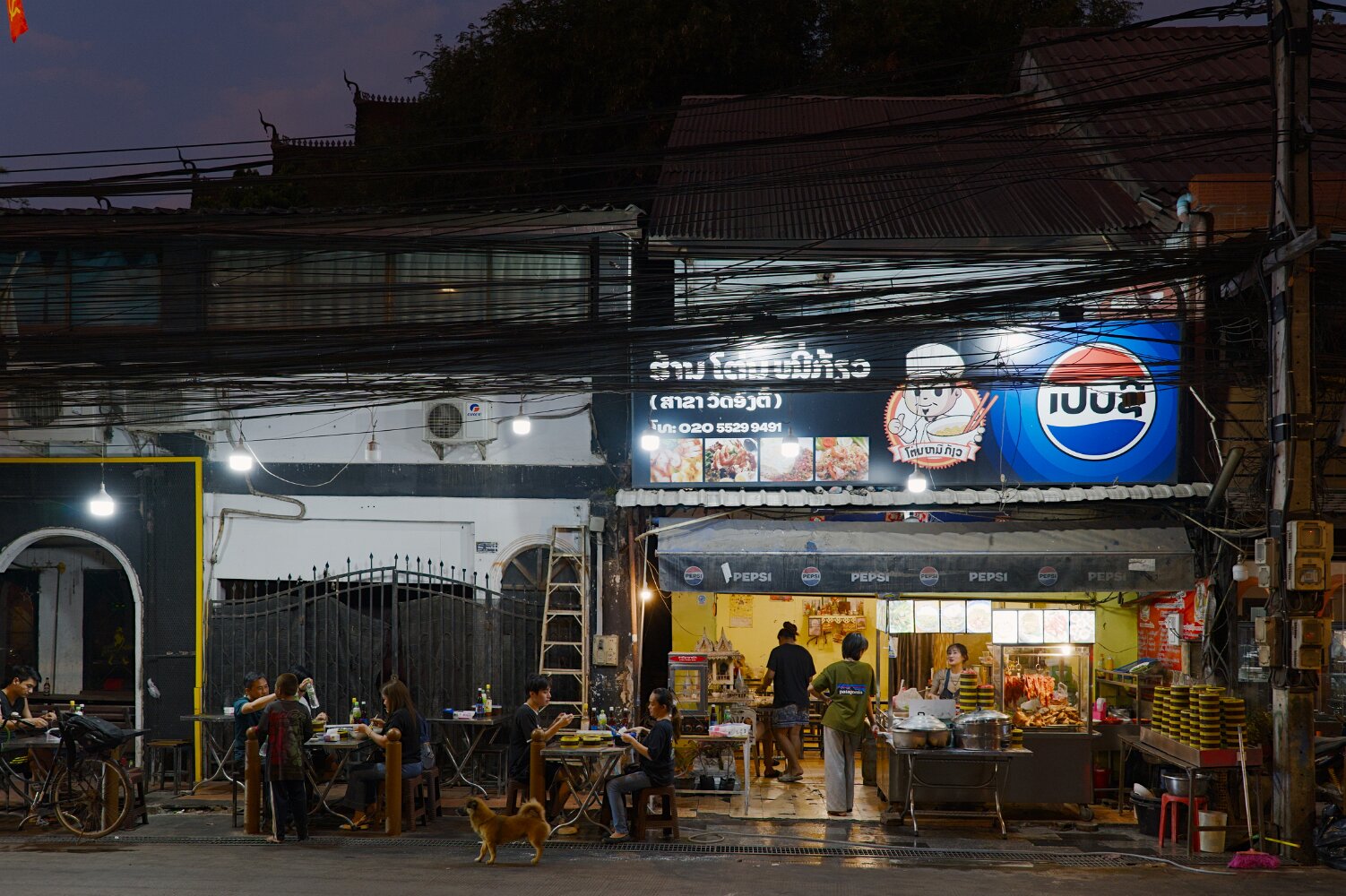
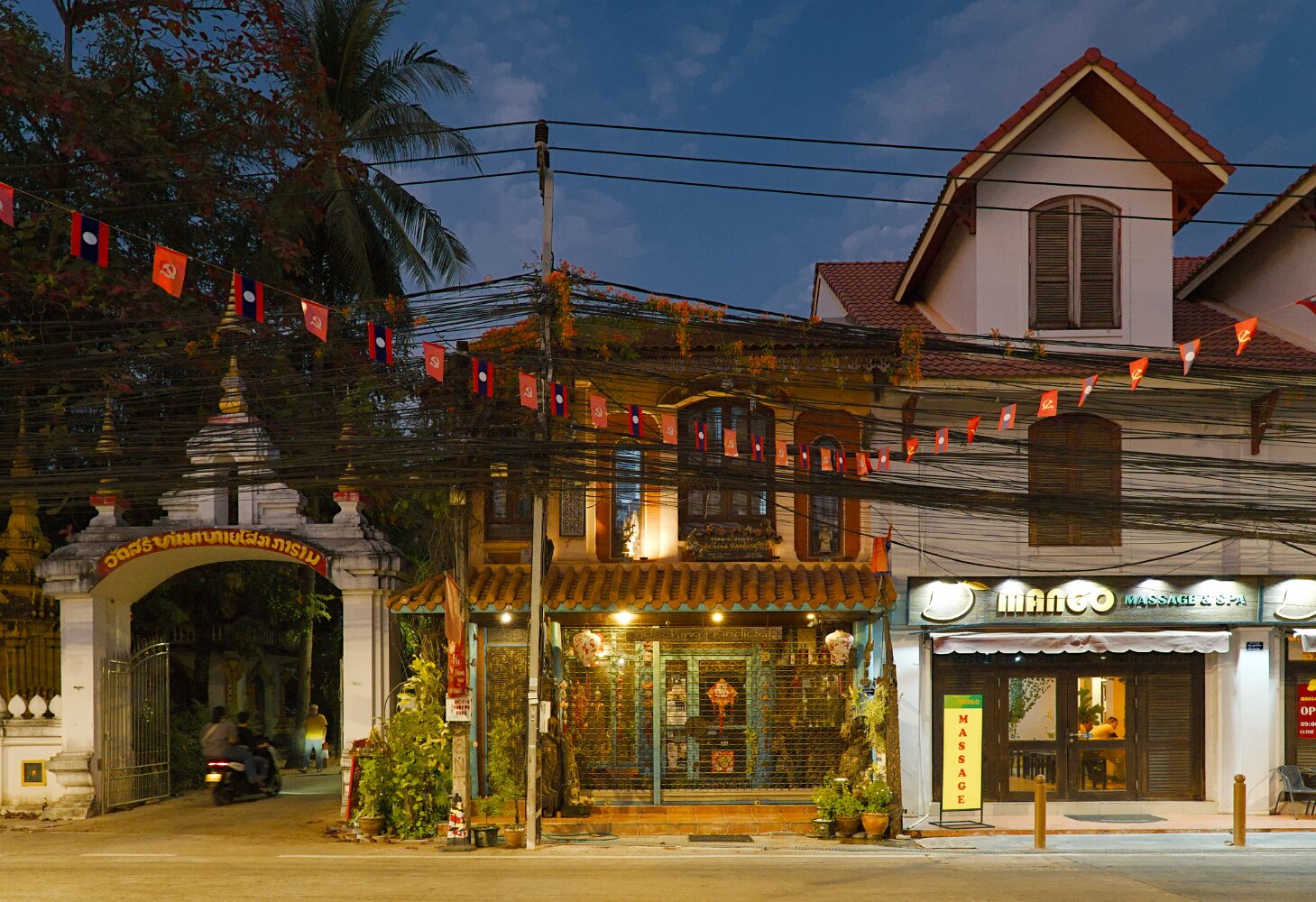
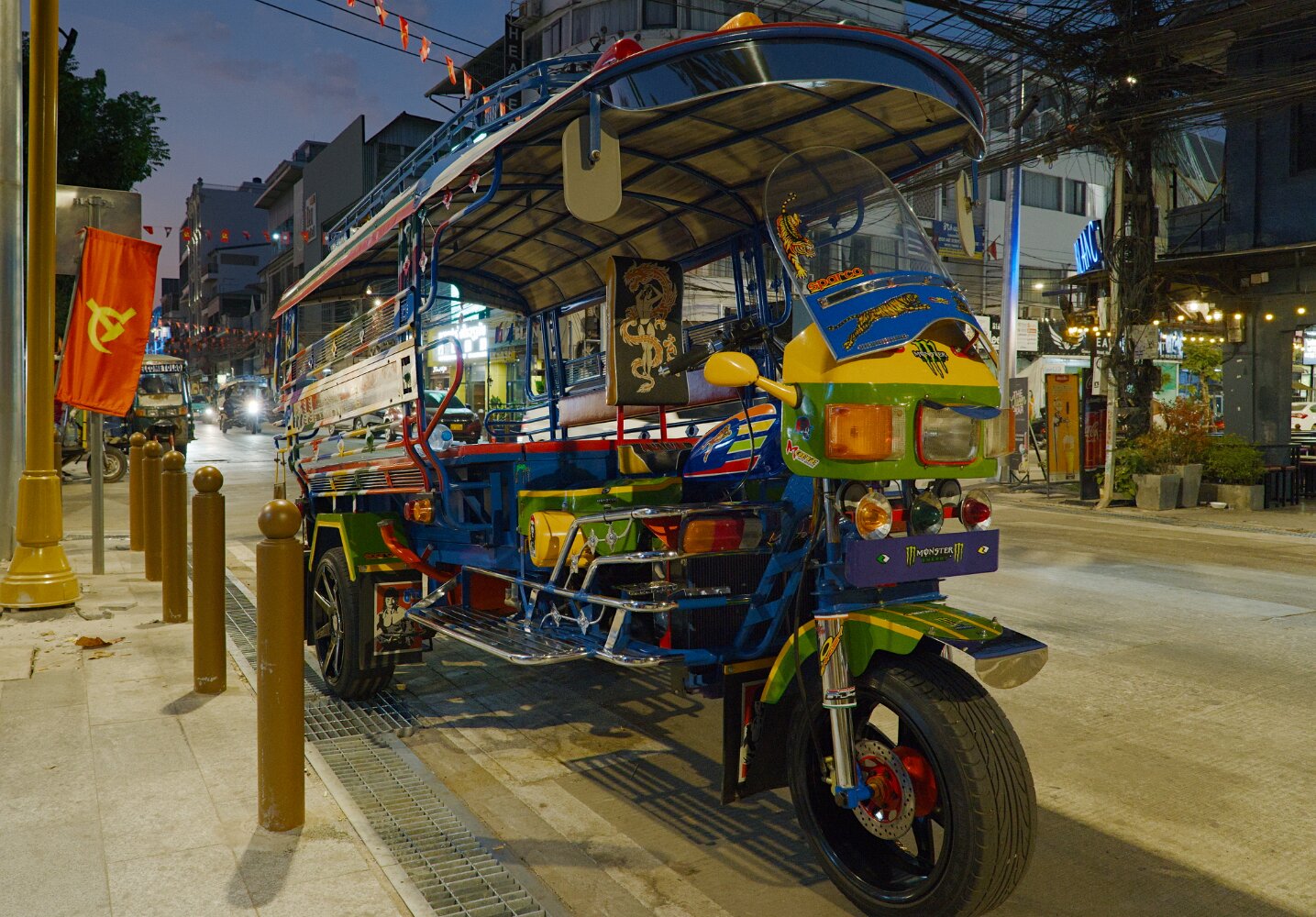
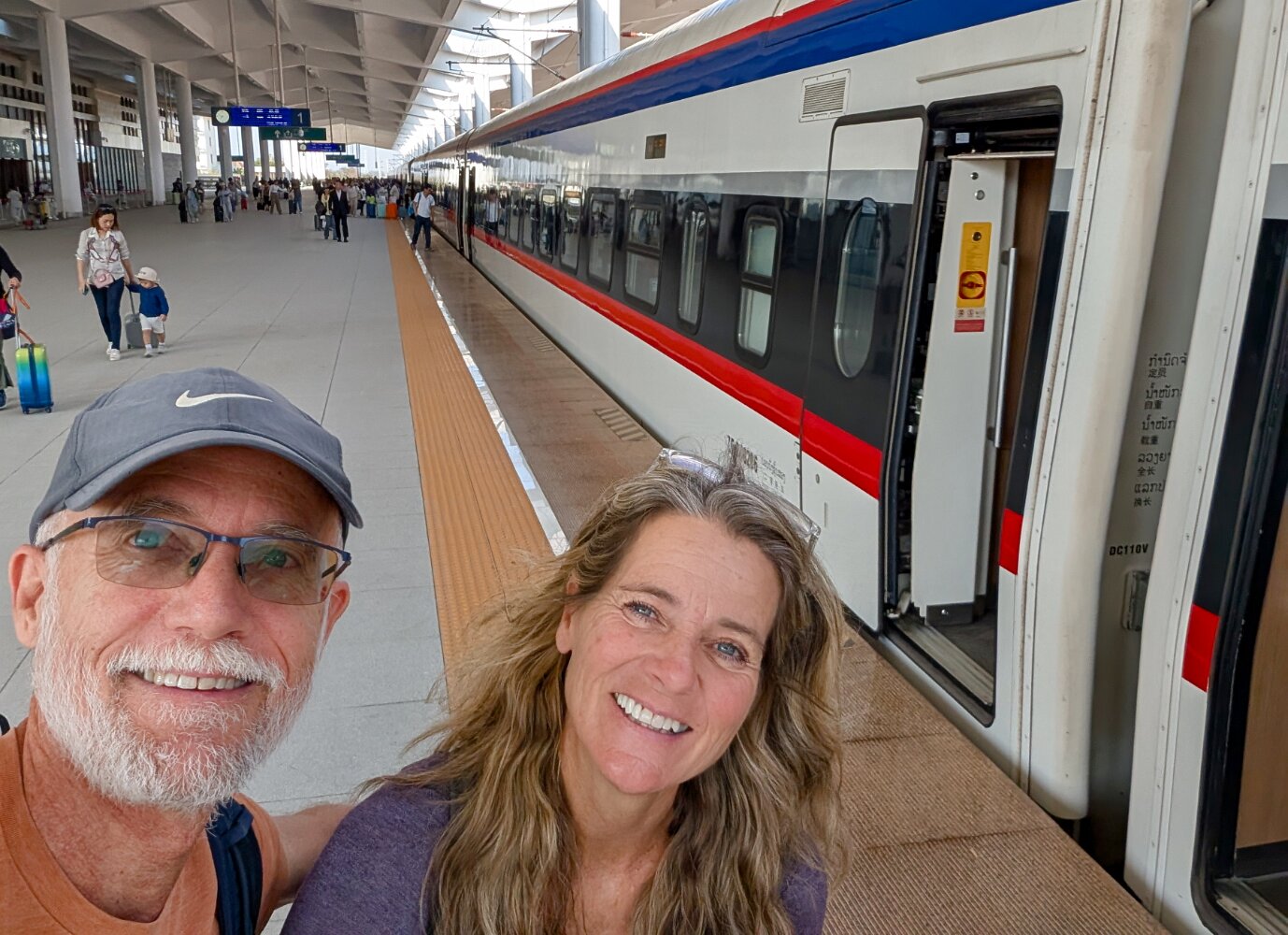
Luang Prabang
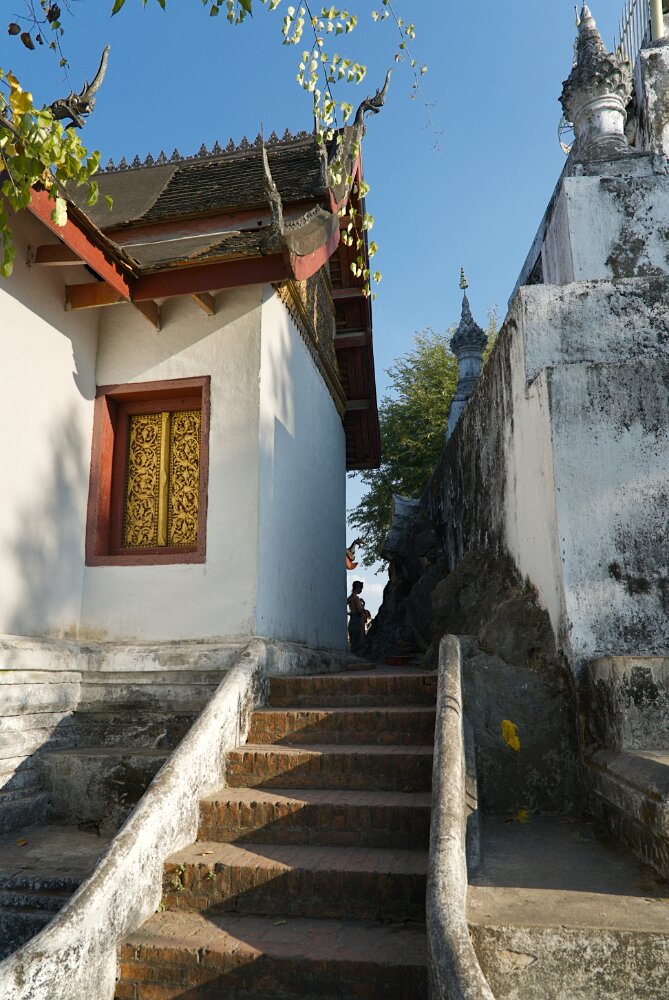
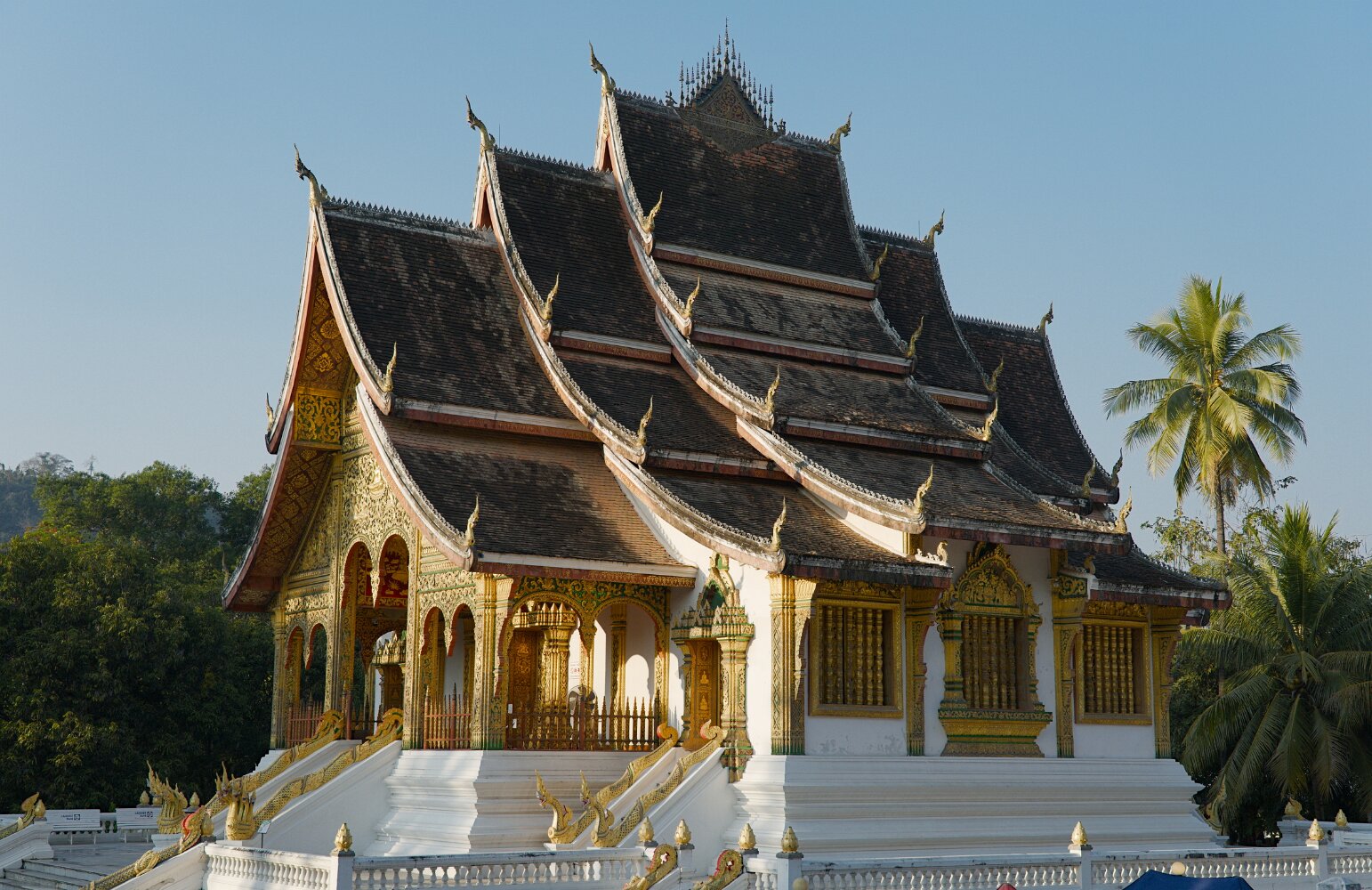
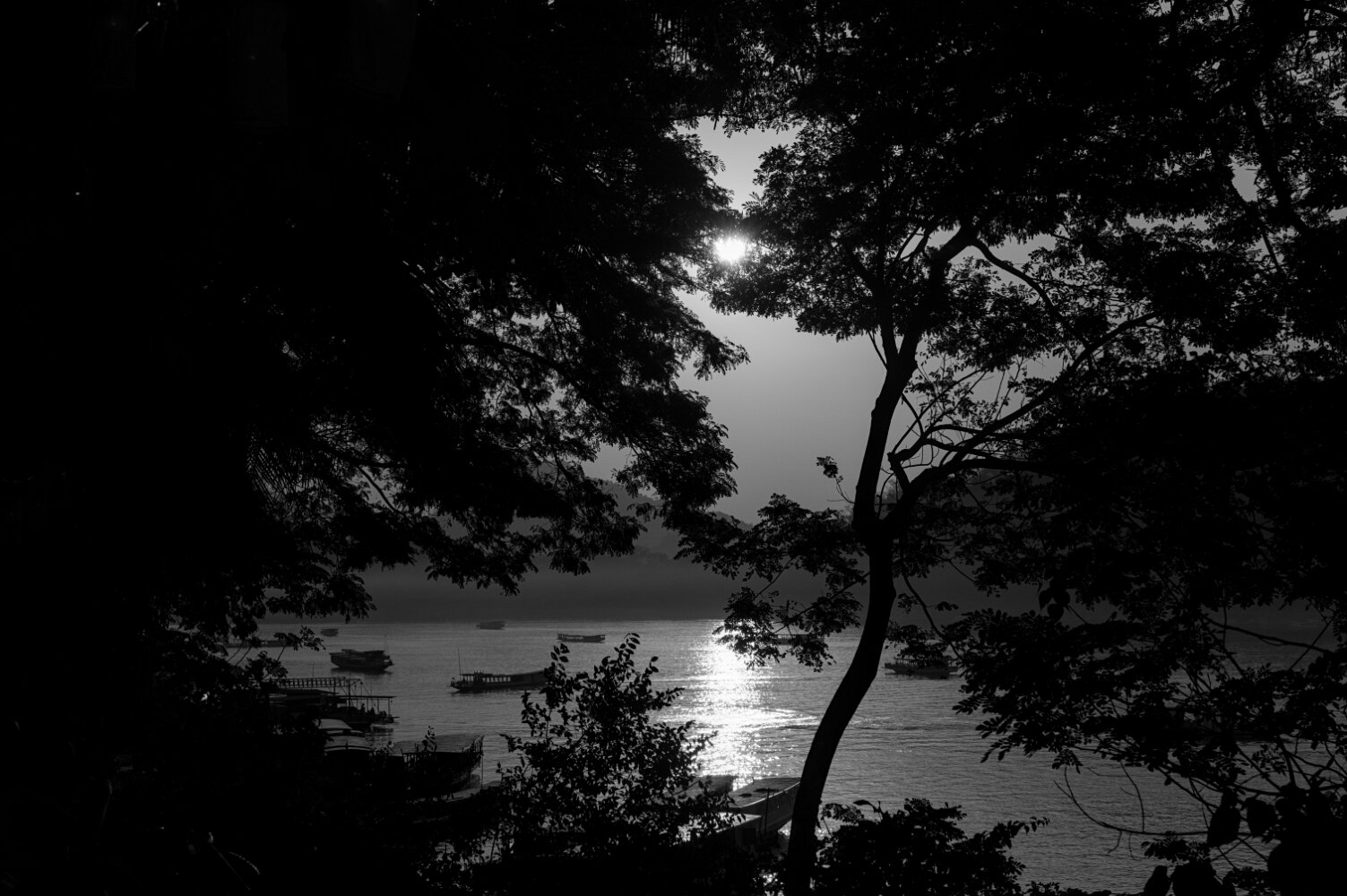
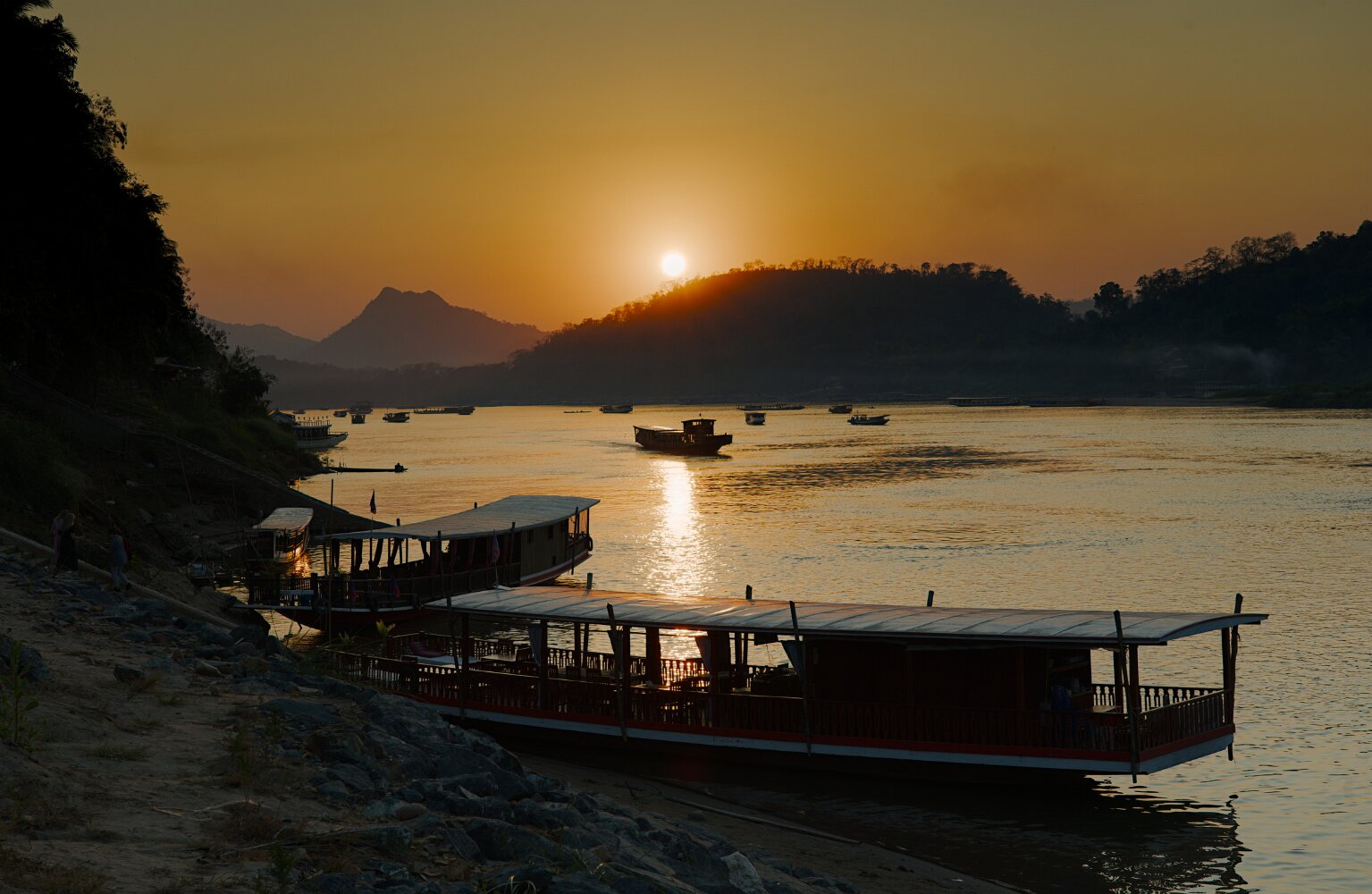
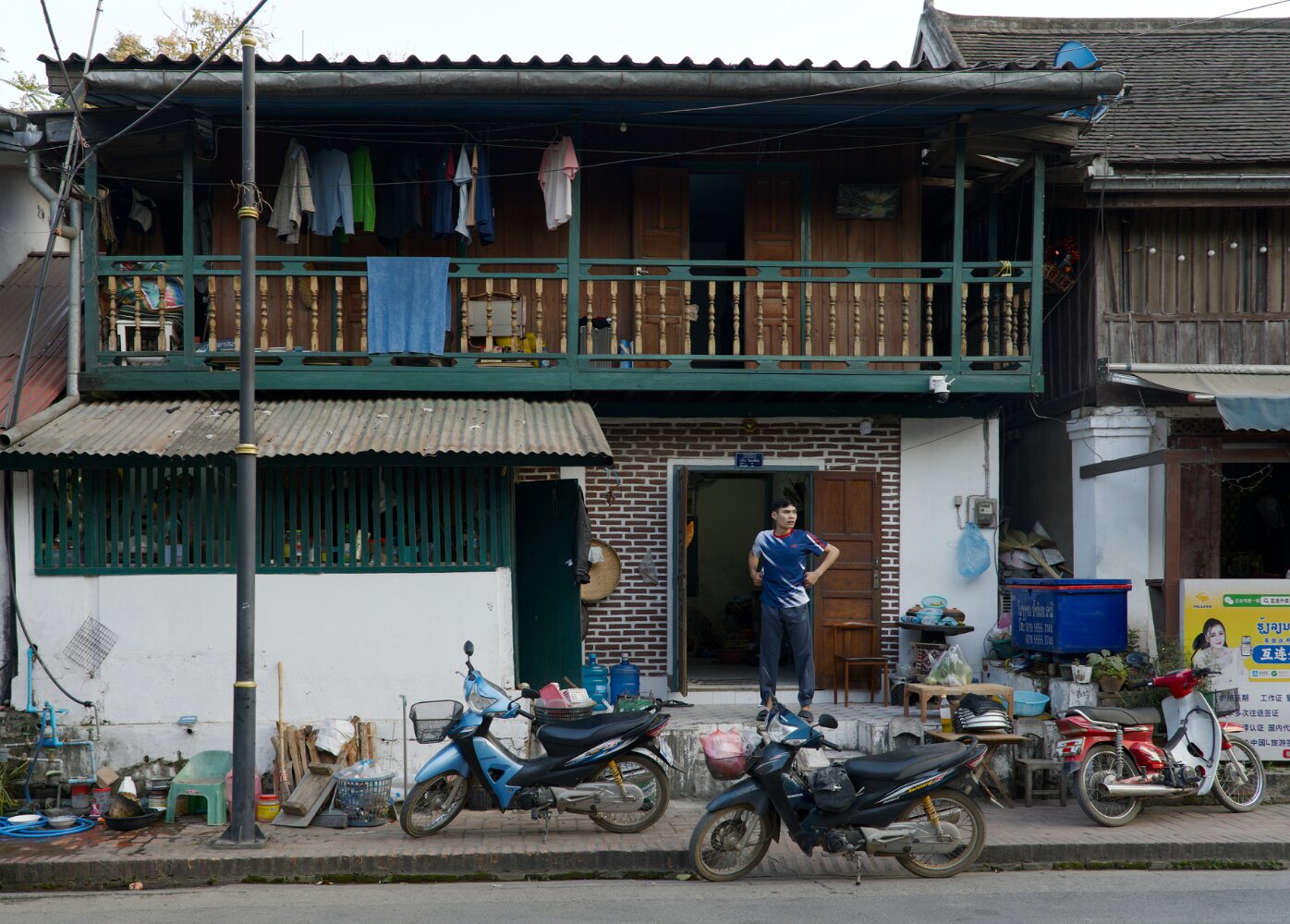
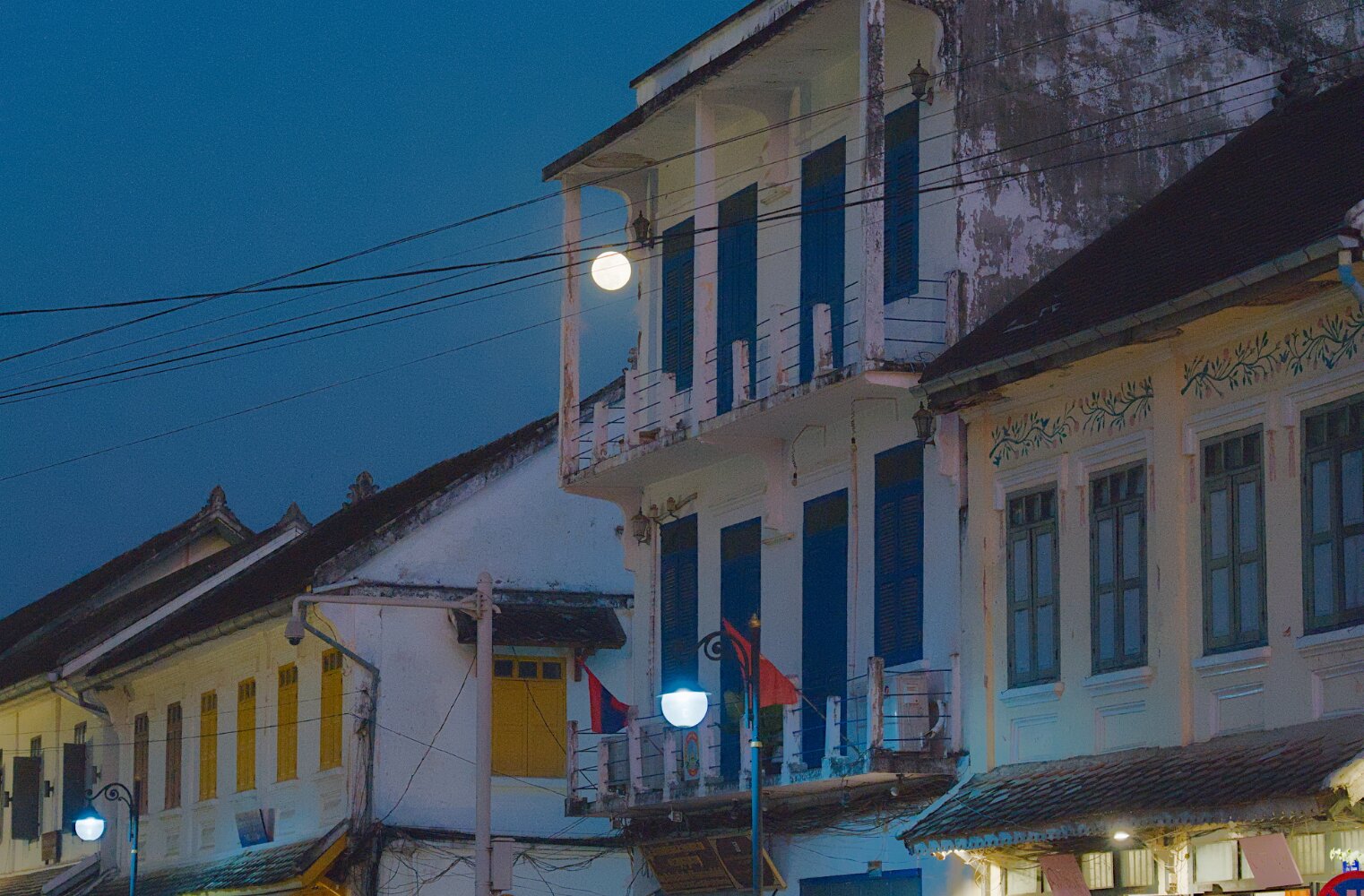
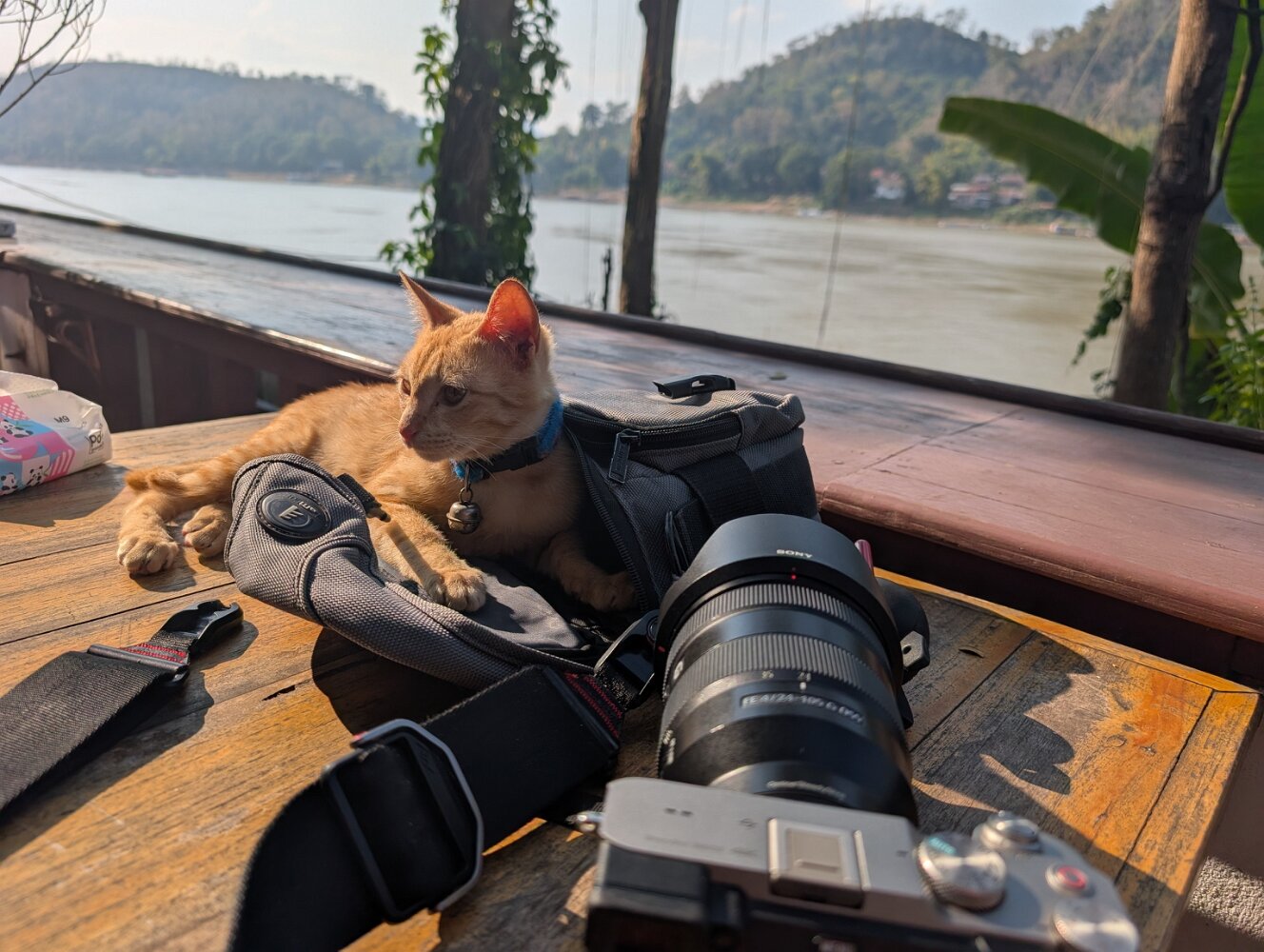
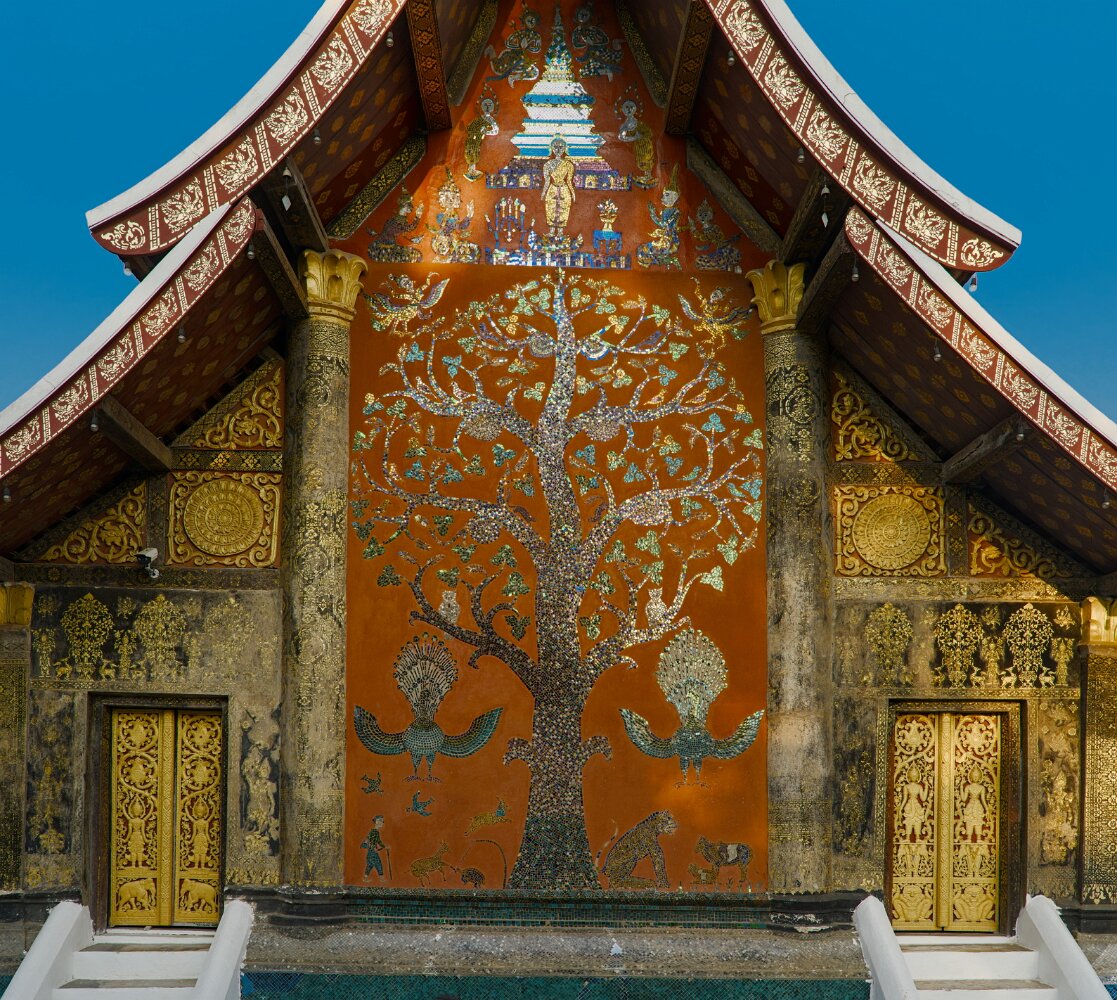
Cornered between the Mekong and Nam Khan rivers, Luang Prabang is "an eccentric mix of culture, spirituality and adventure".
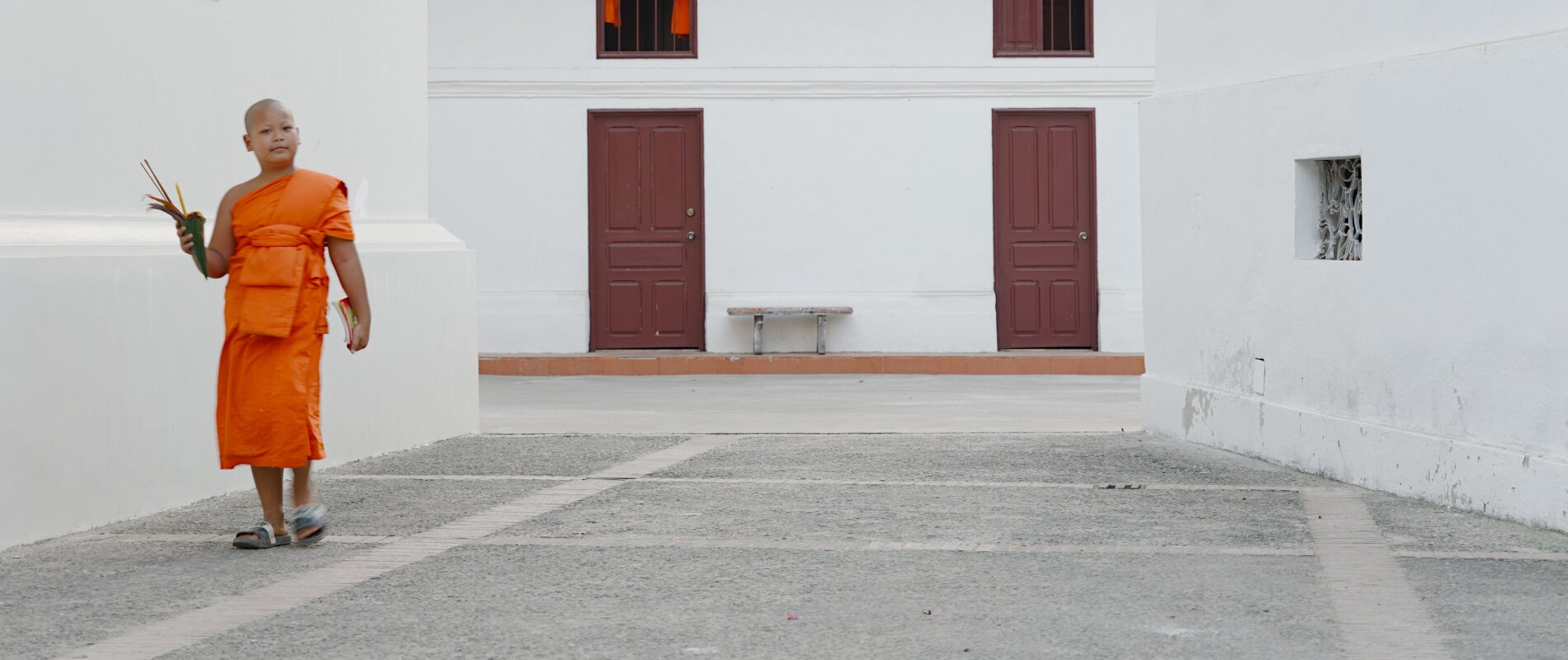
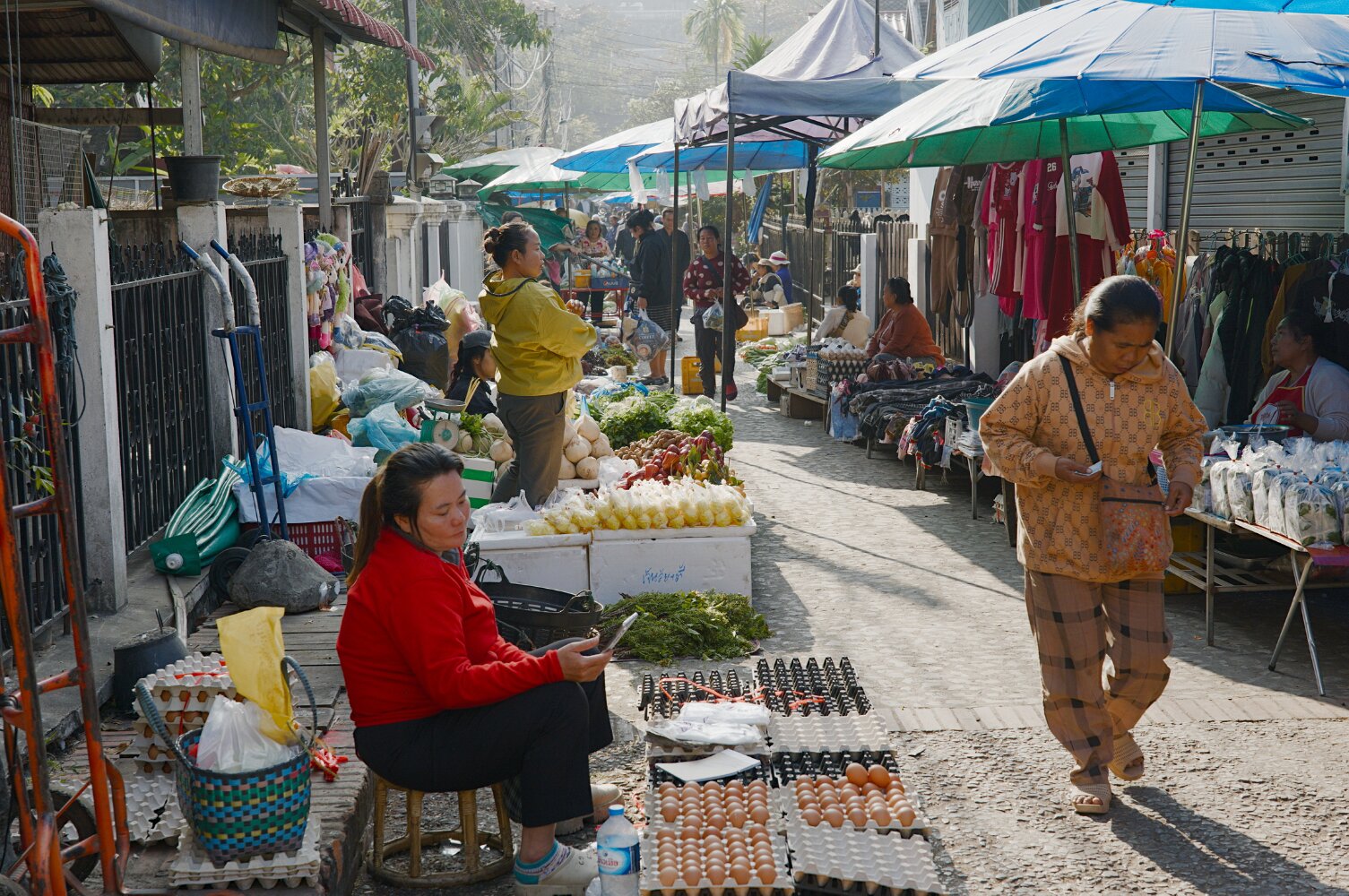
Wikipedia fact: during the Vietnam War the US dropped two million tons of bombs on Laos, which amounts to about one ton per inhabitant. This makes Laos the most heavily bombed country in history, relative to population size. 80 million unexploded bombs are scattered around the country and kill or maim dozens of Laotians every year. A visit to the UXO (unexploded ordnance) museum in Luang Prabang is sobering.
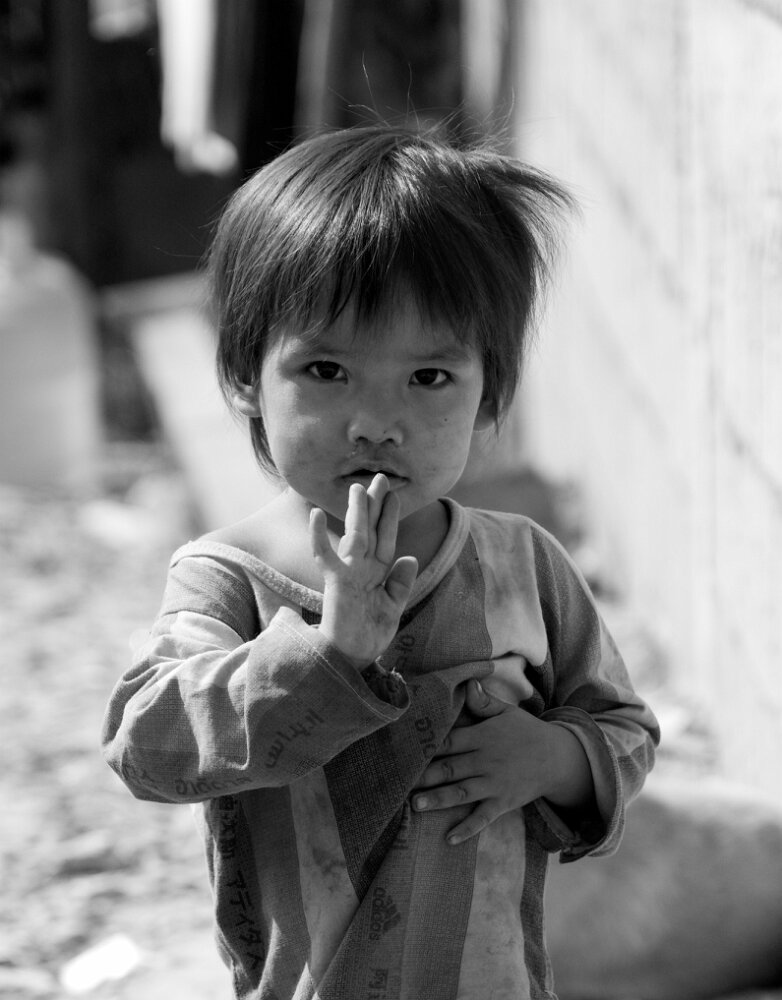
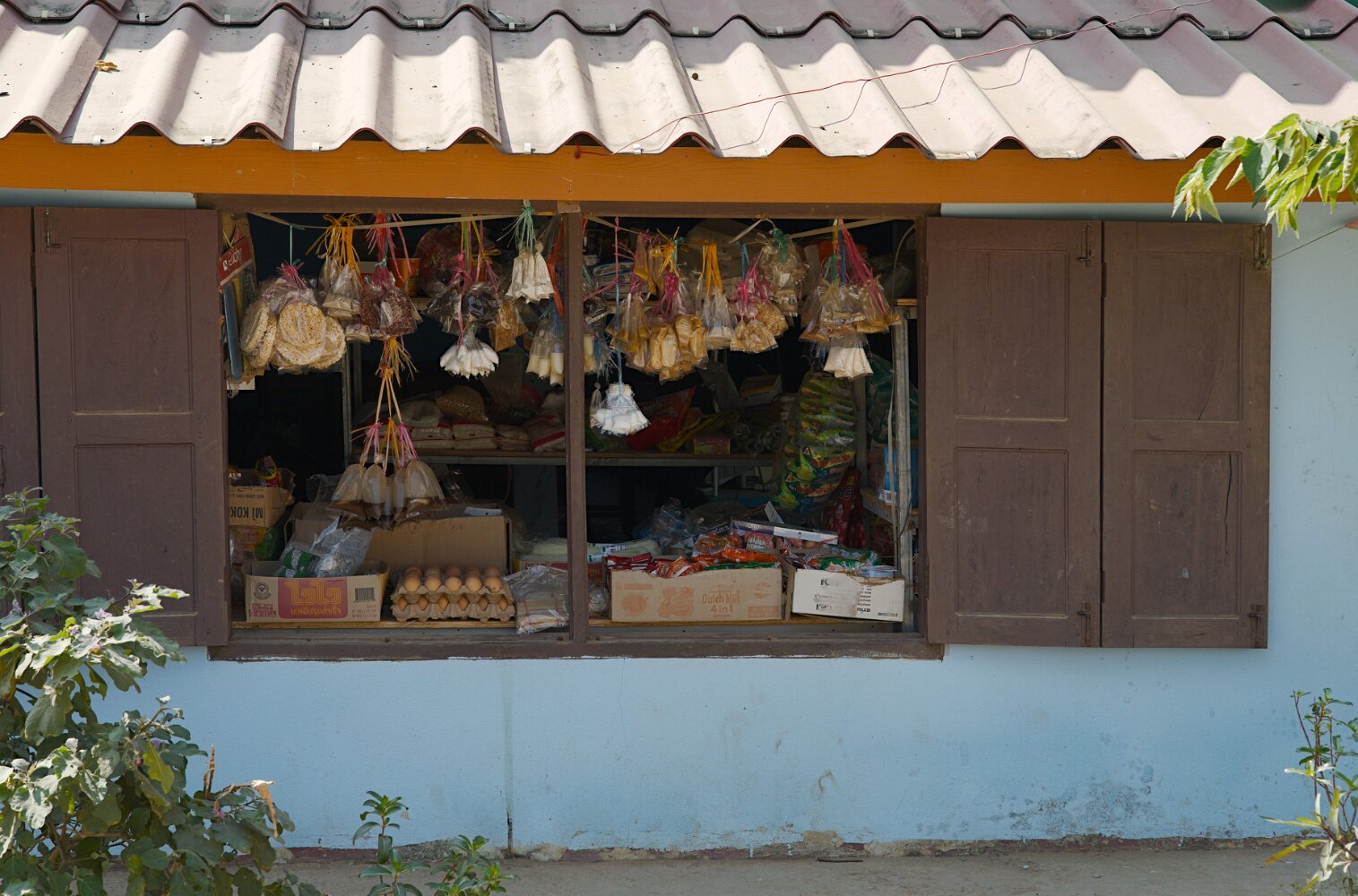
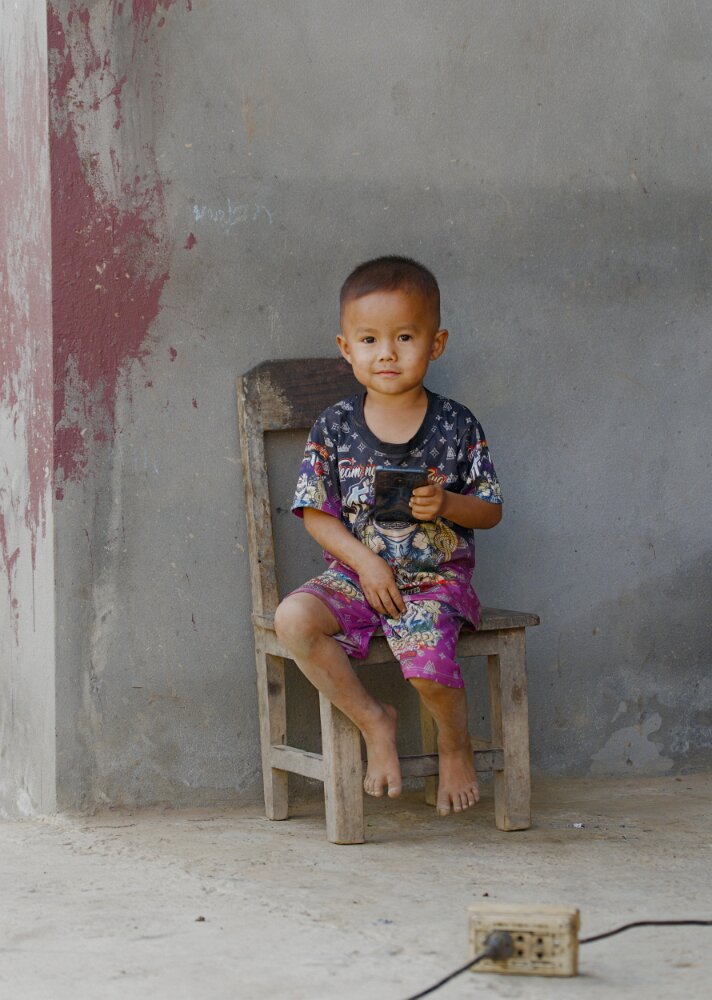
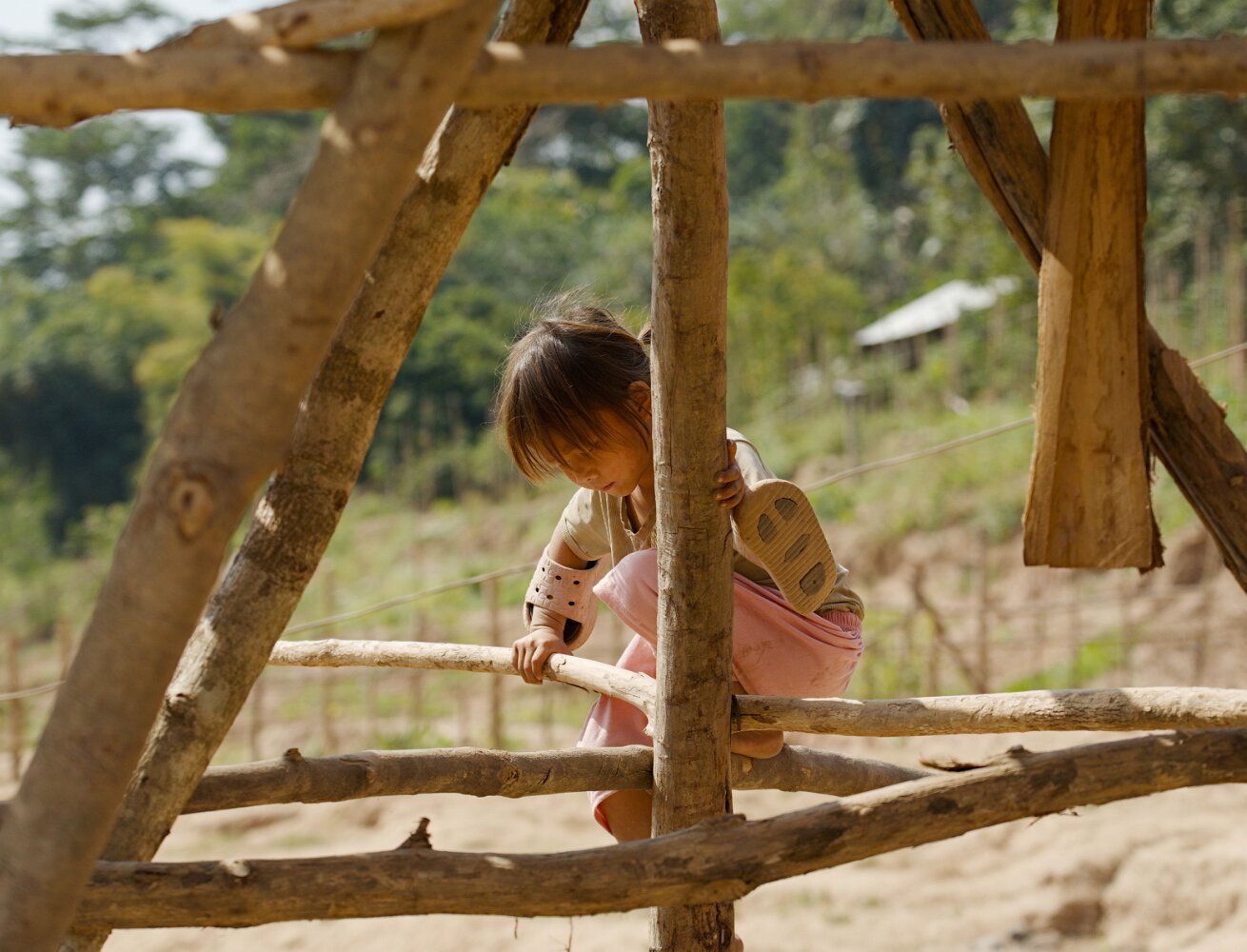
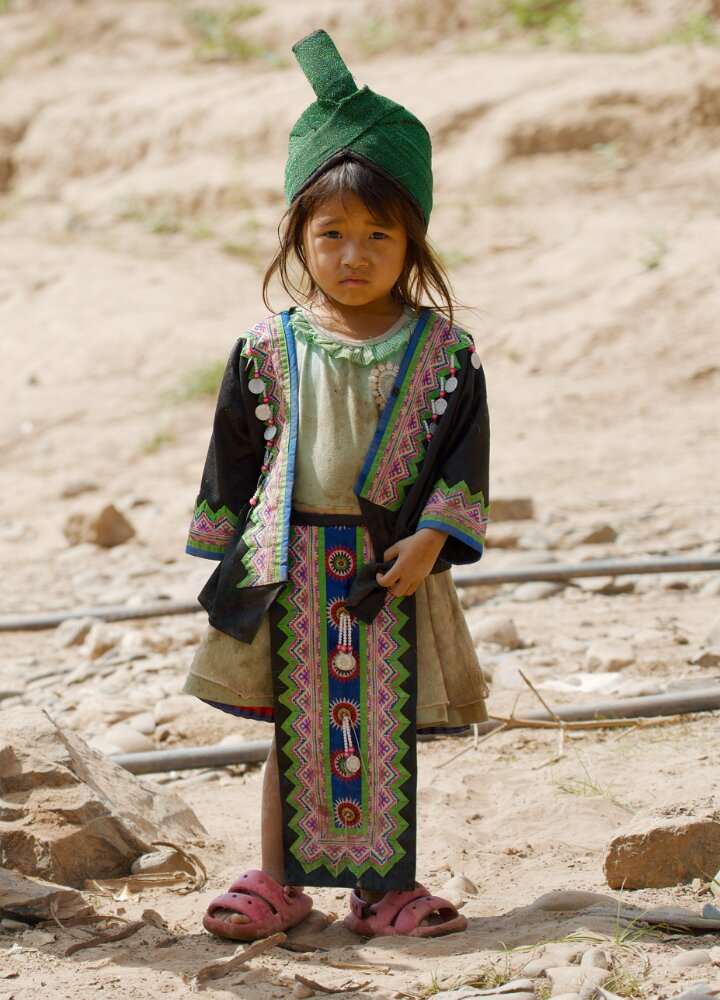
Hmong Village
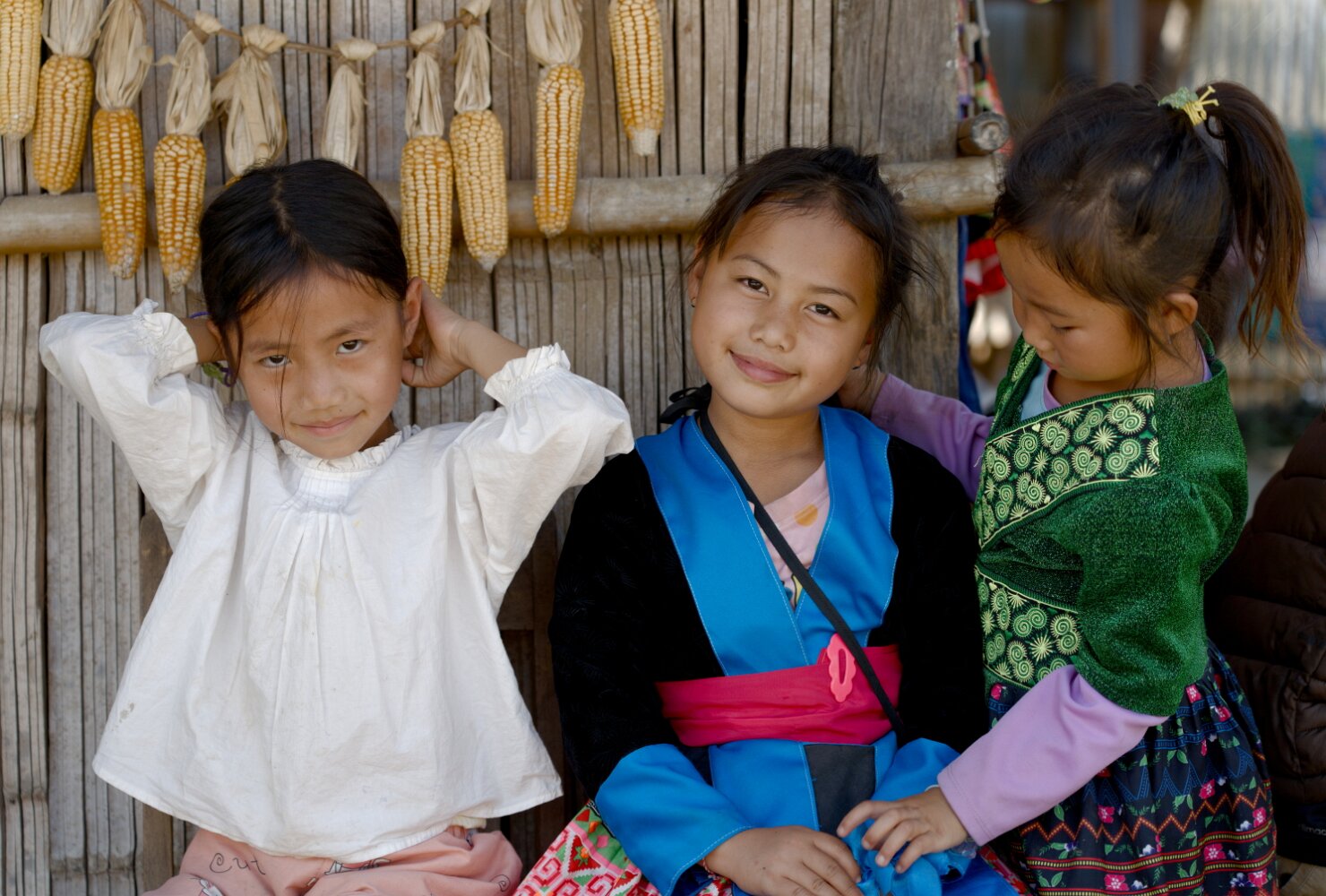
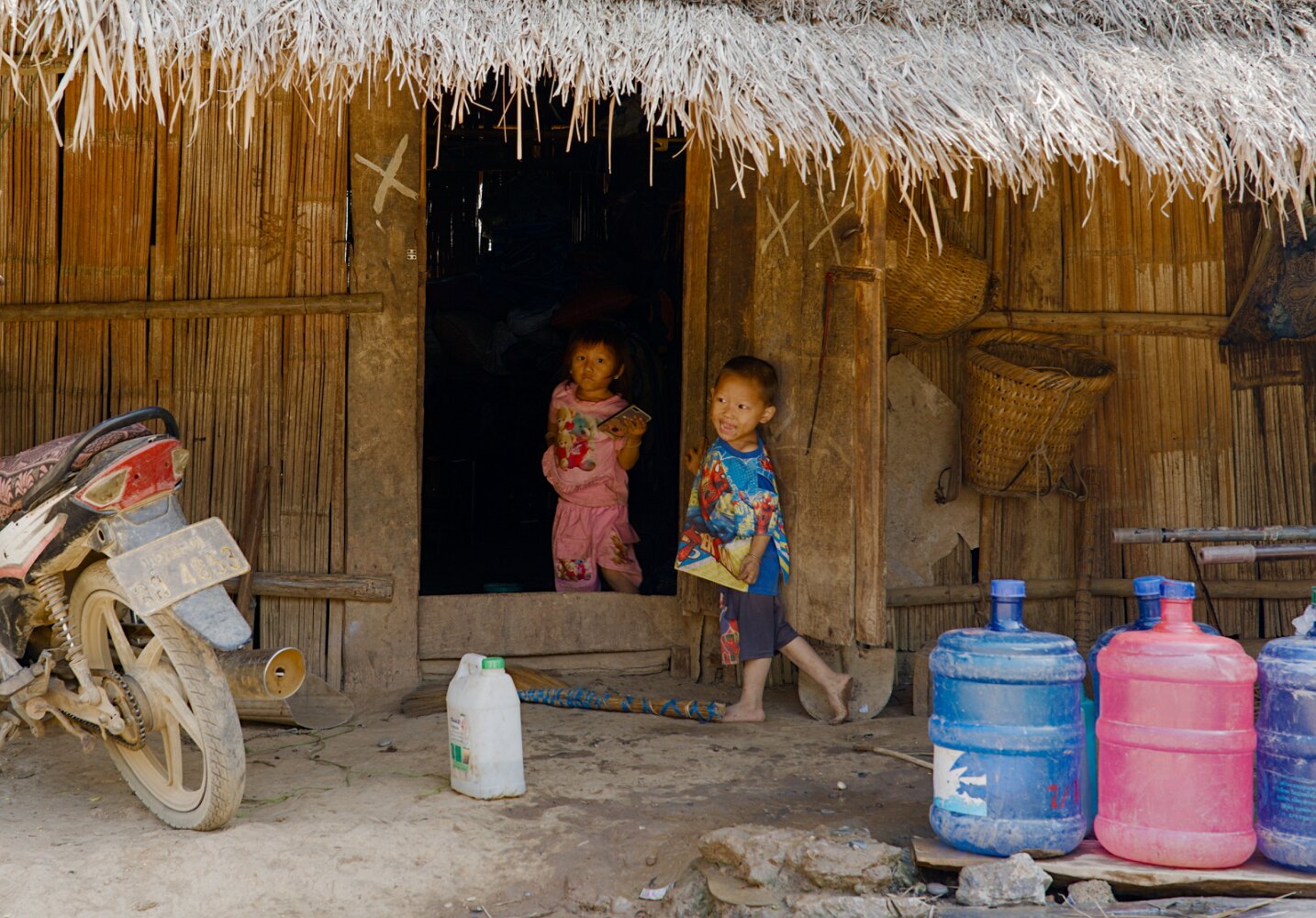
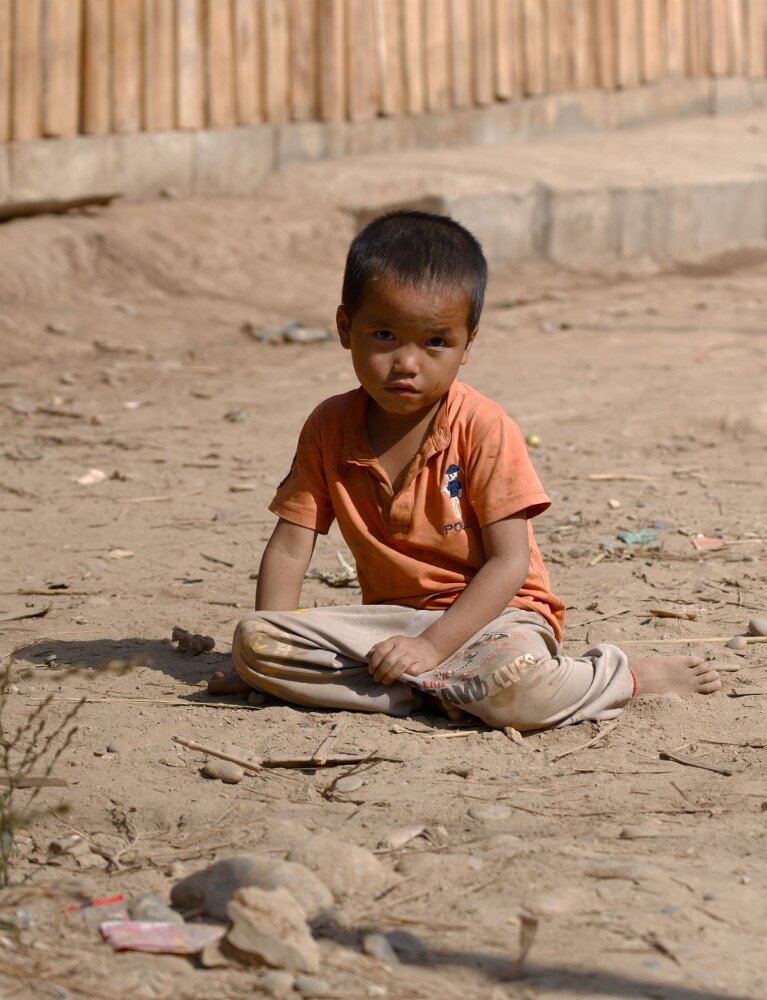
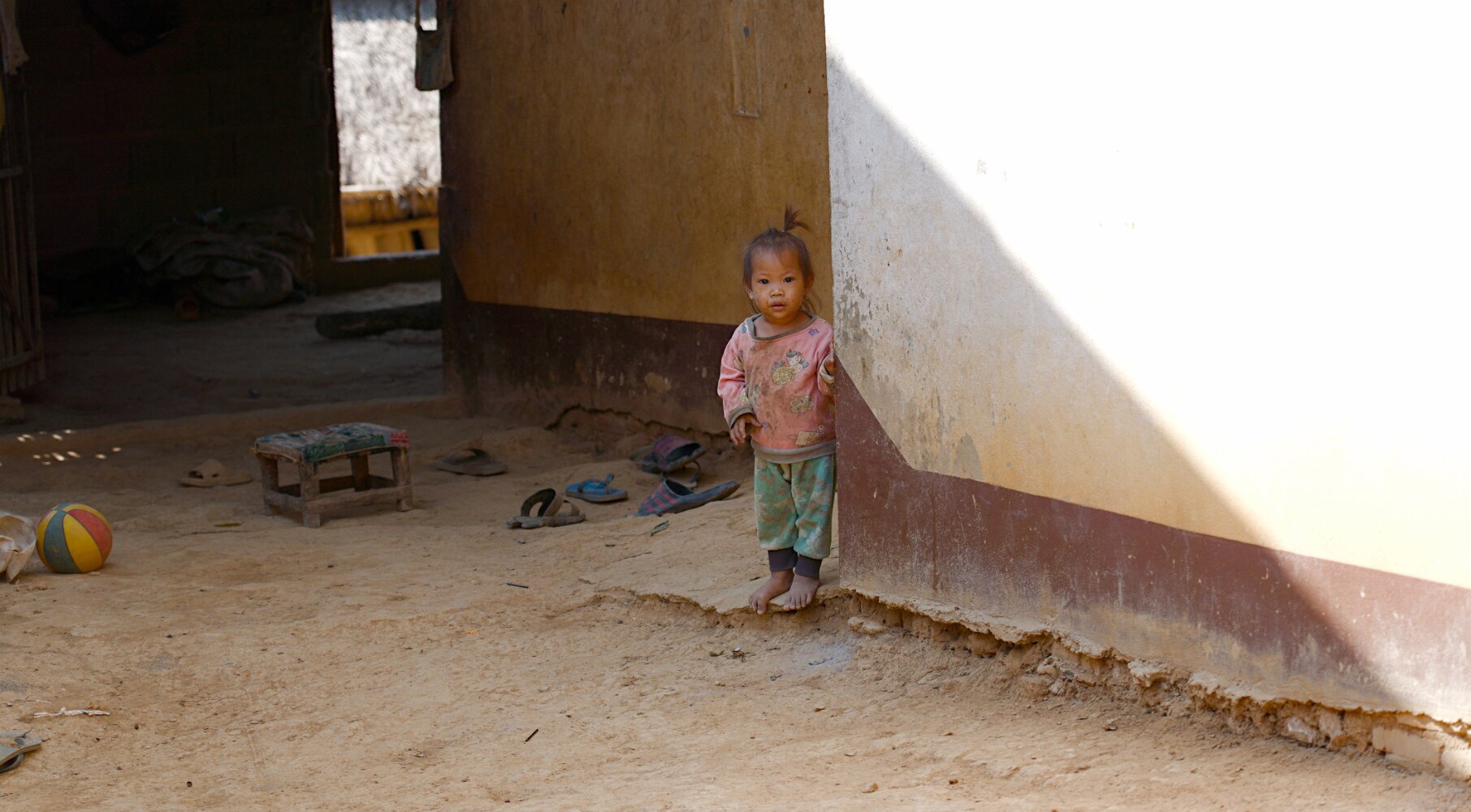
Originating in China and with a history of migrations, the Hmong people are known for their shamanistic beliefs, large multi-generation households, and resilience and strong traditions that resist assimilation.
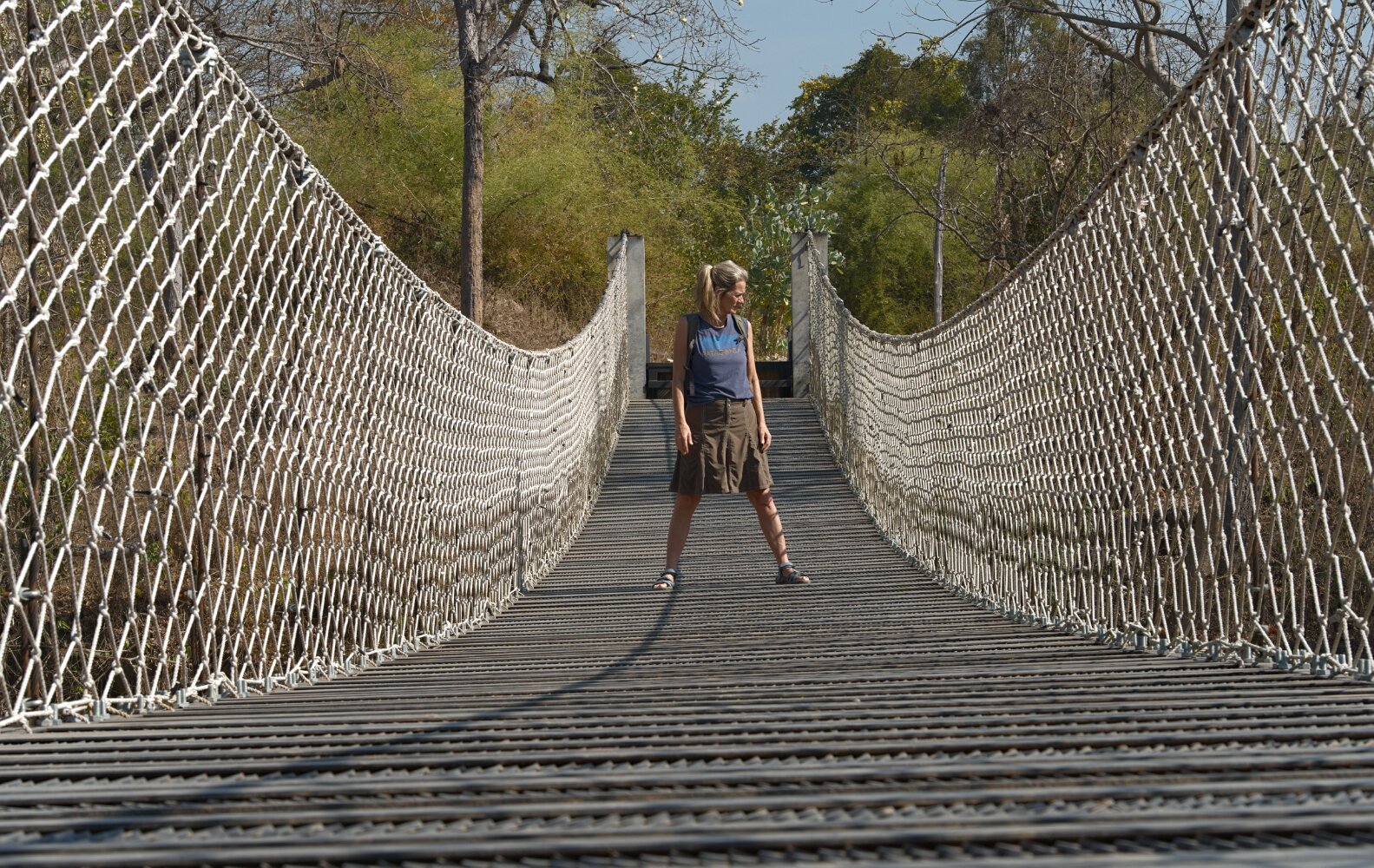
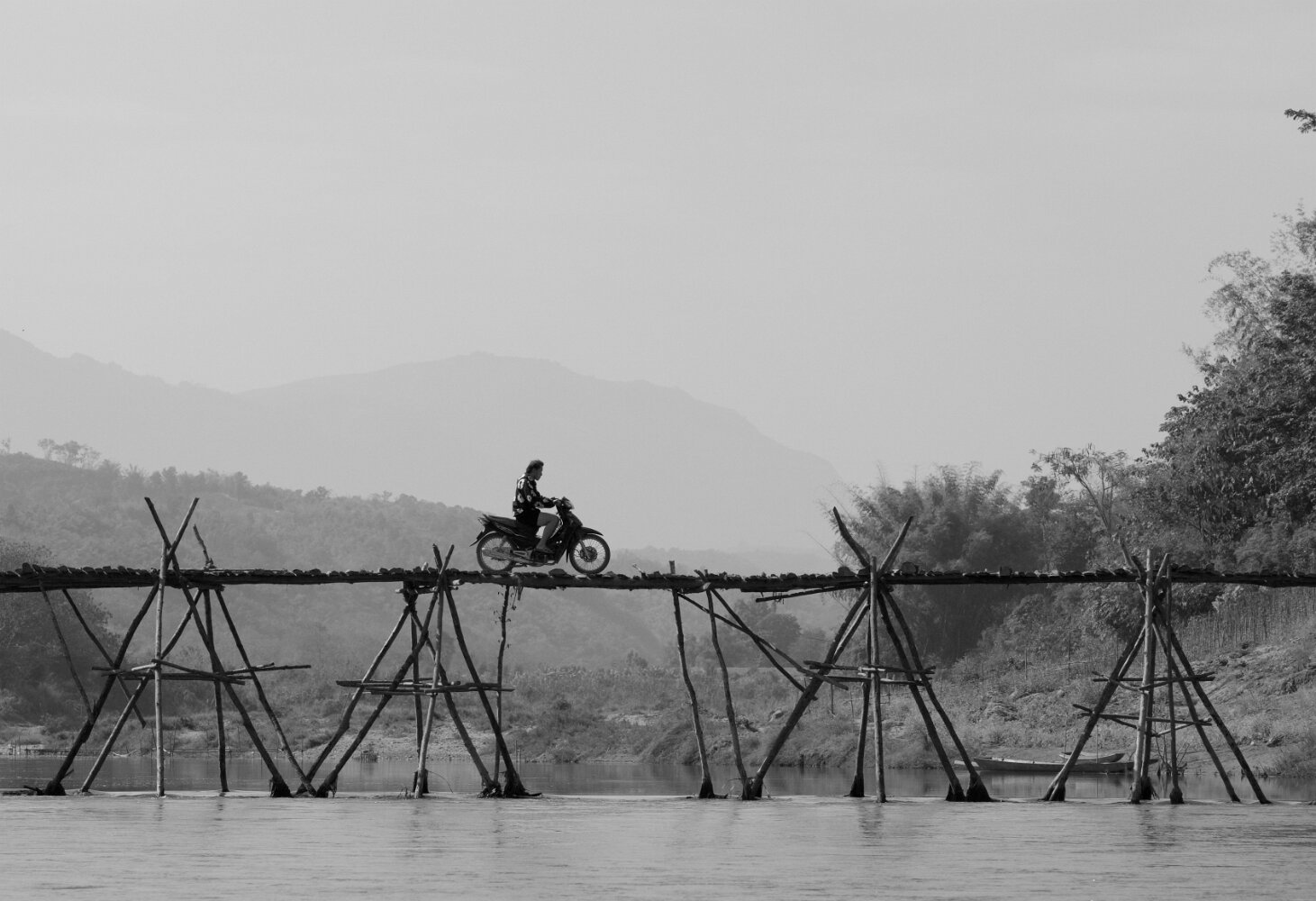
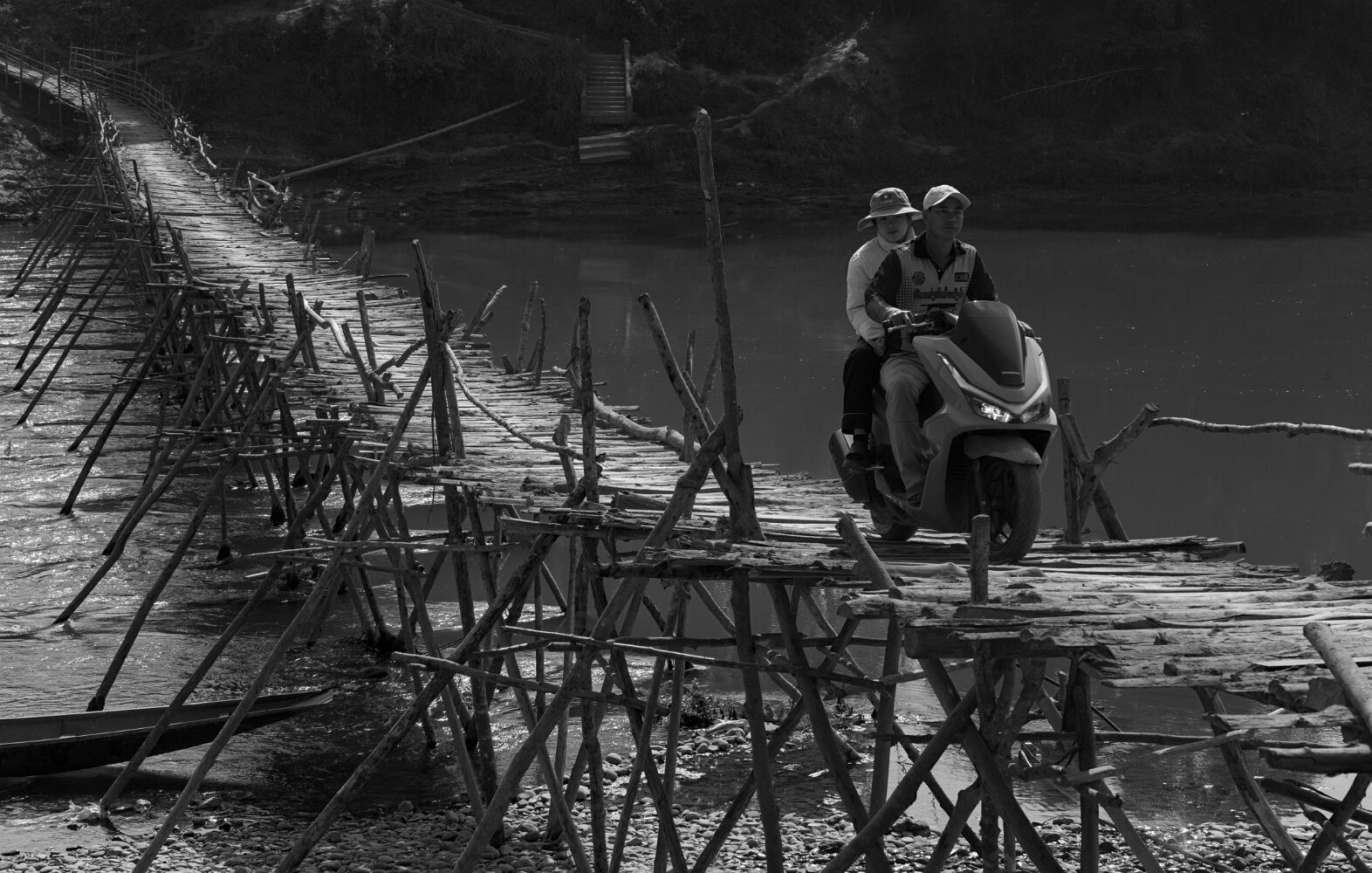
The bridge pictured here is taken by the river during the monsoons and rebuilt every year.
Khmu Village
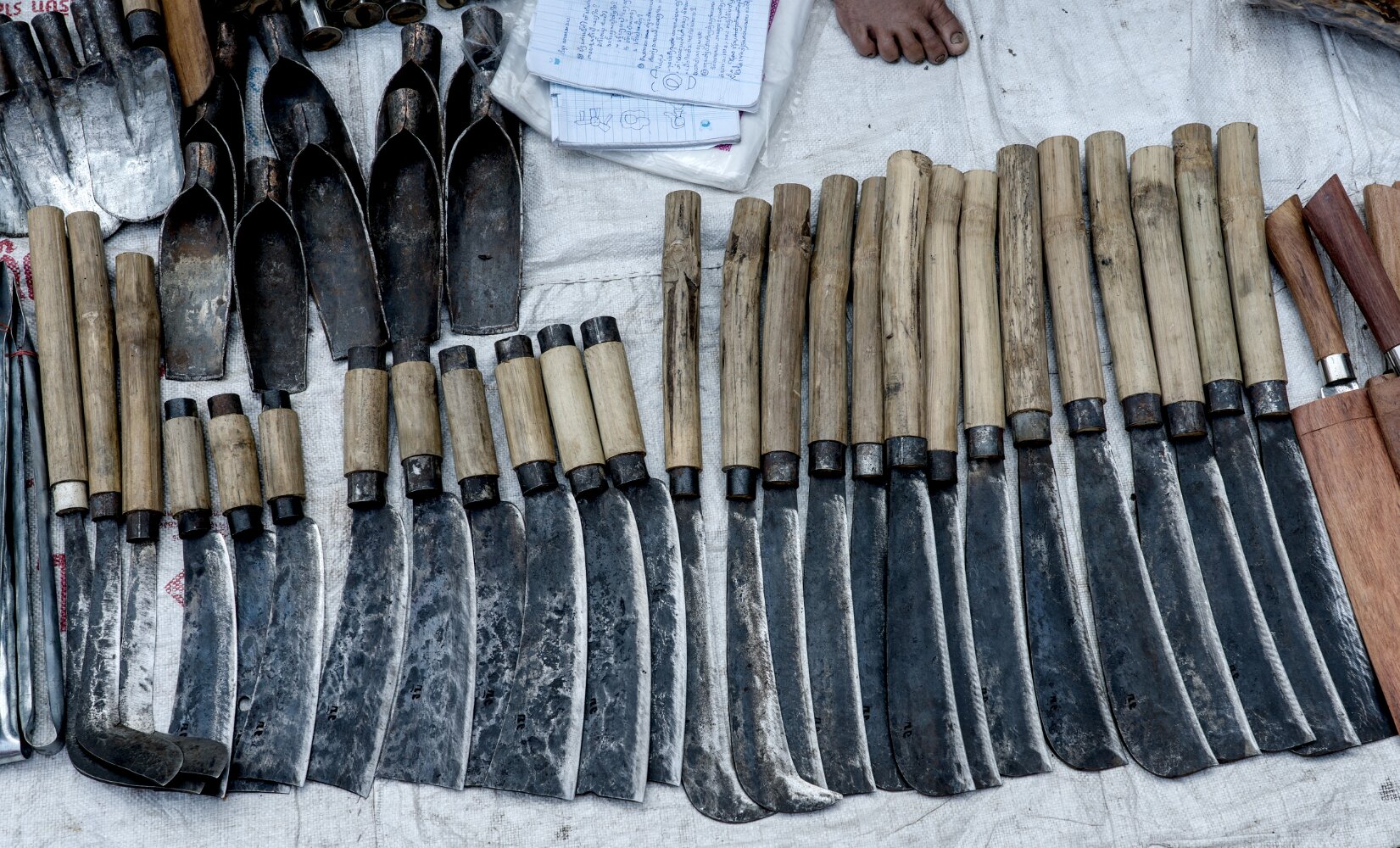
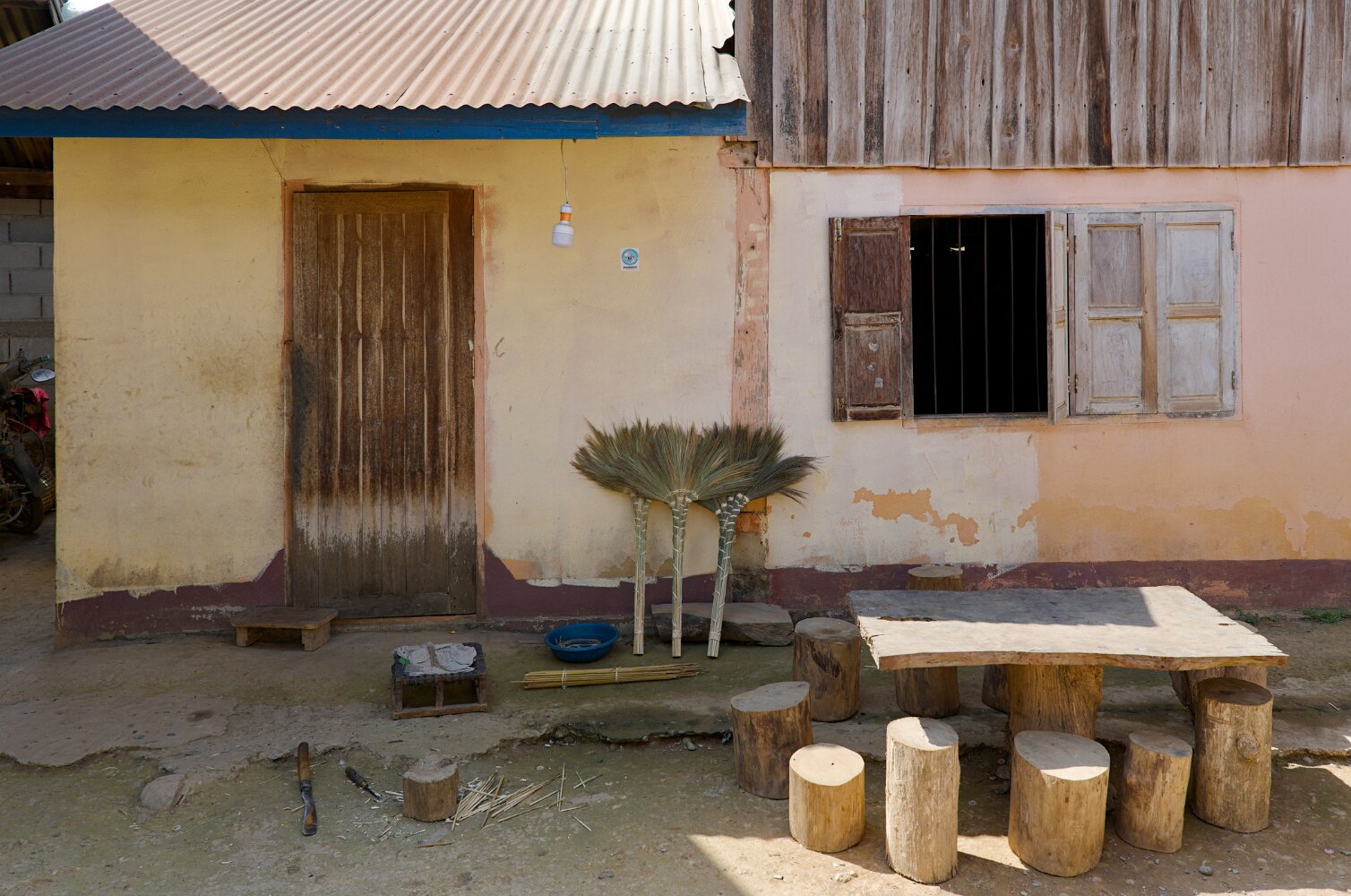
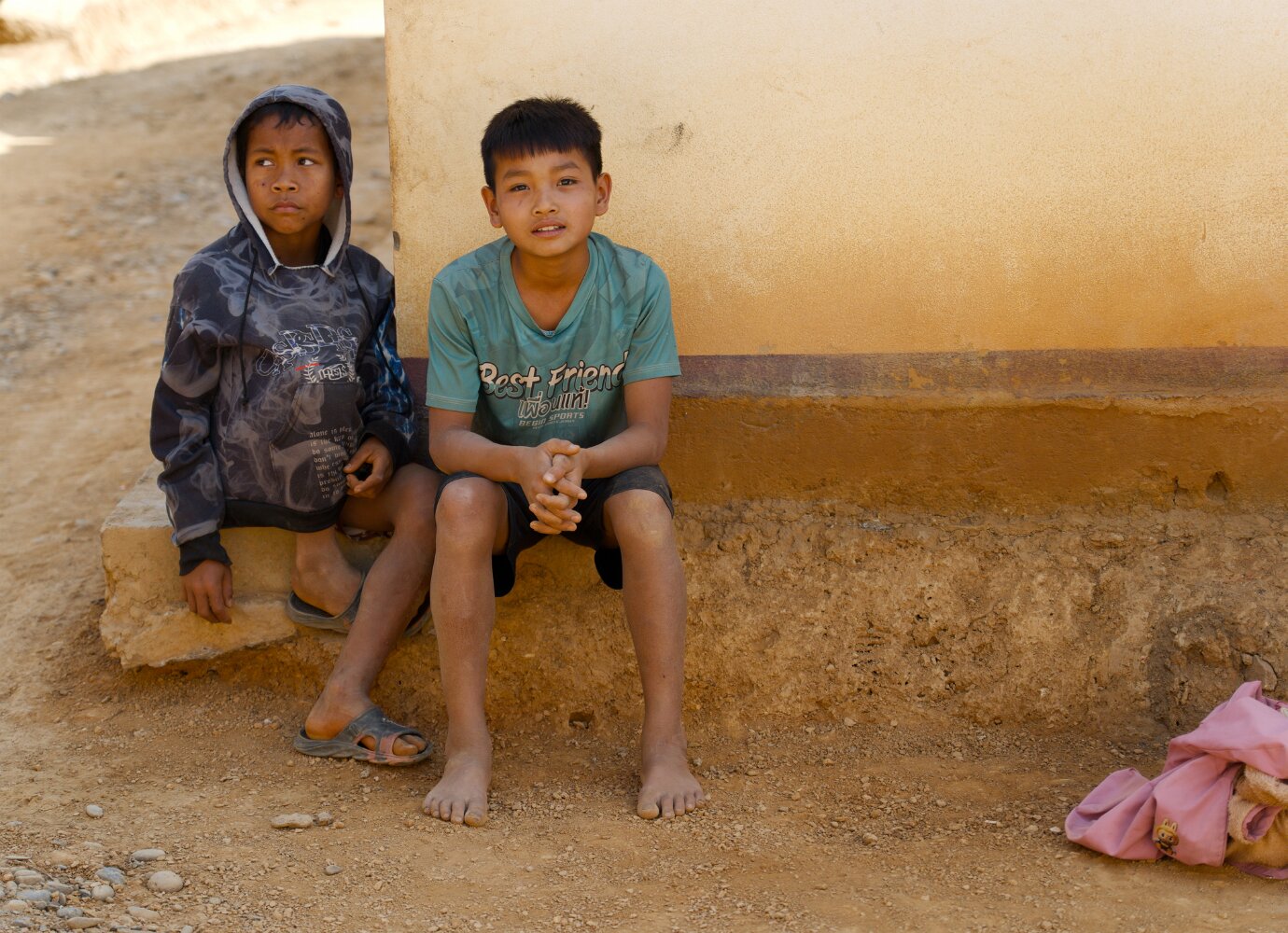
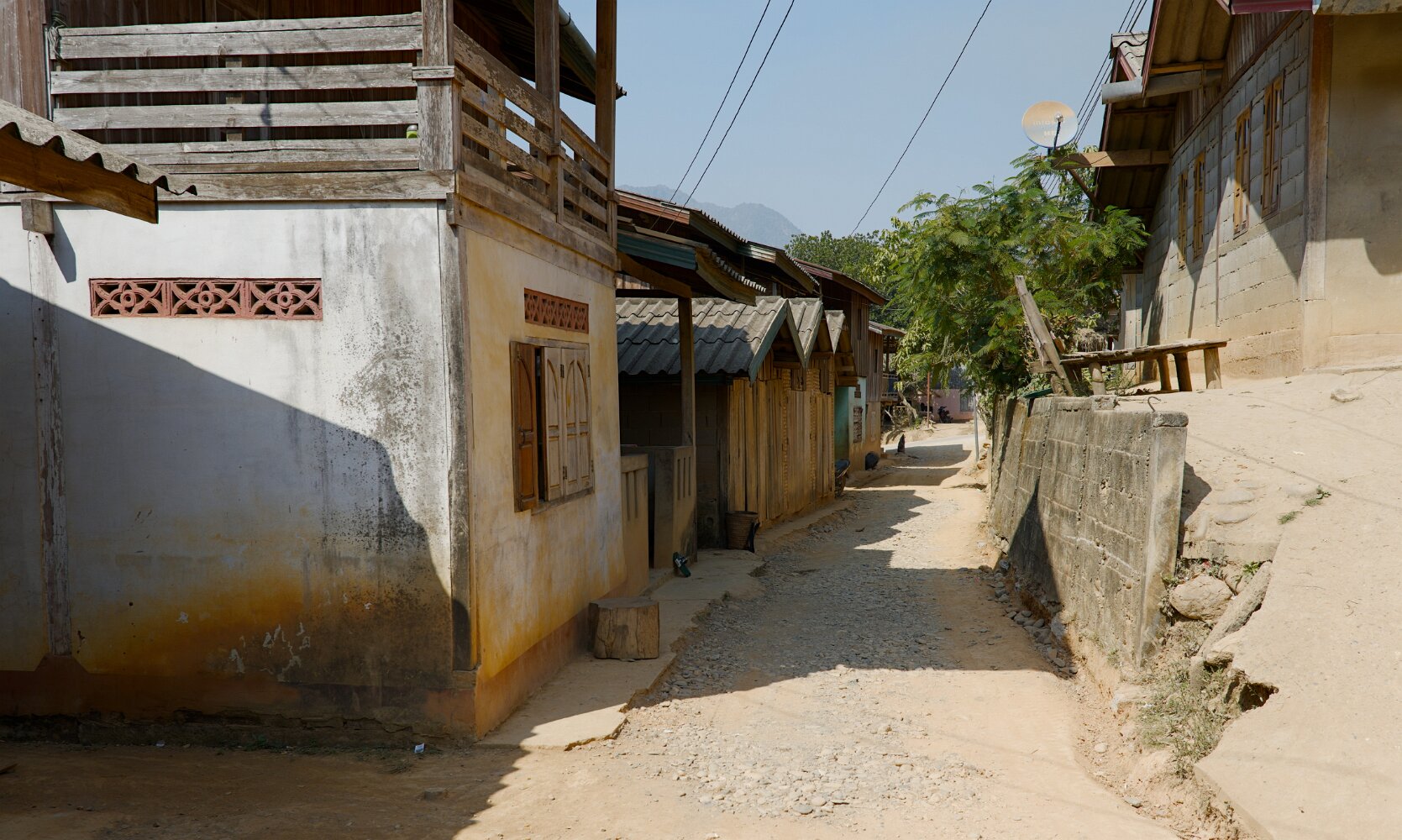
The Khmu are an indigenous ethnic group primarily located in northern Laos, renowned for their vine weaving, basket-making, and blacksmithing.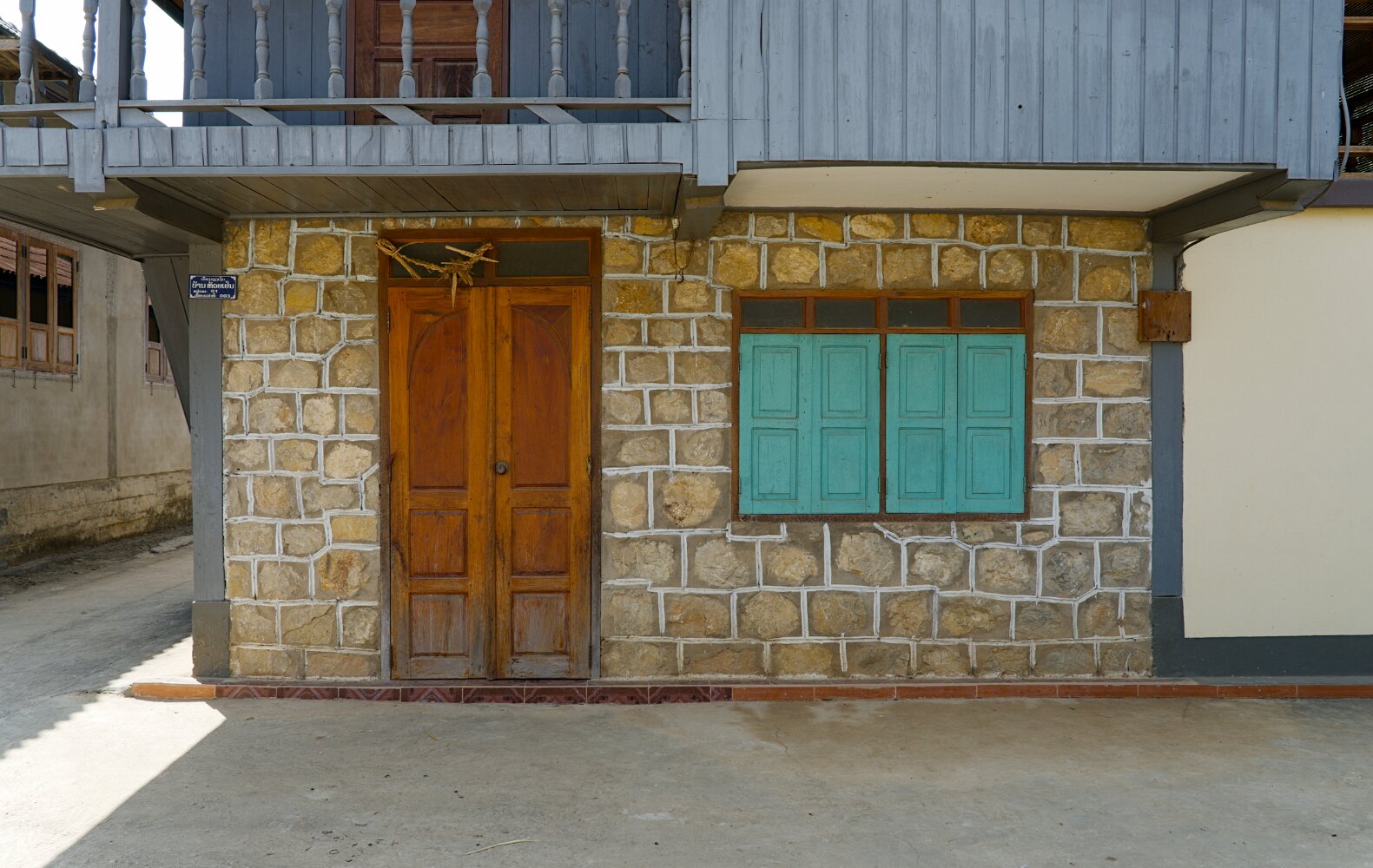
The slow boat to Thailand
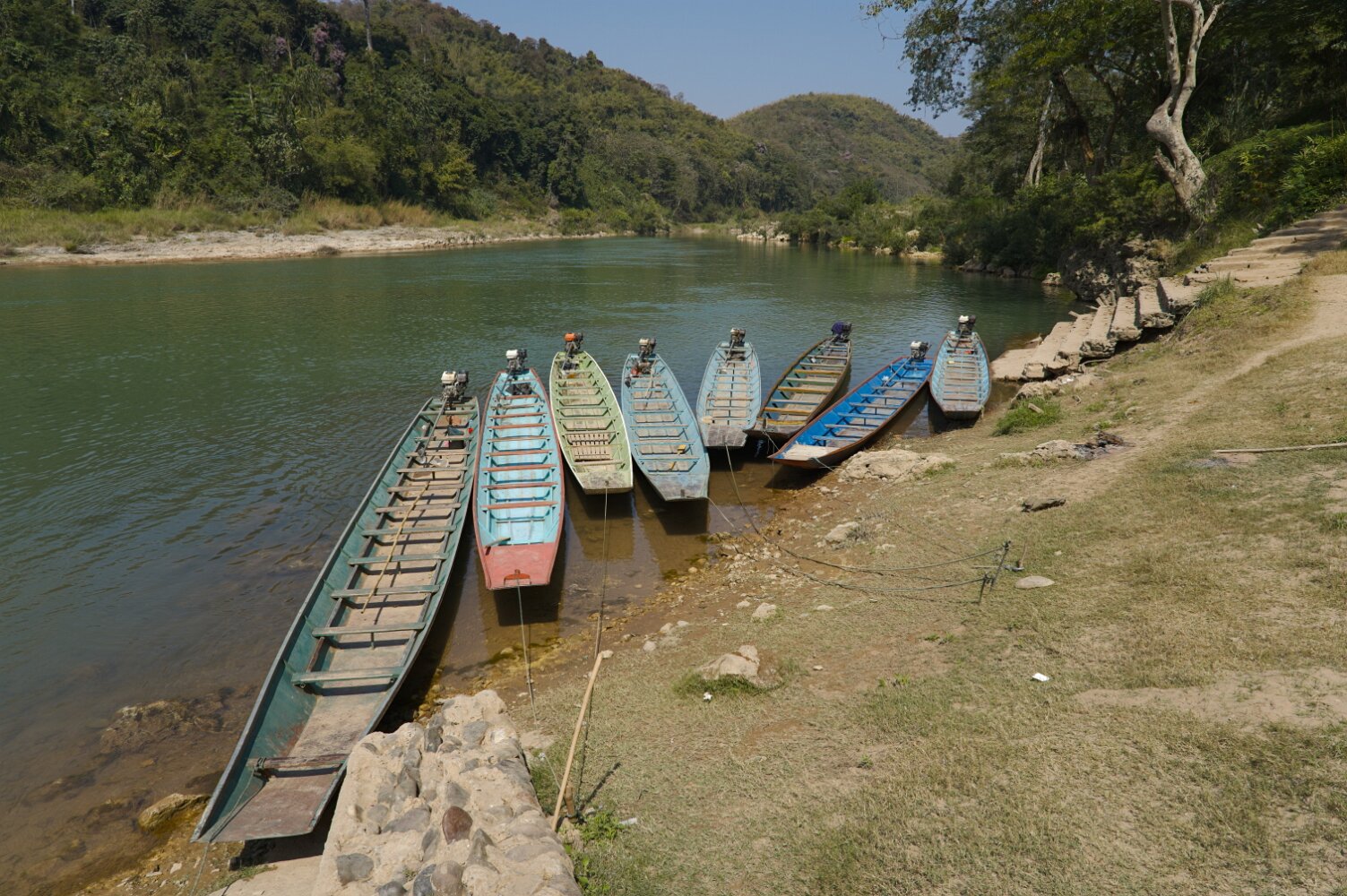
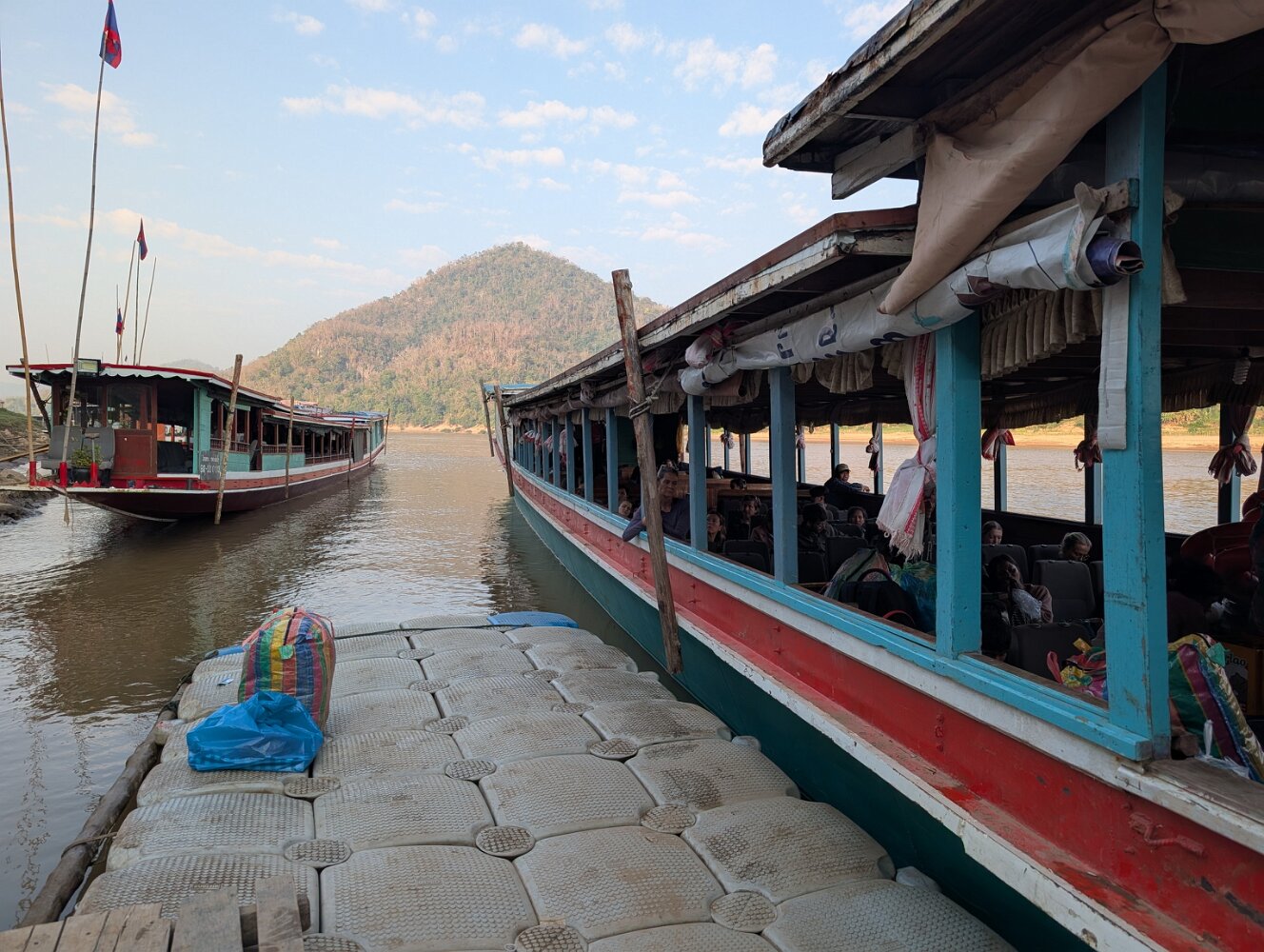
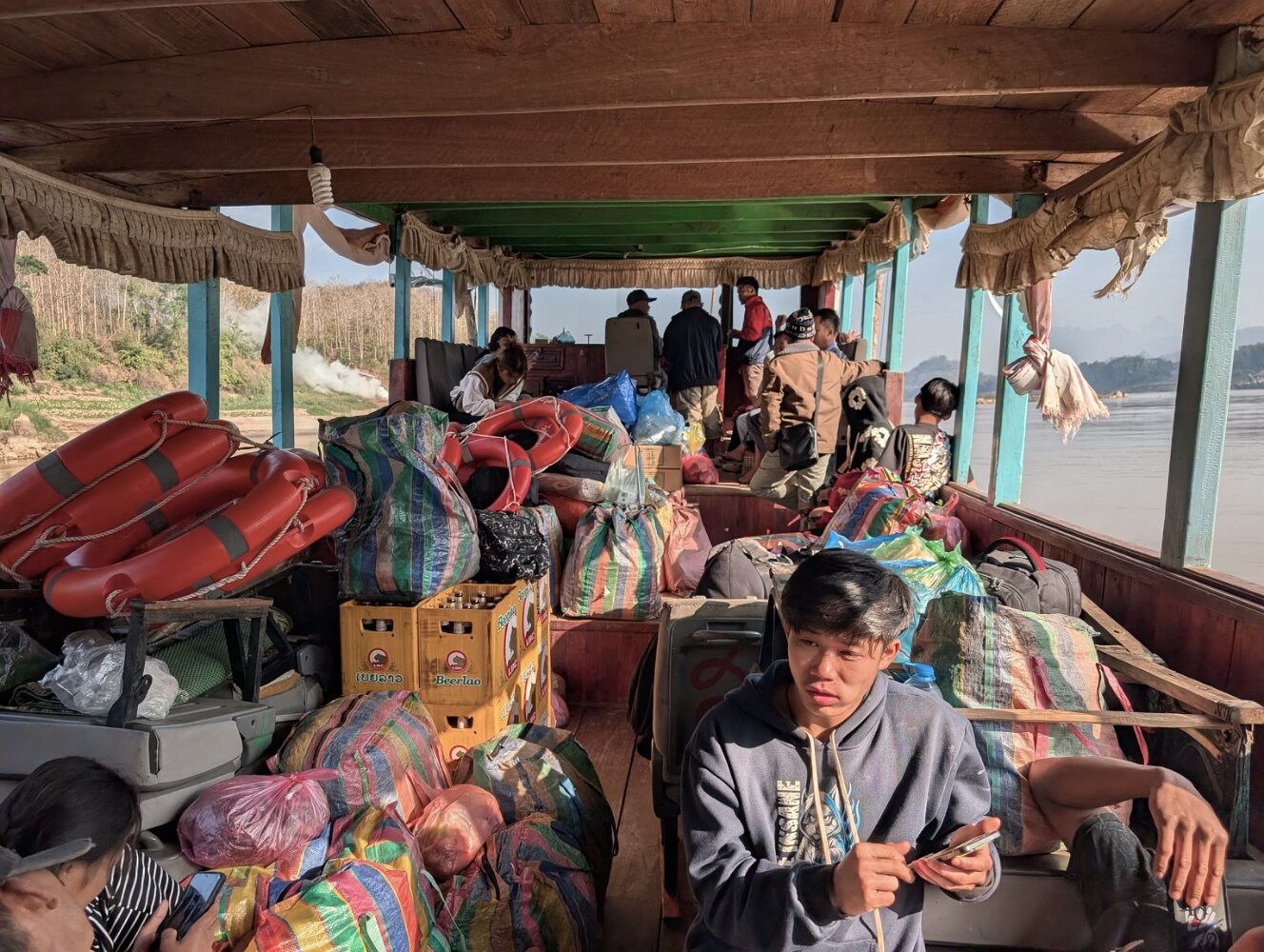
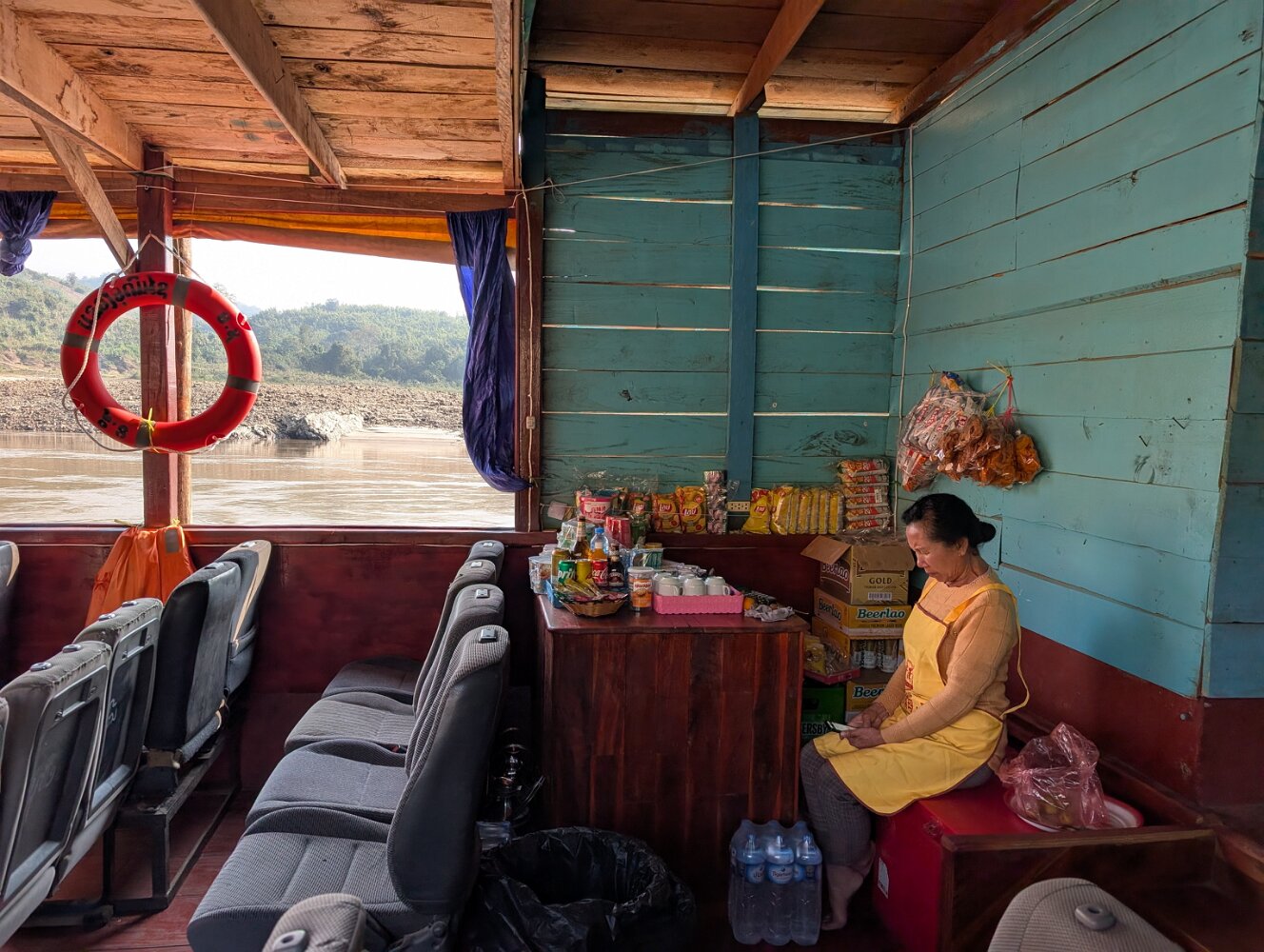
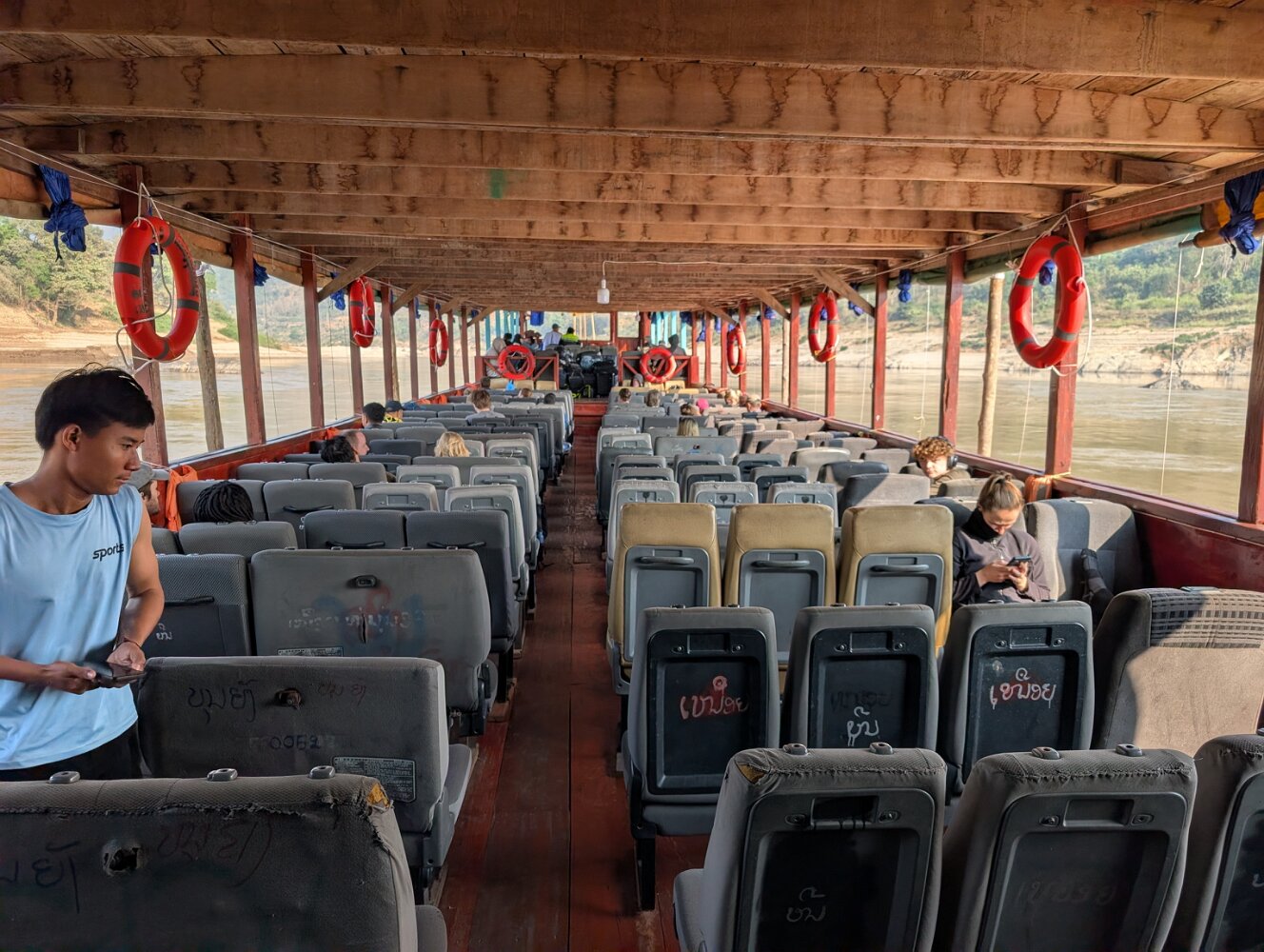
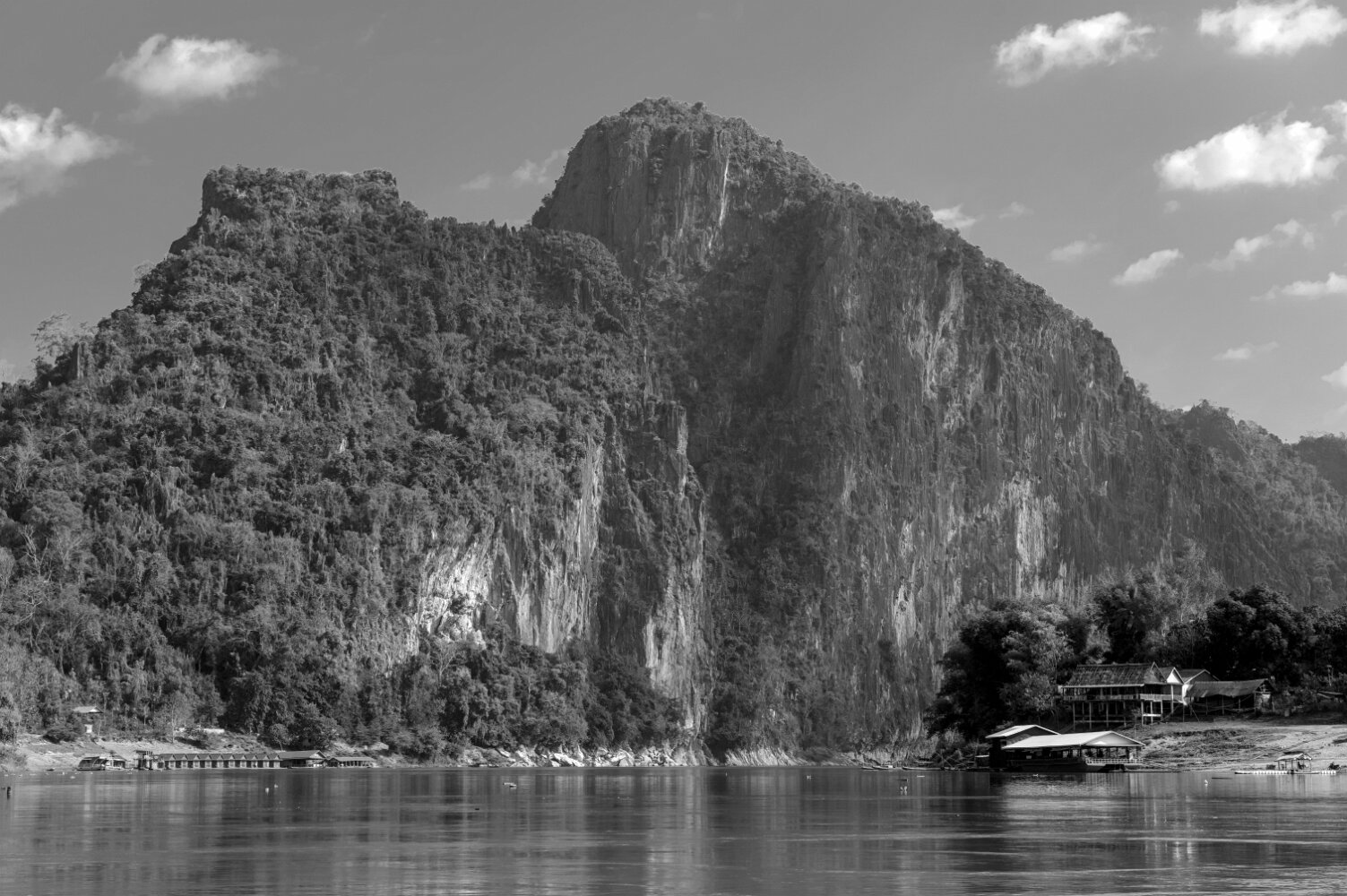
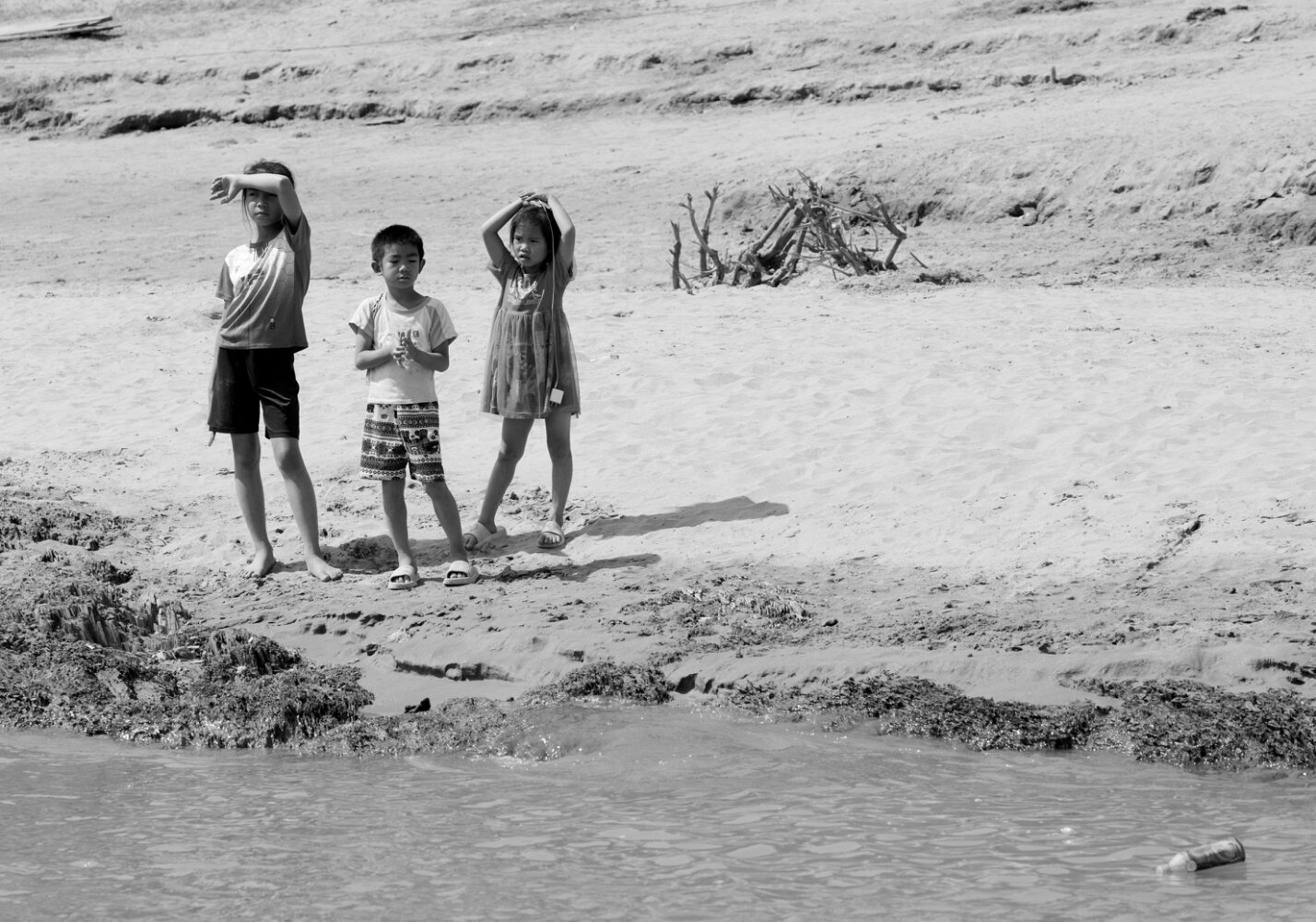
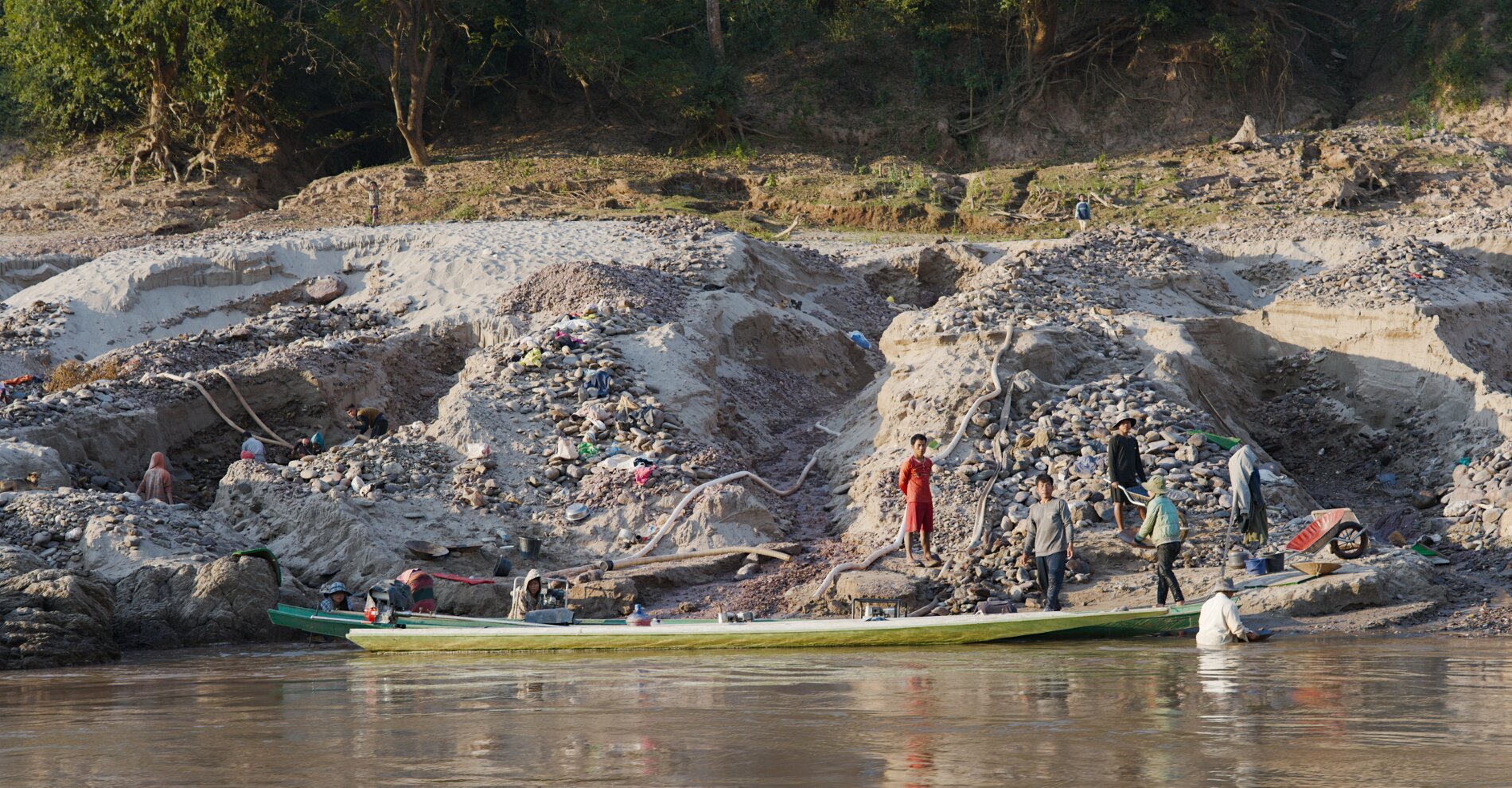
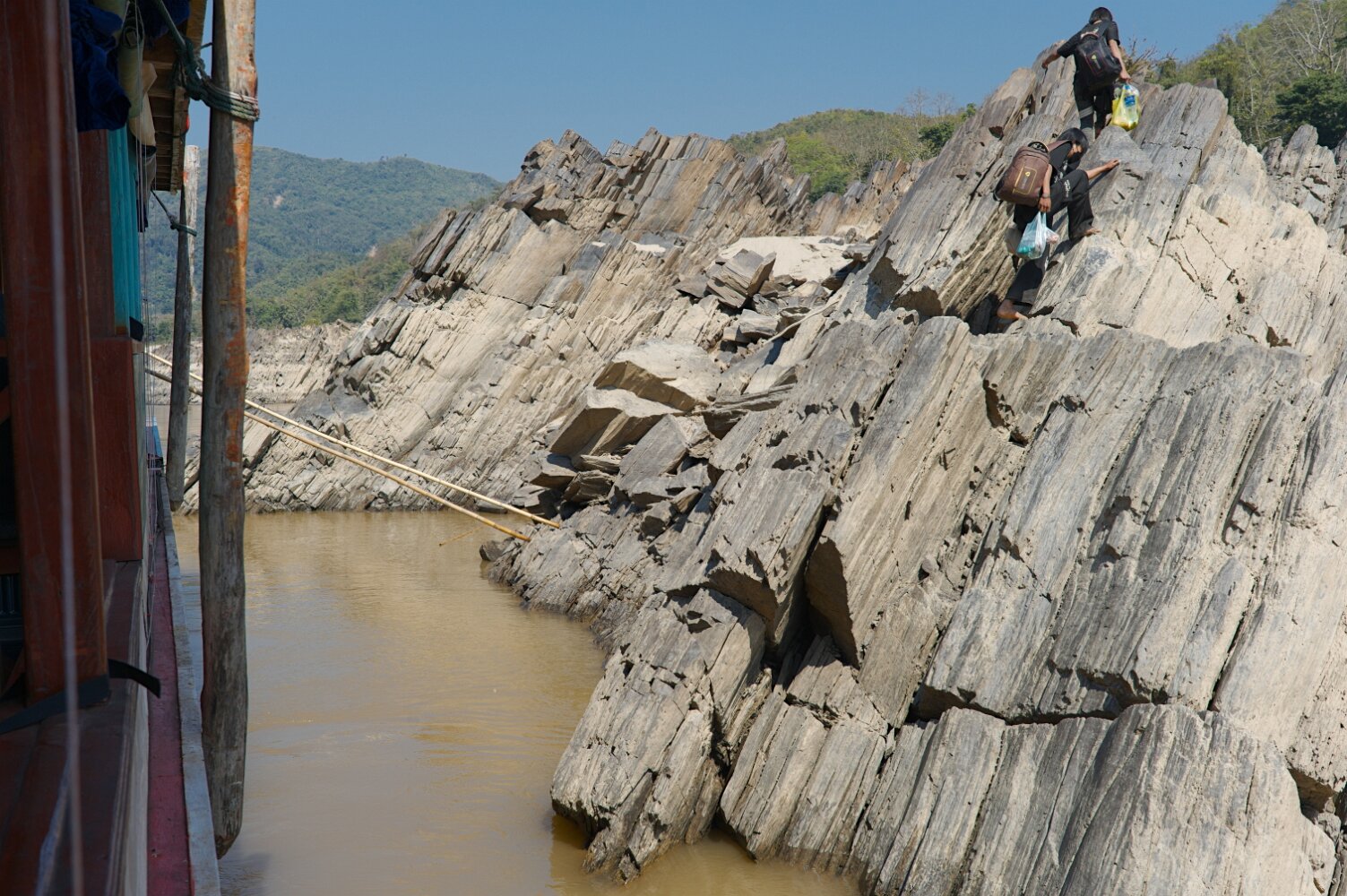
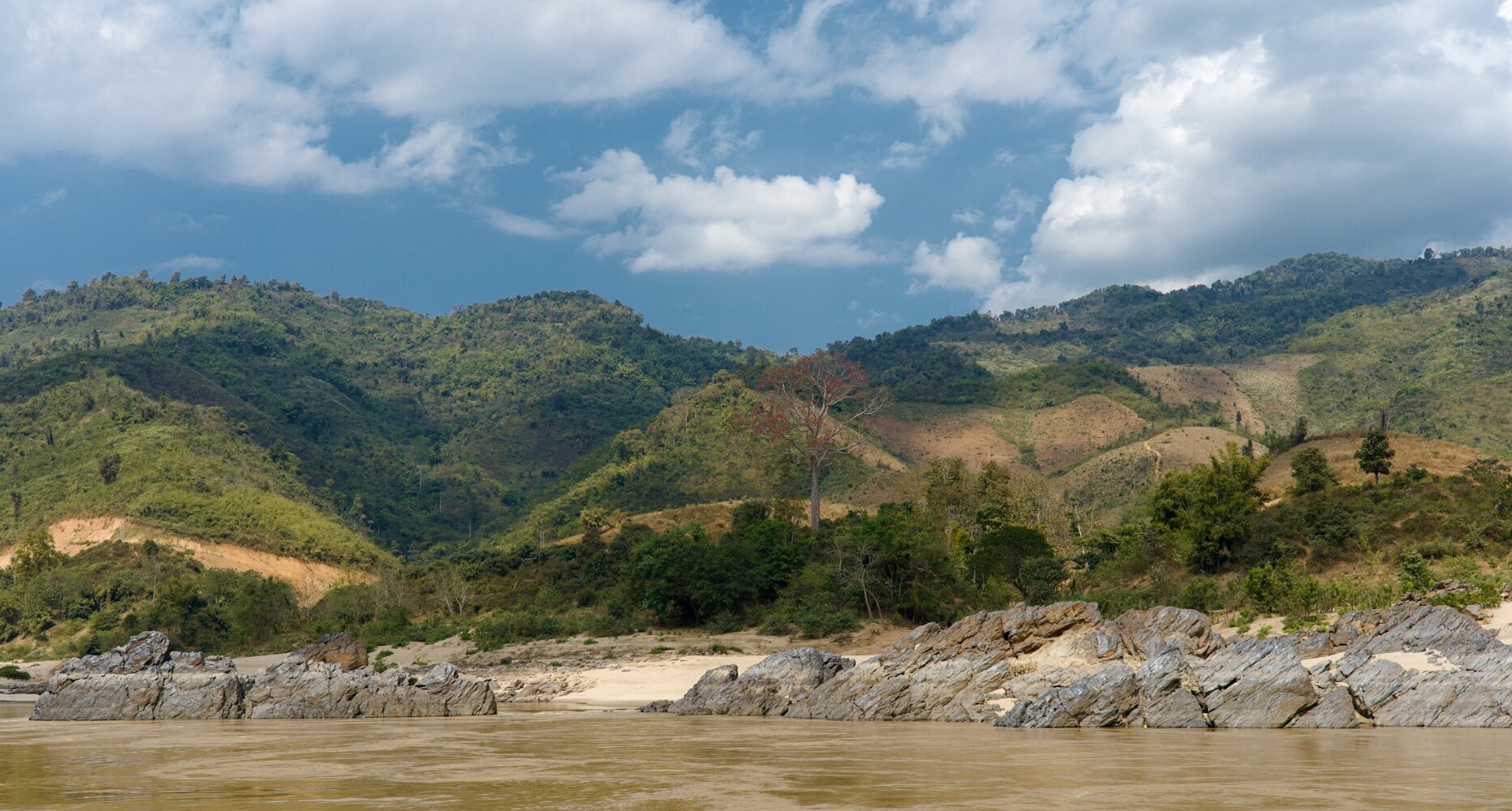
The local boats that navigate the Mekong River between Luang Prabang and Huay Xai, across the river from Thailand, provide an experience that feels taken from a chapter of García Marquez's magical realism. The journey takes two days: you take a boat to Pakbeng, spend the night there, and then take another boat to Huay Xai. Upstream it's about ten hours each day.
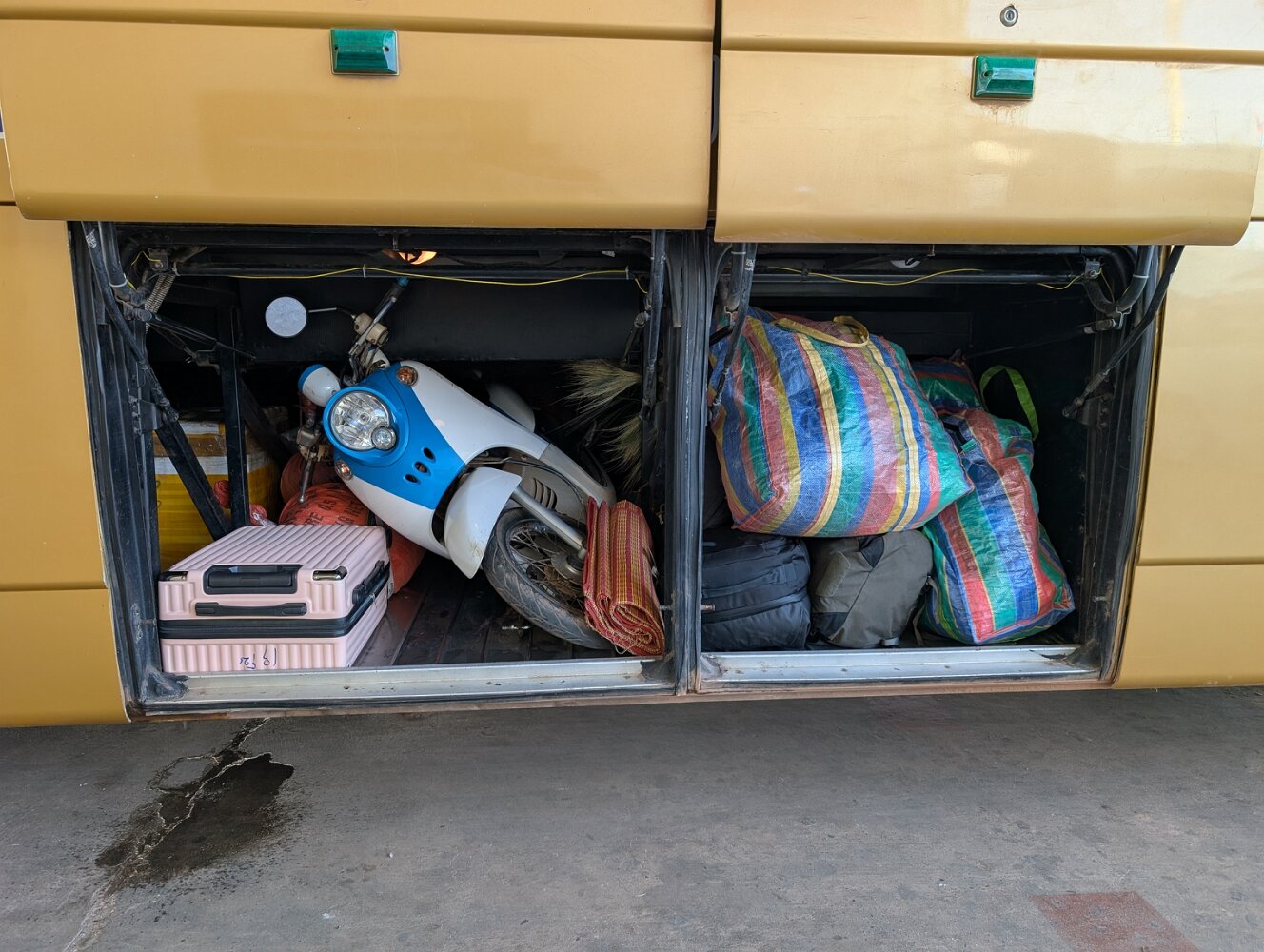
The boats are long wooden vessels with seats taken from passenger vans, and carry an eclectic mix of locals, westerners, and cargo, with no rules except "no shoes" as far as we could tell. They make frequent stops on a sandy beach or just a convenient rock in the middle of nowhere to unload a family with a dog in a bird cage, cases of Lao Beer, and perhaps a motorcycle.
Chiang Rai's White and Blue temples
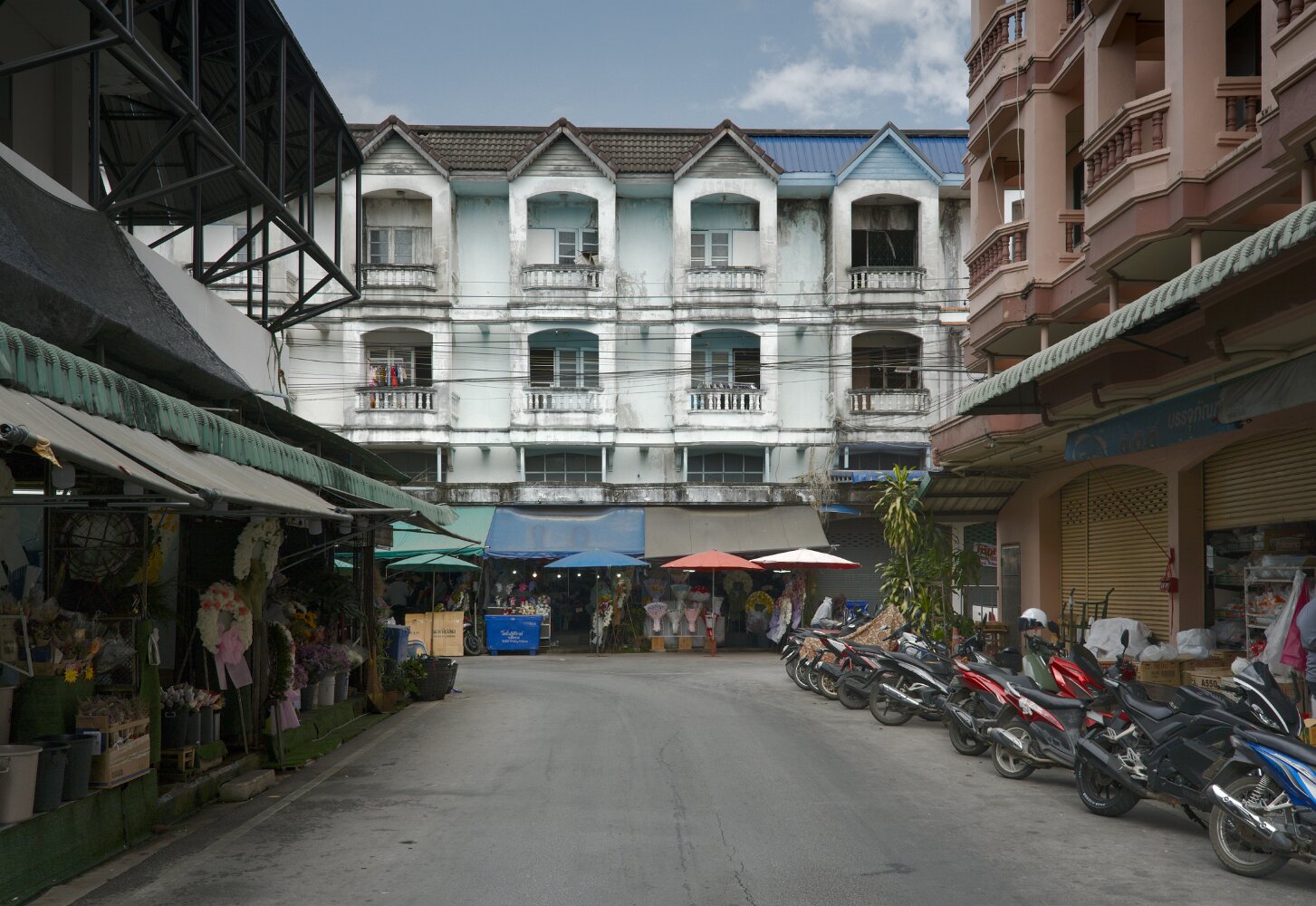
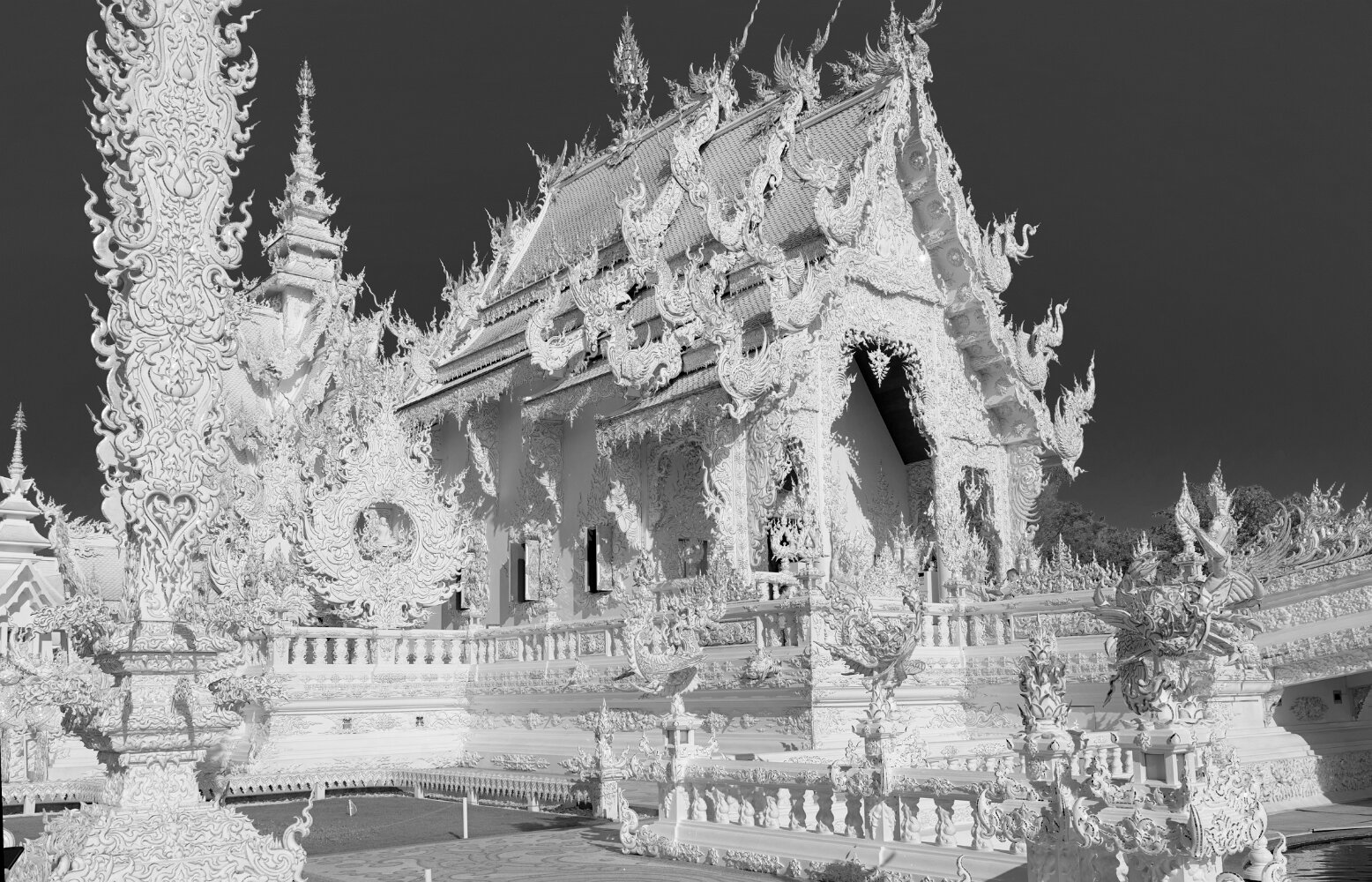
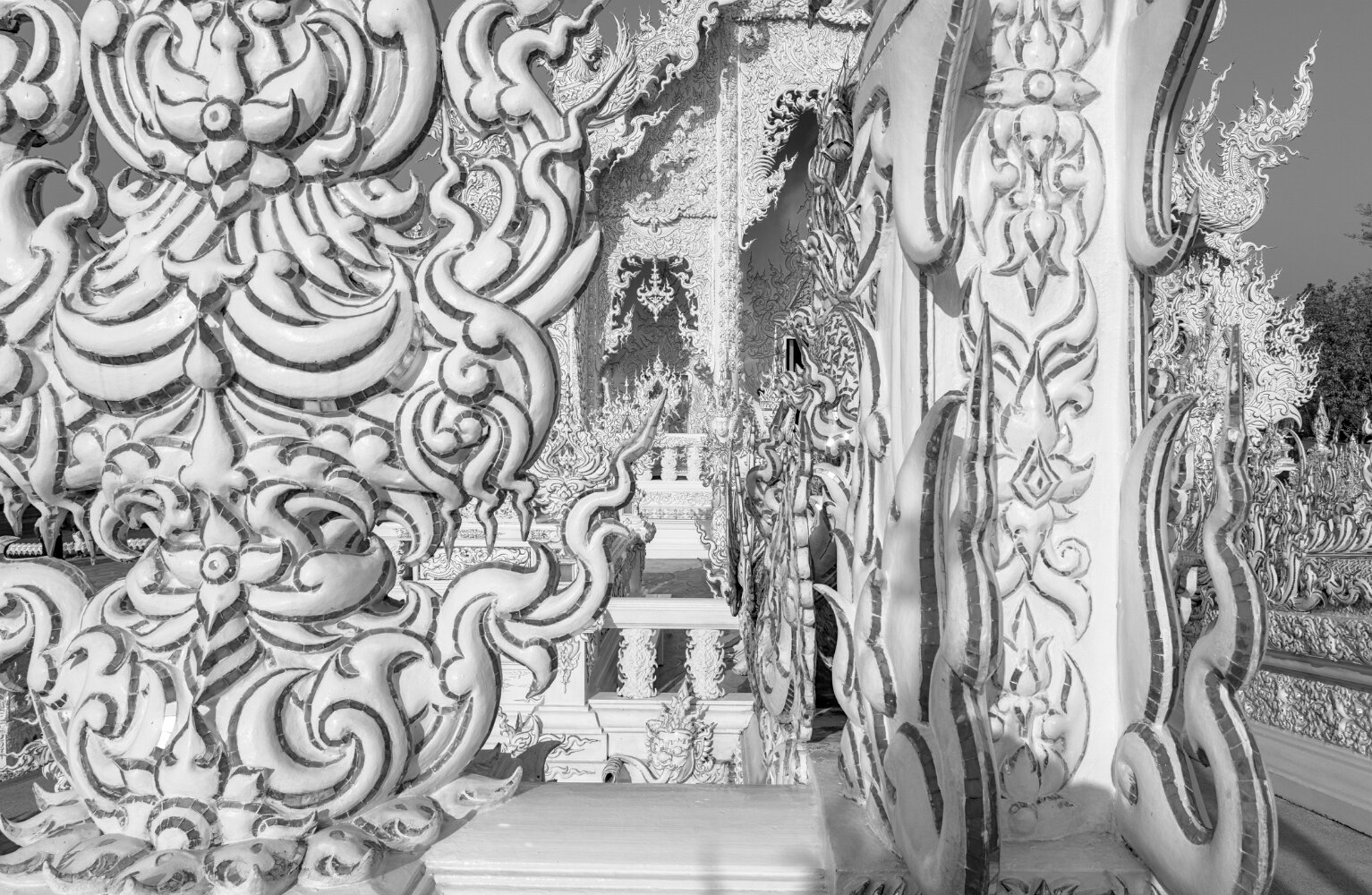
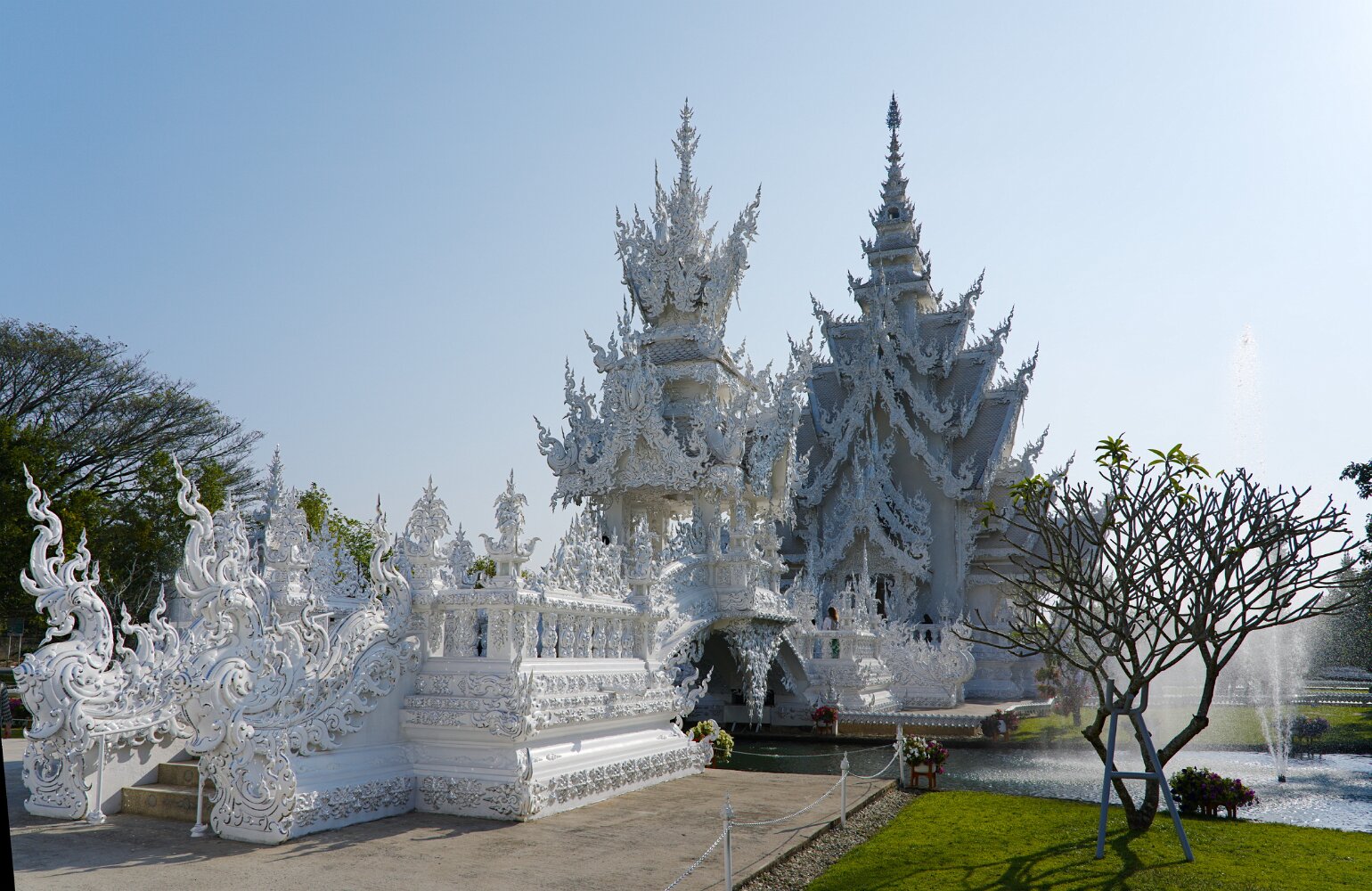
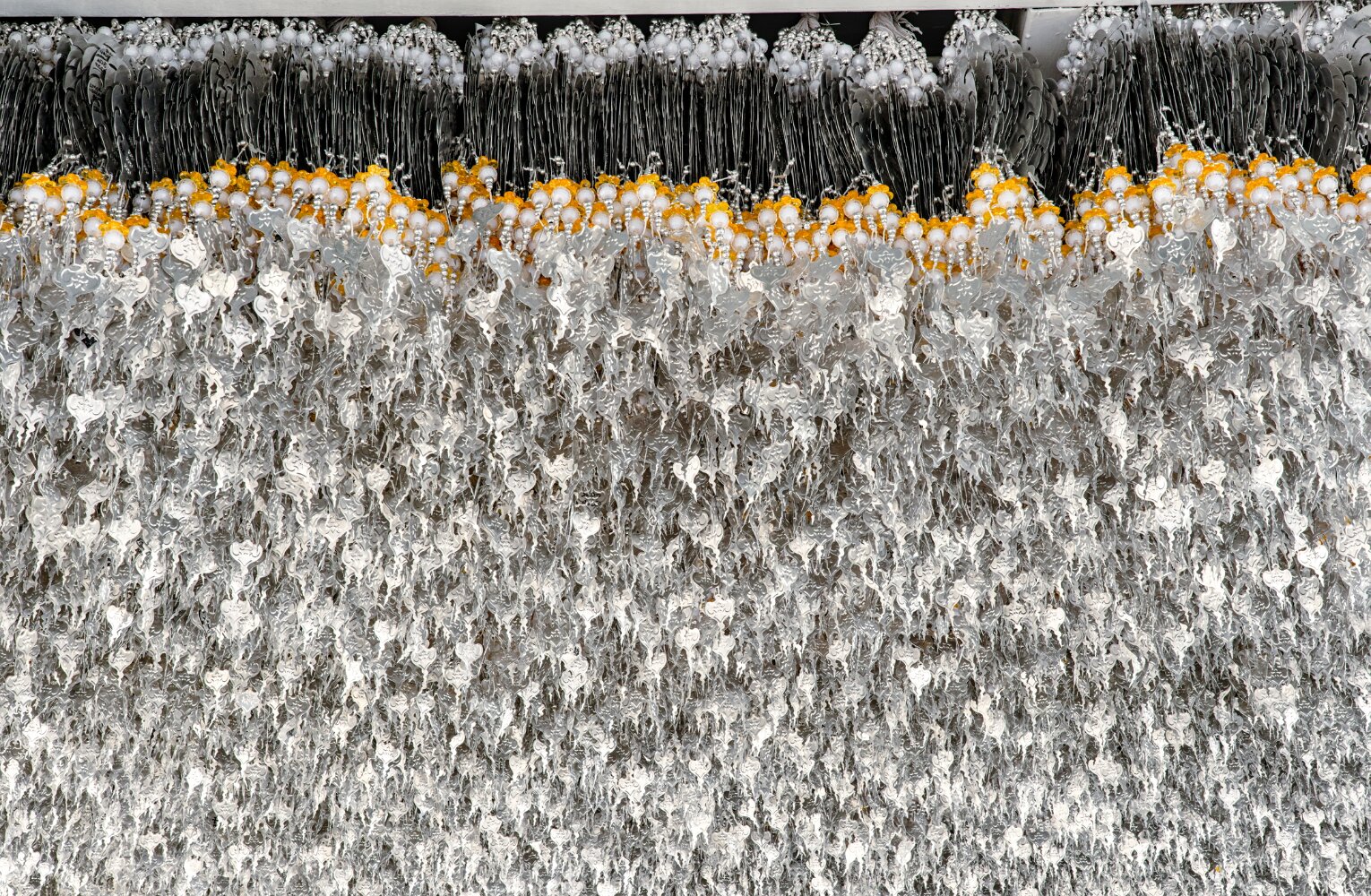
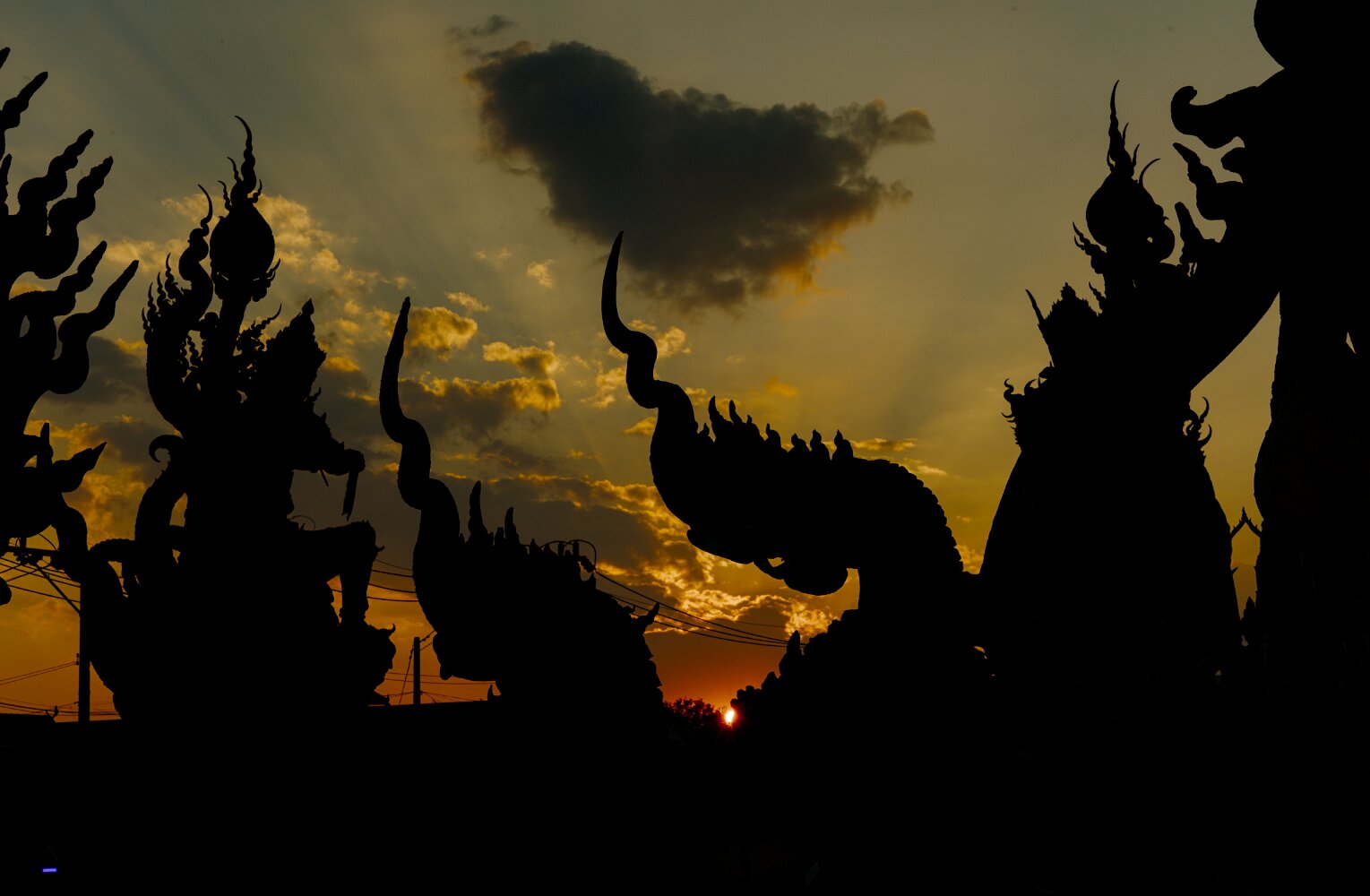
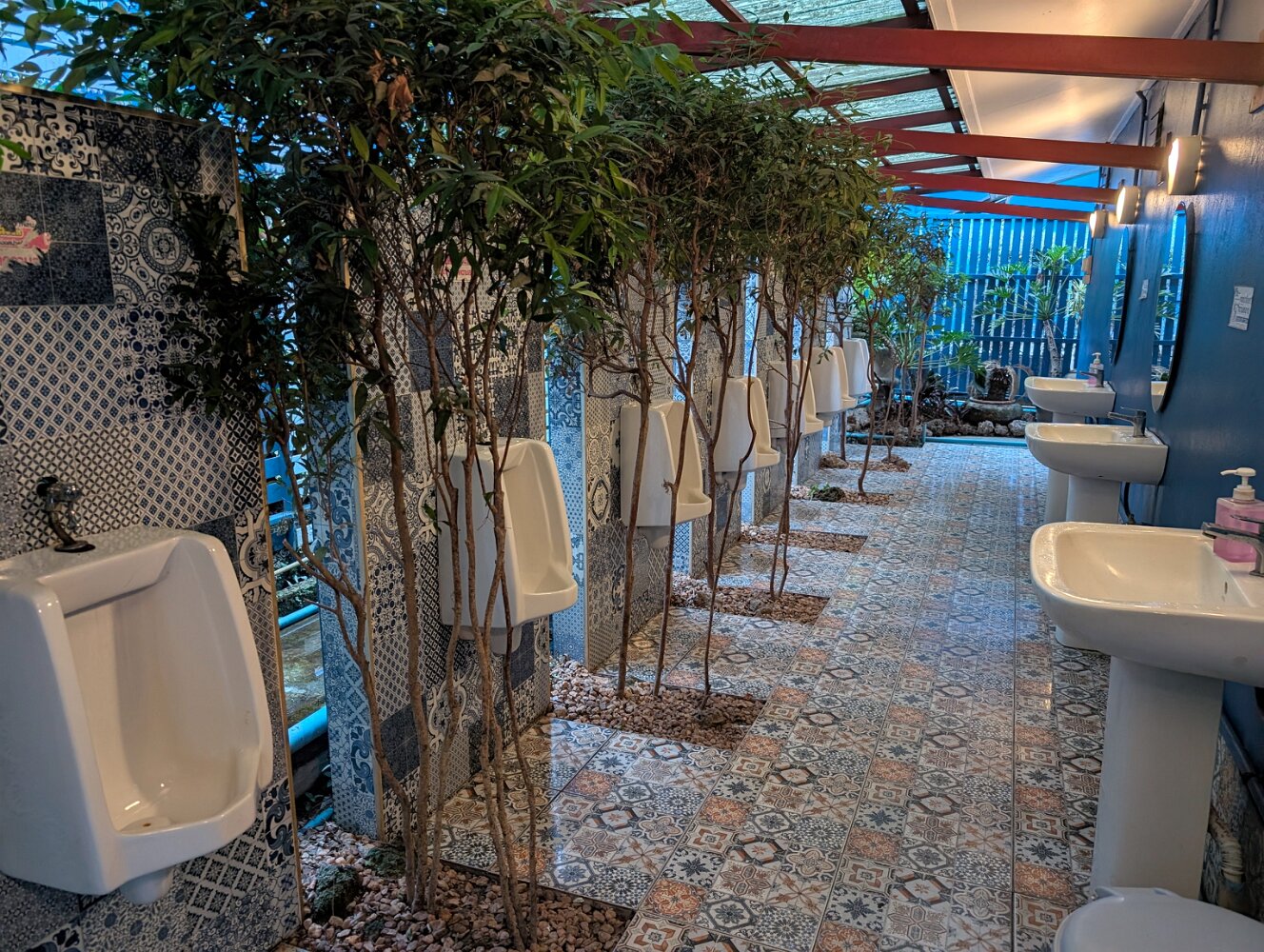
Chiang Rai, Thailand's northernmost major city, is well known for its art. The most famous attraction is Wat Rong Khun, also known as the White Temple. Local artist Chalermchai Kositpitat took over a dilapidated temple and with his own funds has been painstakingly rebuilding it as an offer to Buddha. It is not expected to be completed until 2070.
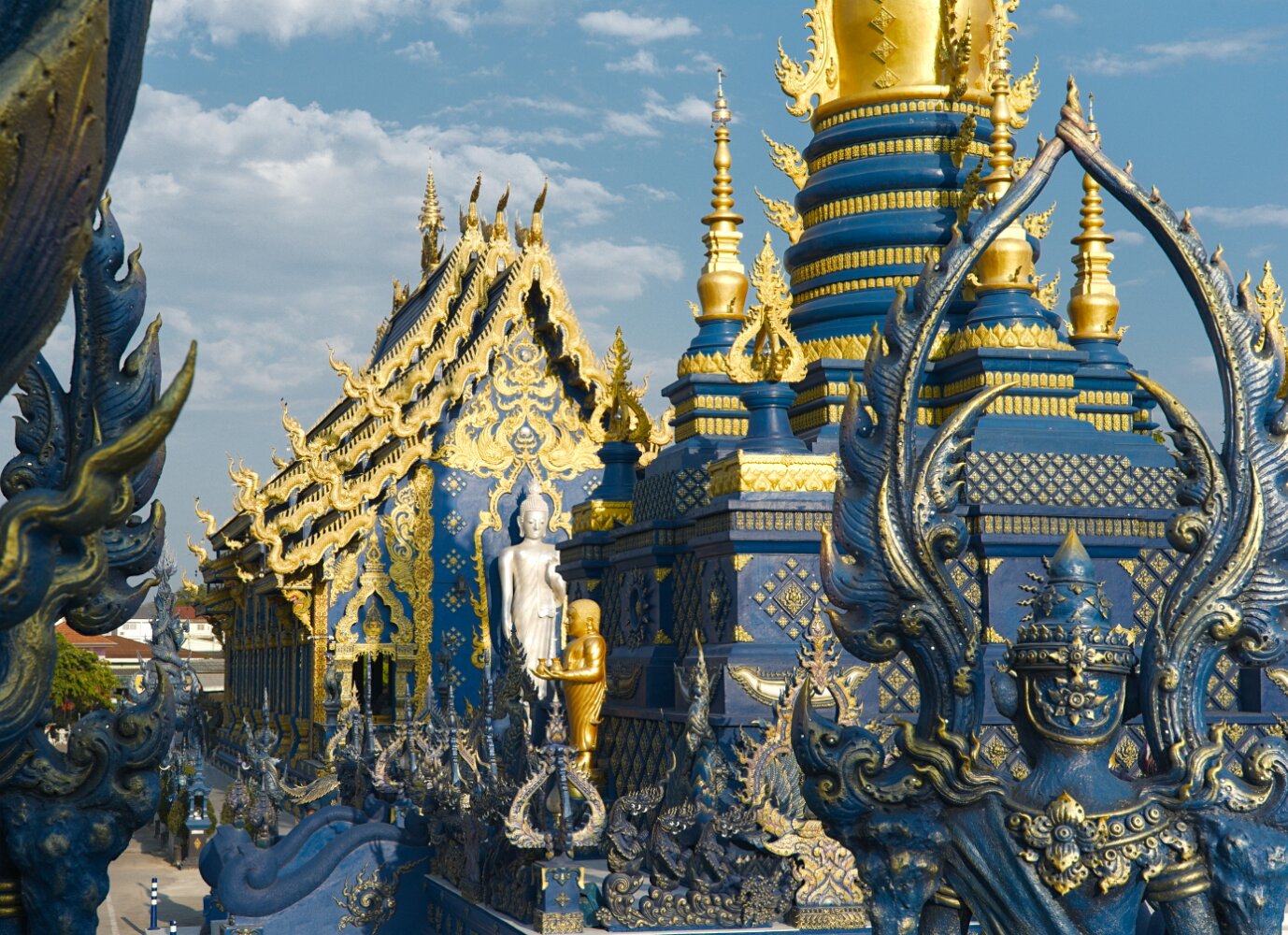
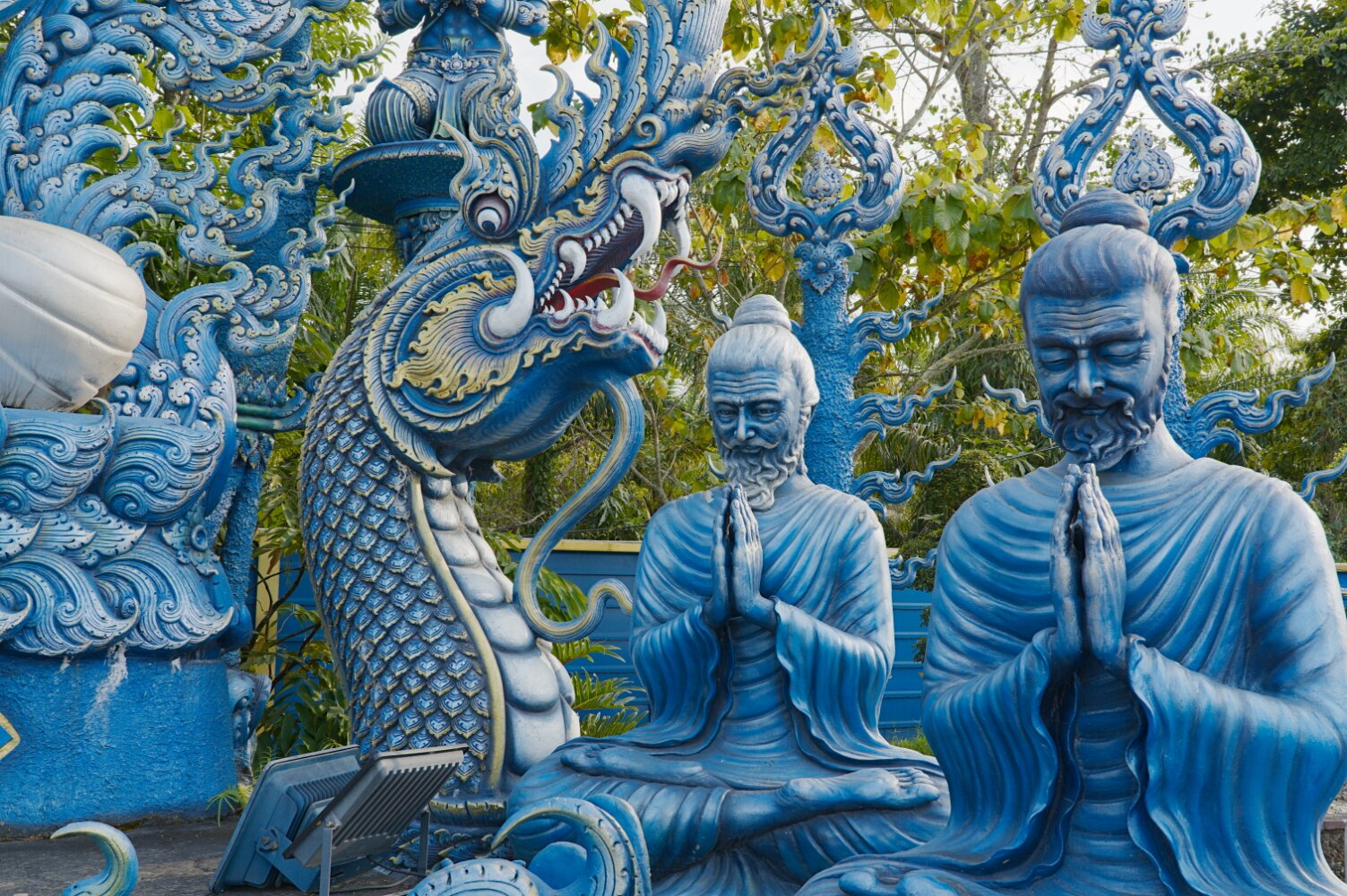
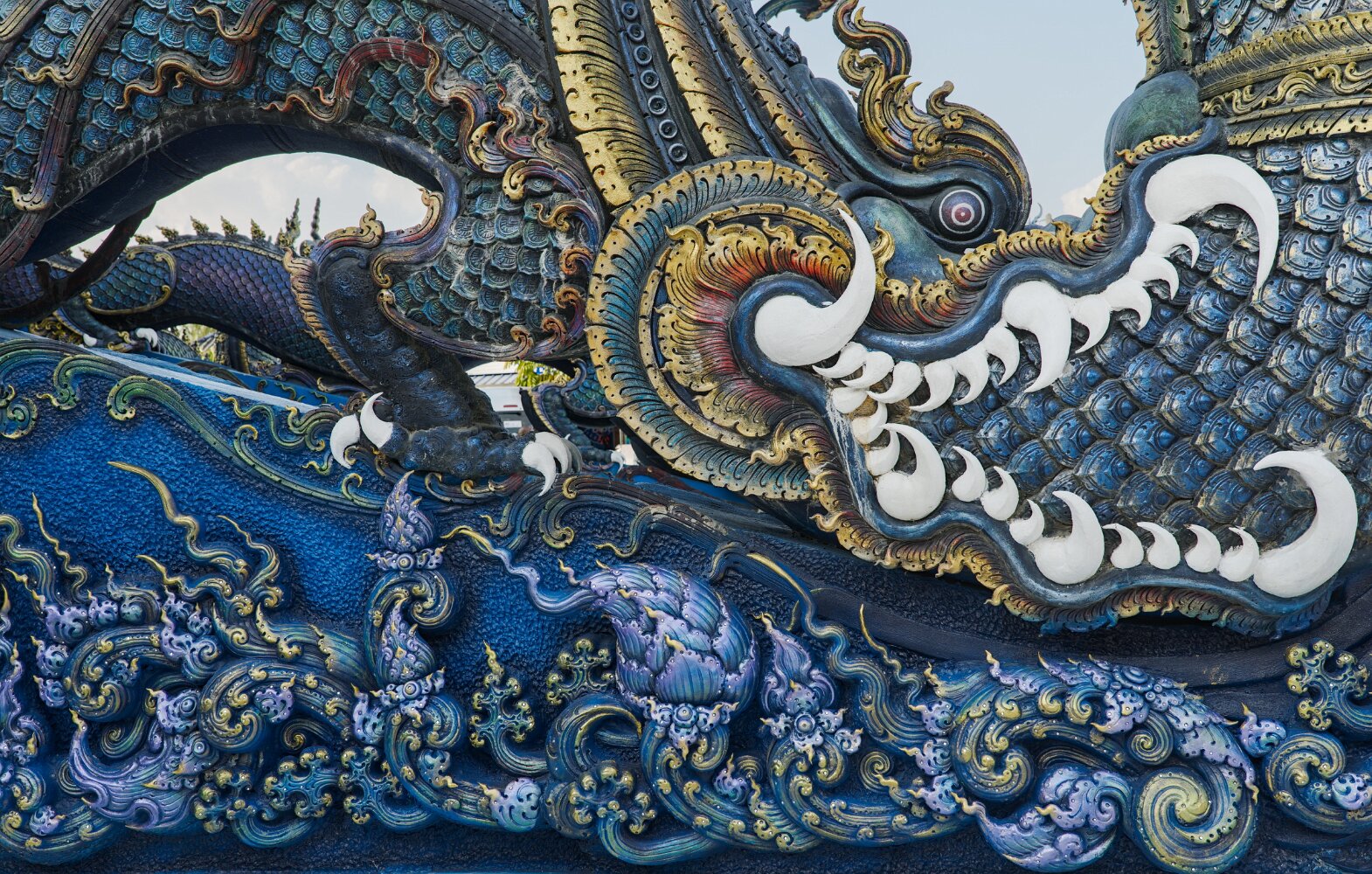
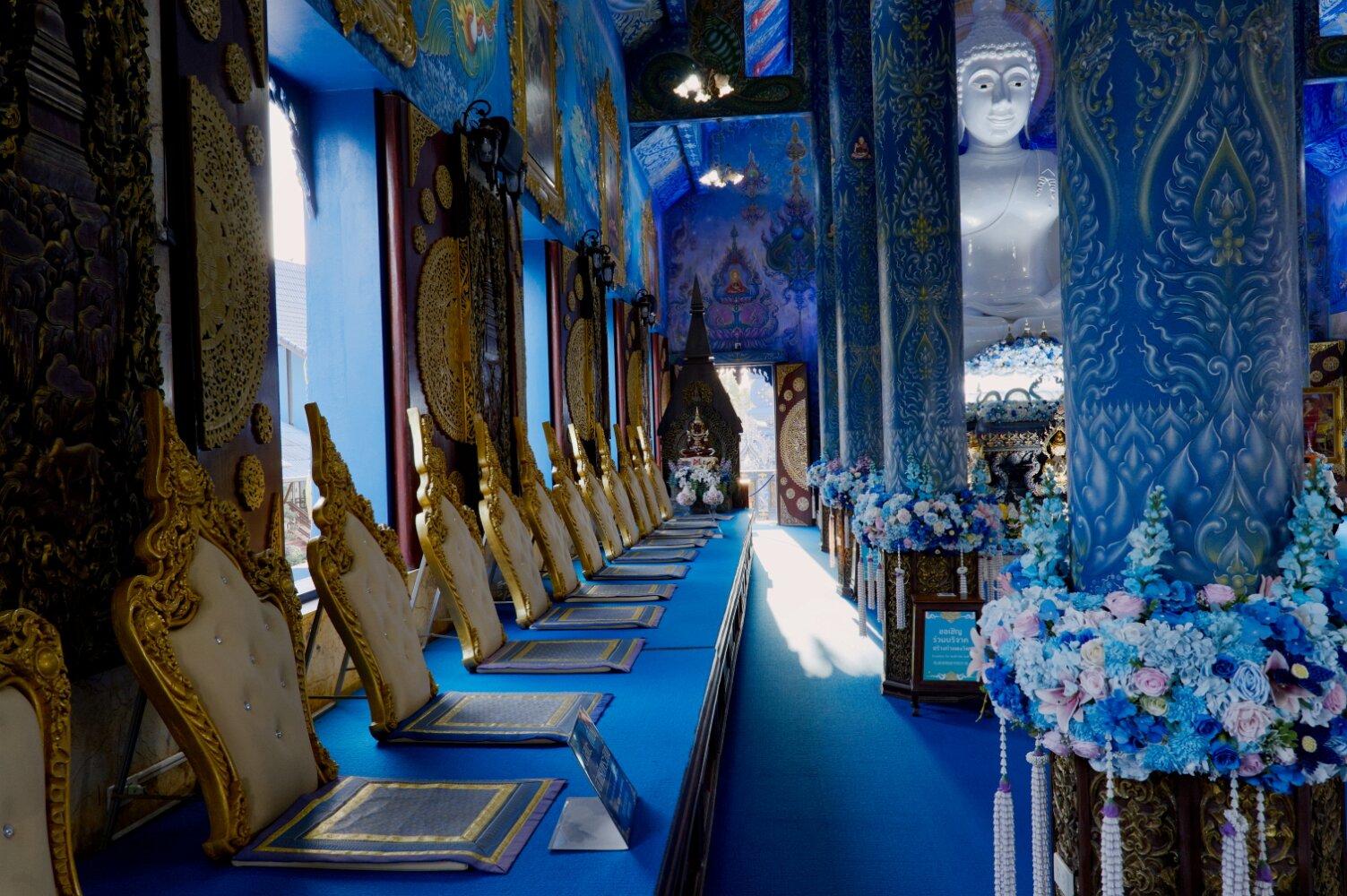
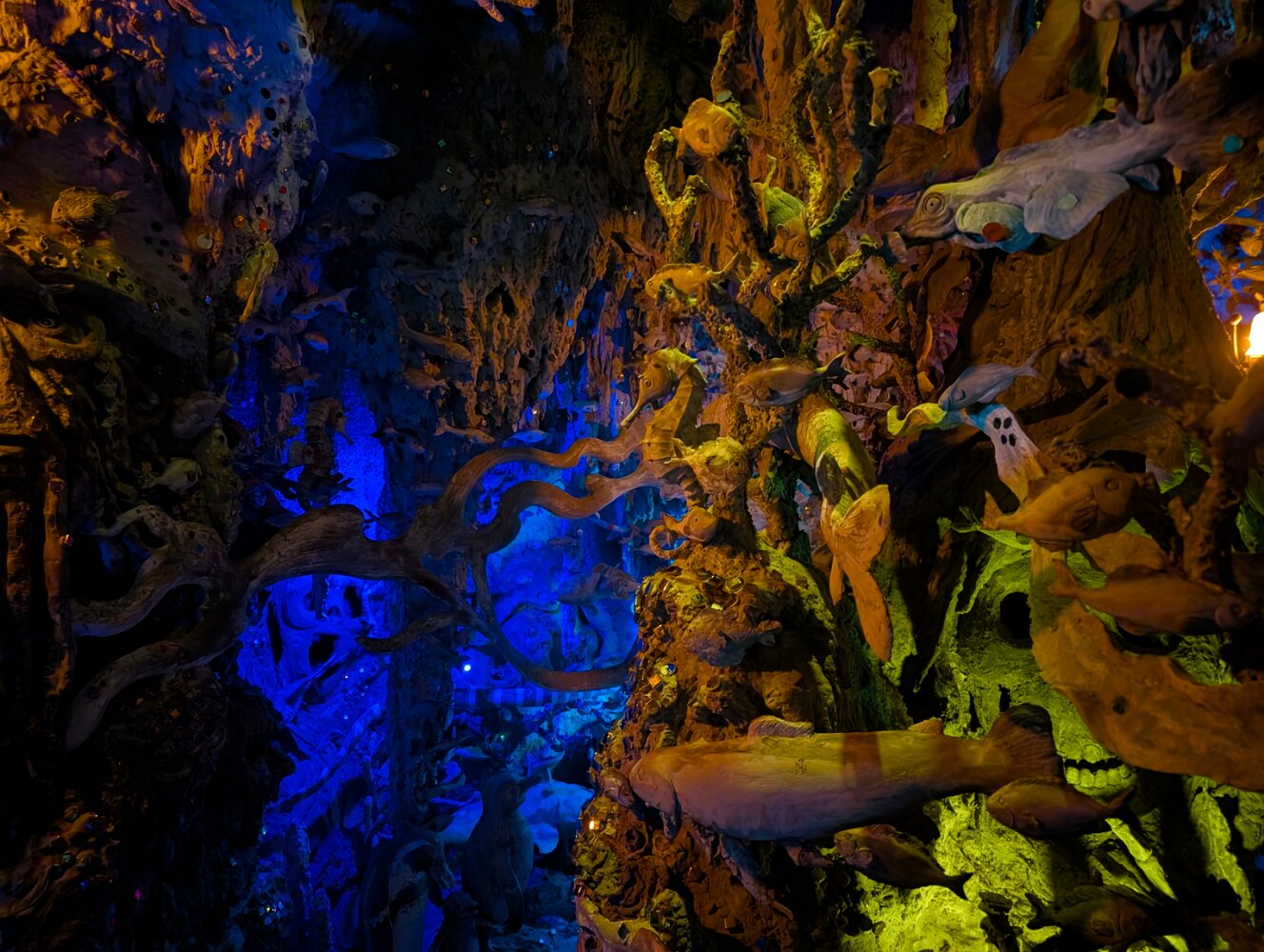
The psychedelic visual imagery of Wat Rong Suea Ten, also known as the Blue Temple, is the labor of another local folk artist, Phuttha Kabkaew, a disciple of Kositpitat.
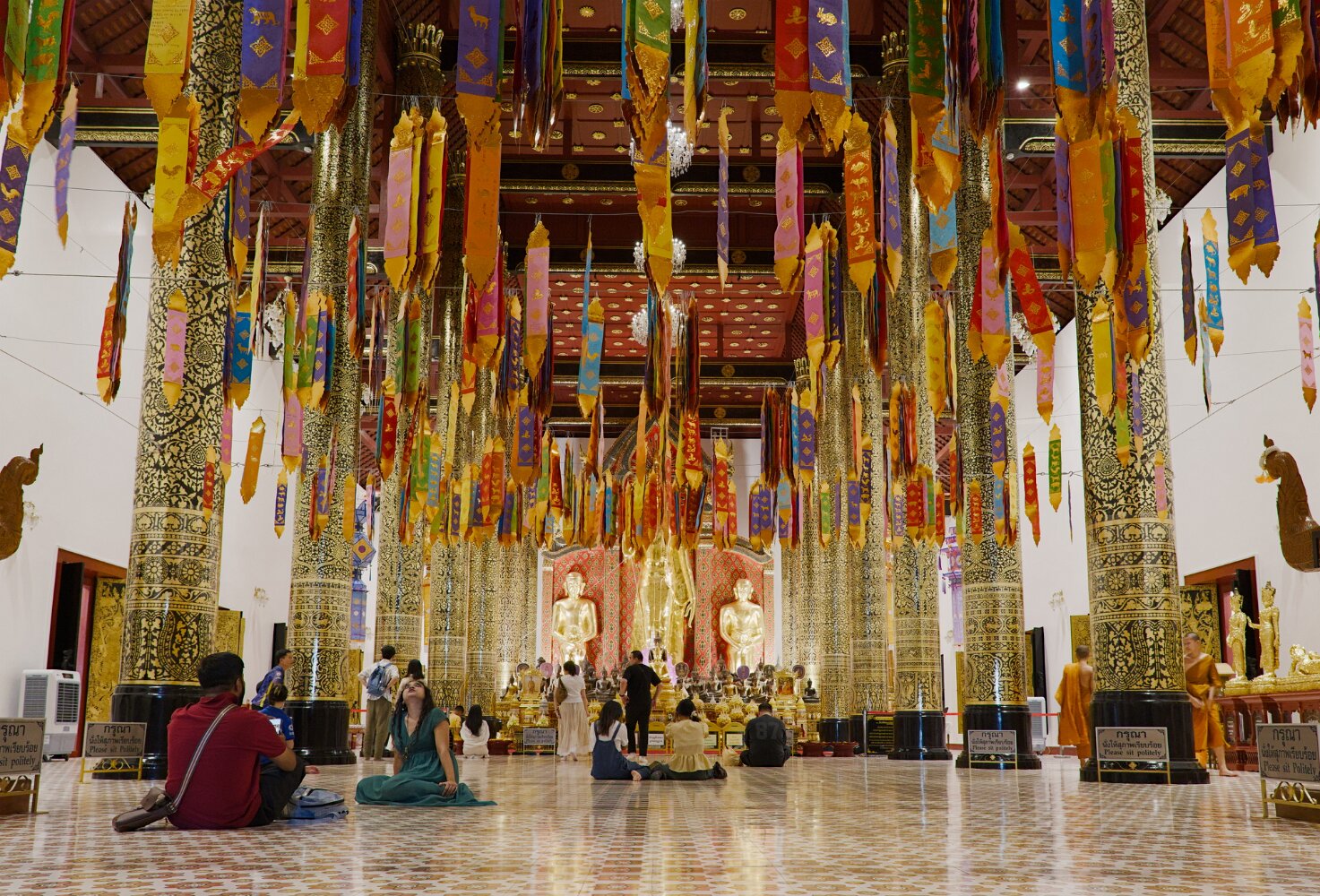
Chiang Mai
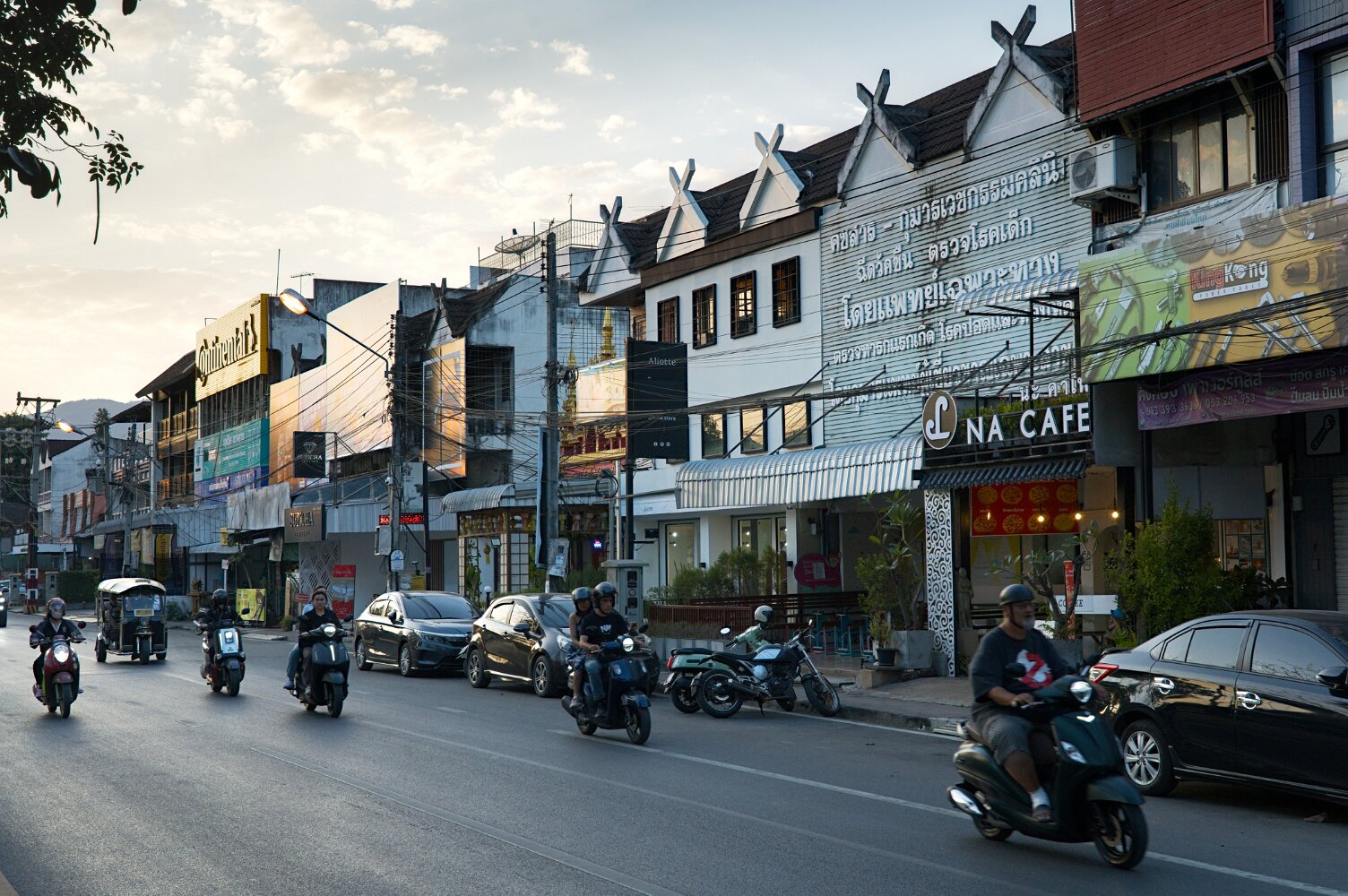
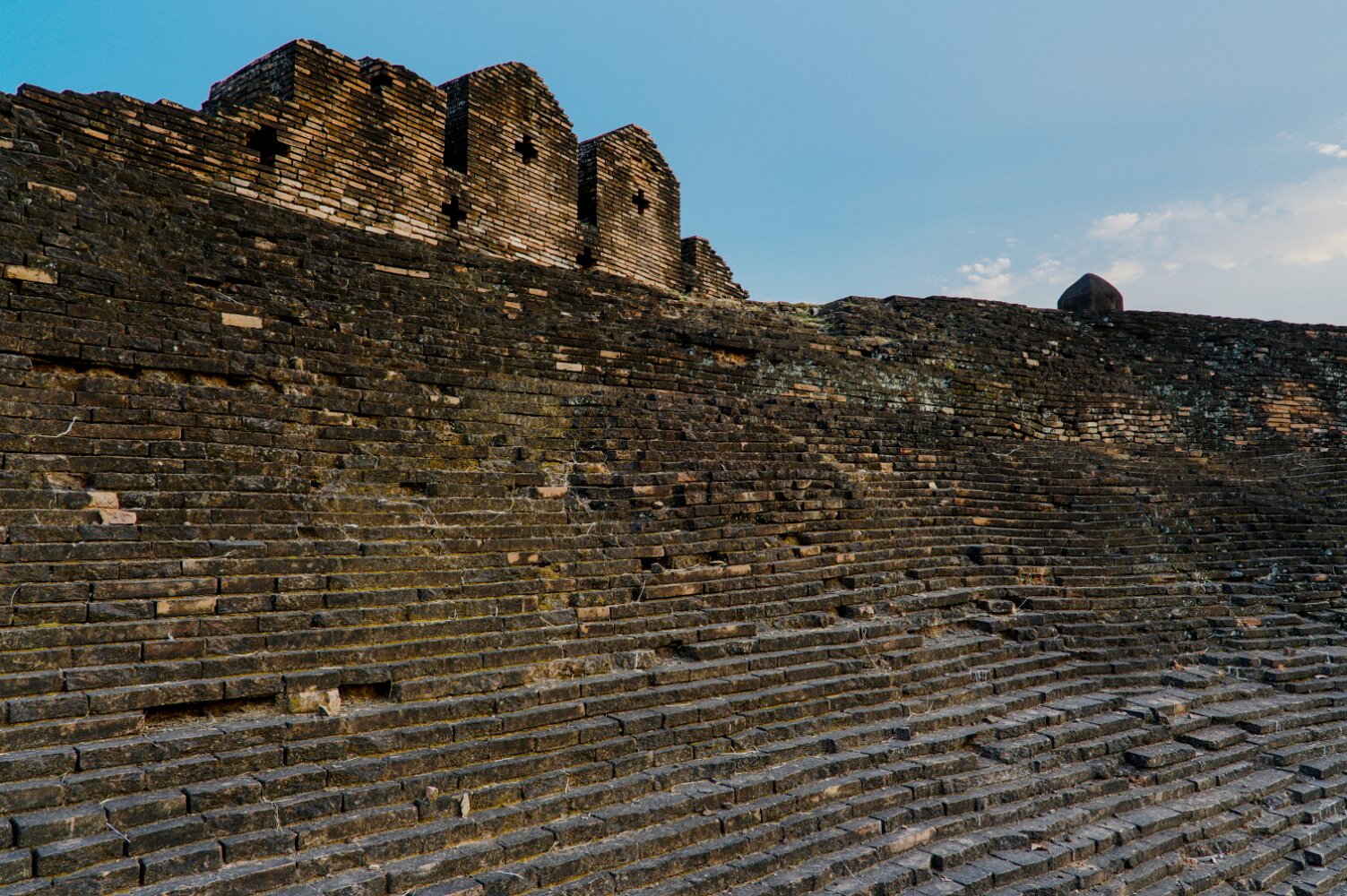
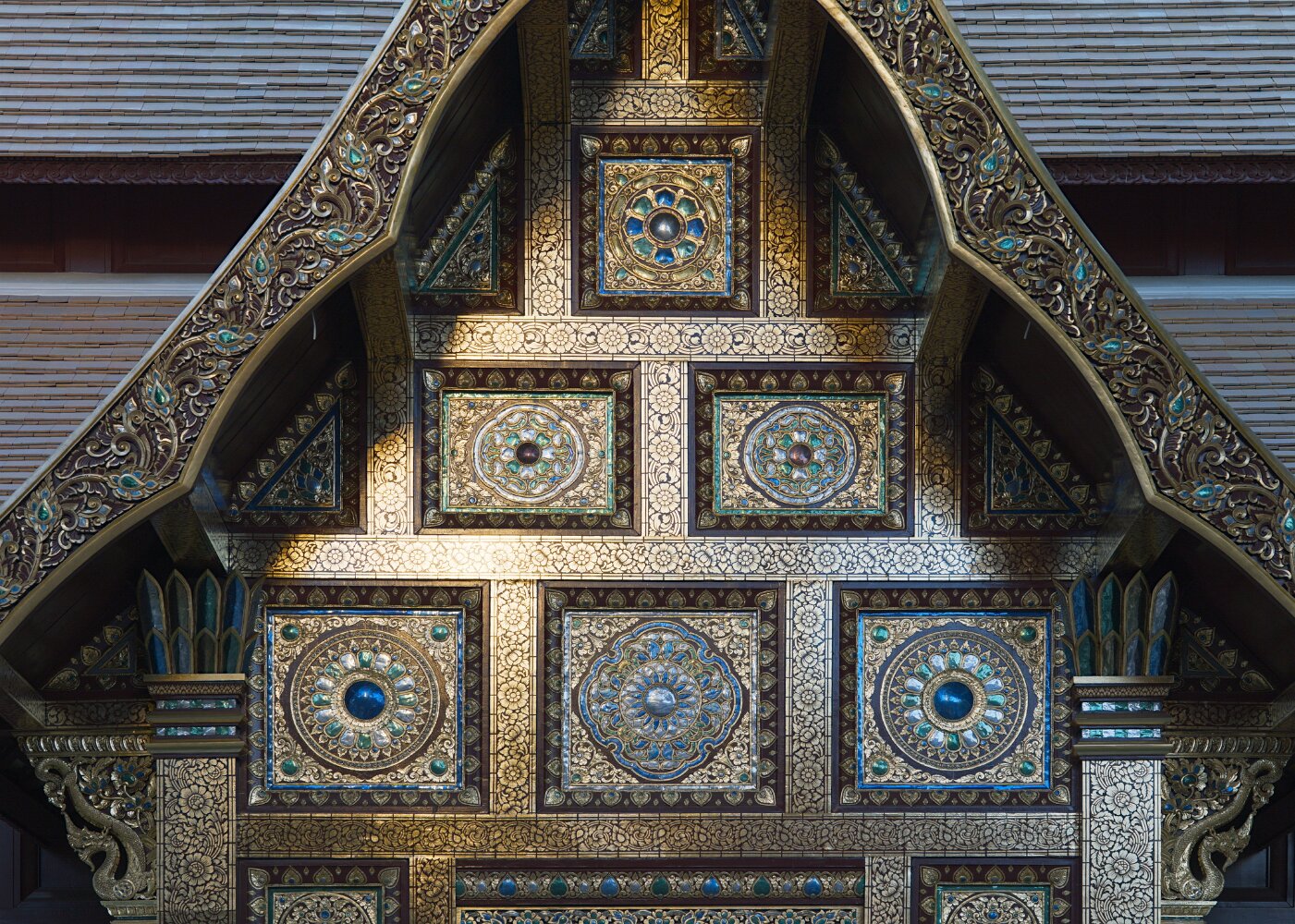
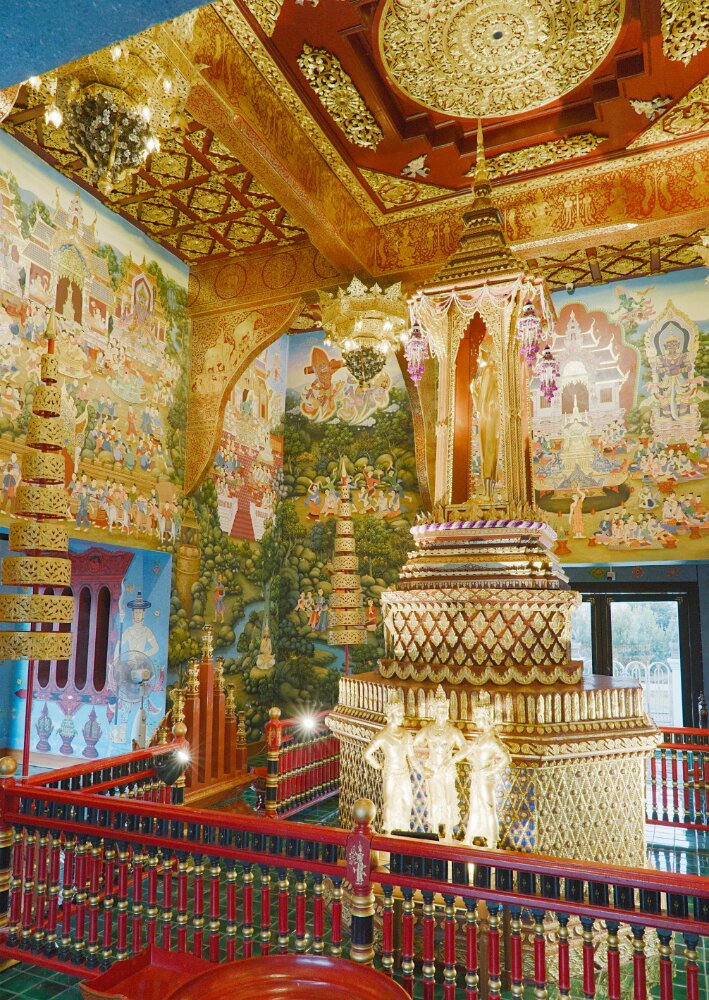
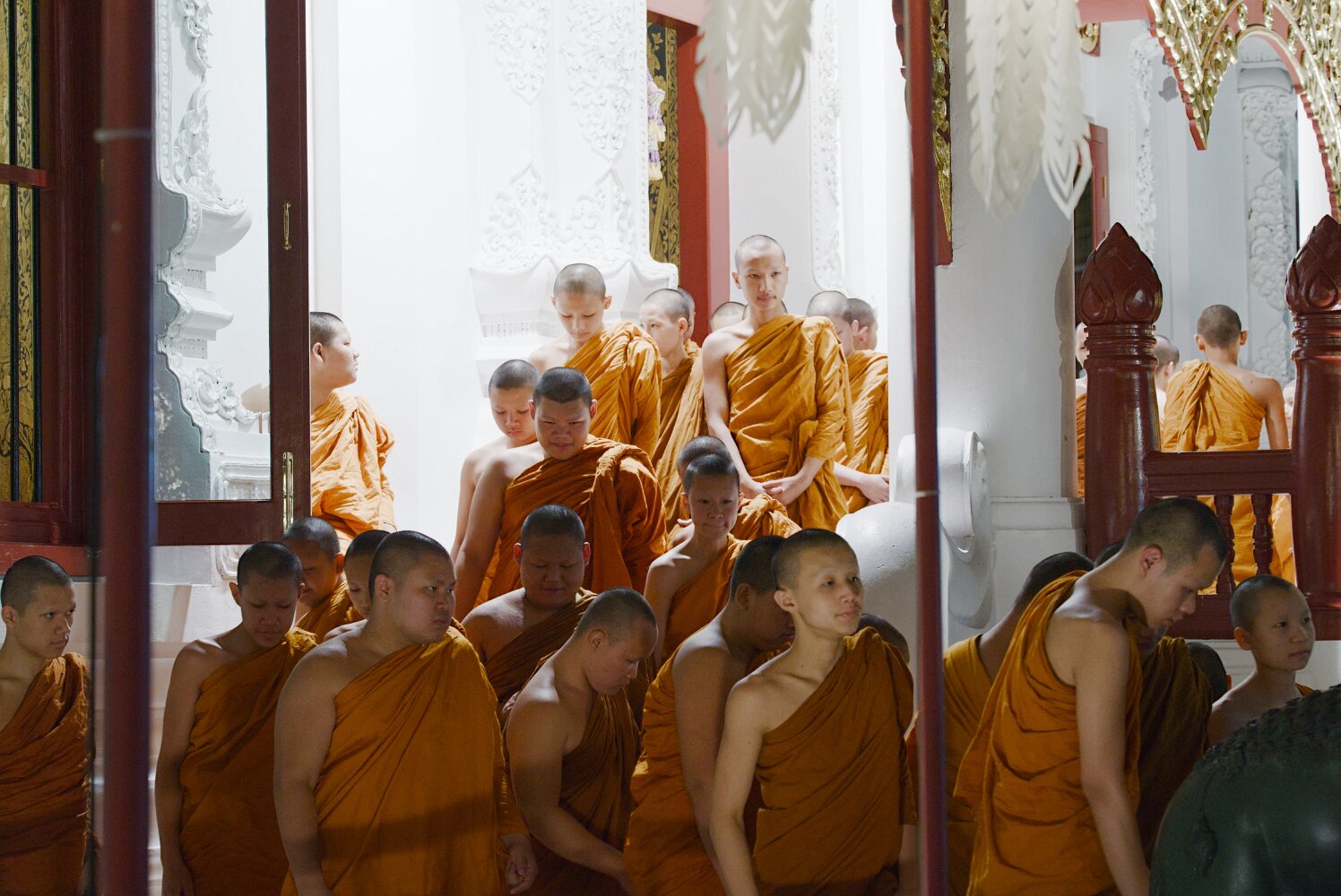
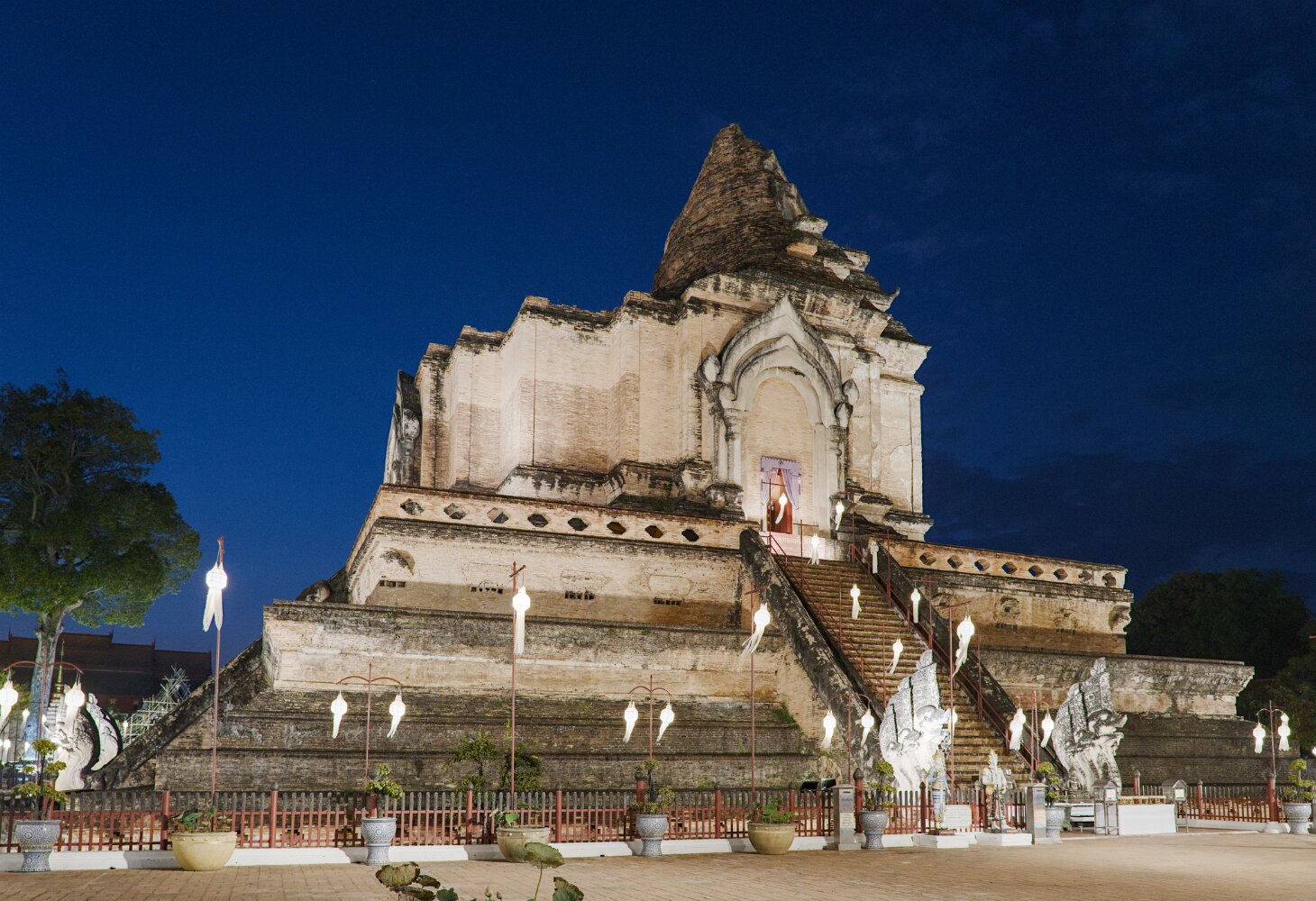
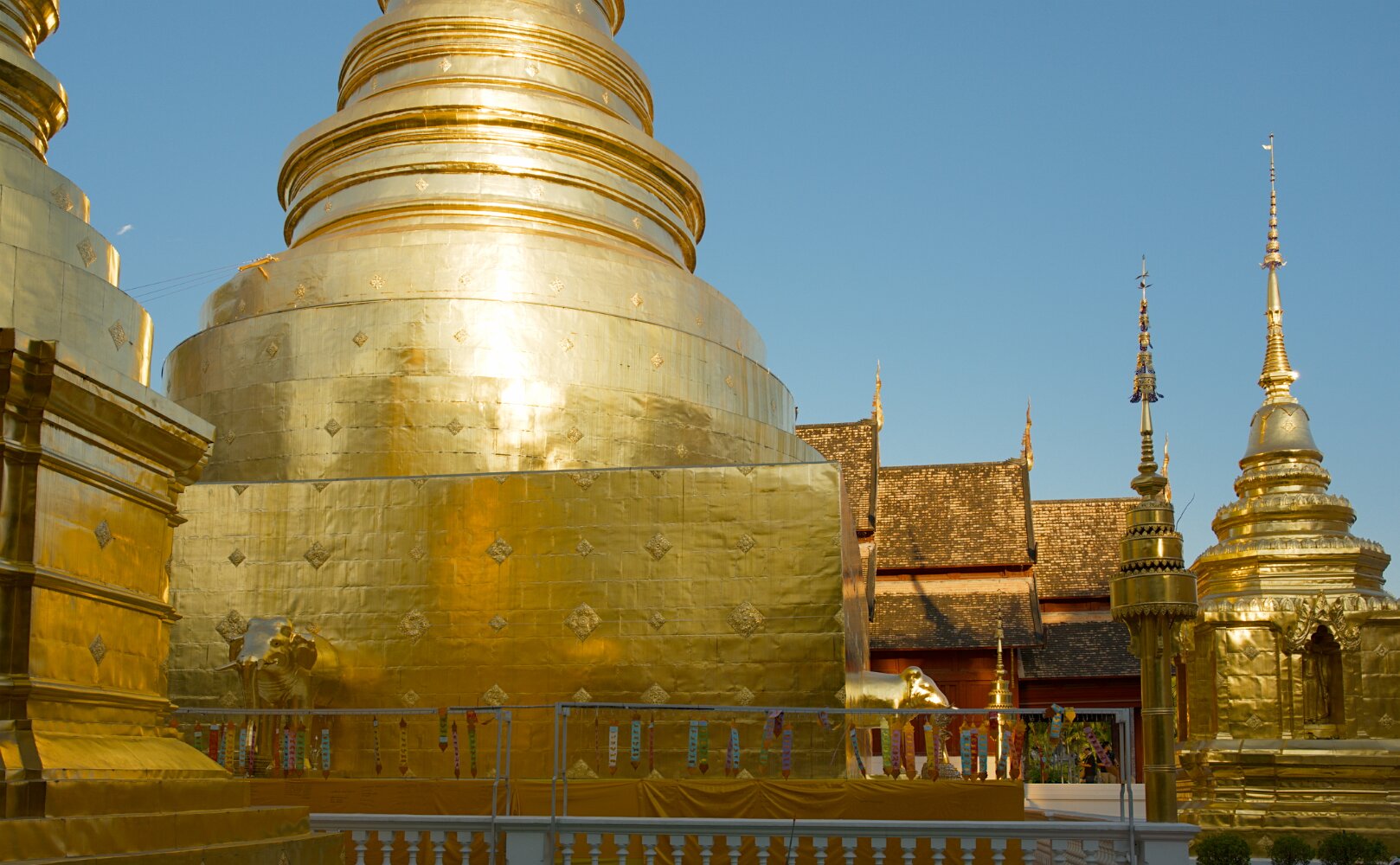
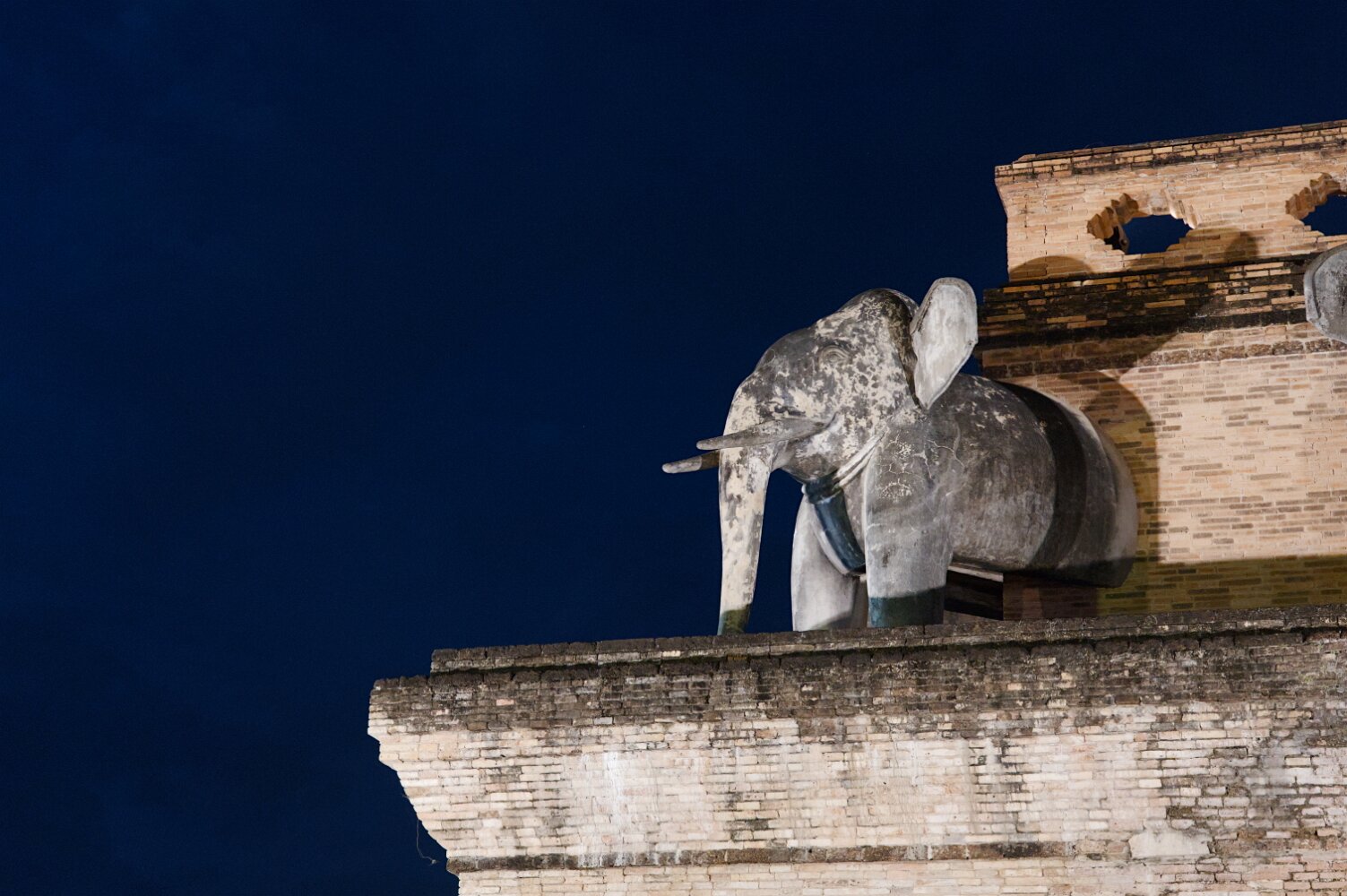
Chiang Mai, the cultural and historical heart of Northern Thailand, offers a more authentic Thai experience than the capital Bangkok or the beaches of the south, according to our Lonely Planet guidebook. The old city is a square roughly a mile on each side, bordered by a moat and an ancient brick wall, enclosing hundreds of temples.
"Once you've seen one you've seen them all". That's what Autumn said regarding Buddhist temples when we were planning this trip. She was so utterly wrong!
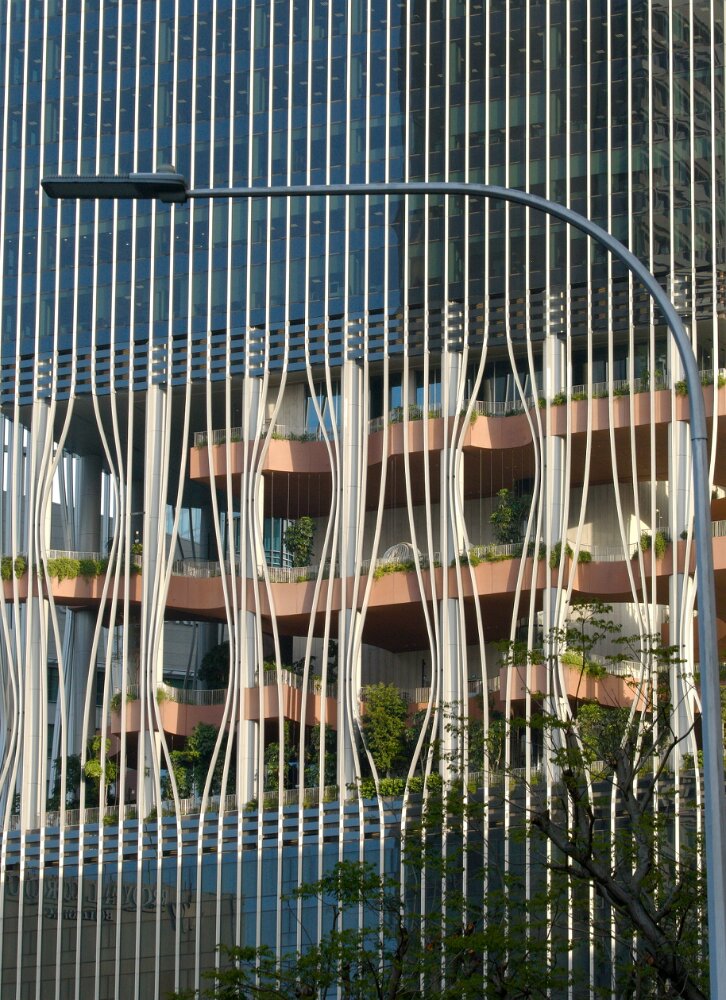
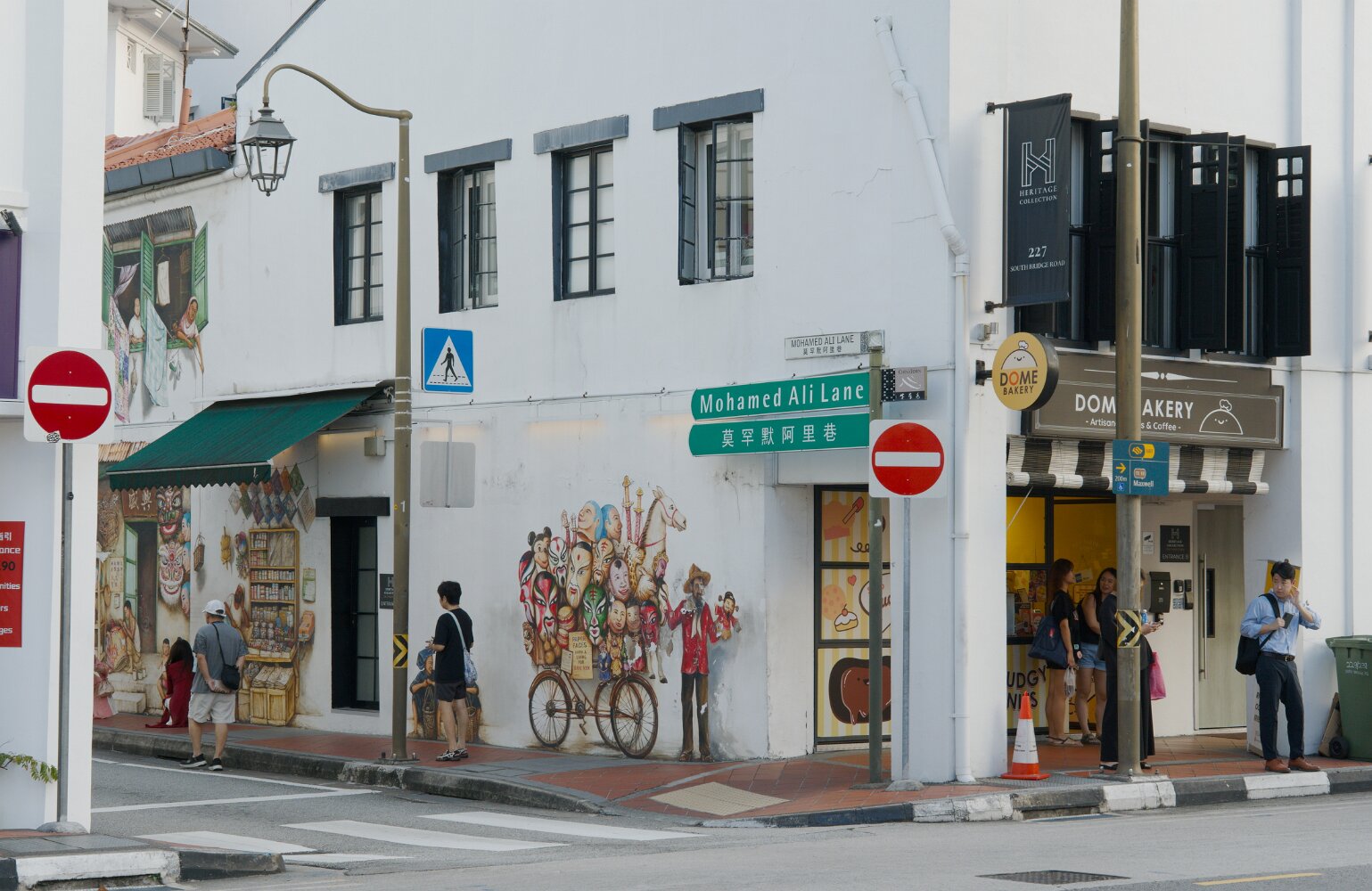
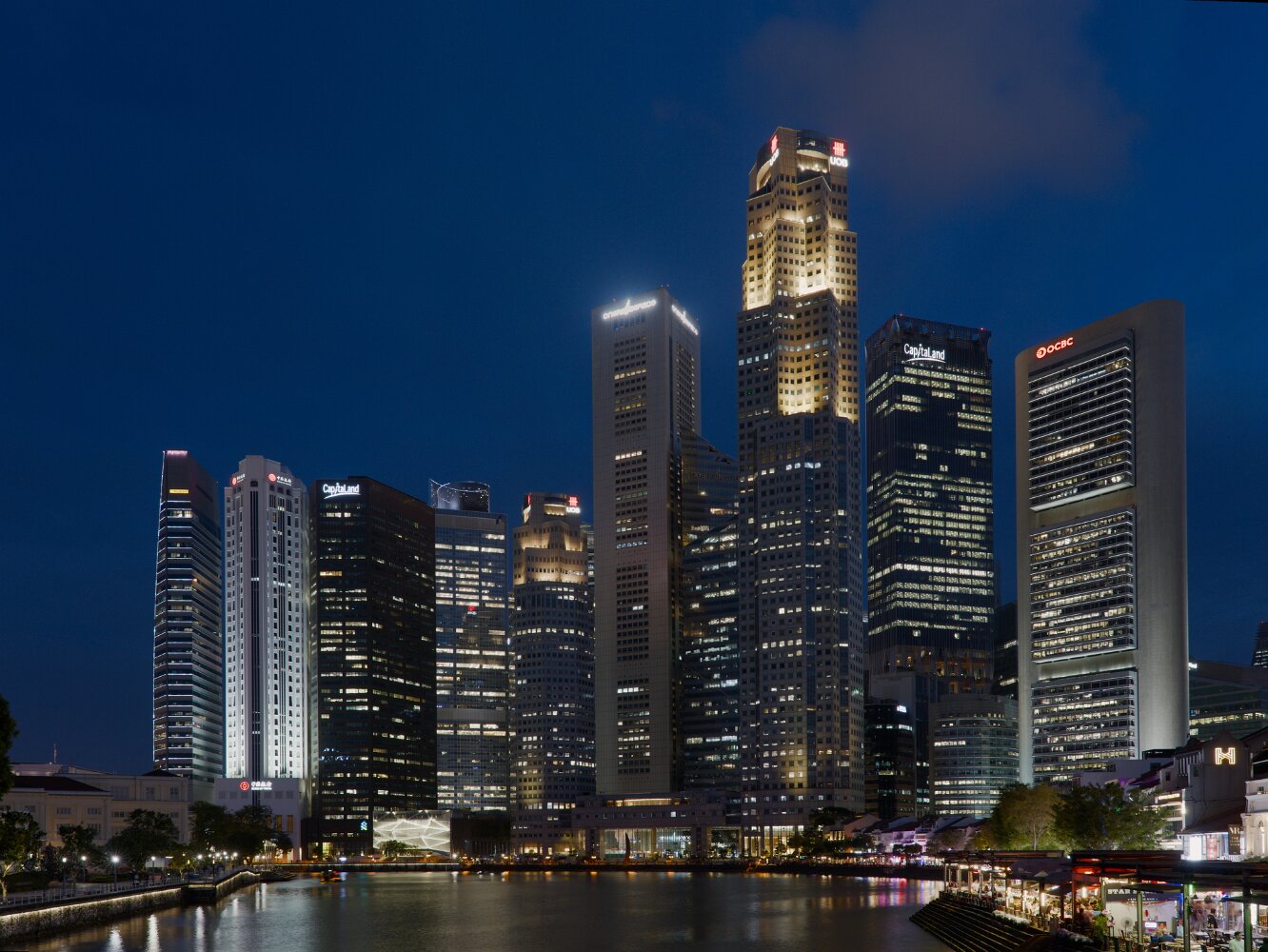
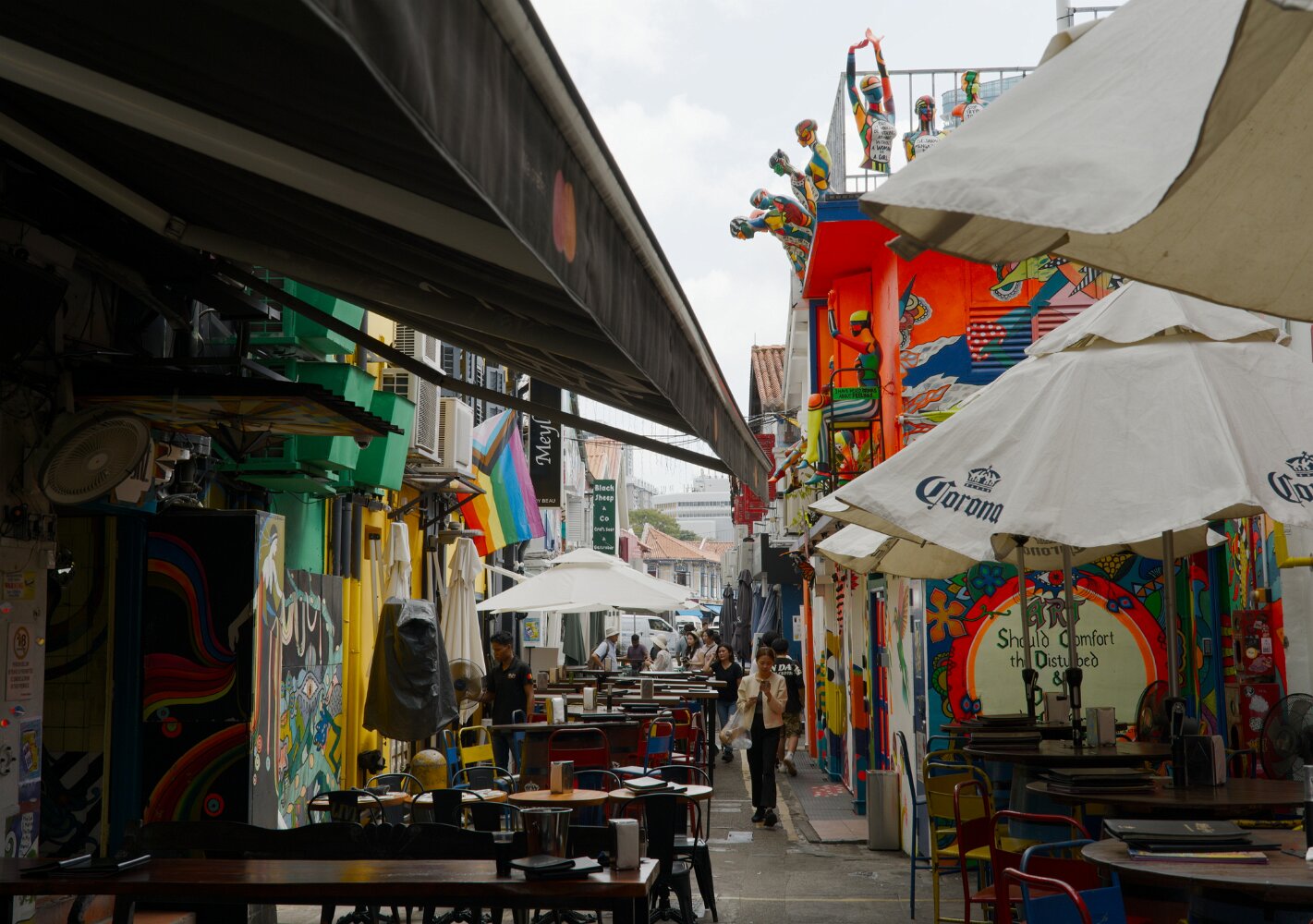
Singapore
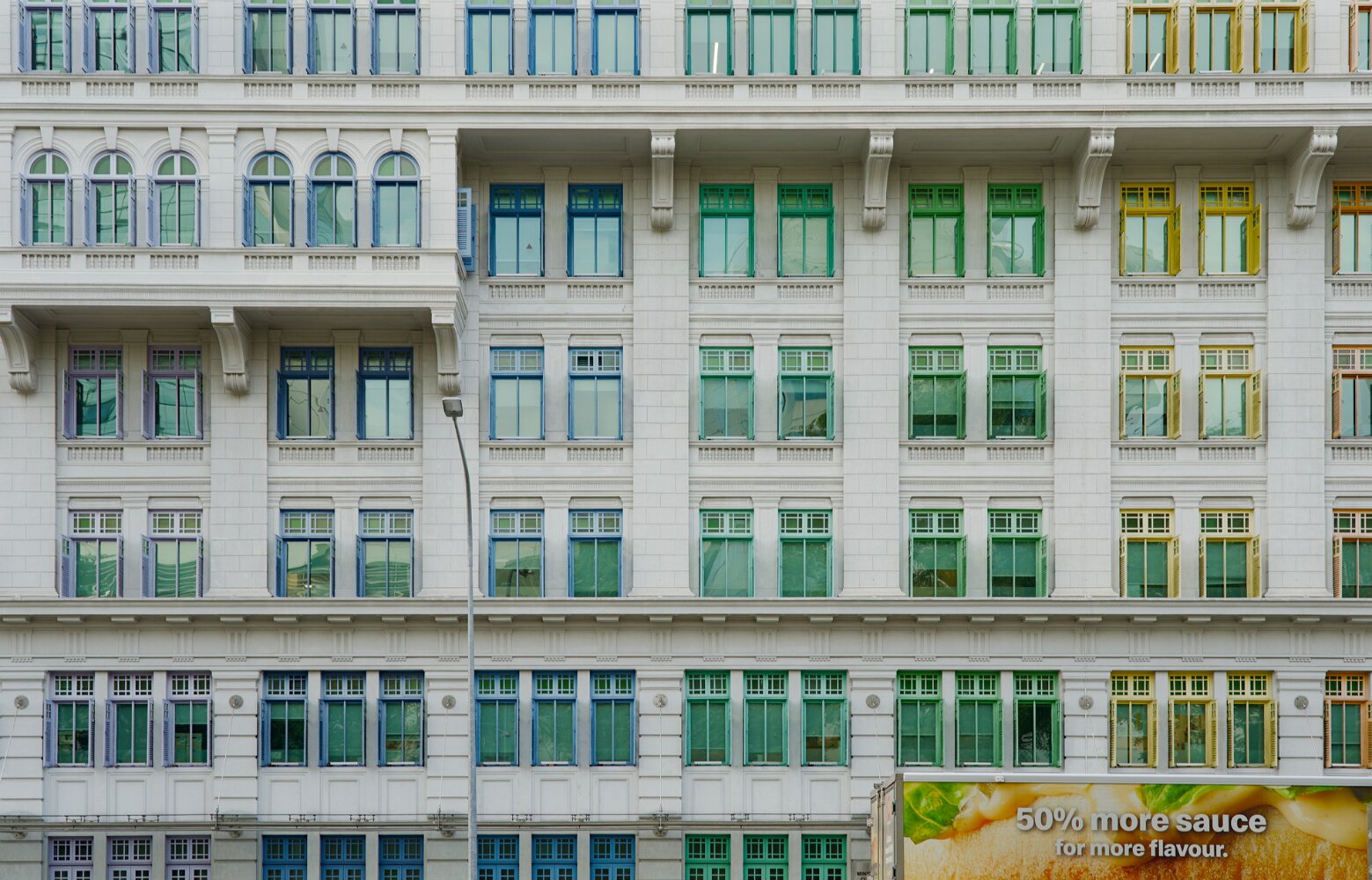
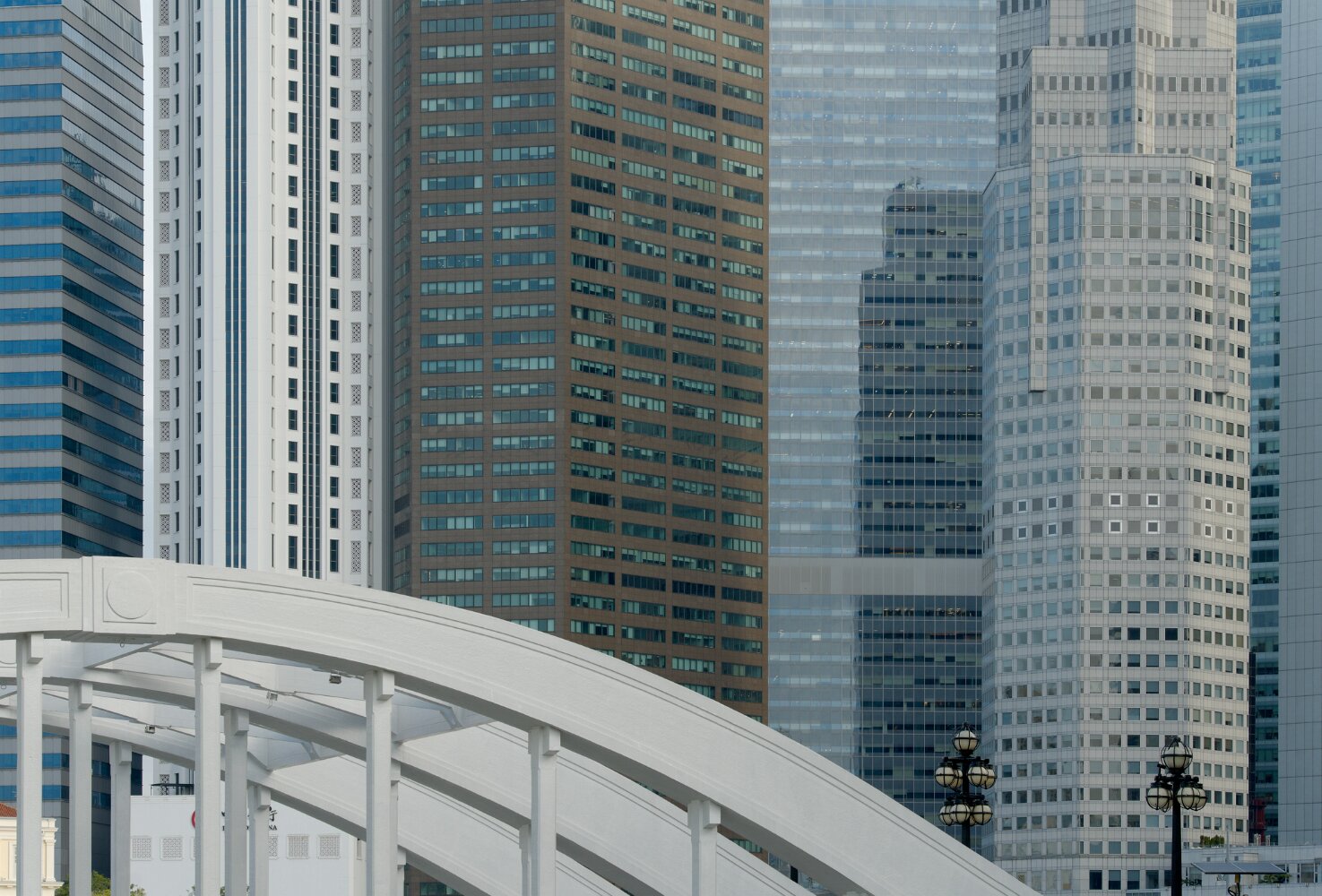
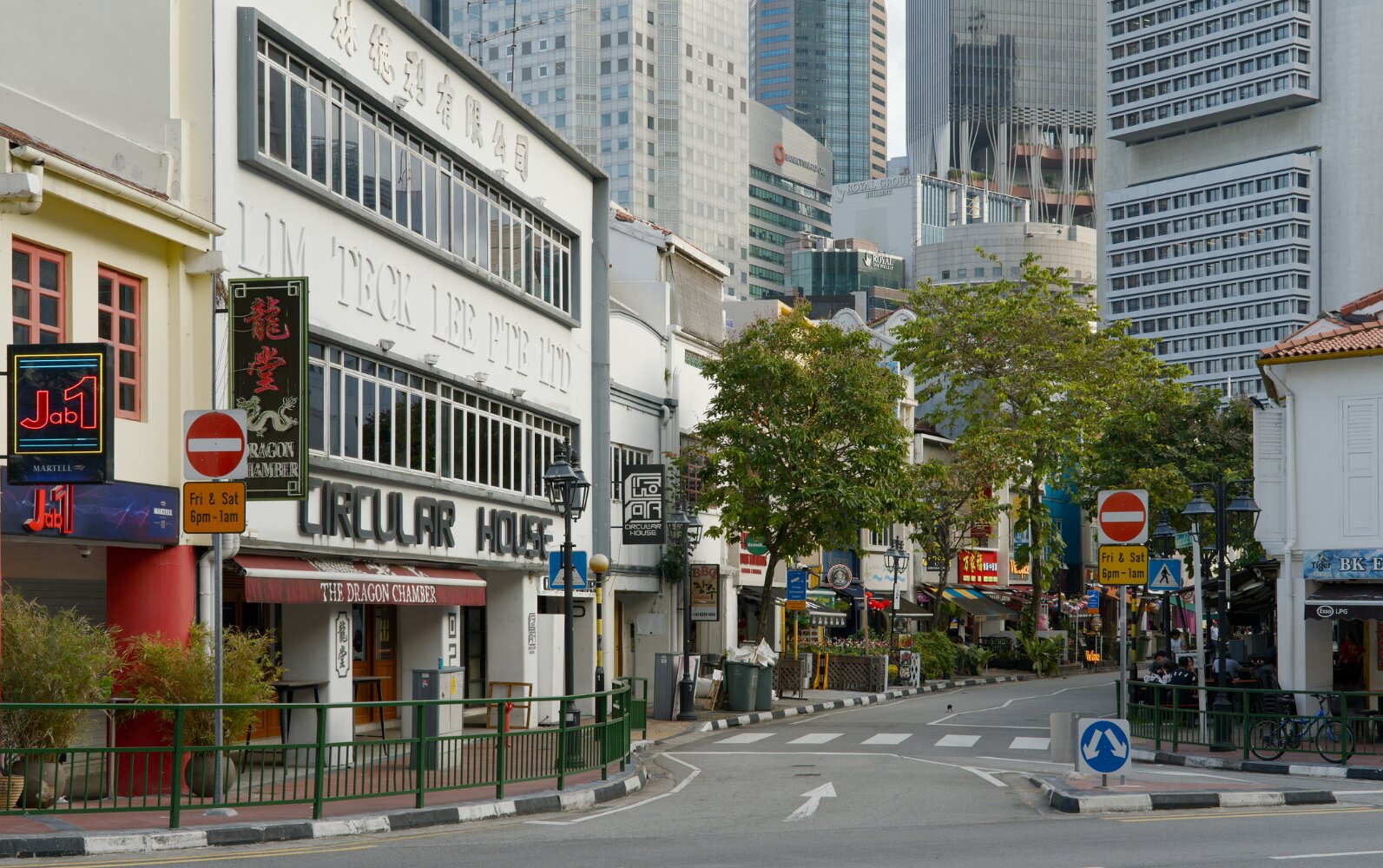
...and we run out of time, so we skipped Southern Thailand and Malaysia and flew from Chiang Mai straight to Singapore, where we got back to the reality of shockingly high prices. We had been spoiled paying about 1.5 US dollars for a beer ; in Singapore we payed 11!
Wikipedia facts: Singapore ranks highly in social indicators such as education, healthcare, housing and peacefulness. Singaporeans enjoy one of the longest life expectancies, fastest Internet connection speeds, lowest infant mortality rates and lowest levels of corruption in the world. The country has the highest PPP-adjusted GDP per capita in the world.